

Tweezers Wholesale: How to Source Precision Tools for Retail, Kits and Amenities
Tweezers are small tools, but wholesale buyers know they can influence how customers judge an entire beauty kit. A pair that grips cleanly, feels balanced and looks consistent in packaging can support repeat purchases. A pair that slips, scratches or arrives with uneven tips can create complaints far beyond its size or cost. For beauty retailers, manicure tool distributors, hotel amenity suppliers and private label buyers, choosing tweezers wholesale is not only about price. It is about matching the tool to the use case, verifying practical quality details and planning packaging that fits the sales channel.
Olimor Beauty works in the beauty-tools category, where buyers often need compact grooming tools for retail shelves, travel kits, manicure sets and amenity programs. This guide explains how to evaluate mini-tweezers and standard tweezers for wholesale purchasing without relying on vague claims. Use it to prepare a sourcing brief, compare samples and decide which details matter for your customers.
Where Wholesale Tweezers Fit in the Beauty Tools Market
Tweezers are used across many product formats. They may be sold as a single beauty accessory, added to a manicure or brow kit, included in a travel grooming pouch, or packed as part of hotel amenity beauty tools. The same basic tool can serve different markets, but the buying criteria change by channel.
For retail, appearance and shelf presentation are important because customers compare tools quickly. For professional or semi-professional beauty use, gripping performance and tip alignment become more important. For hotels and travel kits, compact size, safe packaging and consistent presentation often drive the purchase decision. Private label programs add another layer: the tweezer should look aligned with the buyer’s brand identity while still being practical to manufacture and inspect.
Before comparing quotations, define the role of the tweezer. Is it meant to be an everyday brow grooming tool, a compact emergency item in a kit, or a colorful accessory designed to create a strong visual impression? Clear positioning helps prevent overpaying for details your channel does not need, or under-specifying features customers will notice immediately.
Key Selection Criteria for Tweezers Wholesale
Wholesale buyers should look beyond a simple product photo. Tweezers are precision tools, so the small details matter. The following criteria are useful when building a specification for a beauty tool order:
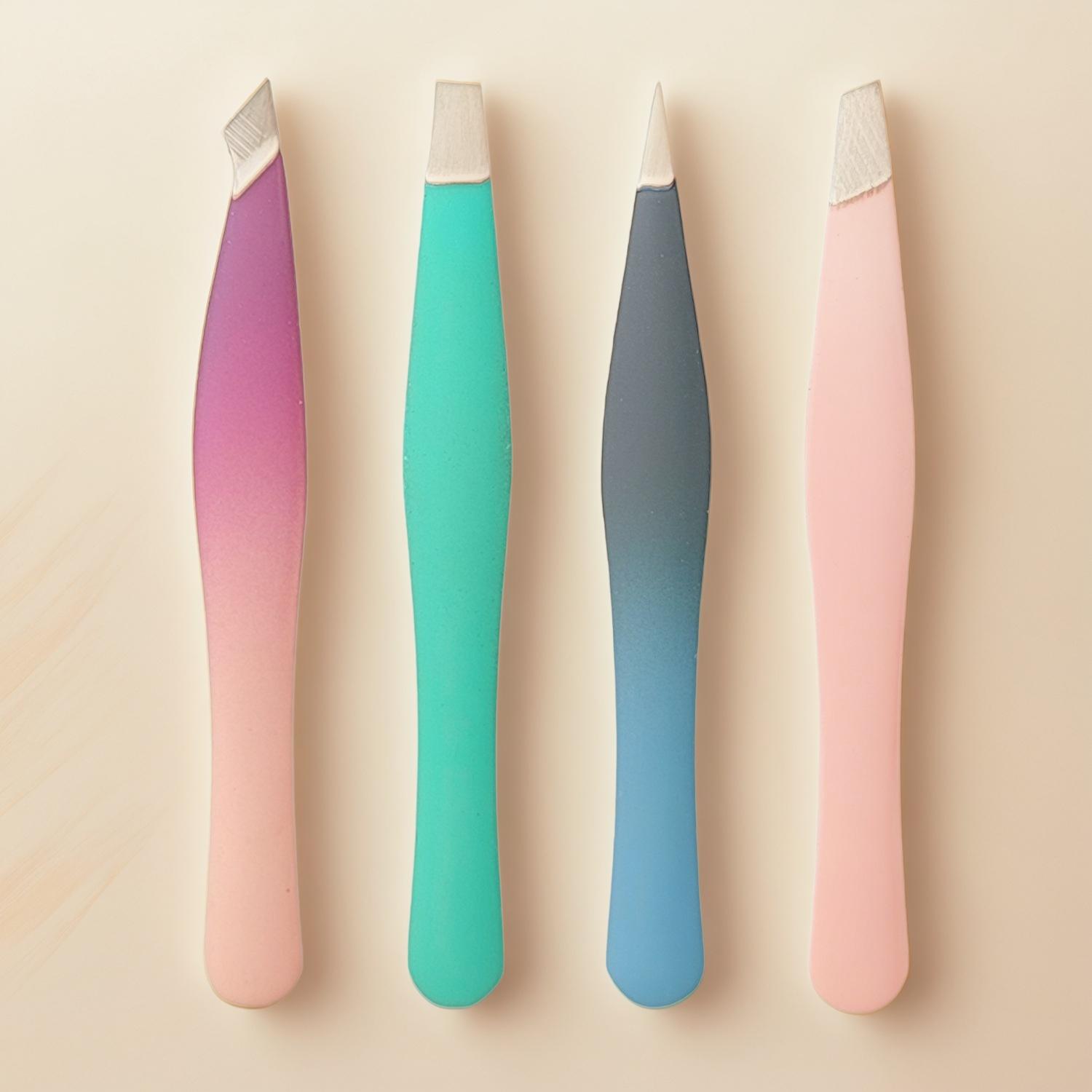
- Tip type: Slanted tips are commonly used for eyebrow grooming and general beauty use. Pointed tips are more precise but may require extra safety consideration in packaging. Flat tips can be suitable for broader gripping tasks.
- Tip alignment: The tips should meet evenly without a visible gap. Poor alignment causes hair to slip and creates a frustrating user experience.
- Grip tension: Tweezers should close smoothly without feeling too stiff or too loose. Consistent tension is especially important for repeat retail orders.
- Surface finish: Polished, matte, coated or colored finishes each create a different look. Buyers should consider scratch resistance, color consistency and how the finish appears under store lighting.
- Edge comfort: The body should not have sharp, unfinished edges where users hold the tool.
- Size: Mini-tweezers are suitable for compact kits and travel use, while standard sizes may feel more comfortable for daily grooming.
- Packaging compatibility: The tweezer shape and tip protection method should match blister cards, pouches, cartons or kit inserts.
For a broader view of related items, buyers can compare tweezers with other beauty tool products such as nail clippers, manicure implements and grooming accessories. Seeing how tweezers fit into a complete program often helps with packaging and assortment decisions.
Mini-Tweezers, Standard Tweezers and Beauty Kit Use Cases
The original appeal of mini-tweezers is easy to understand: they are compact, practical and visually flexible. For many buyers, mini-tweezers are not intended to replace a full-size professional tool. Instead, they support convenience-based product concepts such as purse kits, travel manicure sets, promotional beauty packs and hotel amenities.
Mini-tweezers can work well when portability is the main selling point. They take up less space in a pouch and can be paired with nail files, small scissors, clippers or other compact tools. Their size can also make colored or patterned finishes feel more playful, which may suit giftable beauty sets or youth-oriented retail assortments. However, the smaller body gives users less gripping surface, so tip alignment and tension still need attention.
Standard tweezers may be a better choice for customers who expect daily use and a more controlled hand feel. They often provide more leverage and comfort, which can help with eyebrow grooming. In a retail line, it can make sense to offer both a compact option and a standard option if the target market includes different user habits.
| Use case | Recommended focus | Buyer checkpoint |
|---|---|---|
| Retail single item | Finish, shape, tip type and display packaging | Check visual consistency across samples and cartons |
| Manicure or grooming kit | Compact size and compatibility with other tools | Confirm the tweezer fits securely in the kit insert or pouch |
| Hotel amenity program | Clean presentation, safe tip protection and practical size | Review packaging for safe handling and simple distribution |
| Private label beauty line | Brand color, logo placement and repeat order consistency | Define approved sample standards before bulk production |
Quality Checks Before Approving a Wholesale Order
A sample review should include more than opening one piece and testing it once. Tweezers are simple to inspect, which is an advantage for buyers: you can create a clear checklist and apply it consistently. Start with visual inspection. Look for uneven color, scratches, burrs, crooked arms, gaps at the tips and inconsistent packaging. Then test the feel of the tool. Open and close the tweezer several times to assess spring tension and comfort.
Tip contact is one of the most important performance details. The tips should meet in a controlled way and grip fine material without sliding. If you are evaluating several tip styles, test each style separately because the performance expectations differ. For example, a pointed tip may feel precise but requires careful finishing, while a slanted tip should provide stable contact along the gripping edge.
For private label or repeat wholesale orders, create an approved reference sample. This can help align expectations for color, finish, tip shape, packaging layout and logo placement. If future production differs noticeably from the approved sample, the difference is easier to identify and discuss. Buyers should also consider carton durability, inner packing method and whether tip protectors or sleeves stay in place during shipping.
Packaging and Private Label Decisions
Packaging does more than protect tweezers. It communicates quality level, intended use and brand positioning. A compact tweezer in a simple sleeve may be suitable for an amenity kit, while a retail item may need a card, window box or pouch that makes the finish and tip style easy to understand. For private label manicure tools, packaging should also leave enough room for required product information and brand elements without making the small tool feel cluttered.
When planning private label packaging, keep the design practical. Highly complex packaging can create higher inspection pressure and longer approval cycles. Buyers should confirm how the tweezer will be fixed in the package, whether the tips are protected, and whether the package can withstand normal handling. If the tool is part of a larger kit, the insert or pouch should prevent metal tools from rubbing against each other and damaging finishes.
Color is another important decision. Vibrant designs can make mini-tweezers stand out and add personality to beauty kits, but color consistency should be reviewed carefully. A finish that looks attractive in a product photo may appear different under retail lighting or when placed beside other tools. For buyers building a complete range, visit product collections to think about how tweezers can coordinate with other grooming and manicure items.
Sourcing Questions for Retailers, Exporters and Amenity Buyers
Whether you are a beauty retailer, a distributor, or a hotel amenity buyer, a structured sourcing brief improves communication. Instead of requesting a generic tweezer quotation, define the commercial purpose and the minimum acceptance criteria. This makes it easier to compare options and reduces the risk of receiving samples that do not fit your channel.
- Define the user: Retail consumer, hotel guest, travel kit user, salon client or promotional recipient.
- Choose the size: Mini for portability or standard for a fuller grip.
- Select the tip style: Slanted, pointed or flat depending on the expected grooming task.
- Set finish expectations: Polished, matte, coated, patterned or another suitable surface direction.
- Plan packaging: Single retail pack, kit insert, pouch, sleeve or amenity packaging.
- Clarify branding: Logo placement, packaging artwork and color matching requirements.
- Prepare inspection points: Tip alignment, tension, surface defects, packaging condition and carton labeling.
For Guangdong manicure tools export programs or broader beauty-tools distribution, consistency across repeat orders is often as important as the first sample. Buyers should document approved details and keep communication focused on measurable points. If you are preparing specifications for a new project, you can send an inquiry with your target use case, packaging format and expected assortment.
How to Build a Better Tweezer Assortment
A strong wholesale tweezer assortment does not need to be complicated. In many cases, buyers can start with a compact option for kits, a standard slanted option for everyday beauty use, and one visually distinctive finish for retail impact. The exact mix depends on your customers, but each item should have a reason to exist. Avoid adding too many similar tools that compete with each other without serving different needs.
For hotel amenity beauty tools, keep the assortment practical and easy to distribute. For retail, consider how the customer will compare the item on a shelf or product page: tip type, finish, size and packaging should be clear. For private label programs, focus on repeatability, brand fit and inspection standards. A tweezer may be a small part of the beauty category, but it is often handled closely by the end user, so flaws are easy to notice.
Olimor Beauty supports buyers looking for beauty tools that fit retail, kit and amenity applications. To discuss a project brief or compare suitable sourcing directions, contact Olimor with details such as target market, packaging needs and preferred tweezer style. A clear plan at the sourcing stage helps turn a simple grooming tool into a reliable part of your product offering.
Tag: