

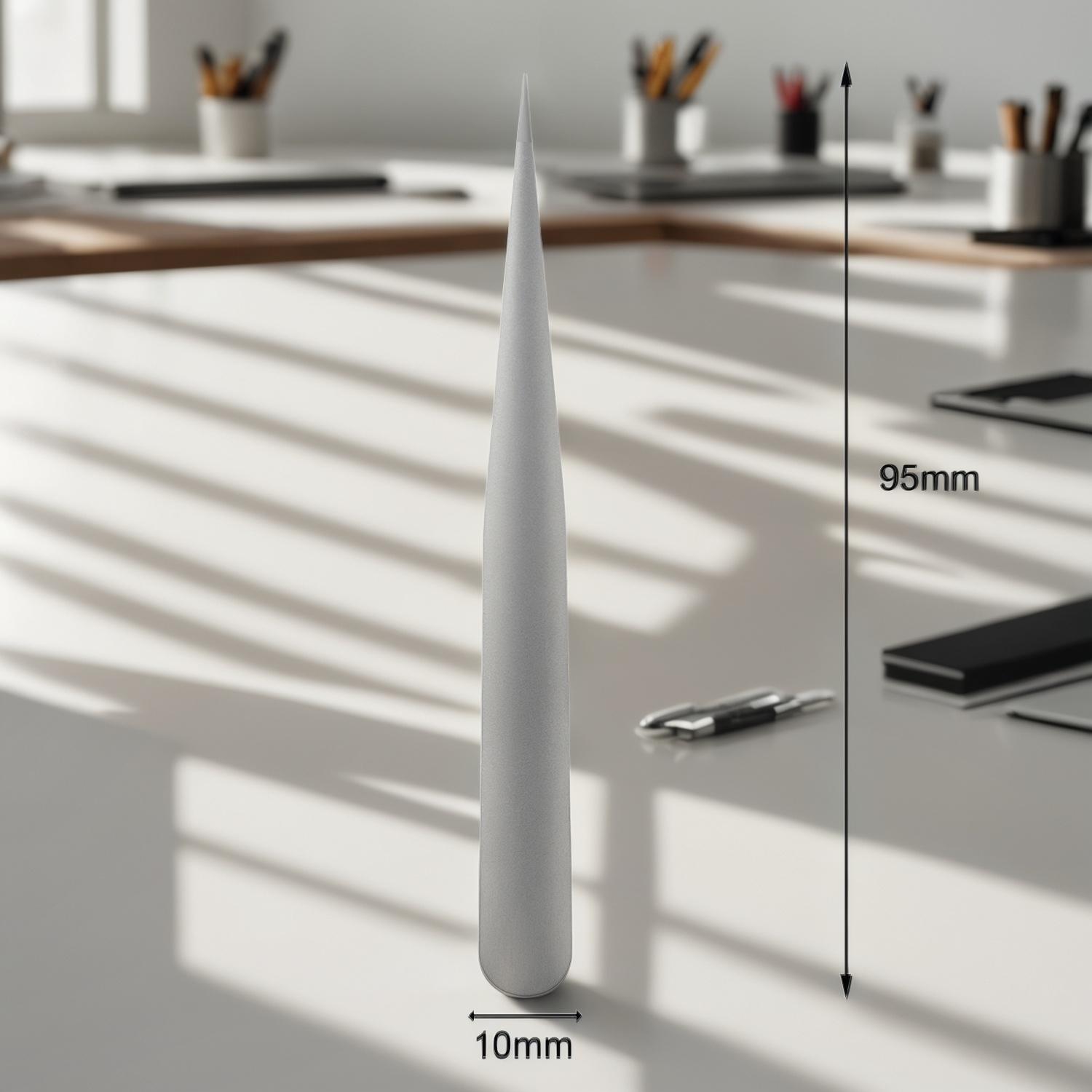
Tweezers Wholesale: Precision Tools for Professional Beauty Buyers
Wholesale tweezers may look simple at first glance, but for salons, beauty retailers, distributors, and private label manicure tool buyers, small differences in alignment, spring tension, tip geometry, finish, and packaging can affect repeat orders and customer satisfaction. A tweezer that performs well removes fine hairs cleanly, grips consistently, and feels controlled in the hand. A tweezer that is poorly selected can pinch skin, slip on short hair, arrive with inconsistent finish, or fail to match the retail positioning of the brand.
For professional buyers, the goal is not only to find a low unit price. It is to source a precise, repeatable grooming tool that suits the intended market. Olimor Beauty supplies beauty tools for professional and personal grooming applications, including stainless steel tools and precision designs such as the Pointed-Tip Tweezer. This guide explains how to evaluate tweezers wholesale projects with practical criteria, whether you are building a salon supply line, adding accessories to a beauty retail range, or developing private label manicure tools.
Why Tweezers Are a Serious Wholesale Category
Tweezers are compact, familiar, and easy to merchandise, but they must perform accurately. Consumers quickly notice if the tips do not meet evenly or if the tool feels uncomfortable. Professionals notice even more: brow artists, nail technicians, lash technicians, and grooming specialists use precision tools repeatedly and expect predictable control.
Because of this, tweezers are often purchased in bulk for several channels. Beauty distributors may need dependable stock for retail customers. Salons may buy multiple tools for hygiene rotation and station setup. Private label buyers may pair tweezers with manicure sets, brow kits, travel grooming kits, or promotional beauty accessories. The same base product can serve different markets, but only when the specification, finish, and packaging are chosen with care.
Before comparing suppliers, define the business purpose. Are the tweezers for professional brow shaping, general home grooming, gift sets, manicure kits, or retail impulse displays? A product meant for a salon counter may need different handling and presentation than a tool packed inside a travel kit. Buyers can browse broader beauty tool products to understand how tweezers fit into a complete grooming assortment.
Tip Shape and Use Case: Matching the Tool to the Job
The tip is the most important functional part of a tweezer. It determines how the tool contacts hair, splinters, nail art pieces, or small grooming materials. Although many buyers start by asking for a standard tweezer, the better approach is to match the tip to the use case.
- Pointed-tip tweezers: Designed for detailed work where accuracy matters, such as isolating fine hairs or handling very small items. The Pointed-Tip Tweezer is a relevant example for buyers seeking a more precise grooming tool.
- Slanted-tip tweezers: Common for brow grooming because the angled edge can contact skin comfortably while gripping hair at the root.
- Flat-tip tweezers: Useful when a broader gripping surface is needed, though they may not be ideal for very fine hair removal.
- Curved or specialty tips: Often used for detailed beauty applications where hand position and visibility matter.
When reviewing samples, test the tweezer on the kind of task your customers will actually perform. A tweezer can look sharp but still fail to grip short or fine hair. It can also grip well but feel too rigid for repeated salon use. For bulk purchasing, the right tip shape should be paired with consistent alignment across the order, not just a well-made sample.
Stainless Steel, Finish, and Hand Feel
The original product context highlights stainless steel tools, which are widely used in professional grooming because they can offer a clean appearance, durable handling, and a finish suitable for beauty environments. However, wholesale buyers should not rely on the phrase “stainless steel” alone. Without inventing a grade or technical claim, it is still reasonable to evaluate how the material is processed and finished.
Look closely at the surface. Are the edges smooth where the fingers rest? Are there burrs near the tips or handle? Is the finish consistent from one side to the other? Matte, polished, coated, or colored finishes can each support a different retail position, but they should not interfere with grip or accuracy. A very glossy finish may look premium in photos, while a textured or brushed feel may be easier to hold during detailed work.
Spring tension is another key point. Tweezers should open and close with controlled resistance. If the arms feel too loose, the tool may lack confidence. If they are too stiff, users may experience fatigue. For salon buyers, hand comfort matters because the tool may be used many times per day. For retail buyers, comfort affects reviews and repeat purchases.
Quality Checks That Matter in Bulk Orders
Olimor Beauty emphasizes precision craftsmanship and quality checks across the production process, including inspection from raw material stages through final packaging. For buyers, the important question is how to translate quality expectations into a practical checklist. The following points help identify whether a tweezer is suitable for wholesale distribution or private label use.
- Tip alignment: The two tips should meet evenly without crossing, twisting, or leaving a visible gap.
- Grip performance: Test on fine, short, and slightly thicker hair if the product is intended for grooming.
- Edge smoothness: The body should not have sharp, uncomfortable edges that irritate the fingers.
- Consistent tension: Samples from the same batch should open and close with similar resistance.
- Finish uniformity: Color, polish, coating, and surface texture should be consistent across pieces.
- Packaging fit: The tweezer should sit securely in its packaging without rubbing, bending, or damaging the tips.
- Cleanliness: Tools should arrive free from visible residue, dust, or metal particles.
A single sample can confirm direction, but it cannot represent an entire wholesale project. For larger orders, buyers should define acceptable inspection criteria before production is completed. This protects both the buyer and the supplier by reducing subjective disputes later.
Private Label and Packaging Decisions
Tweezers are often selected for private label beauty projects because they are compact, useful, and easy to combine with other grooming accessories. Packaging is not only decoration; it protects the precision tips and communicates the intended price level. A tweezer sold as a professional brow tool may need a different presentation from one included in a basic manicure set.
Common packaging considerations include whether the tool needs a protective tip cover, blister card, paper box, pouch, insert card, or retail-ready display. Buyers should also decide where branding will appear: on the tool, the package, the instruction card, or a barcode label. If the tweezer has a fine point, protective packaging becomes especially important because bent tips can ruin performance before the customer ever uses the product.
Artwork should remain realistic. Claims such as “professional,” “precision,” or “stainless steel” should match the actual product and intended market. Avoid overloading small packages with technical language unless it helps the customer choose the tool. Clear use instructions, care tips, and safety warnings can reduce misuse and improve customer experience.
Sustainability and Responsible Sourcing Considerations
The supplied product context refers to recyclable grooming tools in bulk and growing environmental awareness. For buyers, sustainability should be approached as a sourcing decision rather than a slogan. Tweezers can support lower-waste beauty routines when they are durable, reusable, and packaged responsibly. The most sustainable version is often the one that performs well for a long time and does not need quick replacement.
Packaging is another area where buyers can make practical decisions. Consider reducing unnecessary plastic, choosing compact packaging, or using recyclable paper-based components where suitable for the market. At the same time, packaging must still protect the tip. A damaged precision tweezer creates waste, returns, and customer complaints, so protection and material reduction should be balanced.
Buyers developing a broader grooming range can compare compatible items through Olimor product collections and plan assortments that share packaging formats, retail positioning, or display systems.
Questions to Prepare Before Requesting a Wholesale Quote
A clear inquiry helps a supplier understand the product direction and reduces back-and-forth communication. Instead of asking only for the cheapest option, prepare information that defines the target customer, usage scenario, and packaging expectation. This is especially useful for distributors and private label buyers managing several SKUs at once.
| Buyer decision | Why it matters |
|---|---|
| Tip shape | Determines whether the tweezer is suited for brows, fine hair removal, nail art handling, or general grooming. |
| Finish preference | Affects appearance, hand feel, retail positioning, and consistency requirements. |
| Packaging type | Protects the tips and influences shelf presentation, shipping efficiency, and branding space. |
| Branding needs | Clarifies whether the project requires logo placement, custom artwork, or neutral packaging. |
| Inspection priorities | Defines which quality points are most important before bulk shipment. |
When you are ready to discuss a project, you can send an inquiry with your target market, preferred tweezer type, and packaging direction. For more detailed sourcing questions, you may also contact Olimor to start a conversation about suitable beauty tool options.
Building a Reliable Tweezers Wholesale Program
A successful tweezers wholesale program depends on repeatability. The best product for your business is not necessarily the most complex or decorative one; it is the tool that performs consistently, fits your customer’s use case, and arrives in packaging that protects its function. Precision tip alignment, controlled tension, smooth finishing, and sensible packaging are all more important than vague promotional language.
For salons and professional users, prioritize performance, grip, and comfort. For retail distributors, consider how the tweezer will be displayed, how clearly the package explains the use case, and whether the finish matches the rest of the beauty range. For private label buyers, define the specification before artwork begins, so the branding supports the actual product rather than promising more than the tool can deliver.
Olimor Beauty serves the beauty tools market with attention to craftsmanship, inspection, and practical grooming applications. By approaching tweezers as precision tools rather than simple accessories, buyers can build a stronger assortment, reduce quality issues, and offer customers grooming tools that are selected for real use.
Tag: