

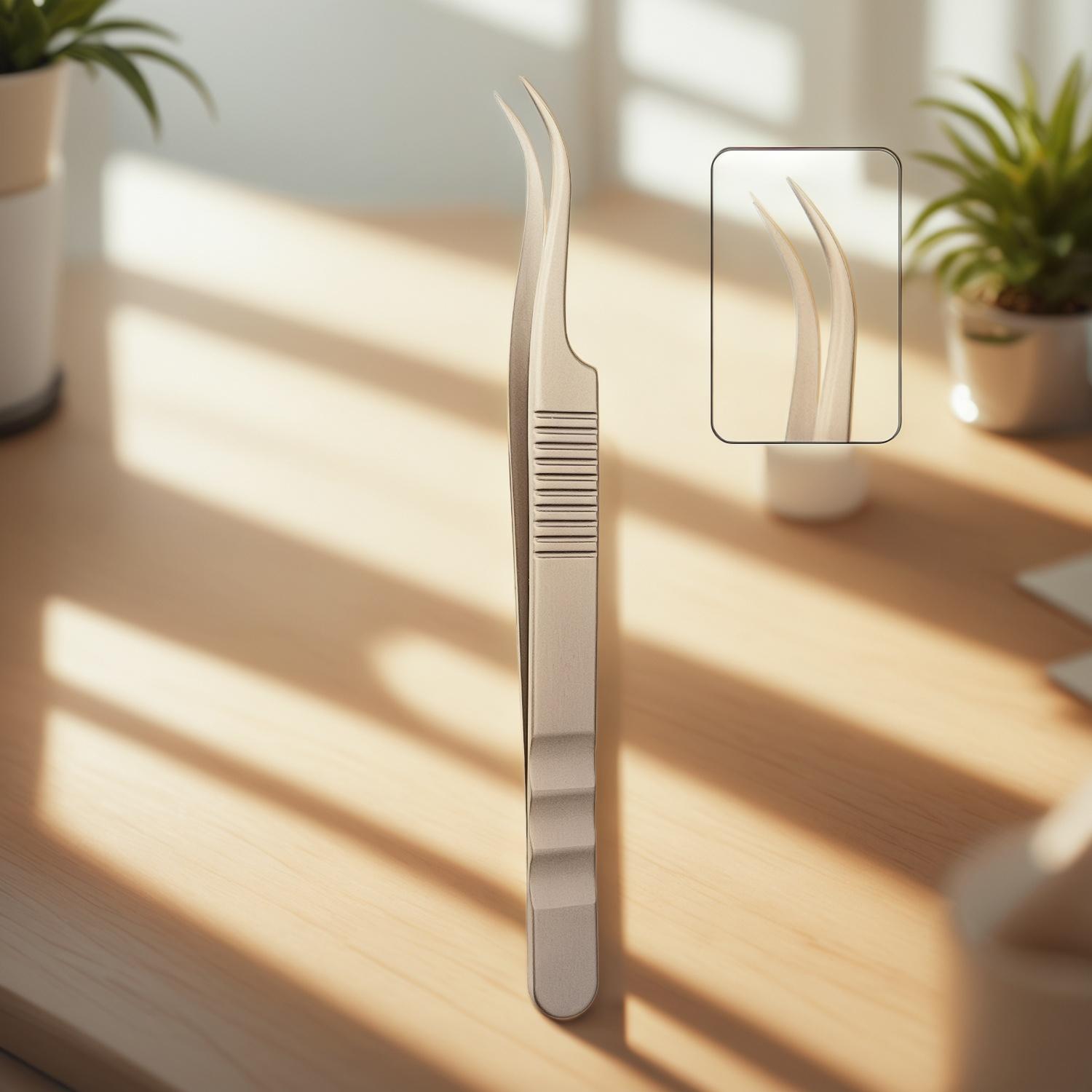
Wholesale Tweezers Buying Guide for Beauty Professionals
Wholesale tweezers should be selected as precision beauty tools, not as simple low-cost accessories. For lash technicians, brow artists, spas, nail studios, hotel amenity buyers, beauty retailers and private label brands, the right tweezer can improve control, support consistent service work and increase the perceived value of a kit or retail product.
The main buying question is straightforward: which tweezer style, material, finish and inspection process will fit the intended user? A salon technician may need stable tension and fine tip alignment for repeated services. A retail buyer may need a dependable tool that consumers can understand quickly. A hotel amenity program may prioritize clean presentation, broad usability and practical maintenance. Olimor supplies precision beauty tools for professional and bulk buyers, including stainless steel tweezers designed for durability, control and routine cleaning.
This guide explains how to compare tweezers wholesale, how to evaluate samples before bulk ordering and how to discuss customization, packaging and quality expectations with a supplier.
Why Precision Matters in Wholesale Tweezers
In professional beauty settings, a small tweezer flaw is repeated many times. Tips that do not meet evenly can slip on fine hair, fail to hold lash fibers, bend delicate materials or force the technician to squeeze harder. Over a full service day, poor alignment and excessive tension can slow work and create hand fatigue.
Precision is not only sharpness. It includes tip alignment, arm balance, controlled closing tension, smooth surface finishing and the way the tweezer sits in the hand. For wholesale buyers, consistency across a batch is as important as the performance of a single sample. A sample that closes perfectly is useful only if the delivered order maintains the same practical feel and quality standard.
For false lash tweezers wholesale, precision is especially important because lash isolation, pickup and placement require stable hand control. For brow grooming, the tips must grip short hairs cleanly without feeling rough against the skin. For manicure or spa detail work, the tweezer must allow careful handling without awkward pressure.
Match Tweezer Types to Real Beauty Services
A practical wholesale assortment begins with the service environment. One generic tweezer shape rarely serves every use case equally well. Buyers should define who will use the tool, how often it will be used and whether it will be sold individually, included in a kit or supplied as an amenity item.
Common Tweezer Styles and Applications
- Straight tip tweezers: useful for general handling, separating materials and tasks where a direct line of sight is helpful.
- Slanted tip tweezers: commonly selected for brow shaping and facial hair removal because the angled edge can approach the skin comfortably.
- Pointed tip tweezers: suited to detailed work where accuracy matters more than a broad gripping surface.
- Curved or angled lash tweezers: useful for false lash placement, lash isolation and work around the eye area where access and control are important.
- Volume-style lash tweezers: chosen by lash professionals who need consistent pickup and release during fan creation or placement, depending on technique.
A brow studio may focus on slanted and pointed tweezers. A lash business may need several curved or angled shapes to support different hand positions. A spa may prefer a smaller, reliable selection for facial hair removal and treatment preparation. A beauty retailer may need a balanced range that is easy to explain on shelf or online.
If you are planning a broader beauty tool range, you can review related options through the Olimor beauty tool products page and compare tweezers alongside nail, grooming and kit accessories.
Material and Finish: Why Stainless Steel Is Common
Stainless steel is widely used for professional grooming tools because it offers a practical balance of durability, clean appearance and maintenance convenience. Olimor tweezer descriptions reference high-grade stainless steel, ergonomic design and a high-shine finish. These characteristics matter because they affect handling, visual quality and routine cleaning.
A smooth stainless steel finish can make a tweezer easier to wipe and inspect. It also helps the tool look appropriate in professional kits, retail packaging or hotel amenity sets. For buyers reviewing samples, the finish should be judged by touch as well as appearance. Look for even polishing, clean edges, no visible burrs and no rough areas along the arms, neck or tip.
Stainless steel tools may also support recyclable product strategies for companies trying to reduce disposable plastic or short-life accessory choices. Buyers should avoid treating material claims as marketing language only. Ask what material documentation is available, how the supplier controls incoming material and whether the chosen finish is suitable for the intended service or retail environment.
Ergonomics, Tension and Control
Tweezers are small tools, but they are often held for long periods. Ergonomics can affect service speed, technician comfort and accuracy. Olimor describes its tweezers as having an ergonomic design with a subtle curve intended to improve hand stability and control. For lash, brow and detailed grooming work, this kind of handling feature can help users maintain accuracy without excessive squeezing.
Good tension should feel controlled rather than tiring. If the arms are too loose, the tweezer may not grip confidently. If they are too tight, the user may experience hand fatigue during repeated work. The correct tension depends on the service, but it should feel smooth and consistent across samples.
When reviewing a sample, hold the tweezer exactly as the intended user would. Open and close it repeatedly, check how the tips meet and test whether the body remains stable during small movements. For lash tools, simulate picking up delicate lash materials. For brow tools, check whether the tip can grip fine hair-like material without sliding. For retail or amenity programs, consider whether the tool feels intuitive for a broad range of users.
Wholesale Quality Checks Before Ordering
Wholesale buying should include a disciplined sample review and incoming inspection plan. Olimor references internal quality control processes from raw stainless steel inspection to final packaging. Buyers should still define what they need to verify, because quality expectations are strongest when they are linked to actual product performance.
The following checklist can be used for sample evaluation, pre-shipment discussion or incoming inspection after delivery.
| Inspection Point | What to Check | Why It Matters |
|---|---|---|
| Tip alignment | Tips meet evenly without visible gaps, twisting or crossing. | Improves grip on fine hair, lash fibers and small grooming materials. |
| Grip performance | Tool can pick up and hold fine materials under normal hand pressure. | Shows whether the tweezer performs in real service conditions. |
| Tension consistency | Several samples open and close with similar resistance. | Reduces variation for technicians and end users. |
| Surface finish | Polishing is even, with no burrs, rough edges or uncomfortable areas. | Supports comfort, clean handling and professional appearance. |
| Body balance | Tweezer sits comfortably in the fingers and feels stable during small movements. | Helps technicians maintain control during repeated work. |
| Cleanability | Shape and finish allow practical wiping and visual inspection. | Supports salon, spa, kit and amenity maintenance workflows. |
| Packaging protection | Tips are protected against bending, rubbing or scratching in transit. | Prevents damage before the product reaches technicians or customers. |
Professional buyers should not rely only on appearance photos. A tweezer may look acceptable in a catalog but fail if the tips do not close cleanly or if the grip feels harsh after repeated use. Samples are especially important when buying for lash services, private label retail programs or premium beauty kits.
Choosing Tweezers for Different B2B Buying Scenarios
Salons, Lash Studios and Brow Professionals
Service providers should prioritize repeatable performance. Lash technicians need controlled pickup, accurate placement and stable hand positioning. Brow professionals need tips that grip short hairs without uncomfortable roughness. Spas need tools that fit their hygiene and storage routines. For these buyers, the best wholesale decision is not simply the lowest unit cost; it is the option that performs consistently across daily appointments.
Beauty Retailers and Brand Owners
Retail buyers need a tweezer that feels reliable in a consumer’s hand. Customers quickly notice whether a tweezer grips hair cleanly or slips. For private label programs, the tool’s finish, packaging and usability should match the brand position. A branded tweezer can extend the customer relationship beyond the appointment and support retail sales, but the product must still function well before logo or packaging choices matter.
Hotel Amenity and Promotional Programs
Amenity and promotional buyers often need practical tools with clean presentation. The tweezer should be easy to understand, protected in packaging and suitable for broad grooming use. Tip protection is especially important because small tools can be damaged if they move freely during transport or kit assembly.
Customization, Packaging and Private Label Questions
Private label tweezer development should start with the intended channel. A salon retail product, an online beauty set and a hotel grooming kit may all require different packaging, finish expectations and user instructions. Before discussing branding, buyers should confirm the base tool style, sample quality and packaging protection.
Useful supplier questions include:
- Which tweezer shapes are available for lash, brow, grooming or kit use?
- What surface finishes and packaging formats can be discussed for the intended program?
- How are samples reviewed before a larger order is confirmed?
- What quality checks are performed before packaging and shipment?
- What information should buyers provide for branding, retail presentation or amenity kit planning?
Olimor can support B2B buyers evaluating product assortments, packaging direction and private label needs. To start a project discussion, use the Olimor bulk product inquiry page with details about your market, use case and expected product format.
Cost Factors in Wholesale Tweezers
Wholesale tweezer cost is influenced by more than the tool itself. Buyers should compare the complete sourcing picture rather than focusing only on a basic unit quote. Material choice, tip style, surface finish, packaging, customization requirements, inspection expectations and order complexity can all affect the final commercial plan.
A more demanding lash tweezer shape may require closer attention to tip alignment than a simple general grooming tweezer. Retail-ready packaging may add development and production steps compared with bulk service packaging. Private label marking, coordinated beauty kits or mixed assortments can also change sourcing requirements.
When comparing suppliers, ask for clear product specifications, sample options and packaging details. Avoid decisions based only on the lowest price if the tool will represent your salon, spa, retail brand or amenity program. A poorly aligned tweezer can create complaints, returns or service frustration that outweighs a small purchasing saving.
Supplier Evaluation and Documentation
A dependable tweezer supplier should be able to discuss material, inspection, packaging and customization in practical terms. Buyers should ask how raw materials are checked, how tip alignment and tension are reviewed and how packaging protects the product during transport and storage.
Where relevant to your market, ask suppliers for applicable documentation and verify the current version of any standard or regulation. For example, ISO 9001 is a widely recognized quality management standard, but buyers should not assume a supplier is certified unless documentation is provided. If selling into regions with chemical restriction requirements, such as markets where REACH may apply, buyers should confirm what compliance information is needed for their product and sales channel. Requirements can vary by market, product configuration and packaging, so documentation should be verified rather than assumed.
Olimor buyers can explore available assortments through the beauty tool collection and then contact the team with the specific tweezer style, packaging and customization questions relevant to their program.
Practical Buying Process for Wholesale Tweezers
- Define the use case: Decide whether the tweezers are for lash work, brows, spa treatment, manicure detail, retail resale, hotel amenities or promotional kits.
- Select suitable styles: Match straight, slanted, pointed, curved or lash-specific tweezers to the expected user.
- Request and test samples: Review alignment, tension, finish, balance, cleanability and packaging protection.
- Clarify customization needs: Discuss branding, finish, packaging and kit assembly requirements before confirming production details.
- Agree on inspection expectations: Share practical quality criteria so supplier and buyer evaluate the same points.
- Plan reorder consistency: Keep product specifications and approved samples on record to support future purchasing.
This process helps buyers avoid overstocking similar-looking tools that do not solve a clear need. It also creates a stronger foundation for private label beauty tools and long-term supplier relationships.
Why Work With Olimor for Wholesale Tweezers
Olimor focuses on practical beauty tools for professional and bulk buyers, including stainless steel tweezers designed for control, durability and routine maintenance. The strongest wholesale results come from matching the tool to the user, reviewing samples carefully and setting clear expectations for finish, alignment, packaging and branding.
If you are sourcing tweezers for a salon group, lash business, beauty retail range, amenity program or private label project, Olimor can help you compare options and prepare a practical purchasing plan. Share your intended use, packaging needs and customization goals through Olimor contact support for a restrained, product-focused discussion.
FAQ
Can I request samples before placing a wholesale tweezer order?
Sample requests are a practical step for professional buyers. Use samples to check tip alignment, tension, surface finish, hand feel and packaging protection before confirming a larger order.
Does Olimor offer private label or customized tweezer packaging?
Customization may be discussed based on the product style, packaging format and project requirements. Buyers should provide intended sales channel, branding needs and presentation expectations so the supplier can review feasible options.
What MOQ applies to wholesale tweezers?
MOQ can depend on the tweezer style, customization, packaging and order structure. Buyers should confirm the current requirement directly with Olimor instead of assuming one fixed quantity for every project.
How should professional buyers check tweezer quality?
Check whether the tips meet evenly, the tension feels controlled, the finish is smooth, the body feels stable and the packaging protects the tips. For lash and brow use, test the tweezer on fine materials to confirm grip performance.
What affects lead time for bulk tweezer orders?
Lead time can be affected by product selection, sample approval, customization, packaging requirements and order complexity. Confirm timing during the inquiry stage and verify details before scheduling retail launches or service rollouts.
Tag: