

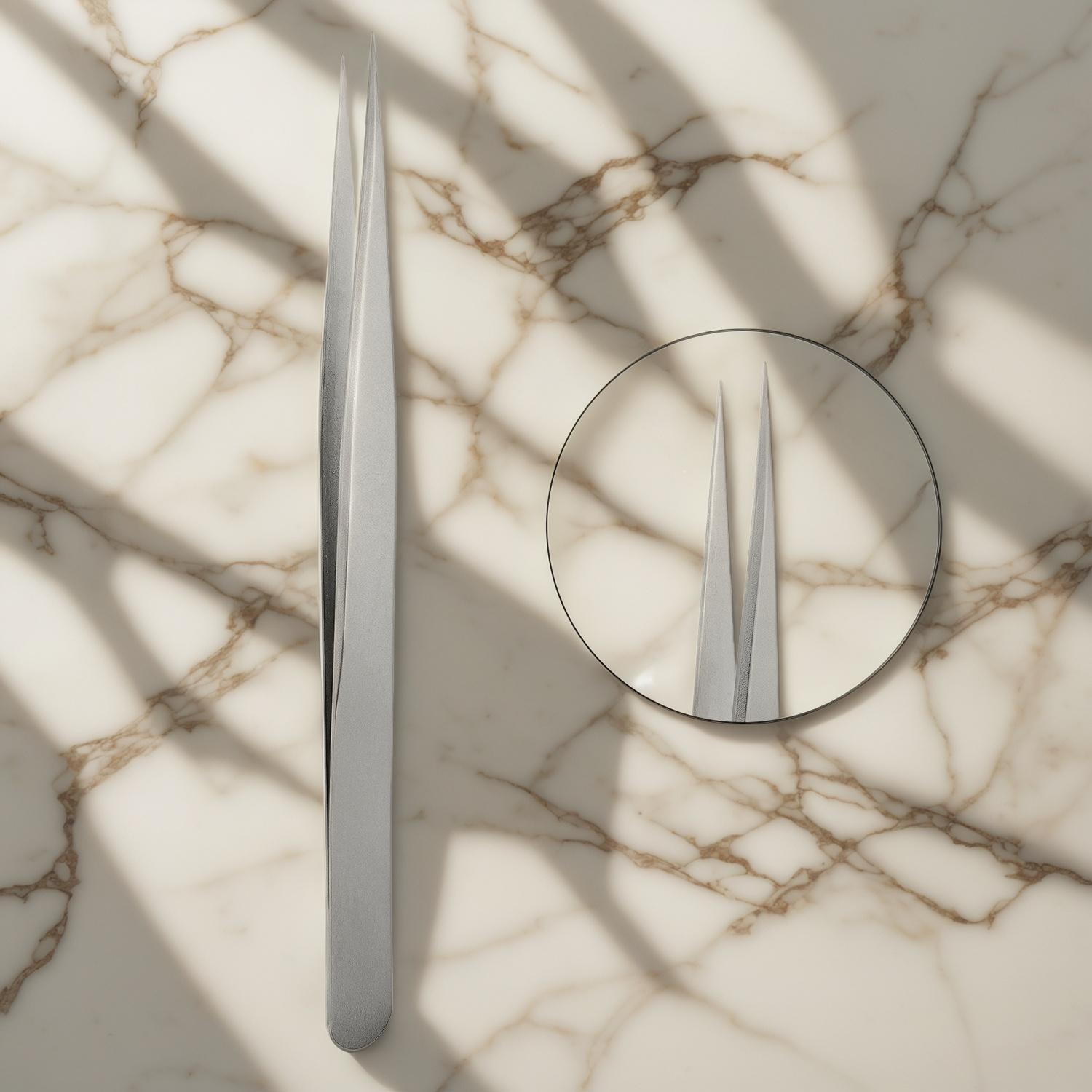
Wholesale Tweezers for Precision Beauty Programs
Wholesale tweezers are small tools, but they carry a large share of the user experience in a beauty kit, salon station, lash service setup or hotel amenity program. A tweezer that pinches unevenly, bends too easily or feels uncomfortable in the hand can make a simple task frustrating. For buyers, the goal is not only to find a low unit price, but to select a tool that suits the intended use, presents well in packaging and performs consistently across bulk orders.
Olimor Beauty works with beauty tool buyers who need practical, reliable grooming tools for different channels. Whether you are comparing a False Lash Tweezer for professional lash application, adding tweezers to a manicure or grooming set, or sourcing compact tools for amenity kits, the purchasing decision should begin with precision, material quality and quality control expectations. This guide explains what to evaluate before placing a wholesale order and how to match tweezer features to real-world use.
Start With the Use Case, Not Only the Shape
Many buyers first compare tweezers by appearance: straight, slanted, pointed, curved or lash-style. Shape matters, but the best starting point is the task the tool must perform. A tweezer for false lash placement needs different balance and tip geometry than a compact grooming tweezer placed in a hotel amenity kit. A salon professional may use the same tool for long sessions, while a retail customer may judge the product by first-touch comfort and visible finish.
Before requesting samples or confirming a bulk specification, define the primary use case. A tweezer used for lash application should offer controlled tension and accurate tip contact so the user can hold delicate lash segments without crushing or slipping. A general grooming tweezer should grip fine hairs cleanly and feel stable in the hand. A manicure-related tool may need to support detailed work near the nail area, where control and visibility are important.
- False lash application: prioritize tip accuracy, ergonomic handling and smooth tension.
- Eyebrow grooming: prioritize aligned tips, clean grip and comfortable spring-back.
- Travel or hotel amenity kits: prioritize safe packaging, compact size and consistent finish.
- Retail beauty sets: prioritize appearance, perceived quality and repeatable batch consistency.
- Salon supply programs: prioritize durability, easy cleaning and professional handling comfort.
Material and Finish Considerations for Bulk Tweezers
The original role of stainless steel in professional beauty tools remains important: it is valued for durability and resistance to corrosion. For wholesale tweezers, material choice affects not only performance but also the product’s life cycle, cleaning method, finish quality and suitability for different markets. Buyers should avoid treating “stainless steel” as a complete specification by itself. The practical questions are how the metal behaves during forming, polishing, finishing and repeated use.
A good tweezer should resist deformation under normal handling. The arms should not feel flimsy, and the spring tension should not fatigue quickly. The finish should be smooth enough for comfortable use, with no sharp edges where the fingers hold the tool. If the tweezer will be supplied in a premium retail kit or hospitality program, the surface finish also influences the brand impression. A clean, even finish signals care; visible scratches, burrs or uneven polishing can undermine confidence before the tool is even used.
For eco-conscious sourcing, buyers may also consider packaging choices and end-of-life sorting. If recyclable grooming tools in bulk are part of your procurement direction, it is useful to evaluate the tweezer material, plastic-free packaging options and how the item will be presented to the end user. Sustainability claims should be based on verifiable choices, not decorative language.
What Precision Really Means in a Tweezer
Precision is often used as a broad marketing word, but in tweezers it can be evaluated in specific ways. The most important point is tip alignment. When the arms are pressed together, the tips should meet evenly. If the tips cross, leave a gap, or touch only at one corner, the tool will struggle to hold fine materials or remove fine hairs cleanly. For lash work, poor alignment can reduce control and increase the chance of damaging delicate lash products.
Grip tension is another key factor. Too much tension can create hand fatigue, especially for salon and lash professionals who work for long periods. Too little tension can feel unstable and reduce control. The ideal tension depends on the product’s intended application, but it should feel predictable from piece to piece within a wholesale batch.
The inside of the tip should also be considered. Some tweezers rely on the shape and contact area of the tips rather than aggressive texture. A cleanly finished contact point helps the tool grip without snagging or marking delicate materials. For a False Lash Tweezer, the relationship between angle, tip length and hand position matters because the user needs to see the application area clearly while placing lashes.
| Feature to Check | Why It Matters | Practical Buying Note |
|---|---|---|
| Tip alignment | Determines whether the tweezer can grip accurately | Check samples with the tips closed under normal hand pressure |
| Spring tension | Affects comfort, control and fatigue | Compare tension across several pieces, not just one sample |
| Edge finishing | Prevents uncomfortable handling and visible defects | Inspect finger contact areas and tip edges |
| Surface finish | Influences perceived quality and packaging presentation | Look for consistent polishing, coating or color treatment |
| Packaging fit | Protects tips and improves shelf or kit presentation | Confirm that tips do not rub, bend or pierce the package |
Wholesale Quality Control: Small Defects Become Large Problems
With tweezers wholesale orders, small inconsistencies can multiply quickly. A single tweezer with misaligned tips may be a minor issue in a sample review, but repeated across cartons it can affect returns, customer complaints and brand reputation. This is why quality control should focus on measurable, repeatable checkpoints rather than general visual approval.
A sensible inspection approach starts with raw material appearance and continues through forming, polishing, tip finishing and packing. Final inspection should include both cosmetic and functional checks. Cosmetic checks look for scratches, stains, uneven finish, rough edges or visible deformation. Functional checks confirm tip alignment, tension, grip and overall symmetry. Packaging checks confirm that each tweezer is protected and that labeling or set assembly is correct.
Buyers can build a simple approval checklist before confirming production. The checklist does not need to be complicated, but it should match the sales channel. A salon supply buyer may be more concerned with long-term handling and repeated cleaning. A retail kit buyer may add stricter cosmetic presentation requirements. A hotel amenity buyer may prioritize clean packaging, compact presentation and consistent guest experience.
Packaging and Presentation for Different Channels
Packaging is not only decoration; it protects the tool and communicates the positioning of the product. Tweezers have fine tips that can be damaged if they move freely during transport. For pointed or angled tools, a protective sleeve, insert, pouch or fitted tray can help reduce tip impact. Bulk-packed tools may suit some professional supply needs, while retail or hospitality programs usually require individual protection and cleaner presentation.
For beauty sets, the tweezer should visually match the other tools in the kit. Color, finish, size and packaging layout should feel intentional. If the tweezer is paired with nail care tools, brow tools or travel grooming items, make sure the product does not look like an afterthought. In hospitality, even a simple grooming tool should support the overall guest impression. A compact, cleanly packed tweezer can make a personal care kit feel more considered.
Olimor Beauty buyers can review broader options through beauty tool products and compare how tweezers fit into wider product collections. When tools are planned as part of a set, evaluating them together often prevents mismatched finishes, inconsistent packaging sizes and unnecessary assembly issues.
Sample Evaluation Before a Wholesale Order
Samples should be tested in the same way the end user will handle the tool. It is not enough to look at the tweezer on a desk. Open and close it repeatedly, grip fine material, check the tip under good light and inspect the surface from multiple angles. If the product is intended for false lash work, test placement movement and visibility. If it is intended for grooming, test whether the tips meet cleanly and hold without sliding.
- Check first impression: finish, symmetry, cleanliness and packaging condition.
- Close the tips slowly: confirm that both sides meet evenly without crossing.
- Test normal pressure: avoid pressing unusually hard, because users will not handle it that way.
- Evaluate comfort: note finger feel, edge smoothness and tension over repeated use.
- Review packaging protection: make sure the tips are secured during shipping and storage.
- Compare multiple samples: consistency is more important than one excellent piece.
Choosing Olimor Beauty for Practical Wholesale Sourcing
Wholesale beauty tool sourcing works best when the discussion is specific. Instead of asking only for “precision tweezers,” define the task, channel, packaging format and quality priorities. A False Lash Tweezer, a grooming tweezer for a travel kit and a professional salon tweezer may all require different details even though they appear similar at first glance.
Olimor Beauty focuses on the practical details behind beauty tools: material selection, ergonomic handling, tip precision, finishing and inspection. For buyers, this means a clearer path from idea to sample review and from sample approval to production planning. The right tweezer should feel controlled in the hand, protect the user’s confidence and support the brand that places it into the market.
If you are building a wholesale tweezer program or adding tweezers to a larger beauty tool set, prepare your preferred use case, packaging needs and quality checklist before starting the conversation. You can send an inquiry for sourcing discussions or contact Olimor to review suitable options for your channel.
Tag: