

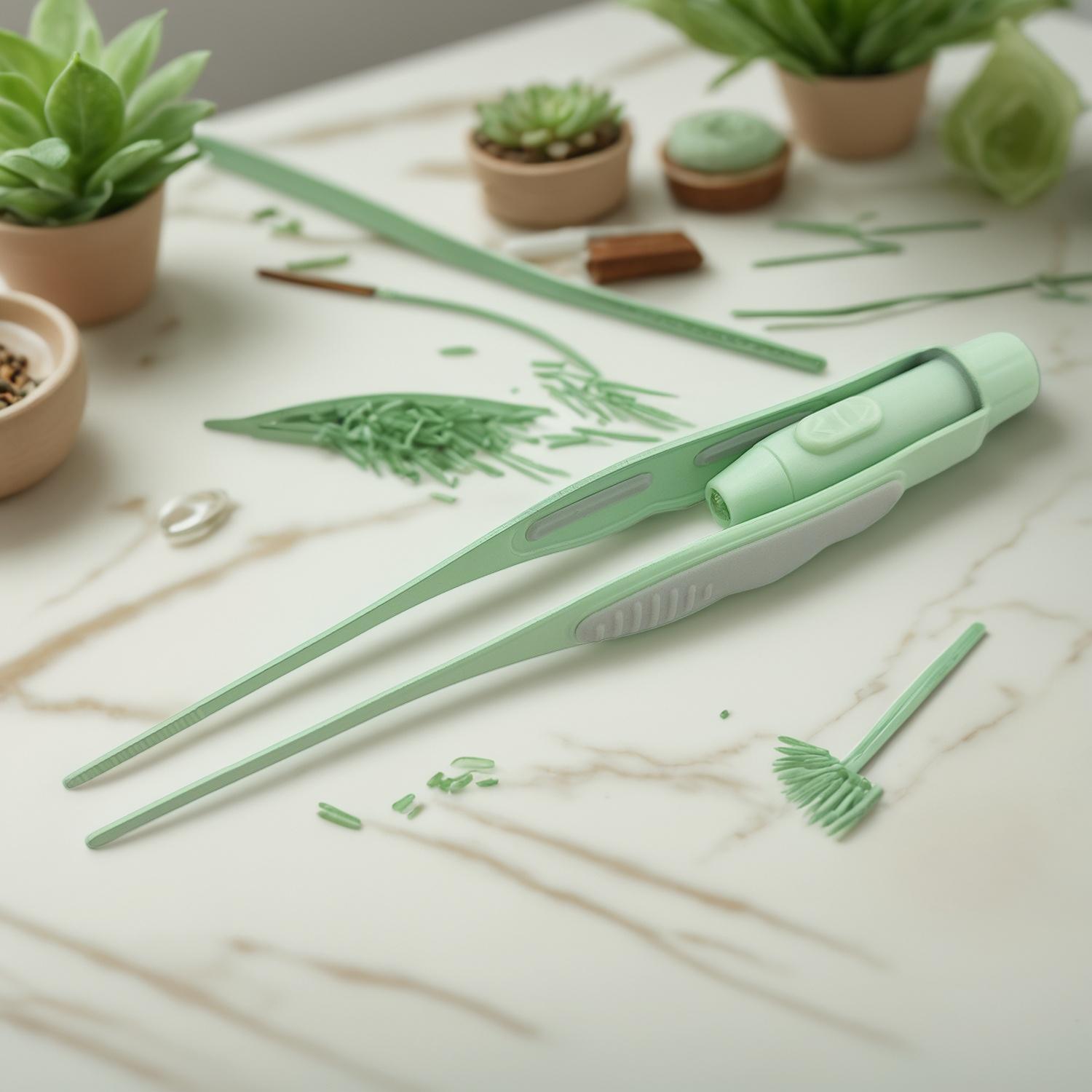
Tweezers Wholesale: How to Source Precision Beauty Tools With Confidence
Wholesale tweezers look simple at first glance, but buyers know that small differences in alignment, grip, finish and packaging can determine whether a tool feels professional or disposable. For beauty retailers, salon suppliers, distributors and private label brands, choosing the right tweezers wholesale partner is not only a purchasing task. It is a product quality decision that affects repeat orders, customer reviews and the credibility of your beauty range.
The best sourcing approach starts with the actual user. A brow artist needs clean tip contact and control. A retail customer wants a tool that feels comfortable and reliable at home. A private label brand needs consistent production and packaging that supports the brand promise. Olimor Beauty focuses on practical beauty tools for these use cases, including precision tweezers and manicure tools for buyers building or expanding a professional assortment. You can browse related beauty tool products to compare categories before planning a wholesale program.
Why Tweezers Quality Matters in Wholesale Beauty Sourcing
In wholesale purchasing, low unit cost can be tempting, but tweezers are judged in the hand. If the tips do not meet evenly, the tool may cut hair instead of gripping it, or fail to remove fine hair at all. If the tension is too stiff, the user tires quickly. If the surface finish feels rough or slippery, the product may be returned or left unused. These small issues become expensive when multiplied across cartons, retail displays or private label launch quantities.
A dependable beauty tools supplier should understand that tweezers are precision items. The buyer should evaluate consistency across samples, not just the best individual piece. Check whether several units from the same sample set have similar alignment, spring tension and tip finish. For professional and retail channels, consistency is often more important than a dramatic feature that cannot be repeated reliably in production.
Key Selection Criteria for Wholesale Tweezers
When comparing suppliers or preparing a sourcing brief, define the performance requirements before discussing packaging or branding. The following checklist helps purchasing teams evaluate tweezers in a structured way:
- Tip alignment: The two tips should meet cleanly and evenly without gaps, twisting or misalignment.
- Grip performance: Test on fine hair or similar thin fibers to see whether the tweezers hold firmly without excessive pressure.
- Hand comfort: The body should allow stable control and should not create sharp pressure points during repeated use.
- Surface finish: Inspect for burrs, rough edges, uneven coating, discoloration or visible scratches.
- Spring tension: The squeeze should feel controlled, neither too loose nor uncomfortably stiff.
- Protective packaging: Tips should be protected during shipping and retail handling to preserve alignment.
- Batch consistency: Review multiple pieces from a sample batch rather than judging a single selected unit.
For brands selling to salons, brow specialists or beauty professionals, it is also useful to test the tool during a complete service workflow. A tweezer may feel acceptable for a quick trial but become less comfortable after repeated hair removal. That is why ergonomic design and production consistency should be assessed together.
Matching Tweezer Types to Your Sales Channel
Not every wholesale buyer needs the same assortment. A professional supplier may want fewer styles with strong repeat demand, while a retail brand may need a broader set that explains clear consumer benefits. Before placing an order, decide which role tweezers will play in your range.
| Buyer type | Useful focus | What to evaluate |
|---|---|---|
| Salon and brow supply | Precision, comfort and durability | Tip contact, tension and grip on fine hair |
| Beauty retail | Clear customer benefit and attractive presentation | Packaging, instructions and visible finish quality |
| Private label brand | Brand fit and repeatable production | Customization options, sample consistency and packaging structure |
| Distributor | Reliable assortment and simple reordering | Category coverage, carton protection and quality control process |
This channel-based approach prevents overbuying novelty items while missing the core tools that customers reorder. It also helps you create a focused brief when you send an inquiry for wholesale tweezers or related manicure tools.
What to Expect From a Professional Beauty Tools Supplier
A capable supplier should support more than a product photo and a price quote. Buyers need evidence that the supplier understands inspection, sampling and category requirements. In the original product discussion, Olimor Beauty highlights internal inspections throughout production and attention to quality assurance. For buyers, this is a useful starting point: request sample evaluation, confirm the inspection points that matter to your market and define acceptable limits for visible defects or functional issues.
Quality control for tweezers and manicure tools should cover raw material inspection, forming or shaping accuracy, surface finishing, final alignment and packaging protection. You do not need to manage every factory detail yourself, but you should know which checkpoints affect performance. For example, final tip alignment should be checked after finishing and before packaging, because polishing, coating or handling can affect the tool’s working edge.
Communication is another selection factor. A supplier that answers clearly, provides organized samples and confirms details in writing is easier to work with when your range expands. If your business is comparing multiple categories, review Olimor’s product collections to understand how tweezers can sit alongside other beauty and manicure tools in one sourcing plan.
Innovation Without Losing Practical Performance
Beauty tool buyers often want something distinctive, especially for retail shelves or branded gift sets. Innovation can be valuable when it solves a real user problem. Olimor Beauty’s IllumiEar-Tweezers, described with a built-in LED light and precision-aligned tips, is an example of a feature-led tool designed for better visibility and control. For wholesale buyers, the key is to judge whether an innovative feature supports the intended use and whether it remains practical after repeated handling.
When reviewing feature-driven tweezers, test them in realistic conditions. Is the added function easy to understand? Does it interfere with grip or balance? Does the packaging explain the benefit clearly? Can the product be displayed or stored without damaging the working tips? A tool that attracts attention but fails in everyday use will not build repeat sales.
Innovation can also be quieter: a better protective cap, a more comfortable grip profile, a cleaner retail pack or a more consistent finish. These improvements may not sound dramatic, but they can reduce complaints and improve perceived value.
Private Label Manicure Tools and Brand Differentiation
For businesses building their own product line, private label manicure tools create a stronger brand presence than reselling anonymous items. A private label program can support retail stores, e-commerce beauty brands, salon chains and distributors that want a consistent look across multiple tools. The important step is to separate brand customization from product performance. Logo placement and packaging matter, but the tool must first pass functional testing.
When preparing a private label tweezer or manicure tool project, create a concise product brief. Include the intended sales channel, preferred finish direction, packaging expectations, quality priorities and target user. Avoid vague requests such as “premium quality” without explaining what premium means for your market. It may mean smoother finishing, stronger tip protection, better display packaging or a more controlled hand feel.
Buyers sourcing from a manicure tools exporter in Guangdong or another manufacturing hub should also plan approval stages carefully. Confirm samples before packaging artwork is finalized. Keep an approved reference sample for future comparison. Define how changes will be reviewed if a material, finish or packaging component needs adjustment. These basic controls help maintain consistency as your brand grows.
Practical Maintenance and Consumer Guidance
Wholesale buyers should think beyond the sale. Simple care instructions can reduce misuse and returns, especially for consumer retail products. Tweezers perform best when the tips stay clean, dry and protected. Packaging inserts, back-card notes or online product pages can explain how to store the tool and avoid damaging the aligned edges.
- Keep the tip area clean after use and remove residue gently.
- Dry the tool before storage to help preserve the finish.
- Use the protective cap or case when available to prevent tip damage.
- Avoid dropping tweezers onto hard surfaces, as impact may affect alignment.
- Use the tool for its intended grooming purpose rather than as a general household tool.
These instructions are not complex, but they help customers understand that precision tools need reasonable care. For private label brands, clear usage and maintenance guidance also makes the product feel more professional.
Buyer Questions Before Placing a Wholesale Order
Before confirming a tweezers wholesale order, gather the details that directly affect product success. Useful questions include: What sample options are available for review? Which inspection points are used for tip alignment and surface finish? How are tips protected in individual and bulk packaging? What customization options are realistic for logo, finish or retail packaging? How should approved samples be documented for future production comparison?
It is also wise to consider the full assortment. Tweezers may be the entry point, but many buyers need complementary manicure tools, grooming accessories or beauty tool sets. A supplier that can support related categories may simplify communication and make your product range more cohesive. If you are planning a new line or comparing wholesale options, you can contact Olimor with your category goals and target market.
Good wholesale sourcing is not about finding the cheapest tweezer. It is about choosing tools that meet user expectations, arrive protected, support your brand and can be reordered with confidence. By evaluating alignment, comfort, finish, packaging and supplier process, beauty businesses can build a tweezer program that feels professional from first sample to final customer use.
Tag: