

Tweezers Wholesale Guide for Lash, Manicure and Hospitality Buyers
Wholesale tweezers are small beauty tools, but they influence service quality, retail reviews and the way customers judge a brand. For lash technicians, a tweezer that does not close cleanly can slow every application. For manicure and grooming use, rough finishing or uneven tension can make a basic task feel unprofessional. For hospitality amenities, a durable grooming tool can communicate care more effectively than a weak disposable accessory.
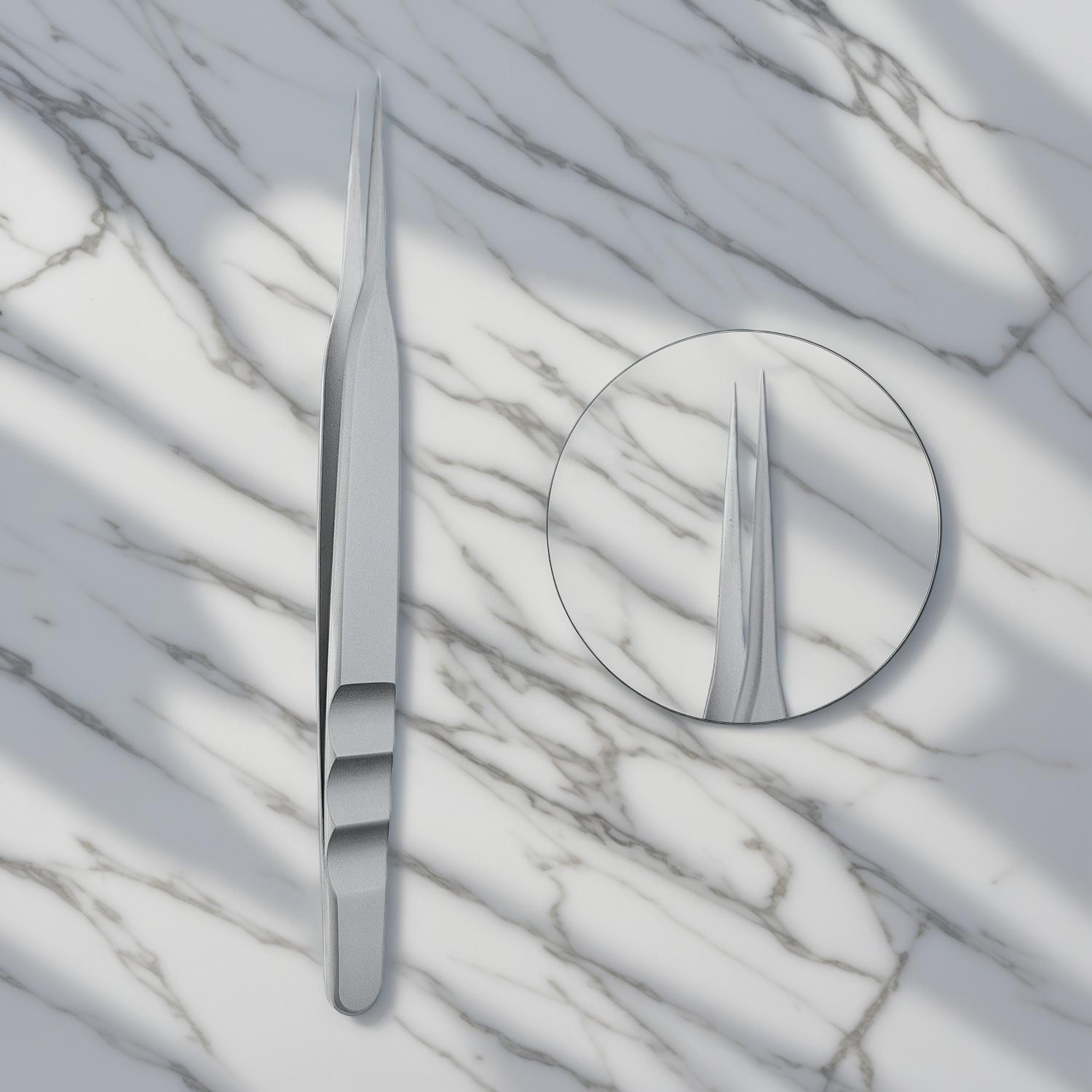
The best wholesale tweezer decision is not simply the lowest unit cost or the shiniest finish. Buyers should evaluate the working tip, stainless steel quality, hand comfort, surface finishing, packaging suitability and batch consistency. Olimor Beauty supplies practical beauty tools for professional, retail and hospitality channels, including a stainless steel False Lash Tweezer designed with precisely aligned, contoured tips for controlled lash application.
This guide explains how to choose tweezers wholesale for lash studios, manicure services, beauty retailers, private label programs and hotel amenity projects without overbuying, under-specifying or relying only on appearance.
What Makes a Wholesale Tweezer Professional?
A professional tweezer performs consistently at the point of use. The arms may look polished, but the tip determines whether the tool can grip, place, remove or separate tiny items with control. In lash work, the tips must meet accurately so a technician can pick and position fine lash fibers without crushing or dropping them. In manicure and grooming settings, clean alignment helps with small-detail handling and personal care tasks. In hospitality, the tool should feel safe, clean and dependable enough to reflect the property’s service standard.
When reviewing tweezers for bulk purchase, buyers should test more than one sample. A single perfect sample is not enough for a salon chain, distributor or private label launch. The real commercial question is whether the same closing feel, tip contact and surface finish can be repeated across a larger order.
Olimor Beauty’s supplied False Lash Tweezer is made from stainless steel and described with precisely aligned, contoured tips. Those details are relevant because tip accuracy and material choice affect the user’s first impression, repeat service performance and the perceived value of the product line.
Key Selection Criteria for Tweezers Wholesale
Before comparing suppliers, define the intended use. A lash artist may need a specialized tip shape for placement and separation. A salon retailer may need a more general grooming tweezer with attractive packaging. A hotel amenity buyer may prioritize durability, safe finishing and compact protection. The following criteria help separate a low-value accessory from a professional beauty tool.
- Tip alignment: The two tips should meet evenly without visible gaps, twisting or offset contact. Poor alignment causes slipping and forces the user to squeeze harder.
- Tip shape: Straight, angled, pointed and contoured tips serve different tasks. Lash application benefits from shapes that support controlled picking, placement and release.
- Grip pressure: The tweezer should close with controlled tension. If it is too stiff, users may experience hand fatigue; if it is too soft, the grip may feel insecure.
- Tip thinness and stability: Ultra-thin tips can help with false lash handling and precise grooming, but they should still feel stable rather than fragile.
- Material choice: Stainless steel is widely used for beauty tools because it supports durability, a clean appearance and long service life when properly maintained.
- Surface finishing: Edges should feel smooth and safe. Rough finishing affects comfort and can lower the perceived quality of a retail product or amenity kit.
- Ergonomics: A comfortable grip matters for professionals who repeat the same movement many times each day.
- Packaging compatibility: Confirm that the protection, presentation and format suit retail display, salon back bar use, travel kits or hotel amenity programs.
- Batch consistency: Inspect several units for the same closing action, alignment, finish and grip feel before scaling an order.
Comparison Table: Matching Tweezer Features to Buying Scenarios
| Buying scenario | Most important features | What to check before ordering | Common risk to avoid |
|---|---|---|---|
| Lash studio or lash training school | Precisely aligned tips, suitable tip shape, controlled tension, comfortable grip | Test with fine lash fibers, check grip and release from different angles, compare several samples | Choosing by appearance only and missing tip misalignment |
| Manicure or grooming service | Smooth finish, reliable closing pressure, stable stainless steel construction | Confirm edges are safe, tension feels consistent and the tool supports small-detail handling | Using a delicate lash-specific tool where a more general grooming shape is needed |
| Retail beauty assortment | Clean appearance, consistent finish, packaging readiness, clear product positioning | Review product protection, display needs and how the tweezer fits with other beauty tools | Launching a product that looks premium but feels inconsistent in hand |
| Hotel or travel amenity kit | Safe finish, simple use, protective packaging, dependable feel | Assess guest usability, kit fit and whether the product reflects the service level | Over-specifying a specialized lash tweezer for a general grooming kit |
| Private label program | Repeatable quality, appropriate finish, packaging alignment, supplier communication | Confirm customization options, sample review process and inspection expectations | Finalizing branding before confirming product performance |
False Lash Tweezers for Salons and Lash Artists
Lash professionals need tools that support both accuracy and rhythm. During application, the tweezer must pick up fine lash fibers, hold them securely and release them cleanly. If the tip contact is uneven, the technician may compensate with extra pressure, slower movement or repeated corrections. Over a long working day, that can affect comfort and consistency.
For lash-focused wholesale buying, start with the working end. Check whether the tips close evenly along the contact area. Pick up fine lash fibers rather than only testing the tool in the air. Rotate the tweezer slightly and confirm the grip remains predictable from realistic working angles. A visual inspection is useful, but it cannot replace a practical application test by someone familiar with lash work.
Olimor Beauty’s False Lash Tweezer is crafted from stainless steel and features precisely aligned, contoured tips. That combination supports controlled lash handling and gives buyers a practical benchmark when comparing precision lash tools. Buyers exploring a broader professional assortment can review Olimor’s beauty tool products to compare tweezers with related grooming and salon items.
Manicure, Grooming and Retail Applications
Tweezers are not limited to lash services. Manicure stations, brow grooming areas, retail kits and personal care sets can all use a reliable tweezer. The difference is that the buyer should match the tool to the expected user instead of assuming one tweezer suits every channel.
For manicure and grooming services, a tweezer may assist with small-detail handling, grooming tasks or kit completeness. Clean finishing, reliable tension and safe edges are often more important than highly specialized lash geometry. For salon retail, the product also needs to communicate quality quickly. Customers often judge metal beauty tools by weight, surface finish, closing action and packaging presentation.
Retail buyers should also consider how tweezers sit beside nail clippers, grooming accessories and other personal care tools. A consistent assortment can make procurement easier and help maintain a unified quality level. Olimor’s broader beauty tool collection can help buyers plan related products around a cohesive retail or professional service range.
Hospitality Amenities and Guest Experience
Hotels, resorts and serviced apartments often want amenity items that feel practical, clean and aligned with the property’s service promise. A stainless steel grooming tool can feel more substantial than a disposable alternative, especially in higher-touch guest experiences. The tool does not need to be overdesigned, but it should be dependable and comfortable for occasional use.
For hotel amenity beauty tools, focus on safe finishing, simple handling and protective packaging. The tweezer should fit the kit format and be easy for a guest to understand without instruction. If the property is building a grooming kit, travel kit or premium amenity set, the tweezer’s finish and packaging should match the rest of the presentation.
Hospitality buyers should also think about replacement planning. A durable stainless steel tool may support a more considered sourcing strategy than repeatedly purchasing weak items that disappoint guests. However, sustainability should be assessed through practical factors: material durability, packaging needs, inventory planning and end-of-life handling where applicable.
Stainless Steel, Durability and Responsible Purchasing
Stainless steel is a strong choice for many beauty tools because it offers durability, a professional appearance and stable performance when properly maintained. For tweezers, the value of stainless steel is not only surface shine. It is the ability to remain functional through repeated handling, storage and use when the tool is cared for appropriately.
The supplied Olimor False Lash Tweezer uses stainless steel. This material choice also supports recyclability, which may matter to buyers building a responsible purchasing policy. Still, sustainability claims should not be treated in isolation. A poorly made tool that requires frequent replacement is rarely the better decision. A practical procurement plan considers product lifespan, material durability, packaging protection and realistic reorder planning.
For companies with internal compliance or sourcing systems, public frameworks such as ISO 9001 for quality management and ISO 14001 for environmental management may be useful reference points when evaluating suppliers. Buyers should verify the applicable version, request supplier documentation where relevant and avoid assuming certification unless it is specifically provided and current.
Private Label Tweezers and Customization Planning
Private label tweezers can help retailers, salons and emerging beauty brands build a more complete product offering. A tweezer may be sold alone, included in a false lash kit, paired with manicure tools or positioned as part of a professional service supply range. The key is to make brand decisions after the tool’s function is confirmed.
Start by defining the target user. A lash professional may care most about tip control and hand comfort. A retail customer may compare packaging, finish and ease of use. A distributor may need consistency across several SKUs. A hotel buyer may prioritize safe use, compact packaging and presentation within an amenity set.
Customization planning should include product finish, packaging format, logo or label requirements, protective sleeves or cases where applicable and carton-level needs for distribution. Do not finalize artwork before samples are reviewed. The product should first meet the performance expectation for its channel; branding should then reinforce that value.
Buyers can contact Olimor Beauty through the wholesale inquiry page to discuss product selection, private label direction and packaging requirements based on the intended sales channel.
Quality Checks Before Approving a Wholesale Order
Wholesale tweezer inspection should be simple, repeatable and focused on real use. The goal is to catch problems before a product reaches technicians, retail customers or hotel guests. A practical check can be performed during sample approval and again during order review.
- Visual inspection: Look for obvious tip gaps, twisted tips, rough edges, scratches or inconsistent finishing.
- Closing test: Open and close the tweezer several times to feel whether tension is controlled and repeatable.
- Tip contact check: Confirm that the tips meet evenly and hold fine material without slipping.
- Comfort check: Hold the tweezer for a realistic period and test whether the grip surface and spring tension feel comfortable.
- Surface safety check: Run a careful touch inspection along the grip area and edges to confirm there are no rough points.
- Packaging review: Confirm that the tool is protected during handling and that the packaging fits the intended retail, salon or amenity channel.
- Batch comparison: Compare multiple pieces, not just one sample, to assess consistency.
For professional lash tweezers, include a real application-style test. Pick up fine lash fibers, place and release them, and ask an experienced user to evaluate the closing point. For general grooming or hospitality tweezers, focus on safety, ease of use and dependable feel.
Cost Factors in Wholesale Tweezer Buying
Wholesale tweezer cost depends on more than the metal tool itself. Buyers should assess total sourcing value rather than only unit price. Important cost factors include material choice, tip precision, finishing quality, packaging complexity, customization requirements, inspection expectations, order planning and freight or storage considerations.
A lower-cost tweezer can become expensive if it leads to returns, service complaints, damaged retail perception or inconsistent guest feedback. Conversely, an over-specified tool may not be necessary for a simple amenity kit. The best buying decision matches tool performance to the user’s need.
For B2B purchasing teams, a useful question is: what level of precision, packaging and presentation does this channel genuinely require? A lash studio may need a more specialized tool. A manicure kit may need a balanced grooming option. A hotel amenity set may need a safe, durable and well-protected item. Clear use-case planning prevents both underbuying and unnecessary specification.
How to Evaluate a Tweezers Supplier
A reliable tweezers supplier should help buyers connect product features with business requirements. Good supplier evaluation is practical: ask how samples are handled, what customization options are available, how quality checks are discussed, and whether the supplier understands the difference between lash, manicure, retail and hospitality use cases.
When speaking with a supplier, prepare your expected channel, target user, packaging needs and any private label requirements. Ask for samples when appropriate and review them with the same criteria you will use for future orders. If internal purchasing policies require documentation, ask early and verify details before approval.
Olimor Beauty works with business buyers seeking beauty tool solutions for professional and retail channels. To discuss a tweezer program or related beauty tools, buyers can use the Olimor contact page with information about the intended application, packaging direction and quality expectations.
FAQ: Wholesale Tweezers for B2B Buyers
Can I request samples before placing a wholesale tweezer order?
Sample review is strongly recommended because tip alignment, tension, finish and comfort are difficult to judge from images alone. Buyers should confirm sample availability and review steps with the supplier before committing to a larger order.
What MOQ should I expect for private label tweezers?
MOQ depends on the product, customization level, packaging format and supplier arrangement. Buyers should request current MOQ details directly and avoid planning around assumed quantities.
Can tweezers be customized for retail or salon branding?
Customization may involve packaging, presentation, labeling or other brand requirements depending on the project. The product should be tested and approved first, then branding and packaging can be aligned with the intended sales channel.
What quality checks matter most before shipment?
The most important checks are tip alignment, closing tension, surface finish, edge safety, packaging protection and consistency across multiple units. Lash tweezers should also be tested with fine lash fibers in realistic use conditions.
How should buyers discuss lead time?
Lead time can vary by order scope, customization and production planning. Buyers should provide product requirements, packaging needs and approval steps early so the supplier can give a realistic schedule without assumptions.
Tag: