

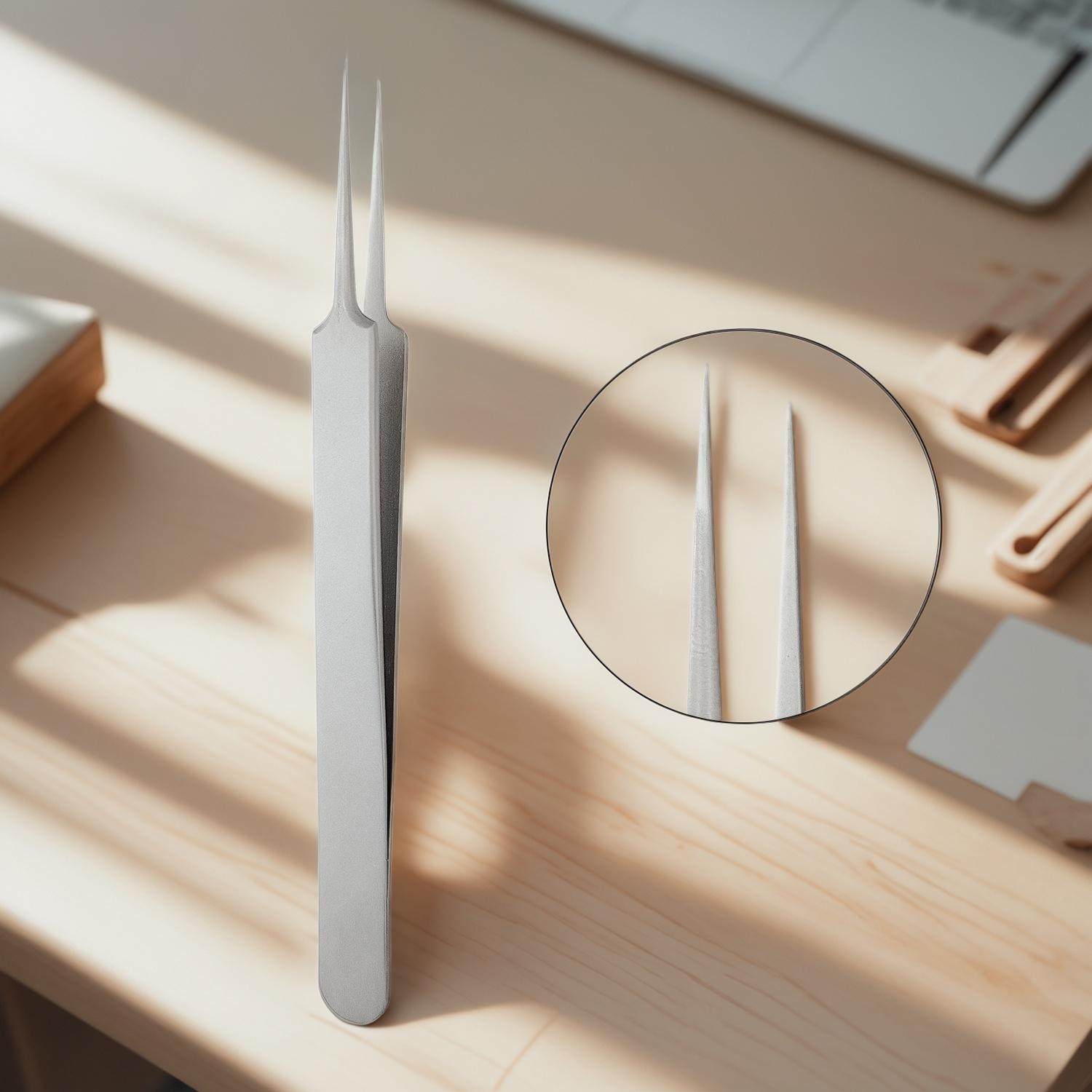
Tweezers Wholesale: What Beauty Brands Should Look for in Precision Tools
Tweezers may be small, but they carry a large share of the customer experience in brow care, lash application, skincare preparation and personal grooming. For beauty retailers, distributors, salons and private label brands, buying tweezers wholesale is not simply a matter of choosing a shape and placing an order. The best purchasing decisions consider tip alignment, grip comfort, finish durability, packaging needs and the end user’s expectations for professional-grade home care.
Consumer demand has shifted toward tools that feel precise, hygienic and long lasting. A buyer who once accepted disposable or low-cost accessories now compares tension, balance and edge quality. This is especially important for brands selling beauty tools online, where reviews often mention whether a tweezer can grip fine hair, whether the tips meet cleanly and whether the surface stays attractive after repeated use. Olimor Beauty works in the beauty-tools category, so wholesale buyers can use the same practical criteria below when comparing beauty tool products and building a focused sourcing plan.
Why Professional-Grade Home Care Is Driving Tweezer Demand
The growth of at-home beauty routines has changed the role of tweezers. They are no longer treated as a basic add-on in a manicure kit or cosmetic bag. Customers use them for detailed brow shaping, applying small beauty accessories, removing visible stray hairs and supporting skincare routines. That means the tool must perform with consistency even in non-professional hands.
For wholesale buyers, this trend creates two priorities. First, the tweezer should be easy to control. An overly stiff tool can make fine work tiring, while a loose tool may feel unstable. Second, the gripping area should be accurate enough for common daily tasks. A tweezer that misses fine hair or pinches the skin can quickly damage a brand’s reputation.
When reviewing samples, do not judge only by appearance. Hold the tool as a customer would, check how the arms spring back and test whether the tips meet evenly from point to base. A clean, even closure is often more important than a decorative finish. For retailers selling to brow-focused customers, precision is the product benefit. For spa, salon or skincare channels, hygiene, durability and repeatable performance become equally important.
Key Tweezer Types and Where They Fit
Different tweezer shapes serve different use cases, and a strong wholesale assortment may include more than one option. The right mix depends on whether the customer is a professional, an everyday grooming user, a beauty gift buyer or a private label brand building a kit.
| Tweezer style | Typical use | Wholesale selection focus |
|---|---|---|
| Slant tip | General brow shaping and daily grooming | Even tip closure, comfortable tension and a non-slip grip area |
| Point tip | Very fine detail work and precise picking | Symmetry, sharpness control and protective packaging for the tip |
| Flat tip | Gripping wider surfaces or short visible hairs | Flat contact area, smooth edges and consistent arm alignment |
| Angled or specialty tip | Lash, nail or skincare accessory handling | Task-specific shape, balance and customer instruction clarity |
This type of comparison helps buyers avoid a common mistake: choosing a tweezer only because it looks attractive in photos. A slim point tip may look premium, but it may not suit a beginner brow customer. A classic slant tip may be more versatile for retail packs, while a pointed or specialty version may be better for professional kits or targeted skincare assortments.
Precision Details That Separate Average Tools from Better Ones
In wholesale tweezers, quality is found in small details. A polished finish or attractive color is useful for retail appeal, but performance comes from the geometry of the tips and the feel of the body. Buyers comparing samples should look closely at several measurable and observable features.
- Tip alignment: The two tips should meet cleanly without crossing, twisting or leaving a visible gap.
- Edge smoothness: Edges should not feel rough against the skin. Sharp precision is useful, but uncontrolled burrs are not.
- Grip tension: The tweezer should close with controlled pressure and reopen smoothly without feeling weak.
- Body balance: The tool should not feel too top-heavy or slippery during fine work.
- Surface finish: Matte, polished or coated finishes should be evaluated for appearance, handling and suitability for the target price tier.
- Tip protection: Pointed or fine tips need secure packaging to prevent damage during shipping, storage and display.
For brands selling through ecommerce, these points also help create stronger product pages. Rather than relying on broad claims, descriptions can explain the tool’s intended use, handling feel and care recommendations. This reduces mismatched expectations and supports more confident purchasing.
Private Label and Customization Considerations
Private label manicure and beauty tools remain an important trend because brands want product lines that feel consistent from packaging to customer experience. Tweezers are a practical starting point for private label programs because they can be included in brow sets, skincare kits, nail tool assortments or travel grooming packs.
Customization can include visible branding, packaging format, finish choice or assortment planning. However, buyers should approach private label decisions in a structured way. A logo on a tool cannot compensate for weak tip alignment or poor packaging. Start with the core tool performance, then decide how the product should look and be presented.
A useful private label review process includes:
- Define the target customer and primary use case, such as brow grooming, travel grooming or professional retail support.
- Compare sample styles for tip accuracy, tension and comfort before finalizing color or packaging.
- Review how the tool will be stored, displayed and shipped, especially if the tips are fine or pointed.
- Prepare clear care instructions so the customer understands cleaning, drying and safe storage.
- Check whether the final pack supports the brand’s price position without overcomplicating the product.
Wholesale buyers can explore broader product collections to see how tweezers might fit with nail tools, skincare accessories or grooming items, then create a more coherent retail offer.
Sustainability: Durable Tools Over Disposable Thinking
Sustainability in beauty tools is often less about dramatic claims and more about responsible product life. A durable tweezer that stays usable over time can reduce the need for frequent replacement. This is why stainless steel tools are often favored in the category: they can provide strength, stability and a cleanable surface when designed and maintained properly.
For wholesale sourcing, sustainability should be evaluated through practical questions. Is the tool built for long-term use? Is the packaging appropriate without being excessive? Can the customer clean and store the tweezer easily? Does the product encourage responsible ownership rather than quick disposal?
Packaging choices matter as well. A protective sleeve, recyclable carton or compact retail pack may be more useful than bulky decoration if it protects the tips and communicates the product clearly. The best option depends on the sales channel. A salon distributor may prefer efficient protective packaging, while a retail brand may need a stronger shelf presentation. In both cases, the package should help the tool arrive in good condition and guide the customer on proper use.
Quality Checks Before Placing a Wholesale Order
A disciplined sample review can prevent costly issues after production. Before moving forward with a wholesale tweezer order, create a checklist that covers both user experience and commercial requirements. This does not need to be complicated, but it should be consistent across all suppliers and samples.
- Test several pieces, not just one sample, to see whether the tension and tip closure are consistent.
- Check the tips under good lighting for gaps, uneven edges or visible deformation.
- Hold the tool with dry and slightly moisturized hands to judge grip comfort.
- Confirm whether the selected packaging protects the tips during transport.
- Review any printed instructions, warnings or care text for clarity and accuracy.
- Make sure the product positioning matches the channel: budget retail, professional supply, gift set or premium private label.
- Keep an approved reference sample for comparison with future deliveries.
These steps are especially important when buying multiple styles for one product line. A brand may accept a slightly different hand feel between a slant tip and a point tip, but it should not accept inconsistent closure within the same style. Consistency is what turns a basic beauty accessory into a dependable wholesale product.
How to Build a Strong Tweezer Assortment
A well-planned tweezer range should not be crowded with too many similar items. Instead, each product should have a clear role. For a general beauty retailer, one dependable slant tweezer may serve as the core item, supported by a point tip for detail work and a packaged set for gifting or travel. For a professional channel, the focus may shift toward precise handling, easy cleaning and repeat purchase reliability.
Think about how the customer will compare options. If two tweezers look almost identical but have different prices, the difference must be easy to explain. It may be the finish, packaging, intended use or inclusion in a kit. Clear positioning helps sales teams, ecommerce listings and end customers understand why each option exists.
For buyers preparing a new line, it can be helpful to map each product against three questions: What task does it solve? Who is it for? Why would the customer choose it over another tweezer? If the answer is unclear, the assortment may need simplification.
Choosing a Wholesale Partner for Precision Beauty Tools
The right wholesale relationship should support practical decision-making, not just product selection. When discussing tweezers, provide the intended sales channel, target user and packaging expectations. A beauty tool for a professional brow service environment may require different priorities than a low-profile retail accessory sold in a travel kit.
Olimor Beauty focuses on beauty tool supply, and buyers can use the guidance above to evaluate options with a performance-first mindset. If you are planning a tweezer line, comparing tool styles or preparing a private label beauty accessory program, you can send an inquiry with your intended use case and product direction. For broader sourcing discussions, you can also contact Olimor.
Wholesale tweezers succeed when precision, comfort, durability and presentation work together. By reviewing samples carefully, matching styles to real customer needs and treating packaging as part of the product experience, beauty brands can build tweezer assortments that feel useful, reliable and commercially clear.
Tag: