

Tweezers Wholesale Sourcing for Precision Lash and Beauty Tools
Wholesale tweezers are small items, but they can have a large effect on how customers judge a beauty tool line. A tweezer that feels balanced, grips cleanly, and keeps its tip alignment after repeated use can support a professional brand image. A tweezer that slips, bends, or arrives with uneven tips can quickly create complaints, returns, and lost trust.
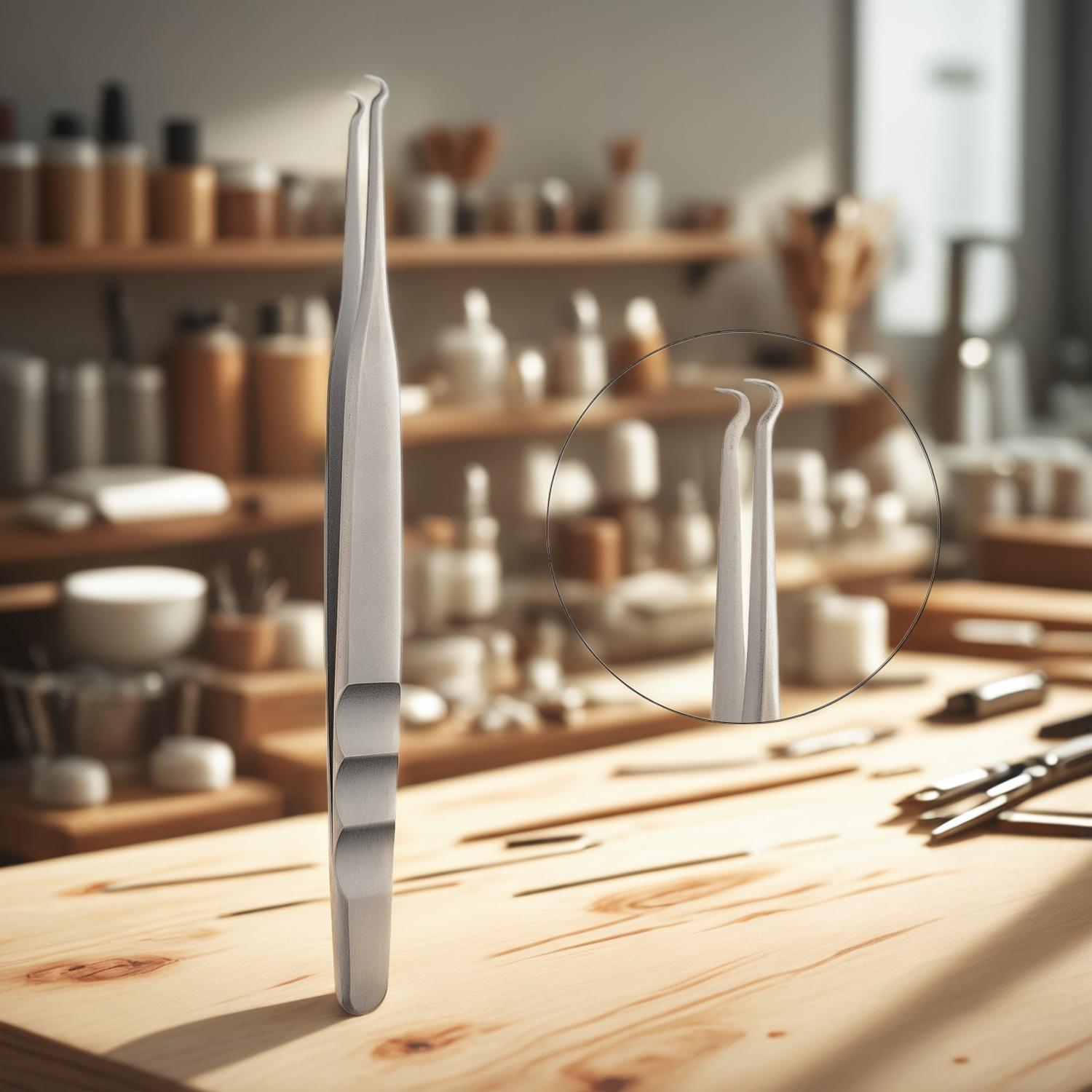
For beauty brands, salon distributors, lash suppliers, manicure tool sellers, and online retailers, sourcing tweezers is not just a matter of choosing a shape from a catalog. The buyer needs to consider how the tool will be used, what level of precision the user expects, how the product will be inspected, and whether the supplier can support consistent repeat orders. This is especially important for precision products such as the Precision False Lash Tweezer, where curved tips, stainless steel construction, and ergonomic grooves all contribute to the user experience.
This guide explains what to evaluate when buying tweezers wholesale, how to compare product details, and what questions to prepare before placing a bulk order with a beauty tools supplier.
Why Wholesale Tweezers Need More Than a Basic Price Comparison
At first glance, tweezers can look similar across suppliers. Many are made from metal, have two arms, and are sold in compact packaging. The important differences are often found in the details: the tip finish, spring tension, surface smoothness, weight distribution, and consistency from piece to piece.
Professional users and experienced beauty consumers notice these details quickly. Lash artists need controlled placement when applying false lashes. Brow technicians need dependable grip for fine hair. Nail and beauty retailers need tools that look clean and feel reliable when customers handle them. If the tweezer does not close evenly or requires too much pressure, it may feel low quality even if the exterior design is attractive.
Wholesale buyers should therefore avoid focusing only on the lowest unit cost. The more useful comparison is total product value: how the tweezer performs, how it is packaged, how defects are controlled, and whether the design suits the intended sales channel. A product that costs slightly less but produces higher complaints may be more expensive in the long run.
Matching Tweezer Design to the Intended Use
Different tweezer shapes support different tasks. A buyer sourcing for lash application may prioritize curved tips and easy visibility around the eyelid. A brow-focused line may need slanted tips that grip fine hairs. A manicure or grooming assortment may need a broader selection for detail work. Before choosing a wholesale product, define the primary customer and the main use case.
The Precision False Lash Tweezer illustrates how design supports a specific task. Its curved tips are designed to follow the natural contour of the eyelid, helping users place lashes with more control. Stainless steel construction supports durability, while ergonomic grooves provide a non-slip grip during detailed work. These features are relevant because lash application requires both accuracy and steadiness; a slippery or poorly aligned tool makes the process harder.
When reviewing options from beauty tool products, buyers can use the following checklist to match design with demand:
- Lash application: curved or angled tips, clear visibility at the application point, controlled grip, and comfortable hand positioning.
- Brow grooming: precise closing tips, stable tension, and a shape that can capture fine or short hairs without cutting them.
- General beauty kits: durable construction, simple handling, and packaging that explains the tool's purpose clearly.
- Salon or professional retail: consistent finish, reliable tip alignment, and a design that withstands frequent use.
- Private label programs: surface finish, packaging space, and product presentation that match the brand's positioning.
Material, Tip Alignment, and Grip: Key Quality Points
Stainless steel is commonly valued in beauty tools because it offers strength, a clean appearance, and suitability for repeated handling. However, the material alone does not guarantee a good tweezer. Tip alignment and finishing are just as important. If the tips do not meet evenly, the tool may fail to grip fine materials. If the edges are rough, the tool can feel uncomfortable or damage delicate items such as false lashes.
For wholesale evaluation, request clear product samples and inspect them under normal working conditions. Do not test only by opening and closing the tweezer once. Use it as a customer would: hold it for several minutes, pick up thin lash fibers or small beauty accessories, and check whether the grip remains controlled. Consistency matters. One good sample is not enough if the larger shipment varies widely.
Ergonomic grooves can make a meaningful difference, particularly for users who perform repetitive beauty tasks. Grooves or textured grip areas help reduce slipping and can improve confidence when working close to the eye. The goal is not simply to add decoration; the grip feature should support real control.
Wholesale Buyer Checklist for Supplier Evaluation
A reliable supplier relationship depends on more than product appearance. Buyers should evaluate communication, sampling, inspection standards, packaging support, and repeat-order consistency. The following table can help structure supplier comparisons without relying on vague claims.
| Evaluation Area | What to Check | Why It Matters |
|---|---|---|
| Tip precision | Even closure, smooth edges, no visible gaps when closed | Determines whether the tweezer can grip lashes, hairs, or small details accurately |
| Material and finish | Stainless steel quality appearance, clean surface, no burrs or stains | Affects durability, presentation, and customer confidence |
| Grip comfort | Non-slip grooves, balanced tension, comfortable finger placement | Supports longer use and better control during delicate beauty work |
| Packaging options | Protective packing, retail display suitability, label placement | Helps reduce transit damage and supports brand presentation |
| Quality control process | Inspection points for raw material, shaping, finishing, and final packing | Reduces inconsistent shipments and preventable defects |
| Communication | Clear answers, sample confirmation, documented requirements | Minimizes misunderstandings before bulk production |
Packaging and Private Label Considerations
For tweezers wholesale, packaging should do two jobs: protect the tool and help the buyer sell it. Precision tips can be affected by impact or poor packing, so protective packaging is important for bulk shipping and retail display. A tool that arrives scratched or with bent tips creates problems before it reaches the end user.
Private label buyers should also consider how the packaging communicates the product's use. If the tweezer is intended for false lashes, the packaging should make that clear. If the design includes curved tips or ergonomic grooves, the benefit should be explained simply and accurately. Avoid exaggerated claims that create unrealistic expectations. Clear usage information can reduce confusion and improve customer satisfaction.
Brand presentation should match the sales channel. A salon distributor may prefer practical packaging that stores easily and looks professional. An online retailer may need packaging that photographs well and protects the product during individual parcel delivery. A gift set or beauty kit may require coordinated colors and compact sizing. Buyers exploring broader assortments can review Olimor product collections to think about how tweezers fit alongside other beauty tools.
Quality Control Steps Before a Bulk Order
Good sourcing starts before the purchase order is finalized. Buyers should define what an acceptable tweezer looks and feels like, then document those expectations. This does not require complicated technical language, but it should be specific enough to avoid misunderstandings.
- Confirm the use case. State whether the tweezer is for false lashes, brows, manicure detail work, or general grooming.
- Approve a physical sample. Check tip alignment, grip, finish, and packaging before moving forward.
- Set visual standards. Note unacceptable issues such as bent tips, rough edges, stains, deep scratches, or uneven closing.
- Test functional performance. Use the sample to pick up fine materials and assess spring tension and hand comfort.
- Confirm packaging protection. Make sure tips are protected during transit and storage.
- Document approved details. Keep photos, sample notes, and packaging references for comparison with future shipments.
This process is particularly useful when building a long-term private label program. It allows both buyer and supplier to work from the same reference point and helps maintain consistency across repeat orders.
Sustainability and Responsible Sourcing Questions
Many buyers now consider packaging waste, product durability, and sourcing responsibility when building their beauty tool ranges. For tweezers, sustainability often begins with choosing a durable product that customers can use repeatedly instead of replacing quickly. Packaging choices also matter, especially when selling in bulk or shipping through ecommerce channels.
When comparing suppliers, consider whether packaging can be minimized while still protecting the tips. Recyclable packaging may be suitable for certain sales channels, but it should not compromise product safety. Also review whether the supplier can provide consistent documentation for materials, packaging structure, and production requirements when needed for your market.
Responsible sourcing is not just about marketing language. It is about making practical choices that reduce avoidable defects, unnecessary repacking, and product waste. A well-made tweezer with clear packaging and dependable quality control is often the more responsible option than a cheaper tool that is quickly discarded.
Building a Better Long-Term Supplier Partnership
The future of beauty tools is moving toward more specialized products, better handling, and more careful sourcing. Buyers who want to compete in this market need suppliers who understand precision tools and can support stable production standards. A professional beauty tools supplier should be able to discuss product details clearly, support sample evaluation, and help buyers compare practical options without relying on generic claims.
When sourcing tweezers wholesale, look for evidence of attention to detail: clean stainless steel finish, accurately formed tips, comfortable grip features, protective packaging, and a quality control process that covers the product from material selection to final packing. These points are especially important for lash-focused products such as the Precision False Lash Tweezer, where small design differences influence the user's control and confidence.
If you are preparing a wholesale tweezer project, define your target customer, preferred use case, packaging needs, and quality expectations before starting the conversation. To discuss product options or share sourcing requirements, you can contact Olimor or send an inquiry. A clear brief helps turn a small beauty tool into a dependable product line that customers can trust.
Tag: