

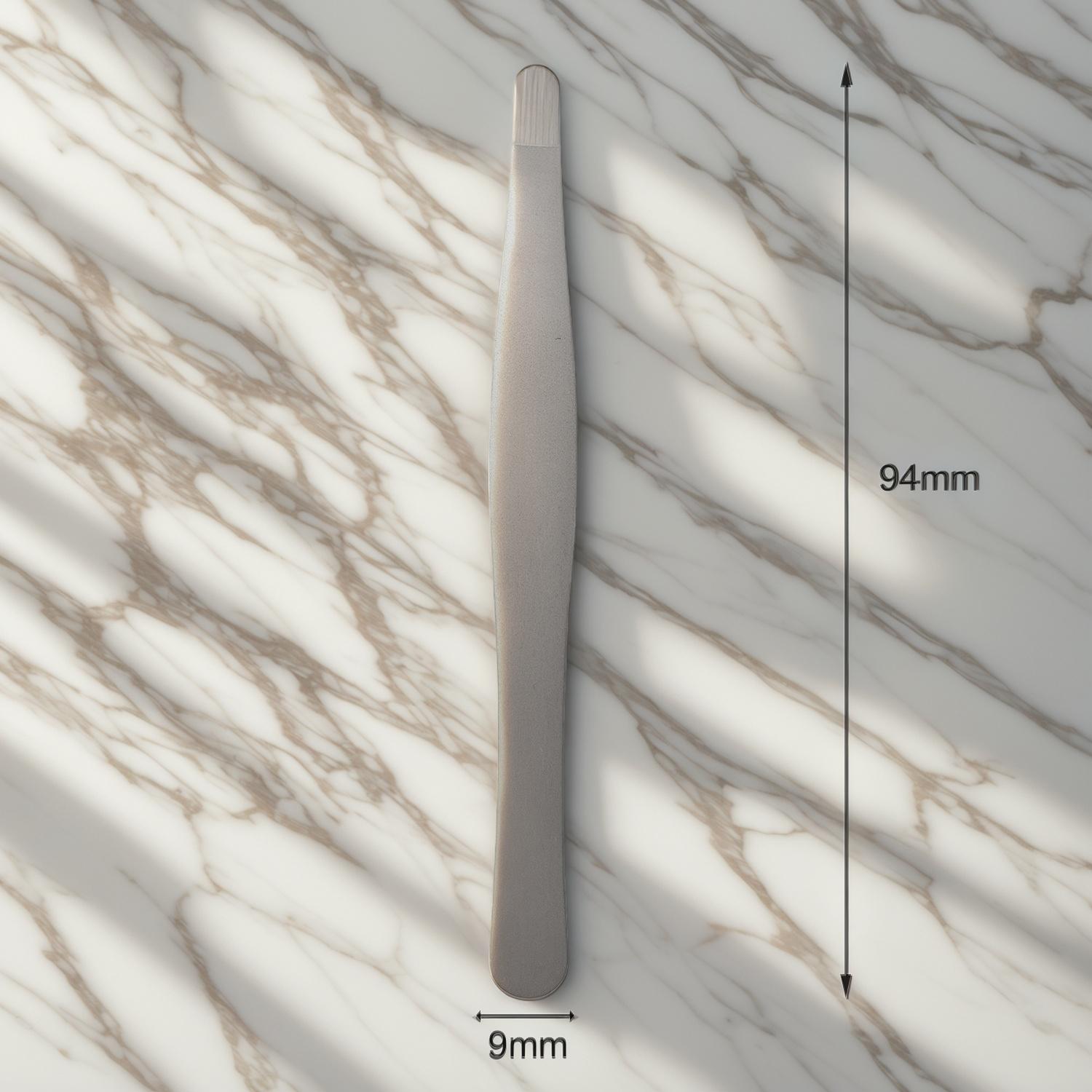
Tweezers Wholesale: How Manicure Tool Buyers Should Evaluate Quality, Use Cases, and Suppliers
Tweezers look simple, but wholesale buyers know they can create very different customer experiences. A pair that grips cleanly, aligns well, and feels steady in the hand supports daily grooming, brow shaping, nail art work, salon retail, and personal care kits. A pair that slips, pinches unevenly, or feels unfinished quickly becomes a return risk.
For retailers, salons, distributors, and private label beauty brands, sourcing tweezers is not only about finding a low unit price. The real decision includes tip shape, finish, hand feel, consistency, packaging, inspection standards, and the supplier’s ability to support repeat orders. Olimor Beauty supplies manicure and beauty tools from Guangdong and works with buyers who need practical wholesale options for professional and everyday grooming markets. You can explore related beauty tool products or review broader product collections when comparing tweezers with other manicure tools.
Why Tweezers Remain a Strong Wholesale Beauty Tool Category
The tweezers wholesale market continues to benefit from the wider attention on personal care. Consumers use tweezers at home for brow maintenance, facial hair removal, splinter removal, nail decoration placement, and small precision tasks. Professional beauty providers also keep multiple tweezers in rotation, especially when tools are separated by service area, hygiene process, or technician preference.
For a buyer, this demand creates flexibility. Tweezers can be sold as a standalone item, included in grooming kits, bundled with manicure accessories, or placed near impulse beauty sections. Their small size makes them efficient for storage and shipping, while the perceived usefulness is high. However, that same simplicity means customers judge performance quickly. The first grip, the first hair removal attempt, and the first inspection of the tips often determine whether the product feels reliable.
Wholesale buyers should therefore treat tweezers as precision tools rather than generic accessories. Even if the product is part of a value-focused line, alignment and finish still matter. The more repeatable the quality, the easier it is to protect a brand reputation across e-commerce reviews, retail shelves, and salon recommendations.
Choosing the Right Tweezer Type for the Intended Customer
Different customers expect different tweezer performance. A brow-focused buyer may want a slanted tip that follows the skin comfortably. A nail art brand may need a fine point for placing decorations. A general grooming kit may require a balanced design that works for several household uses. Before discussing packaging or branding, define the main use case.
| Buyer Need | Useful Tweezer Feature | What to Check |
|---|---|---|
| Everyday brow grooming | Slanted tip | Tip alignment, edge smoothness, comfortable tension |
| Nail art placement | Fine or pointed tip | Precision at the end point and stable closing action |
| Salon or professional use | Consistent grip and durable finish | Repeatability across samples and production batches |
| Retail grooming kits | Versatile size and easy handling | Packaging fit, protective caps, and user instructions |
| Private label programs | Finish and presentation aligned with the brand | Logo placement options, carton information, and batch consistency |
This table is not a fixed specification sheet; it is a way to organize buying decisions. A supplier may offer several forms and finishes, but the best option depends on where and how the item will be sold. Buyers should test samples with the same expectations their customers will have, not only view product photos.
Quality Details That Matter in Wholesale Tweezers
The most important quality factor is tip alignment. When the two sides close, the contact area should meet cleanly. If one side is higher, twisted, rounded in the wrong place, or unevenly finished, the tweezer may miss fine hairs or fail to hold small items. This is especially noticeable for brow users and nail technicians, because both groups rely on controlled gripping.
Tension is another practical detail. Tweezers that are too stiff can tire the fingers during repeated use. Tweezers that are too loose may not grip firmly enough. Good tension feels controlled, with a predictable closing action. The handle should also feel balanced and free from rough edges. Buyers should check the side edges, tip area, and any coated or polished surfaces for finish consistency.
For wholesale orders, consistency matters more than a single good sample. A useful inspection approach is to review multiple pieces, open and close them repeatedly, compare tip contact under good lighting, and test them on realistic tasks. If the tweezers are intended for retail, also check how they sit inside the package. A high-quality tool can still appear low value if it shifts in the pack or if the protective tip cover is loose.
How Manicure Tools Suppliers Support Better Buying Decisions
A manicure tools supplier does more than ship products. The supplier helps buyers connect product selection with market positioning. Olimor Beauty focuses on beauty and manicure tools, and the role of a professional supplier is to help buyers evaluate the product from technical, practical, and presentation angles.
When comparing suppliers, look for clear communication around available product forms, packaging approaches, inspection process, and export handling. Avoid making assumptions about materials, certification, capacity, or exact production details unless they are documented for the specific item under discussion. Strong sourcing decisions come from written specifications, approved samples, and clear acceptance standards.
A practical supplier discussion should cover:
- The intended customer: salon professional, retail shopper, e-commerce buyer, kit user, or private label brand.
- The main tweezer function: brow grooming, nail art placement, general grooming, or mixed use.
- The preferred shape, finish, and handling feel.
- Packaging needs, including individual protection and display requirements.
- Logo, label, or carton requirements for private label projects.
- Inspection priorities such as tip alignment, surface finish, tension, and cleanliness.
- Shipment documentation and product information needed by the buyer’s market.
These questions help turn a broad wholesale inquiry into a product plan. They also reduce the chance of choosing a tweezer that looks acceptable online but does not match the buyer’s selling channel.
Private Label Tweezers: Branding Without Losing Function
Private label manicure tools can help retailers and beauty brands build a more complete product range. Tweezers are especially suitable because they are compact, practical, and easy to pair with other grooming items. But branding should not come before usability. A logo or attractive package cannot compensate for poor grip or uneven tips.
For private label work, buyers should define the product hierarchy. Is the tweezer meant to be an entry-level accessory, a salon retail item, or part of a premium grooming set? That decision affects finish expectations, packaging material choices, instruction language, and quality control focus. A premium-looking package paired with an average tool can create disappointment, while a well-made basic tweezer in clean packaging can perform strongly in value channels.
Brand presentation should also consider practical protection. Pointed or slanted tips need to stay protected during shipping and shelf handling. If a protective cap is used, it should fit securely enough to prevent damage but be easy for the customer to remove. For e-commerce sales, packaging must withstand handling while still allowing the customer to recognize the product clearly.
Sourcing Checklist for Wholesale Tweezer Orders
A clear checklist is one of the best ways to compare suppliers and avoid vague purchasing decisions. Before confirming a wholesale order, buyers can use the following process:
- Define the main use case. Decide whether the tweezers are for brows, nail art, general grooming, salon use, or kit inclusion.
- Review physical samples. Test grip, alignment, tension, hand feel, and surface finish under real handling conditions.
- Confirm packaging expectations. Check protective covers, retail carding, pouch options, labeling space, and carton information as applicable.
- Set quality checkpoints. List the defects that are unacceptable, such as misaligned tips, rough edges, weak grip, visible surface flaws, or loose packaging.
- Compare the total buying fit. Consider communication, sampling speed, product consistency, documentation, and repeat-order support, not only price.
- Keep approved samples. Retain a reference sample for comparison when later production or replenishment orders are reviewed.
This checklist is useful for distributors and small brands alike. It helps separate measurable product performance from subjective impressions and supports more consistent decision-making across teams.
Building a Reliable Beauty Tool Range Around Tweezers
Tweezers often work best as part of a wider beauty tool range. A buyer may pair them with nail clippers, cuticle tools, scissors, files, brow tools, or grooming kits depending on the target market. This approach can improve merchandising and increase average order value, but each item still needs to meet its own functional standard.
When building a range, avoid selecting every item only because it shares a similar look. A coordinated finish or package is useful, but the customer will judge each tool by performance. For example, tweezers need alignment, clippers need clean cutting action, and nail tools need controlled edges. A strong supplier relationship can help keep these product decisions connected while still respecting the technical differences between tools.
If you are planning a wholesale tweezers project, private label grooming line, or broader manicure tool range, you can send an inquiry with your intended use case and packaging direction. For questions about product selection or sourcing support, you may also contact Olimor.
Final Buying Perspective
Wholesale tweezers are a small product with a direct impact on customer satisfaction. The best sourcing decisions focus on function first: accurate tip alignment, dependable grip, comfortable tension, smooth finishing, and packaging that protects the tool. After those basics are clear, buyers can refine presentation, private label details, and range planning.
Olimor Beauty supports manicure and beauty tool buyers by helping them think beyond a single product photo or headline price. For retailers, salons, distributors, and private label brands, the goal is to choose tweezers that fit the customer, perform reliably, and support repeat business in a competitive personal care market.
Tag: