

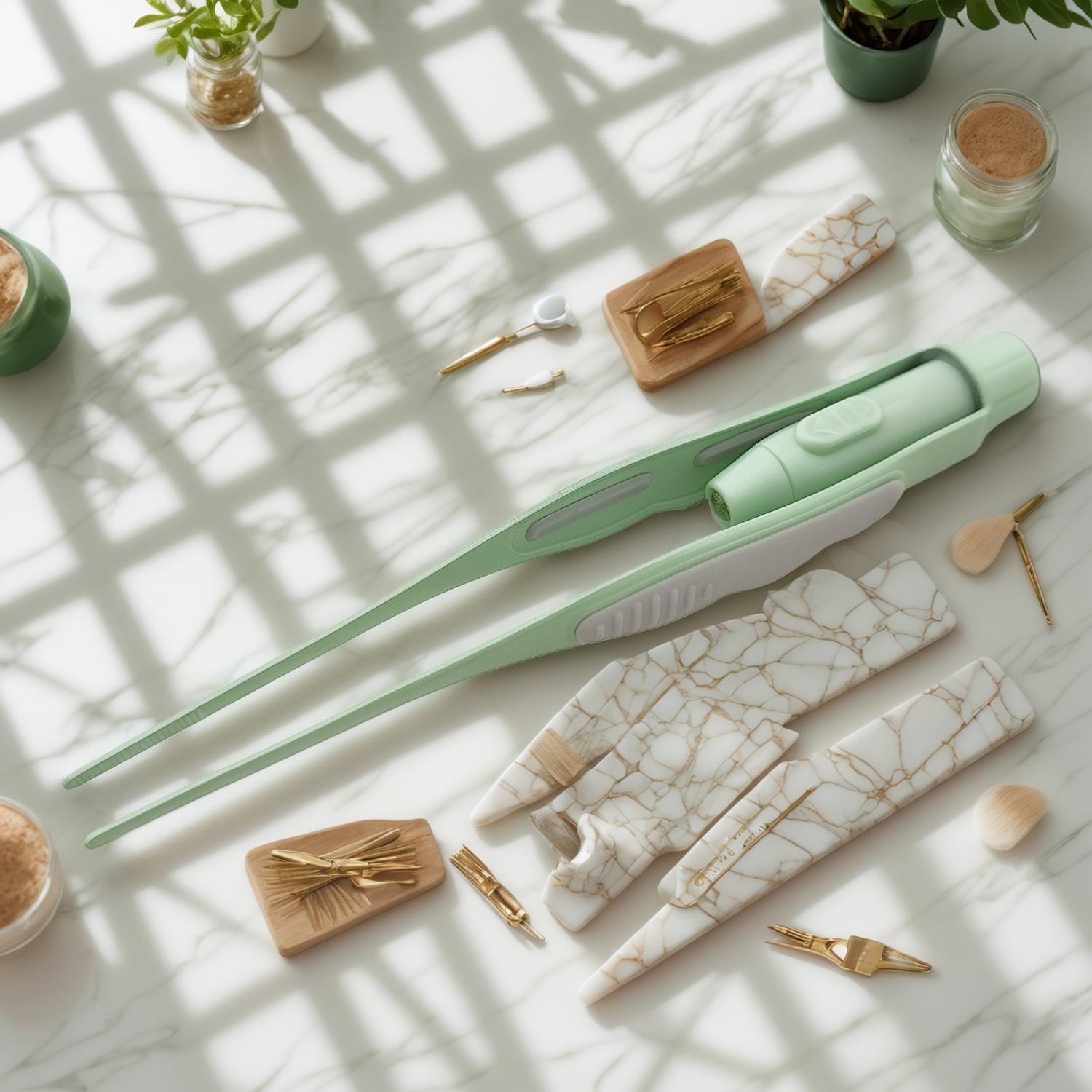
Tweezers Wholesale Sourcing Guide for Beauty Brands
For beauty brands, salons, retailers and distributors, sourcing tweezers wholesale is not just a purchasing task. Tweezers are small tools, but customers judge them quickly: by the way the tips meet, how steady they feel in the hand, whether the finish looks clean, and whether the packaging supports the value of the brand. A poor pair of tweezers can make an entire beauty tool range feel unreliable, while a well-chosen product can strengthen repeat orders and customer trust.
The best sourcing decision begins with a clear understanding of your market. Are you supplying brow studios, manicure professionals, travel beauty kits, gift sets, or everyday retail customers? Each audience may need a different balance of precision, comfort, finish, packaging and price positioning. This guide explains how to compare suppliers, evaluate product quality, plan private label details and build a more dependable wholesale tweezer program.
What Wholesale Buyers Should Define Before Comparing Suppliers
Before requesting samples or discussing customization, define the commercial purpose of the tweezers in your range. A single general enquiry often leads to unclear quotations and products that do not match your customers’ expectations. A more effective approach is to build a simple product brief that explains the intended use and retail context.
- Target user: professional salon user, home grooming customer, nail and brow kit buyer, travel retail customer, or promotional gift set buyer.
- Use case: eyebrow shaping, fine hair removal, nail art handling, false lash application, or general personal care.
- Sales channel: ecommerce, beauty store, salon supply, supermarket shelf, subscription box, or distributor catalogue.
- Brand position: entry level, mid-range, professional, eco-conscious, giftable, or minimalist.
- Packaging role: protective pouch, retail card, box, set packaging, or private label presentation.
These details make it easier to compare options from a manicure tools supplier because the conversation moves from “what is cheapest?” to “which product best fits this business model?” That distinction is important for brands that want quality consistency across repeat orders.
Key Quality Checks for Professional Tweezers
Precision is the main reason customers keep or reject tweezers. For wholesale buyers, the challenge is to assess quality before placing a larger order. A dependable professional beauty tools supplier should pay attention to inspection from raw materials through final packaging. While each supplier may have its own process, buyers can still use a structured checklist when reviewing samples.
| Quality area | What to review | Why it matters |
|---|---|---|
| Tip alignment | Check that both tips meet evenly without visible gaps. | Misaligned tips reduce grip and can frustrate users. |
| Grip performance | Test on fine hair, lash bands, or small nail art pieces depending on the intended use. | The tool should suit the real task your customer needs. |
| Hand feel | Open and close the tweezer repeatedly to judge tension and comfort. | Overly stiff or weak tension affects control. |
| Surface finish | Look for clean polishing, smooth edges and consistent color or coating. | Visual finish influences perceived retail value. |
| Packaging fit | Confirm the tool is protected and presented neatly. | Poor packaging can damage tips or weaken shelf appeal. |
Ergonomic design should also be considered. Tweezers are used with small, controlled movements, so uncomfortable edges, slippery surfaces or awkward tension may cause fatigue. For professional users who perform repeated grooming or beauty tasks, comfort is part of product quality, not an extra feature.
Choosing the Right Tweezer Type for Your Market
Not every tweezer belongs in every product line. A beauty retailer may need a versatile everyday option, while a salon-focused brand may prioritize precise control. Nail and lash customers may use tweezers differently from eyebrow customers. When comparing wholesale options, avoid treating all designs as interchangeable.
Slanted tweezers are commonly chosen for general brow grooming because they can combine visibility with control. Pointed tweezers may suit more detailed work where fine handling is needed. Flat or broader tips can be useful in some beauty kit applications, depending on how the tool is used. If the product includes added functions, such as integrated LED lights, assess whether the feature genuinely improves visibility and user experience for your audience rather than adding complexity without purpose.
For brands building a complete personal care range, tweezers often sit alongside nail clippers, manicure tools, lash tools and grooming accessories. Reviewing related beauty tool products can help buyers create a more coherent line instead of sourcing each item in isolation. Consistency in finish, packaging and quality level across categories can make the brand feel more professional.
Private Label Decisions That Affect Brand Perception
Private label manicure tools give beauty brands a way to transform a standard item into a recognizable product. However, customization should be planned carefully. A logo alone will not compensate for poor function, and overly complicated packaging may increase cost without improving the buying experience. The strongest private label programs usually match product design, finish and packaging to a clear customer promise.
Common private label considerations include color direction, logo placement, packaging format, instruction text and set configuration. For example, a minimalist beauty brand may prefer a clean finish and simple retail card, while a gift-oriented line may need a box presentation. A salon supply brand may care more about durable packaging and easy product identification than decorative details.
Customization can also support demand for more durable personal care tools. Many consumers prefer products that last longer rather than disposable alternatives. When positioning tweezers this way, focus on practical durability, replaceable packaging decisions where appropriate, and clear care instructions. Avoid making environmental claims unless the materials, packaging and sourcing documentation support them.
How to Evaluate a Manicure Tools Exporter in Guangdong
Many wholesale beauty tool buyers work with manufacturing and export partners in Guangdong because the region is associated with broad beauty tool sourcing networks. The right partner should be evaluated on communication, sampling discipline, inspection habits and ability to support repeat orders. A supplier’s professionalism is visible in how they answer detailed questions, not only in the first quotation.
When comparing a manicure tools exporter Guangdong buyers may consider the following points:
- Sample consistency: Compare multiple samples when possible, not only one perfect piece.
- Inspection approach: Look for evidence that quality is checked during production and before packing.
- Packaging understanding: Confirm whether packaging protects tweezer tips during transport and storage.
- Customization clarity: Make sure artwork, colors, logo position and packaging structure are confirmed before production.
- Communication speed: Reliable sourcing depends on clear replies, practical timelines and complete documentation.
- Product range fit: A supplier with related manicure and beauty tools may help maintain consistent quality across a wider program.
If you are planning a broader launch, browsing Olimor product collections can help clarify how tweezers might connect with other beauty tools in a retail or professional assortment.
Packaging and Retail Presentation for Wholesale Tweezers
Packaging has two jobs: protection and persuasion. Tweezers need protection because the tip condition directly affects performance. Even a well-made product can arrive with disappointing alignment if the packaging does not secure it properly. At the same time, retail packaging should communicate the intended use quickly. Customers should understand whether the tweezers are for brow shaping, lash application, nail art handling or general grooming.
Wholesale buyers should review packaging samples with the same care as product samples. Check whether the tweezer moves inside the pack, whether the tip is capped or protected, whether the printed information is clear, and whether the package suits the sales channel. Ecommerce packaging may need stronger protection against handling, while shelf packaging may need stronger visual hierarchy and barcode placement.
Instruction content can also reduce complaints. Simple care guidance such as keeping tips clean, storing the tool dry and protecting the tip after use can help customers maintain performance. Avoid overcrowding the package with claims; clear, specific information is more credible.
Maintenance Guidance Your Customers Will Appreciate
A useful wholesale product is not only well made; it is also easy for the end user to understand. Including basic maintenance guidance in packaging, product pages or inserts can improve satisfaction and reduce avoidable returns. Tweezers should be kept clean, stored with the tips protected and handled carefully to avoid dropping. If customers use tweezers for lash or nail applications, they should remove residue after use according to the tool and cosmetic product involved.
Brands selling to salons may also need to consider professional hygiene routines and local requirements. Do not make unsupported sterilization or medical claims. Instead, provide neutral care guidance and leave regulated procedures to the professional setting. Clear, honest maintenance instructions support trust without overstating product capabilities.
Building a Better Wholesale Sourcing Process
A strong tweezer program comes from repeatable sourcing habits. Create a reference sample after approval, document packaging details, keep artwork files organized and record the quality points you expect from each shipment. This helps both your buying team and your supplier avoid confusion on future orders.
When preparing to source tweezers wholesale, combine commercial thinking with product testing. The lowest unit price may not be the best value if the tool creates complaints, weak reviews or inconsistent repeat orders. The best option is the one that fits your customer, performs reliably and supports the way your brand is positioned in the market.
If you are developing a private label tweezer range or comparing manicure tool options, you can send an inquiry with your product brief or contact Olimor to discuss suitable beauty tool sourcing directions. A clear brief, careful sample review and practical packaging plan will help turn a small tool into a dependable part of your beauty product line.
Tag: