

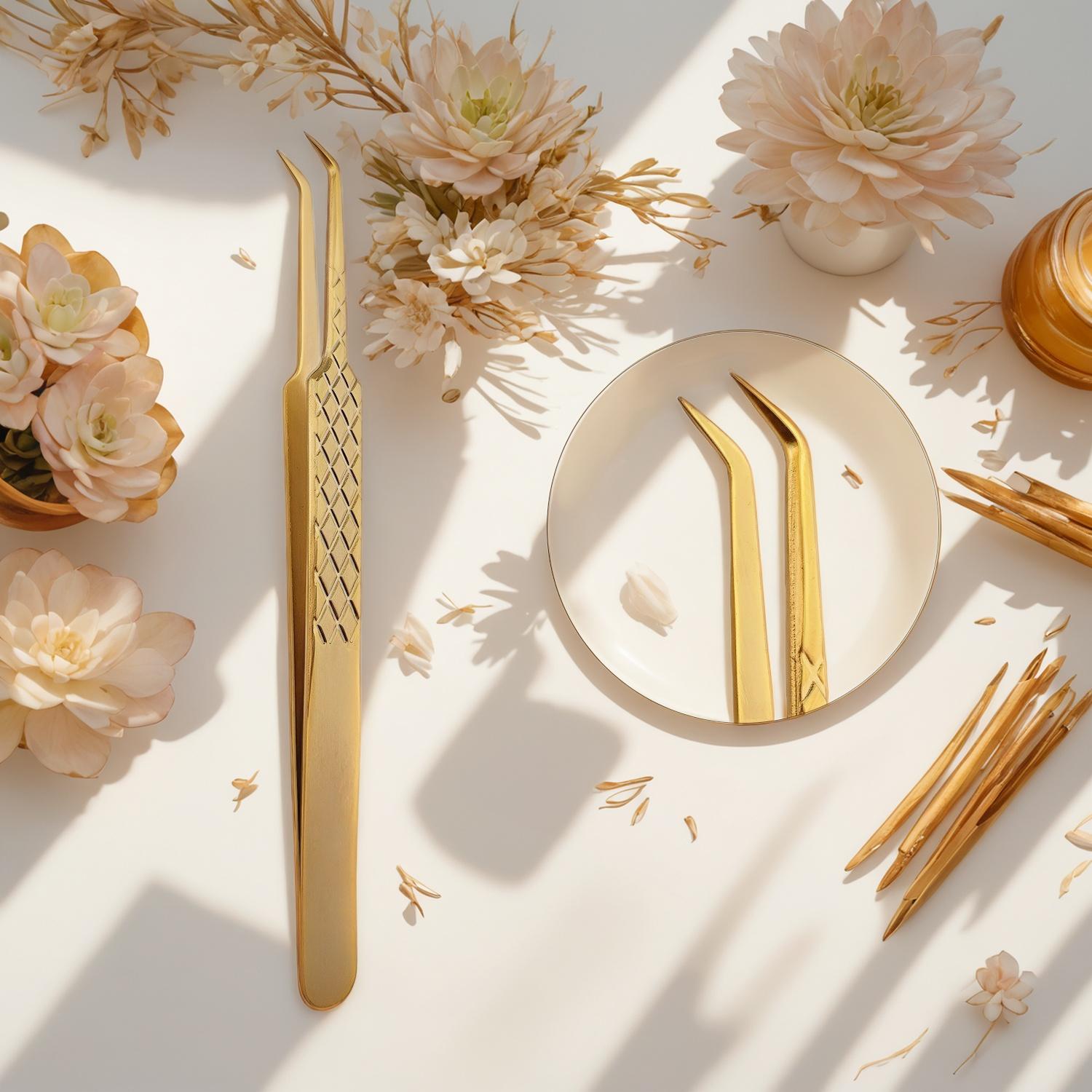
Tweezers Wholesale Guide for Beauty Brands, Salons, and Distributors
Buying tweezers wholesale is not only a price decision. For beauty brands, lash studios, nail salons, retailers, and distributors, tweezers must feel precise in the hand, meet the expectations of professional users, and fit the positioning of the finished product line. A low-cost tweezer that bends too easily, has uneven tips, or arrives with inconsistent finishing can create returns, poor reviews, and weak repeat orders.
This guide explains how to evaluate wholesale tweezers from a practical buyer’s perspective. It is written for teams comparing a manicure tools supplier, a beauty tools supplier, or a private-label tool partner for brow, lash, manicure, and personal care assortments. It also covers how to prepare a clear sourcing inquiry so the supplier can respond with relevant options instead of vague quotations.
Why Tweezers Remain a Core Wholesale Beauty Tool
Tweezers are small products, but they have a large role in many beauty routines and professional services. Brow shaping, lash extension preparation, false lash application, nail art placement, splinter removal, and detailed grooming all depend on controlled gripping. For retailers, tweezers are also easy to merchandise because they are compact, familiar to consumers, and suitable for repeat gifting, travel kits, and starter beauty sets.
Wholesale buyers often use tweezers to strengthen a wider tool assortment. A brand may pair them with nail clippers, cuticle pushers, scissors, files, or other manicure essentials. A lash-focused seller may need false lash tweezers, isolation tweezers, and angled tools for different application techniques. Olimor Beauty works in the precision beauty tools category, and buyers can explore broader beauty tool products when planning a coordinated assortment rather than sourcing one item in isolation.
The key is to match the tweezer type to the customer. A professional lash artist may prioritize tip alignment and hand comfort during long service hours. A retail consumer may care more about a clean finish, reliable grip, and attractive packaging. A distributor may need consistent replenishment, stable quality, and clear product differentiation across price levels.
Choosing the Right Tweezer Types for a Wholesale Assortment
Before comparing suppliers, define what type of tweezers you need and how they will be sold. The original product angle mentions the Gold-Plated False Lash Tweezer, which points to the lash application segment. Lash tweezers are often selected for their grip control, working angle, and appearance, while brow tweezers may be judged more heavily on slanted tips and hair removal performance.
A balanced wholesale program may include several tweezer categories:
- Slant tweezers: Common for brow shaping and general grooming because the angled edge helps approach hairs from different directions.
- Pointed tweezers: Used for fine detail work where a narrow contact point is needed. These require careful handling and good protective packaging.
- Flat or straight tweezers: Useful for gripping wider materials, nail art accessories, or items that need even pressure across the tip.
- Curved lash tweezers: Often chosen for false lash or lash extension work where the tool angle helps with placement and separation.
- Decorative finish tweezers: Options such as gold-plated styling can support gift sets, premium retail displays, or beauty brand differentiation when paired with appropriate quality control.
Do not choose a finish or shape only because it looks attractive in photos. A tweezer that appears premium must still close evenly, hold the intended item securely, and feel balanced. For private-label projects, product performance should come before color, logo placement, or packaging design.
Quality Checks That Matter When Sourcing Tweezers Wholesale
A professional supplier should be able to discuss the functional quality of tweezers in clear terms. Buyers do not need to become engineers, but they should understand the core checkpoints that affect daily use. When reviewing samples, inspect several pieces instead of relying on a single perfect unit.
| Inspection point | What to look for | Why it matters |
|---|---|---|
| Tip alignment | Tips meet evenly without visible gaps or twisting. | Poor alignment reduces grip and frustrates professional users. |
| Closing tension | The tweezer closes smoothly without excessive force. | Comfort matters during repeated brow, lash, or nail work. |
| Surface finish | Edges feel smooth; coating or plating appears even. | Rough finishing can affect comfort, appearance, and perceived value. |
| Grip performance | The tool holds hair, lashes, or small accessories securely. | Actual use testing is more valuable than visual inspection alone. |
| Packaging protection | Tips are protected from bending, scratching, or contamination. | Fine tips can be damaged during transport or retail handling. |
For higher-end retail or salon supply channels, finishing consistency becomes especially important. Buyers should compare samples under normal lighting and check whether the finish remains visually consistent from piece to piece. If the tweezer will be part of a set, compare the finish with other tools in the kit so the collection looks intentional.
Private Label and Packaging Decisions for Beauty Tool Buyers
Private-label tweezers can help a brand build recognition, but customization should support the product’s intended market. A minimalist salon pack, a colorful retail card, a travel-friendly pouch, and a premium gift box each send a different message. The packaging also needs to protect the tips and communicate the tool’s use clearly.
When planning private-label manicure tools or lash tools, prepare decisions in advance. Useful information includes the intended sales channel, target retail positioning, preferred finish direction, logo placement expectations, packaging format, and whether the tweezer will be sold individually or as part of a kit. If sustainability is a priority for your brand, define what that means in practical packaging terms, such as reduced plastic, recyclable paper components, or simpler secondary packaging. Avoid vague requests for “eco-friendly tools” without clarifying the material, packaging, and compliance expectations that matter in your market.
Brand teams can browse product collections to think about how tweezers may sit beside other beauty tools. A coordinated assortment often feels stronger than a single customized item, especially for retailers building shelf displays or online bundles.
How to Compare a Manicure Tools Supplier or Export Partner
Supplier selection should balance product quality, communication, customization capability, and practical export experience. The original page references a manicure tools exporter from Guangdong, a region known for manufacturing and export activity across many consumer product categories. Location can be useful, but it is not enough by itself. Buyers should evaluate how the supplier handles samples, specifications, packaging files, quality checks, and order follow-up.
A clear supplier comparison process may include these steps:
- Define the use case: Brow grooming, false lash application, nail art, retail gifting, salon supply, or a mixed personal care set.
- Request relevant samples: Compare the specific tweezer shapes and finishes that match your target audience.
- Test performance: Use the tweezers on the actual materials they are intended to grip, not only on paper or packaging samples.
- Review customization options: Confirm what can be customized without affecting function, tip precision, or delivery planning.
- Check packaging practicality: Make sure fine tips are protected and that labeling suits your sales region.
- Document approvals: Keep final sample references, artwork files, and agreed quality points organized before production begins.
Strong communication is often a sign of a stronger sourcing relationship. A supplier that asks about your sales channel and customer expectations may help prevent mismatched product recommendations. If you are preparing a new project, you can send an inquiry with your product goals, preferred tweezer type, and packaging direction.
Maintenance Guidance to Include for End Users
Wholesale buyers should also consider the care instructions that will reach the final customer. Even a well-made tweezer can perform poorly if the tips are bent, dropped, or stored without protection. Simple care guidance can reduce complaints and improve customer satisfaction.
For consumer or salon packaging, consider including basic instructions: keep tips covered when not in use, clean after use according to the intended application, avoid dropping pointed or fine-tip tweezers, and store tools in a dry place. For lash or salon settings, users may also follow their own hygiene and sanitation procedures according to local rules and professional practices. If a tool has a decorative finish, care language should avoid harsh treatment that may affect appearance.
Maintenance details do not need to be long, but they should be practical. A small insert or back-of-pack instruction can help customers understand that precision tools require careful storage and handling.
Preparing a Better Wholesale Tweezer Inquiry
The fastest way to receive a useful quotation is to provide a focused sourcing brief. Instead of asking only for “best price tweezers,” describe the product function, sales channel, finish preference, branding needs, and packaging concept. Include target markets if labeling or compliance language may be relevant. If you already have benchmark samples, explain what you like and dislike about them.
For a Gold-Plated False Lash Tweezer or similar lash-focused product, mention whether the tool is for false lash placement, lash extension work, retail beauty kits, or salon resale. These uses may call for different tip shapes, packaging protection, and design choices. For manicure-related assortments, note whether the tweezer will be paired with nail tools, grooming tools, or a complete personal care set.
Olimor Beauty supports buyers looking for precision beauty tools, manicure essentials, and private-label sourcing discussions. To discuss a product plan, packaging direction, or assortment idea, contact Olimor with your project details. A well-prepared inquiry helps both sides focus on the right tool instead of spending time on unsuitable options.
Final Thoughts for Wholesale Buyers
Tweezers may be compact, but they carry a brand’s quality message every time a customer uses them. For wholesale sourcing, the best decision is rarely based on appearance alone. Evaluate tip alignment, closing tension, grip performance, finish consistency, and packaging protection before committing to a larger order. Then connect those product choices to your audience: lash professionals, brow users, salons, retailers, or private-label beauty brands.
By approaching tweezers as precision tools rather than simple accessories, buyers can build assortments that feel reliable, look consistent, and support long-term customer trust. Whether you are expanding a manicure tools line, adding false lash tweezers, or creating a private-label beauty tool set, a structured sourcing process will lead to better samples, clearer communication, and stronger product decisions.
Tag: