

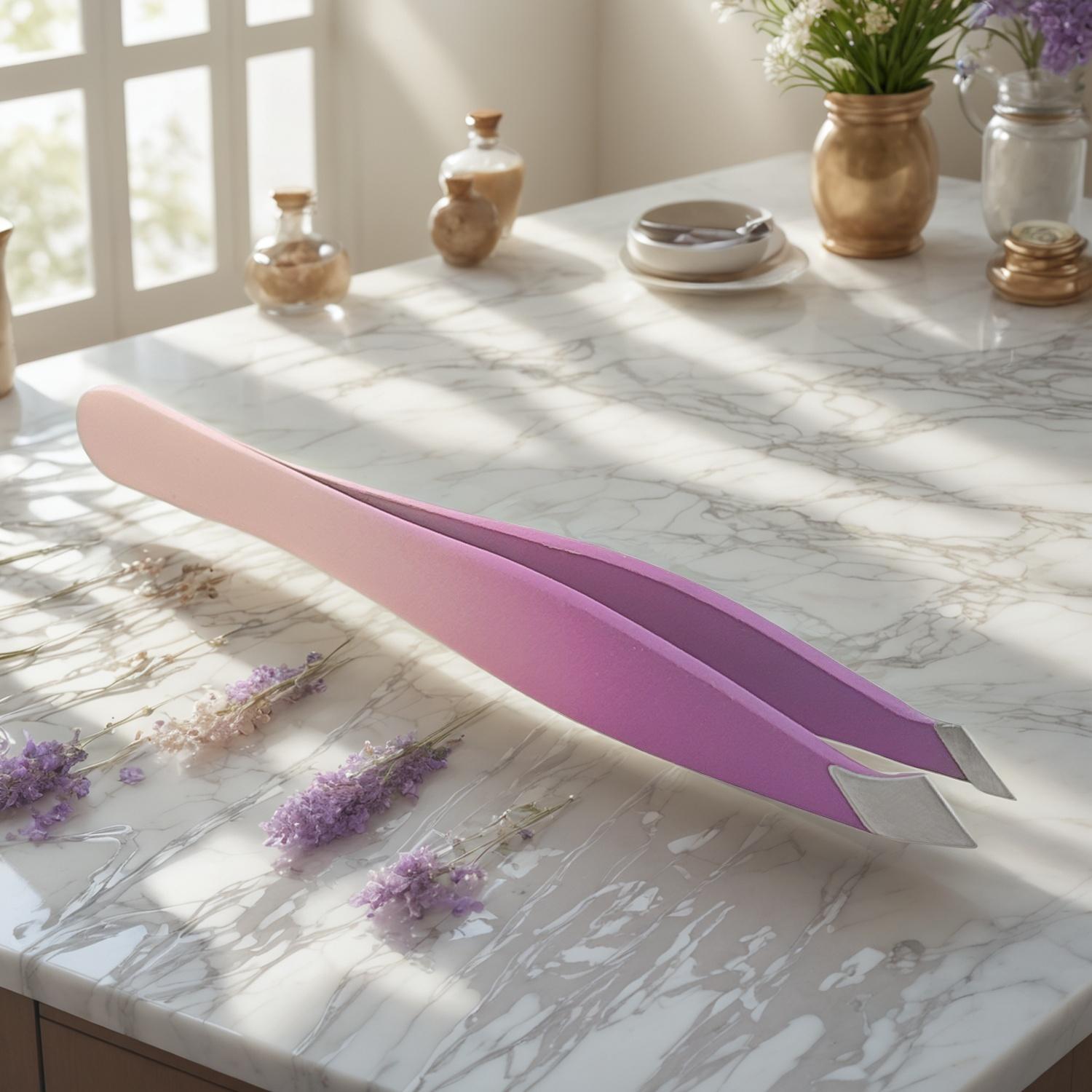
Wholesale Tweezers Sourcing Guide for Beauty Tool Buyers
Tweezers are small beauty tools, but they carry a large responsibility in a product line. A customer may use them close to the eyes, on facial hair, around nail edges or for detailed grooming tasks where accuracy and comfort matter. For retailers, salons, hotel amenity programs and beauty brands, sourcing wholesale tweezers is not simply a matter of choosing the lowest-cost item. The right tweezers should feel balanced in the hand, grip fine hair cleanly and fit the sales channel where they will be offered.
Olimor Beauty works with beauty tool buyers who need practical sourcing support across personal care and manicure-related categories. If you are comparing suppliers or building a private label program, this guide explains how to evaluate wholesale tweezers with a buyer’s eye: tip shape, finish, packaging, quality control, sourcing region and the questions that help prevent costly mismatches.
Why Wholesale Tweezers Remain a Core Beauty Tool
Tweezers are among the most widely recognized tools in beauty care because they serve multiple use cases. Consumers buy them for eyebrow shaping, removing stray facial hair, handling small nail art components and keeping grooming kits complete. Professional users may need consistent grip and tip alignment for repeated use during salon services. Hotels and travel amenity programs may require compact, clean-looking tools that fit into a broader personal care set.
For a business buyer, this makes tweezers useful across several merchandising strategies. They can be sold as a single beauty accessory, added to grooming kits, paired with manicure tools, included in travel sets or used as a low-profile private label product. Their small size can also make them easier to integrate into seasonal gift sets or starter kits, provided the quality is reliable.
Because customers often judge tweezers immediately by how well the tips meet, poor performance can damage confidence in an entire beauty tool range. That is why selection should focus on function first, then appearance, packaging and branding.
Key Tweezer Types and How Buyers Should Choose
The most suitable tweezer style depends on the intended user and application. A general retail line may need a familiar shape that works for eyebrow grooming, while a professional or detail-focused line may require more precise tip geometry. When comparing samples, evaluate not only how the tool looks but how it grips a fine hair, how easily it opens and closes, and whether the tips remain aligned under normal pressure.
- Slant-tip tweezers: A common choice for eyebrow shaping and everyday grooming. The angled edge helps the user see the target area while still providing a broad gripping surface.
- Point-tip tweezers: Useful for very precise tasks, such as isolating fine hairs or handling tiny beauty accessories. They require careful finishing because sharp points can feel harsh if not properly controlled.
- Flat-tip tweezers: Often chosen for gripping larger areas or handling small objects rather than fine hair removal. They can be suitable for kit applications where general utility is more important than brow precision.
- Curved or specialty tweezers: Sometimes selected for nail art, lash-related tasks or detailed cosmetic use. These should be matched carefully to the product claim and target audience.
If your range serves more than one buyer group, it may be better to stock two clear styles rather than one vague option. For example, a slant-tip tweezer can serve everyday grooming, while a point-tip version can be positioned for detail work. You can review broader beauty tool products to decide whether tweezers should stand alone or sit inside a coordinated set.
Quality Checks That Matter Before a Bulk Order
Wholesale tweezers should be inspected through simple, repeatable checks. This is especially important when the product will carry your brand name or appear in professional environments. A polished surface may look attractive in photos, but the tool’s value is proven by alignment, tension and grip.
- Check tip alignment. Close the tweezers slowly and confirm that the two sides meet evenly. Misaligned tips may miss fine hair or pinch skin.
- Test gripping performance. Use a fine hair or similar thin material to check whether the tips can hold without slipping. Test at the front edge and across the usable tip area.
- Assess spring tension. The tweezers should open naturally and close without requiring excessive force. Too much tension can fatigue the user; too little can feel weak.
- Review edge finishing. Tips should be precise but not rough. Edges that feel jagged or overly sharp can create a poor user experience.
- Inspect surface consistency. Look for scratches, stains, uneven coating, burrs or color variation, especially if the product is intended for retail display.
- Confirm packaging fit. The tool should sit securely in its packaging. Movement during transit can cause scratches or bent tips.
Buyers should define which defects are critical for their channel. For a professional salon tool, tip alignment and grip may be non-negotiable. For a hotel amenity kit, clean appearance, safe packaging and consistency may carry equal weight because the product is part of a guest experience.
Private Label and Packaging Decisions
Private label manicure tools and beauty accessories can help retailers, distributors and beauty brands create a more consistent product range. Tweezers are often a good category for private label exploration because the product is compact, easy to explain and compatible with many packaging formats. However, the branding plan should support the tool’s use rather than hide weak specifications behind decorative packaging.
Before confirming packaging, decide where the product will be sold or used. A salon supply channel may prefer practical packaging with clear product information. Retail shelves may require hang cards, blister packaging or boxes that protect the tips and communicate the tweezer type quickly. Hotel amenity buyers may need compact packaging that coordinates with other personal care items and fits housekeeping operations.
Important packaging and branding points include logo placement, readable product descriptions, tip protection, barcode needs, language requirements, carton labeling and display method. If sustainability is part of your sourcing policy, compare packaging structures early instead of treating it as a late-stage change. Material reduction, recyclable components or simplified inserts may affect unit presentation, shipping durability and cost structure.
Sourcing From Guangdong and Working With Exporters
Guangdong is widely recognized as a strong manufacturing region for beauty tools and manicure-related products. For buyers, this can be useful because suppliers in the region may be familiar with export expectations, packaging formats and coordinated beauty tool programs. The advantage is not simply geography; it is the ability to connect product development, sampling, finishing, packing and shipment preparation in a practical workflow.
When comparing a manicure tools exporter, focus on communication and production discipline as much as the product sample. A good initial sample is important, but repeatability matters more for wholesale supply. Ask for clear sample approval steps, product images or drawings, packaging confirmation and inspection criteria. Keep a signed or clearly documented reference sample whenever possible so both sides can compare future production against the same standard.
It is also wise to evaluate how tweezers fit with adjacent products. If your business also buys nail clippers, cuticle tools, grooming kits or amenity items, a supplier that understands multiple beauty tool categories may help with consistency across finish, packaging and brand presentation. Explore Olimor Beauty product collections when planning how tweezers may sit alongside other personal care tools.
Buyer Checklist for Wholesale Tweezers
The following checklist helps organize sourcing conversations and sample reviews. It avoids relying only on visual appeal and keeps attention on the factors that affect customer satisfaction.
| Decision Area | What to Review | Why It Matters |
|---|---|---|
| Use case | Eyebrow grooming, detail work, nail art, travel kit or amenity use | The use case determines tip type, packaging and quality priorities |
| Tip shape | Slant, point, flat or specialty shape | Different shapes perform better for different grooming tasks |
| Grip quality | Fine hair hold, even closure and no slipping | Poor grip leads to returns and weak reviews |
| Finish | Surface consistency, smooth edges and clean appearance | Visible defects reduce perceived value |
| Packaging | Tip protection, retail display, labeling and carton organization | Packaging protects the product and supports the sales channel |
| Branding | Logo method, artwork approval and product description | Clear branding improves range consistency and buyer trust |
Common Mistakes to Avoid
One common mistake is choosing tweezers based only on a catalog photo. Tip alignment, hand feel and gripping performance cannot be confirmed from an image alone. Another mistake is using the same product for every channel without considering the customer. A low-profile travel tweezer may be acceptable in an amenity kit, while a beauty retail customer may expect a more refined finish and stronger packaging presentation.
Buyers should also avoid vague product descriptions. Terms such as “professional quality” or “premium” are only useful when supported by concrete features, such as tip shape, finish type, packaging method or inspection standards. If you plan to sell online, clear product copy matters because customers cannot test the tool before purchase. Describe who the tweezer is for, what type of grooming it supports and how to care for it.
Finally, do not leave maintenance instructions out of the customer experience. Simple guidance can reduce misuse. Recommend wiping the tips clean after use, keeping the protective cap or package when available, storing the tool dry and avoiding drops that may damage alignment. These small details help customers keep the tool working as intended.
How Olimor Beauty Supports Beauty Tool Buyers
For businesses building a tweezer line or expanding into manicure tools, supplier selection should support both product quality and commercial practicality. Olimor Beauty provides beauty tool sourcing support for buyers seeking wholesale tweezers, private label manicure tools and related personal care items. The goal is to help buyers define the right tool type, packaging direction and quality expectations before committing to bulk production.
If you are preparing a new retail range, salon supply program, hotel amenity kit or branded beauty accessory line, begin with a clear brief: target user, intended channel, preferred tweezer type, packaging expectations and any labeling requirements. A more specific brief leads to better samples and fewer revisions. To discuss sourcing needs, contact Olimor or send an inquiry with your product requirements.
Wholesale tweezers may be simple in form, but successful sourcing depends on precision. By checking tip alignment, grip, finish, packaging and supplier process early, buyers can create a reliable product that fits both customer expectations and commercial goals.
Tag: