

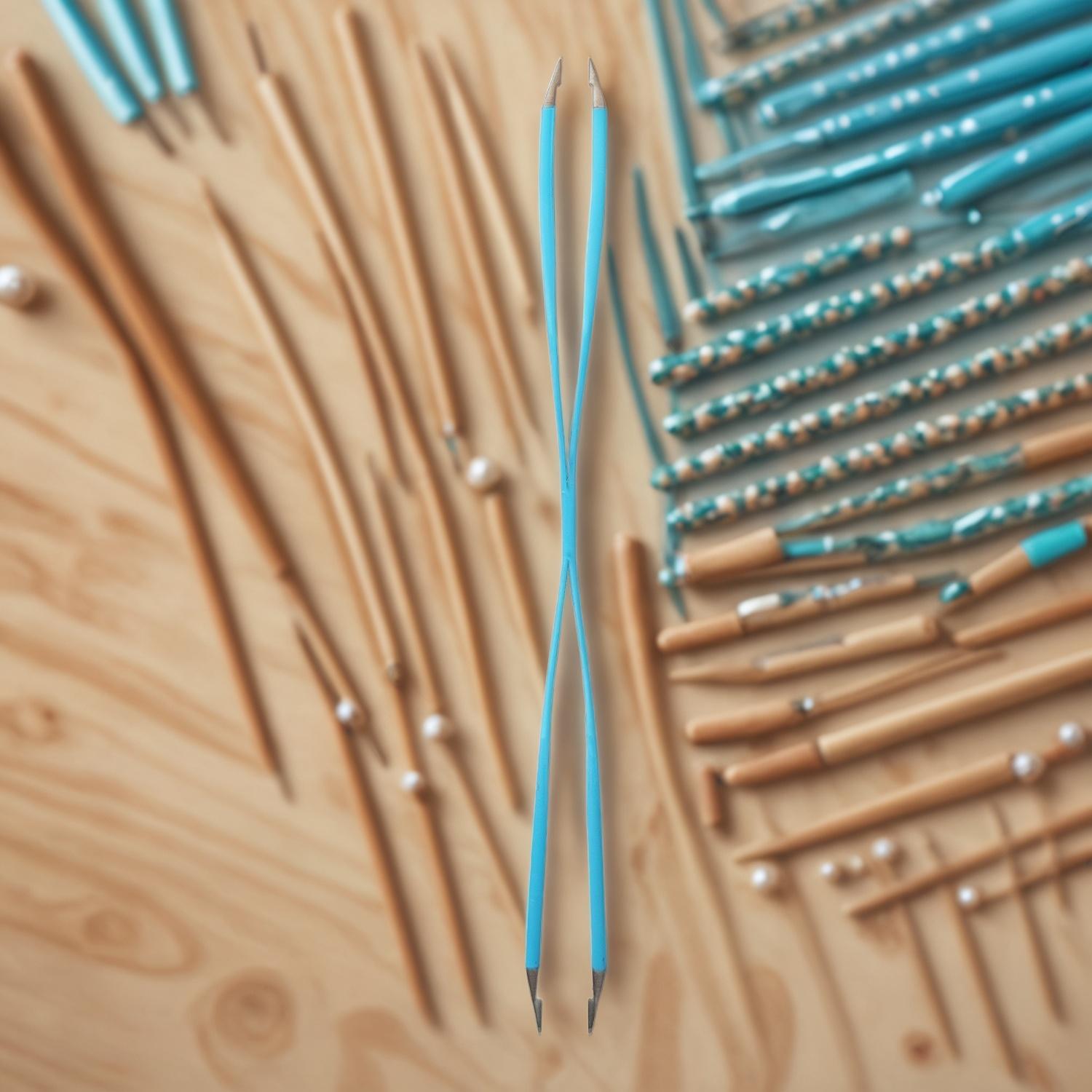
Tweezers Wholesale: How to Source Reliable Beauty Tool Supply
Tweezers are small tools, but they carry a large responsibility in beauty retail, salon service and personal grooming kits. A customer may not remember every accessory in a manicure or brow set, but they will notice immediately if the tweezer tip does not align, if the grip feels slippery or if the tool loses precision after limited use. For brands and distributors buying tweezers wholesale, the goal is not simply to find a low unit cost. The better goal is to build a stable supply of tools that feel consistent, support your positioning and reduce avoidable quality complaints.
Wholesale tweezers are used across several beauty categories: eyebrow shaping, eyelash application, nail art placement, skincare extraction support, grooming kits and travel sets. Olimor Beauty works in the beauty tools field where details such as tip finish, hand feel, packaging readiness and inspection standards matter. If you are planning a new product line, replenishing inventory or comparing beauty tool suppliers, this guide explains what to evaluate before placing a bulk order.
Why Tweezers Matter in a Beauty Tool Range
Tweezers are often treated as basic accessories, yet they influence customer perception of an entire set. A manicure kit with a poorly made tweezer can feel less reliable even if the other tools are acceptable. In brow and lash retail, precision is even more important because the tool is used close to the eye and on fine hair or delicate materials.
For wholesale buyers, tweezers can serve several roles. They may be sold as individual products, included in manicure tool sets, paired with scissors and nail clippers, or packaged for private label beauty programs. A well-chosen tweezer can help a brand offer a practical item with frequent use, compact packaging and broad consumer recognition.
Product selection should match the intended use. A tweezer for brow shaping has different customer expectations from one used for nail art crystals or false eyelash placement. Some businesses also look for more versatile formats, such as the Dual-Ended Tweezer introduced by Olimor Beauty, when a single tool needs to support more than one grooming task. The key is to define the end use first, then evaluate the tool design against that use rather than choosing by appearance alone.
Key Selection Criteria for Wholesale Tweezers
When reviewing wholesale tweezers, buyers should look at the details that affect daily performance. Good photography and a polished sample are helpful, but they do not replace hands-on checking. A consistent inspection method makes it easier to compare samples from different suppliers.
- Tip alignment: The two tips should meet evenly. Misalignment makes it difficult to grip fine hair or small beauty accessories.
- Grip tension: The tweezer should open and close smoothly without feeling too loose or too stiff for repeated use.
- Edge finish: Edges should feel comfortable and should not scratch the user during normal handling.
- Surface treatment: The finish should match the product position, whether simple, polished, colored or designed for a branded kit.
- Hand feel: The tool should be stable enough to control, especially for brow, lash or nail art tasks.
- Packaging compatibility: The product should fit the retail box, pouch, blister card or set layout planned for your sales channel.
- Batch consistency: Samples should be compared with production expectations so the approved feel and appearance can be maintained.
These criteria are useful whether you are buying standard tweezers, custom-packed tools or private label manicure tools. If the product is intended for a professional salon channel, precision and durability may carry more weight. If it is intended for a promotional kit, packaging efficiency and safe handling may be priorities. The best wholesale choice is the one that fits the real sales environment.
Common Tweezer Types and Practical Use Cases
Not every tweezer shape is appropriate for every buyer. Before creating a wholesale order, identify the product scenario and choose a design that supports it. The following table gives a practical way to think through common purchasing decisions without relying on vague product claims.
| Tweezer focus | Typical use case | Buyer consideration |
|---|---|---|
| Precision grooming | Eyebrow shaping and fine hair removal | Tip alignment, controlled tension and a comfortable grip are critical. |
| Lash and detail work | False eyelash handling or small accessory placement | Shape should support visibility and delicate control near the eye area. |
| Nail art support | Handling decals, crystals or small decorations | Tip shape and spring feel should allow careful placement without crushing pieces. |
| Manicure or travel kits | Inclusion in a compact grooming set | Size, packaging fit and consistent appearance with other tools matter. |
| Multi-purpose designs | Retail sets where one tool serves multiple needs | Buyers should test each end or function for comfort and real usability. |
A dual-ended format can be attractive for a beauty kit because it saves space and gives customers more utility in a single item. However, wholesale buyers should still test both working ends carefully. A multi-purpose tool only adds value when each function performs well enough for the intended task.
Working with a Professional Beauty Tools Supplier
A professional beauty tools supplier should help buyers move from a general idea to a product that can be ordered, packed and sold with fewer surprises. This includes clarifying the intended sales channel, confirming the type of tweezer needed, discussing packaging options and setting quality expectations before mass production.
For private label programs, the conversation should cover more than a logo. The buyer should consider color direction, surface finish, retail packaging, set arrangement, label placement and how the tweezer fits into the rest of the product range. If the product will sit beside nail clippers, cuticle tools or scissors, the appearance and quality level should feel coherent. You can review related beauty tool products to compare how tweezers may fit within a wider grooming assortment.
Good supplier communication also helps prevent common problems. For example, a buyer may request a sharp-looking tip for product photos, while the actual end user needs a safer, more comfortable feel. A retail buyer may focus on box design, while the tool itself requires stronger inspection criteria. A distributor may need stable repeat orders, so the supplier’s ability to maintain consistent quality across batches becomes especially important.
Sourcing from Guangdong and Evaluating Manufacturing Readiness
Guangdong is known as an important manufacturing region for beauty and manicure tools. For buyers sourcing tweezers wholesale, working with a manicure tools exporter in Guangdong can provide access to established production experience and export-oriented communication. However, location alone is not enough. The buyer still needs a structured evaluation process.
When comparing suppliers, focus on manufacturing readiness rather than broad claims. Useful questions include: Can the supplier explain the production steps for the tweezer style you are considering? How are samples approved before bulk production? What visual and functional checks are used during inspection? How are packaging details confirmed? How are changes handled if a private label buyer needs adjustments before ordering?
Sustainability is also becoming more relevant in beauty tool sourcing. The original market discussion around wholesale beauty tools often includes recyclable grooming tools and more responsible material use. When sustainability matters to your channel, evaluate it through practical documentation and packaging choices. Consider whether the product can reduce unnecessary packaging, whether materials are clearly described and whether the supplier can support a more responsible sourcing direction without making unsupported claims.
Quality Control Points Before Placing a Bulk Order
Wholesale quality is not only about whether one sample looks good. It is about whether the approved sample can be repeated across a production run. Tweezers are especially sensitive to small variations because a tiny difference at the tip can change how the tool performs.
- Approve a reference sample: Keep one approved sample for appearance, finish, tension and packaging comparison.
- Define visible defects: Clarify what counts as scratches, uneven coating, stains, rough edges or poor printing.
- Test functional grip: Check whether the tips meet correctly and can hold fine material without slipping.
- Review packaging fit: Confirm the tool does not move excessively, scratch other items or damage the retail presentation.
- Check carton and labeling needs: Make sure outer packing supports storage, transport and receiving requirements.
- Plan repeat-order consistency: Record approved details so future orders match the original product as closely as possible.
These steps are especially important for distributors and brand owners who sell through multiple channels. A salon professional may judge the tool by performance, while an online customer may first judge it by appearance and packaging. Both experiences matter.
Building a Strong Tweezer Range for Your Customers
A strong wholesale tweezer program usually includes more than one option. A beauty retailer may need a simple grooming tweezer, a detail tool for lashes or nail art, and a set-ready item for manicure kits. A private label buyer may start with one design and expand after confirming customer feedback. A distributor may prioritize a stable core product that can be reordered easily.
To build a range, begin with the user’s task. For brow care, prioritize precision and comfort. For nail art, prioritize careful placement. For travel sets, prioritize compactness and secure packaging. For giftable beauty kits, prioritize visual consistency with the other tools. If you need help comparing options or preparing a sourcing brief, you can contact Olimor or send an inquiry with your intended use, packaging direction and order planning details.
It is also useful to review broader product collections when planning tweezers as part of a kit. A tweezer that looks appropriate on its own may not match the finish or quality level of the surrounding items. Thinking in terms of the complete customer experience helps avoid mismatched tools and improves the perceived value of the final product.
Final Buying Advice for Tweezers Wholesale
Wholesale tweezers are not complicated products, but they require careful sourcing because the user experience depends on small details. Tip alignment, tension, finish, edge comfort, packaging fit and repeat-order consistency should all be part of the buying decision. For private label or bulk beauty supply, the right supplier should support clear communication, sample confirmation and practical quality checks.
Olimor Beauty’s focus on beauty tools, including designs such as the Dual-Ended Tweezer, makes tweezers a relevant category for brands, salons, distributors and retailers building reliable grooming ranges. By treating tweezers as precision tools rather than simple add-ons, buyers can create products that better serve customers and strengthen long-term supply programs.
Tag: