

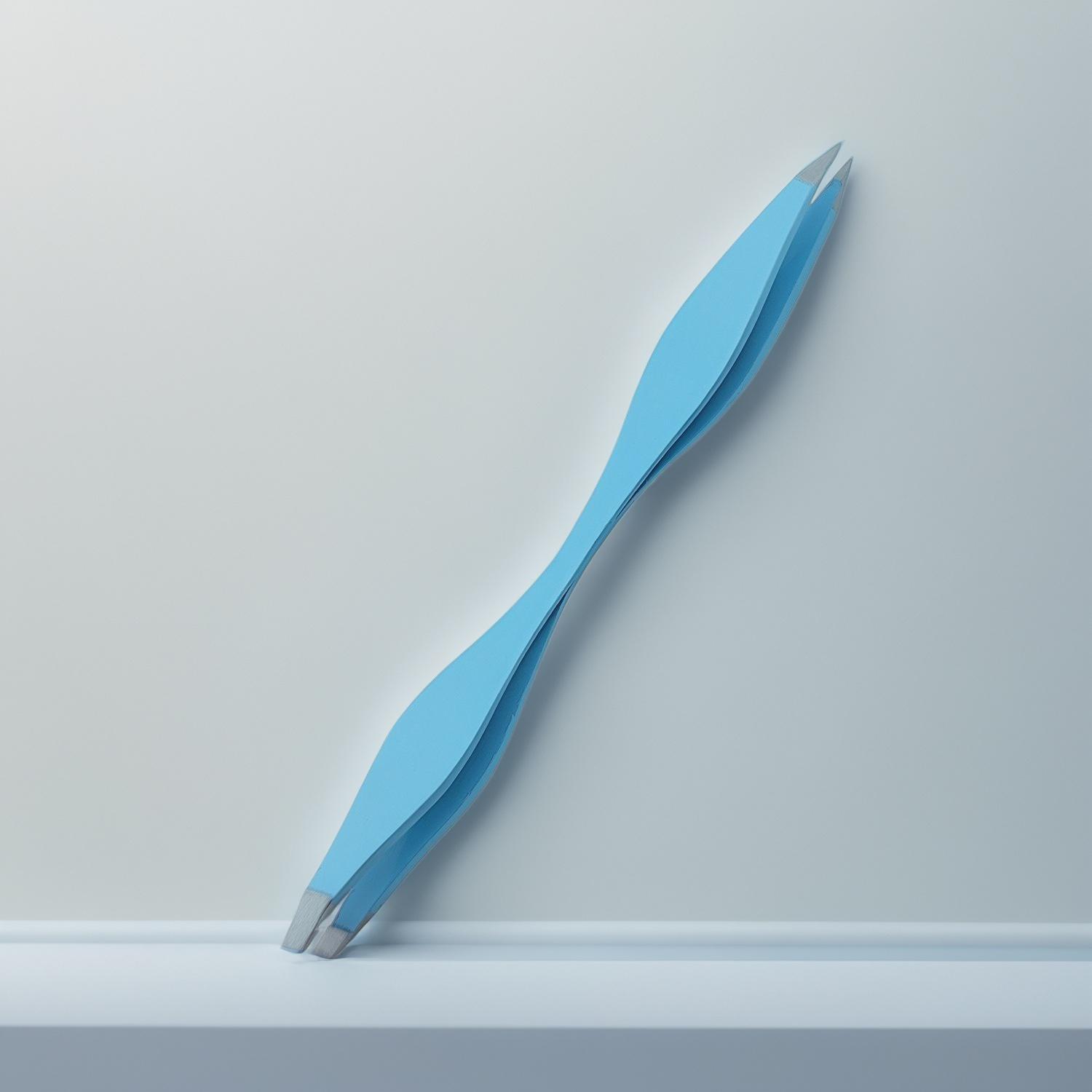
Tweezers Wholesale: How to Source Precision Grooming Tools With Confidence
Tweezers may be small, but they carry a large part of the customer experience in eyebrow shaping, lash application, facial hair removal, manicure clean-up, and retail grooming kits. For salons, beauty retailers, distributors, and private label brands, buying tweezers wholesale is not simply a matter of choosing the lowest unit cost. The right sourcing decision affects grip comfort, tip alignment, packaging presentation, repeat purchases, and the way your brand is perceived after months of daily use.
Wholesale buyers usually compare tweezers across appearance, material, finish, price, and delivery terms. Those factors matter, but they do not tell the whole story. A tweezer that looks acceptable in a product photo can still fail if the tips do not meet evenly, if the tension is too stiff for professional work, or if the coating scratches too easily in a retail pouch. This guide focuses on practical selection criteria so you can evaluate tweezers as working tools, not just catalog items.
Why Tweezers Wholesale Demand Keeps Growing
Demand for precision grooming tools has increased as beauty routines have become more detailed and personal. Consumers now expect clean brow lines, accurate false lash placement, tidy cuticle areas, and convenient tools that can be used at home between appointments. Professionals also need dependable tools that withstand repeated sanitation and daily handling.
For business buyers, tweezers wholesale offers several advantages. It supports consistent product quality across retail sets, salon stations, promotional kits, and private label programs. It also makes it easier to maintain stock for recurring orders, seasonal beauty campaigns, or bundled grooming collections. A supplier that understands beauty tools can help buyers compare shapes, finishes, and packaging routes without treating every tweezer as an interchangeable item.
If you are building a wider assortment, tweezers should be reviewed alongside other beauty tool products such as manicure tools, grooming scissors, lash tools, and accessory sets. This helps keep the finish, packaging style, and positioning consistent across the range.
Key Tweezer Tip Styles and Their Best Uses
The tip is the most important functional part of a tweezer. A buyer should match tip design to the expected use rather than selecting one universal shape for every channel. Retail customers may prefer a versatile everyday tweezer, while professionals often require multiple tip styles for different tasks.
| Tip style | Typical use | Wholesale buying note |
|---|---|---|
| Slant tip | Eyebrow grooming, general facial hair removal | Often suitable for retail kits because it balances visibility and gripping area. |
| Pointed tip | Fine hair removal, detail work, precision placement | Requires careful tip protection in packaging to reduce damage during transport. |
| Flat tip | Gripping broader items or specific grooming tasks | Check that the tips close evenly across the full edge, not only at one corner. |
| Curved or angled tip | Lash application and controlled placement | Useful for beauty professionals and lash-focused retail assortments. |
When comparing samples, test each style on the actual task it is meant to perform. A tweezer intended for eyebrow hair should grip short and fine hairs without cutting them. A lash tweezer should provide control without forcing the hand into an uncomfortable angle. A pointed tweezer should feel precise but not fragile.
Quality Checks That Matter Before Bulk Ordering
Visual inspection is only the first step. Wholesale tweezers should be evaluated for alignment, tension, finish, and packaging resilience. A good sample review process can prevent issues that are expensive to correct after bulk production.
- Tip alignment: Close the tweezer slowly and check whether both tips meet evenly. Misalignment reduces grip and frustrates users.
- Gripping performance: Test on fine hair, thin paper, or a comparable sample material. The tool should hold without excessive pressure.
- Hand tension: The arms should spring back reliably, but they should not be so stiff that repeated use causes fatigue.
- Edge smoothness: Run a careful visual and tactile check around the arms and tips. Rough edges can affect comfort and perceived quality.
- Surface finish: Look for scratches, inconsistent color, uneven coating, or visible marks that may stand out in retail packaging.
- Tip protection: Pointed and fine-tip tweezers should be packed in a way that helps prevent deformation during shipping and storage.
- Lot consistency: Compare more than one sample when possible so the assessment is not based on a single unusually good or poor piece.
It is also worth recording what you approved. Keep notes on the sample finish, tip shape, packaging layout, and any agreed adjustments. Clear internal records help purchasing, quality control, and sales teams stay aligned when repeat orders are placed.
Private Label Tweezers and Packaging Decisions
Private label manicure tools and grooming tools allow brands to create a more recognizable product range. For tweezers, private label planning usually includes logo placement, finish choice, packaging format, retail information, and how the tool fits into a broader beauty collection. The branding should support the tool’s function rather than distract from it.
Common packaging options may include simple protective sleeves, hanging cards, boxes, pouches, or inclusion in multi-piece grooming kits. The best choice depends on where the product will be sold. A salon back-bar tool may need practical protection and easy identification. A retail tweezer may need stronger shelf presence and clear usage information. A kit component must stay secure beside other tools during handling and shipping.
Buyers should also think about claims and wording on packaging. Avoid vague language that cannot be supported. Instead, focus on clear, useful details such as the intended use, care instructions, safe storage advice, and the type of tip. If you are coordinating tweezers with other product collections, maintain a consistent packaging system so customers can recognize the range quickly.
Sustainability Considerations for Grooming Tool Buyers
Sustainability is increasingly important in beauty and personal care, including recyclable grooming tools bought in bulk. For tweezers, responsible sourcing is not only about the tool itself. Packaging materials, product lifespan, replaceability, and transport efficiency all influence environmental impact.
A durable tweezer that performs well over time can be a better choice than a cheaper tool that is quickly discarded. Buyers can also review whether packaging is excessive, whether plastic components are necessary, and whether instructions encourage proper care instead of premature replacement. When recyclable or reduced-material packaging is part of the project, the design should still protect the tips because damaged tools create waste of their own.
For retail brands, sustainability language should be accurate and specific. If a package uses recyclable materials, confirm how that information should be presented for the intended market. If the project emphasizes reduced packaging, make sure the tool is still protected against scratching, bending, and contamination.
How to Compare a Professional Beauty Tools Supplier
A professional beauty tools supplier should be able to support product selection, sample review, packaging discussion, and bulk order planning. When sourcing from a manicure tools exporter in Guangdong or any other manufacturing region, buyers should look for communication clarity and process discipline as much as product variety.
Use the following checklist when comparing suppliers for tweezers wholesale:
- Product focus: Does the supplier understand grooming and manicure tools, or are tweezers treated as a generic accessory?
- Sample process: Are samples available for functional testing before bulk confirmation?
- Customization route: Can the supplier discuss logo, finish, packaging, and assortment planning without inventing unsupported claims?
- Quality expectations: Is there a clear way to communicate requirements for tip alignment, surface appearance, and packaging protection?
- Documentation: Can product details, artwork, and approved samples be tracked clearly for repeat orders?
- Communication: Are questions answered in practical terms that help purchasing teams make decisions?
Olimor Beauty works with beauty tool buyers who need practical grooming products for retail, salon, and private label channels. If you are comparing tweezer styles, packaging options, or a broader manicure and grooming assortment, you can contact Olimor to discuss the project scope or send an inquiry with your buying requirements.
Care Instructions That Improve Customer Satisfaction
Even a well-made tweezer performs better when users care for it correctly. Wholesale buyers should consider adding concise care instructions to packaging, inserts, or product pages. This reduces misuse and helps customers understand that precision tools need basic maintenance.
Recommended user guidance can include keeping the tips clean and dry, storing pointed tweezers with a protective cap or sleeve, avoiding drops onto hard surfaces, and not using grooming tweezers for tasks that can bend the tips. For salon or professional environments, cleaning and sanitation practices should follow the business’s local hygiene requirements and internal procedures.
Care instructions are especially helpful for private label products because they support the brand experience after purchase. A customer who understands how to protect the tip alignment is more likely to enjoy consistent performance and repurchase from the same range.
Building a Better Wholesale Tweezer Program
A strong tweezers wholesale program begins with use case clarity. Decide whether the tool is intended for brow grooming, lash application, manicure clean-up, travel kits, professional station use, or entry-level retail. Then compare tip style, tension, finish, packaging, and quality checks against that purpose.
For beauty brands and distributors, the best result is not always the most elaborate design. It is a tweezer that feels controlled in the hand, grips reliably, arrives protected, and fits the surrounding product range. By treating tweezers as precision grooming tools rather than simple accessories, buyers can create assortments that serve both professional users and everyday consumers with fewer complaints and stronger long-term value.
Tag: