

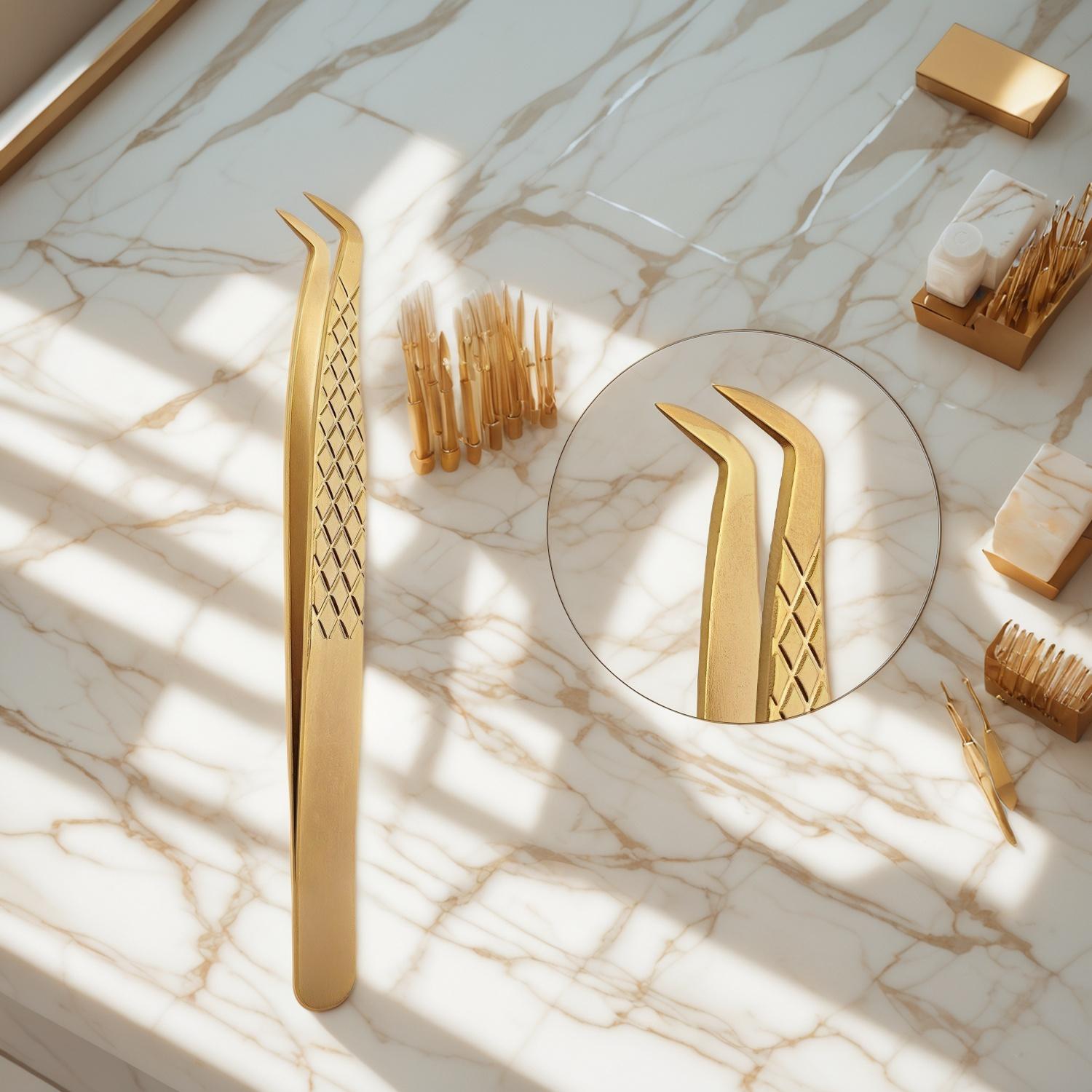
Wholesale Tweezers for Beauty, Manicure and Amenity Buyers
Wholesale tweezers are small beauty tools with an outsized effect on customer satisfaction. A pair that grips cleanly, aligns at the tips and feels controlled in the hand can support repeat use in a retail range, manicure kit, salon supply program or hotel amenity set. A pair that slips, bends, scratches nearby tools or arrives with rough finishing can create complaints even when the rest of the assortment is well planned.
For B2B buyers, the right question is not simply where to buy tweezers in bulk. The better question is how to match the tweezer type, material, finish, packaging and inspection expectations to the intended user and sales channel. Olimor Beauty supplies stainless steel beauty tools, including tweezers for practical grooming and precision beauty work. Buyers comparing Olimor beauty tool products can use the following guide to evaluate samples, brief suppliers and build a more dependable wholesale program.
Where Tweezers Fit in a Beauty and Manicure Range
Tweezers are used across several grooming and beauty tasks. In a manicure range, they may help lift nail decals, position wraps, handle small nail art pieces, remove tiny debris or support careful work around the nail area. In a broader beauty range, they may support brow grooming, lash application, travel grooming and general precision handling.
This range of use cases is important because one generic tweezer may not satisfy every customer. A salon technician may notice small differences in spring tension and hand comfort during repeated use. A beauty retail customer may judge the tool by tip alignment, finish and packaging clarity. A hotel amenity buyer may need a compact, easy-to-understand item that looks neat and is protected during packing.
Before asking for a wholesale quotation, define the primary channel. Is the tweezer intended for professional salon inventory, consumer retail, an e-commerce beauty bundle, a manicure tool set, a travel kit, a promotional program or a hotel amenity set? The answer affects how much emphasis should be placed on finish level, packaging format, tip protection, carton labeling, sample approval and after-sale expectations.
Key Selection Criteria for Wholesale Tweezers
A good wholesale tweezer evaluation should be practical and repeatable. Buyers do not need to become engineers, but they should check the features that affect real use. The most important points are tip alignment, gripping reliability, spring tension, surface finishing, hand feel and consistency across multiple pieces.
Tip alignment and working contact
The two arms should meet evenly at the working end. If the tips do not close together, the user may need several attempts to grip a fine hair, lash strip or small nail decoration. During sample review, look at the contact area from several angles and test the tool with items similar to the intended application.
Tip style and intended task
Different tip shapes serve different needs. Slanted tips are commonly selected for general brow grooming because they provide access and visibility. Pointed tips may be preferred for precision handling, such as small nail art components. Flat or broader tips may suit general gripping where a larger contact surface is useful. Buyers should avoid marketing every tweezer as suitable for every task; clear positioning reduces customer disappointment.
Grip tension and control
The arms should compress smoothly. If tension is too stiff, the hand may tire during repeated use. If it is too weak, the tool may feel unstable or fail to grip with confidence. For salon distributors and lash-related beauty programs, controlled opening and closing can be as important as appearance.
Material and finish suitability
The supplied product context identifies stainless steel beauty tools. Stainless steel is widely used in grooming tools because it can provide a durable, clean-feeling surface when properly finished and maintained. Buyers should still inspect each product line rather than relying on the material name alone. Look for visible burrs, rough edges, staining, uneven polishing or sharp areas along the arms and tip region.
Packaging compatibility
Packaging should protect the tips, fit the sales channel and support the buyer’s brand presentation. A retail card or pouch may need clear usage and care information. A manicure set insert should hold the tweezer securely so it does not scratch clippers, scissors or files nearby. A hotel amenity package should be compact, neat and simple for guests to understand.
Matching Tweezer Types to Buyer Channels
The best wholesale choice depends on how the tool will be sold and used. Over-specifying a basic amenity item can increase unnecessary complexity, while under-specifying a retail or professional item may result in returns or complaints. The comparison below helps purchasing, product and quality teams discuss the same practical criteria.
| Buyer or use case | Main priority | What to evaluate in samples | Common sourcing risk |
|---|---|---|---|
| Beauty retail brands | Reliable everyday grooming and consumer appeal | Tip alignment, surface finish, packaging style, clear care instructions | Attractive packaging paired with inconsistent gripping performance |
| Manicure tool suppliers | Fit within a coordinated tool range | Visual match with clippers, scissors and files; secure kit placement; tip protection | Tweezers that look different from the rest of the set or move during transit |
| Salon distributors | Comfort and consistency during repeated handling | Grip tension, ergonomic feel, repeated open-close testing, finish smoothness | One approved sample that does not represent bulk consistency |
| Lash and precision beauty programs | Controlled gripping and accurate release | Fine tip contact, hand angle, ability to hold delicate items without slipping | Tips that look fine but do not meet evenly under use |
| Hotel amenity providers | Compact convenience and clean presentation | Protective packaging, simple presentation, dependable general-purpose use | Packaging that looks neat but does not protect the tips during packing |
| Private label buyers | Brand consistency across the full range | Finish direction, packaging artwork, labeling space, inspection standards | Focusing on logo placement while neglecting functional inspection |
Quality Control Points from Production to Packaging
Wholesale tweezer quality should not be judged only from a product photo or a single display sample. Olimor Beauty emphasizes quality control attention from production through packaging, and buyers can make this more effective by defining the visible and functional checkpoints that matter for their market.
Start sample evaluation with several pieces. Open and close each tweezer repeatedly. Compare whether the tips meet consistently, whether the tension feels similar and whether the finish remains uniform across pieces. A perfect-looking single sample is helpful, but repeatability is what protects a wholesale program.
- Tip check: Confirm that the two arms meet at the working end and do not cross, twist or leave a visible gap that affects gripping.
- Functional test: Use the tweezer with realistic items such as lash strips, small nail decorations, fine paper pieces or similar test materials.
- Surface inspection: Look and feel for burrs, rough edges, inconsistent polishing, staining or areas that may scratch the hand or nearby tools.
- Spring feel: Compress the arms several times to identify uneven movement, overly stiff tension or weak return.
- Packaging protection: Check whether the tips are protected during transit and whether the package prevents movement inside a kit or carton.
- Carton and labeling review: For private label or export programs, confirm that product identification, packaging artwork and carton markings match the approved brief.
Some buyers use acceptance sampling standards such as ISO 2859-1 when building inspection plans. This does not replace product-specific judgment, and it does not mean a supplier is certified to that standard. Buyers should verify the applicable version, define acceptable quality criteria in writing and request supplier documentation that matches the order requirements.
Private Label and Export Considerations
Private label tweezer sourcing is not only about adding a logo. It is about making the product, packaging and user experience feel consistent with the buyer’s wider grooming range. If tweezers will sit beside nail clippers, scissors, files or other stainless steel tools, they should look coherent and meet a comparable quality expectation.
A clear private label brief should include the target market, intended use, preferred tip type, finish direction, packaging format, artwork needs, labeling requirements and inspection checkpoints. If the product will be sold internationally, leave room for market-specific compliance review by the buyer. Packaging claims should be simple, accurate and supportable. Overcrowded packaging or exaggerated performance language can create avoidable risk.
For consumer products, buyers may also need to consider market rules from public authorities such as the U.S. Consumer Product Safety Commission or European product safety requirements, depending on the destination market and product presentation. These are not Olimor certification claims. They are reminders that importers and brand owners should verify the current applicable rules, requested documents and labeling obligations for their own market.
How to Compare Wholesale Tweezer Suppliers
Supplier evaluation should combine product testing with communication quality. A reliable supplier should be able to discuss the intended use, packaging needs and quality checkpoints rather than only quote a unit price. For buyers building a full assortment, it is also useful to review whether the supplier can support related grooming tools so the range looks consistent.
When comparing suppliers, ask practical questions. How are samples approved before bulk production? Which inspection points are checked before packing? How are tips protected during shipment? Can packaging be adjusted for retail cards, pouches, sleeves, manicure kits or amenity packs? How should artwork and labeling files be prepared? What information is needed to quote accurately?
Buyers can review broader Olimor product collections when planning a coordinated manicure or grooming line. If a specific tweezer style is being considered, provide the target channel and application so the discussion stays focused on suitable options rather than generic bulk supply.
Cost Factors Without Guesswork
Wholesale tweezer cost depends on more than the metal tool itself. Buyers should avoid comparing quotations without checking whether the same assumptions are included. A lower quoted price may exclude packaging complexity, private label artwork, additional inspection expectations or carton labeling requirements.
Common cost factors include the tweezer type, finish direction, packaging format, order configuration, private label requirements, inspection scope and shipping arrangement. A simple amenity package and a retail-ready private label item may both be tweezers, but they are not the same sourcing project. The most useful quotation request explains the product use, sales channel, packaging expectation and any documentation the buyer requires.
Because MOQ, lead time and final price depend on the selected product and packaging details, buyers should request a current quotation rather than rely on assumptions. To start a project-specific discussion, submit details through Olimor’s inquiry page with the intended application, packaging preference and target market.
Buyer Checklist Before Placing a Wholesale Order
Use the following checklist before confirming a wholesale tweezer order. It helps keep the decision objective and reduces the chance of approving a product based only on appearance.
- Define the primary sales channel: retail, salon, manicure set, lash application, hotel amenity, travel kit or private label program.
- Choose the intended tip style based on the actual task, not only the visual look.
- Request samples and inspect several pieces for tip alignment, grip, tension and finish consistency.
- Test the tweezers with realistic use materials such as lash strips, nail art pieces or fine grooming tasks.
- Confirm that packaging protects the tips and suits the selling environment.
- Review artwork, labeling and carton information before bulk packing begins.
- Agree on functional and visual inspection points in writing.
- Verify any market-specific safety, labeling or documentation requirements with the applicable authority or qualified adviser.
- Keep an approved sample or clear approval record for future comparison.
Why Work With Olimor for Wholesale Tweezers
Olimor Beauty supplies stainless steel beauty tools for practical grooming use, including tweezers suitable for beauty, manicure and related personal care programs. For B2B buyers, the value is in discussing the tool as part of a real commercial project: who will use it, how it will be packaged, how it fits the wider product range and which inspection points matter before shipment.
Olimor’s role is not to replace the buyer’s own market compliance review or brand strategy. It is to support product selection, sample discussion, packaging coordination and practical quality expectations based on the buyer’s brief. If you are building a retail range, salon supply line, private label set or amenity program, you can contact Olimor with your requirements for a focused response.
FAQ
Can buyers request samples before confirming wholesale tweezers?
Sample discussion is a normal part of evaluating wholesale beauty tools. Buyers should use samples to check tip alignment, grip tension, surface finish, packaging fit and consistency across several pieces before approving a larger order.
Is there a fixed MOQ for Olimor wholesale tweezers?
MOQ can depend on the selected product, packaging format, customization requirements and order plan. Buyers should request current project-specific details rather than assume a standard quantity.
Can tweezers be customized for private label programs?
Private label requirements may include packaging artwork, finish direction, labeling needs or coordination with other manicure tools. Buyers should prepare a clear brief covering the target market, intended use and packaging format so customization can be reviewed accurately.
What quality checks should be requested before shipment?
Useful checks include tip alignment, grip performance, spring feel, surface smoothness, finish consistency, packaging protection and carton labeling. Buyers should define the inspection points that matter for their channel before production or packing is approved.
How should buyers estimate lead time and delivery planning?
Lead time depends on product selection, packaging requirements, customization, sample approval and shipping arrangements. The most reliable approach is to provide complete order details and request an updated schedule for the specific project.
Tag: