

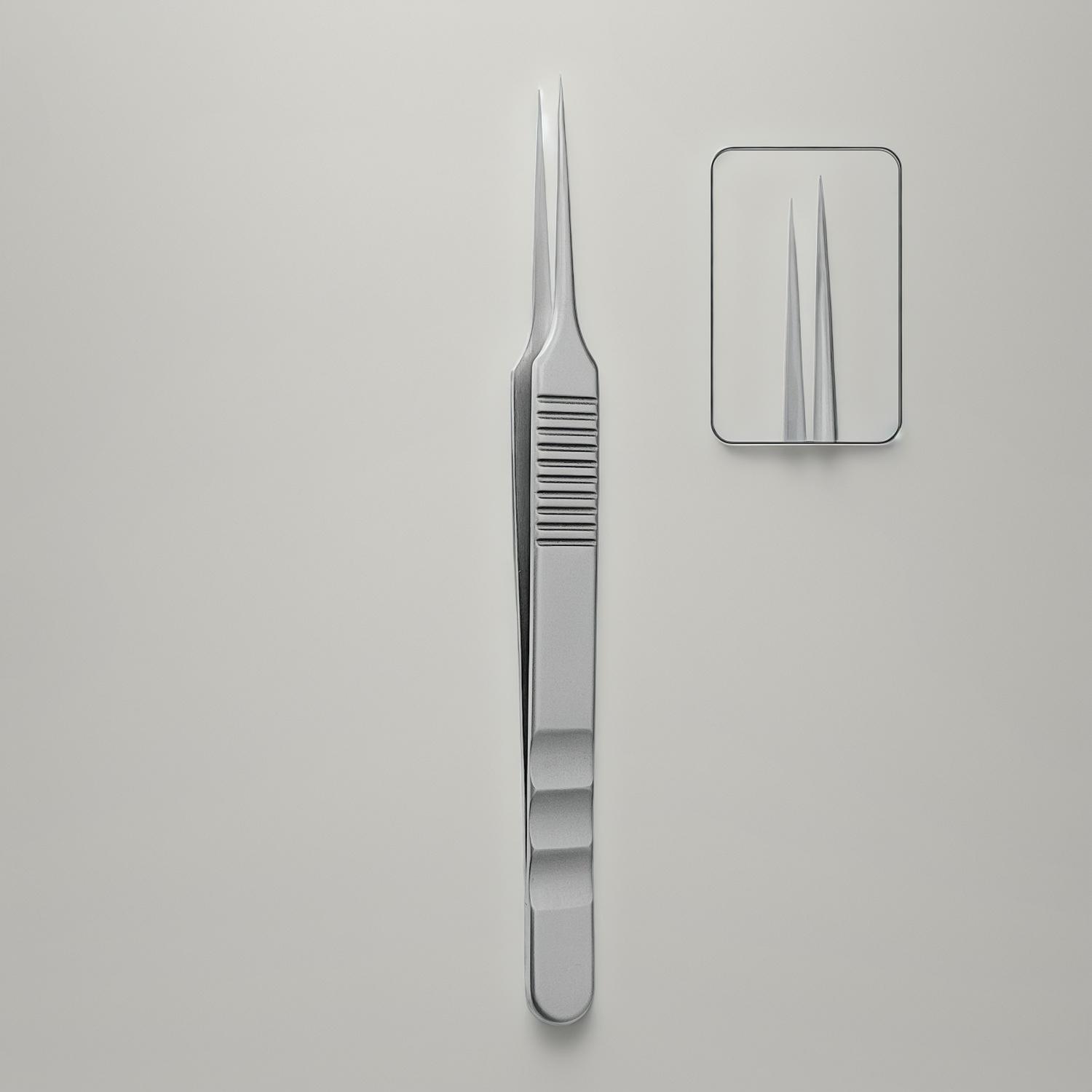
Tweezers Wholesale: How to Build a Reliable Beauty Tools Supply
Tweezers are small tools, but they have an outsized effect on customer satisfaction. A pair that grips cleanly, aligns at the tip, and feels stable in the hand can support brow shaping, false lash application, facial hair removal, nail art handling, and general grooming. A poorly selected pair can slip, pinch skin, rust too quickly, or create unnecessary returns. For salons, beauty retailers, hotel amenity suppliers, and private label buyers, tweezers wholesale sourcing should be treated as a product-quality decision rather than a simple bulk purchase.
Buying wholesale gives businesses a steady supply, more consistent presentation, and better planning for seasonal demand. It also allows buyers to standardize the types of tweezers offered across kits, counter displays, promotional sets, or manicure tool assortments. The key is knowing what to evaluate before placing a bulk order. This guide explains how to assess tweezer types, materials, finishing, packaging, private label options, and supplier communication so your beauty tool supply is easier to manage and more dependable for end users.
Why Tweezers Wholesale Matters for Beauty Businesses
Retail customers may buy one tweezer at a time, but professional buyers need continuity. A salon that uses tweezers daily cannot afford inconsistent replacement stock. A beauty store needs products that look uniform on shelf and meet customer expectations after purchase. A brand owner creating private label manicure tools needs a supplier that can keep product appearance and quality reasonably consistent across production runs.
Wholesale purchasing is especially useful when tweezers are part of a broader assortment. They may be sold individually, included in brow kits, paired with nail clippers and cuticle pushers, or offered as hotel amenity beauty tools. In each case, the tweezer is not only a functional item; it represents the perceived quality of the whole set. If the tips do not meet properly or the finish looks rough, customers may question the entire kit.
For buyers comparing beauty tool products, the wholesale decision should balance price, grip performance, finish quality, packaging, and repeat supply. The lowest unit cost is rarely the best value if it leads to higher complaints or uneven quality from carton to carton.
Match Tweezer Type to the Intended Use
Before discussing branding or packaging, define how the tweezers will be used. Different tip shapes solve different problems, and a mismatch can make even a well-made tweezer feel unsuitable.
- Slant tip tweezers: A practical everyday option for brow shaping and general hair removal. The angled tip gives visibility while still offering a broad gripping surface.
- Pointed tweezers: Useful for very fine tasks such as isolating tiny hairs, handling nail art pieces, or detailed cosmetic work. They require careful packaging because the tips can be more vulnerable.
- Flat tip tweezers: Better for gripping larger items or applying certain accessories, though less precise for fine hair removal.
- Curved or specialty tweezers: Often selected for lash application or tasks where hand position and visibility matter.
If your customers include lash technicians, salons, and retail consumers, one universal tweezer may not cover every use case. A small but clear assortment is often easier to sell than a broad range with unclear differences. Product pages, labels, and sales materials should describe the intended application honestly so buyers do not choose a pointed tweezer when they need a forgiving everyday brow tool.
Quality Details to Check Before Ordering in Bulk
Tweezer quality is visible in the details. Buyers do not need to become engineers, but they should evaluate a sample with the same attention a customer will bring to daily use. Focus on how the tool performs, not only how it looks in product photography.
Use the following checklist when comparing wholesale tweezers:
- Tip alignment: The two tips should meet evenly. Gaps, crossing, or uneven edges can cause slipping.
- Grip test: Try gripping a fine hair, thread, or thin paper. The tweezer should hold without excessive force.
- Tension: The arms should open and close smoothly. Too much stiffness causes hand fatigue; too little tension reduces control.
- Edge finishing: Check for rough corners, sharp unintended edges, or burrs that could scratch skin or packaging.
- Surface finish: Polished, matte, or coated finishes should look even, with no obvious staining or peeling on samples.
- Cleanliness: Tools should arrive clean and suitable for packaging, with protective measures for delicate tips where needed.
- Consistency: Review more than one sample. A single good sample is helpful, but consistency across multiple pieces is more meaningful.
Many buyers also consider stainless steel tools because they are commonly used in beauty and manicure categories. However, do not rely on material descriptions alone. The actual cutting, forming, finishing, and inspection process still determines whether a tweezer feels precise and durable in daily handling.
Wholesale Tweezers for Private Label Manicure Tool Lines
Private label manicure tools allow retailers, distributors, and beauty brands to create a more controlled product offering. Tweezers can be sold as standalone items or included in manicure and grooming kits. When planning a private label program, the tweezer should be selected to match the end customer and the overall price position of the line.
Branding decisions may include logo placement, handle finish, color treatment, pouch selection, card packaging, box style, and barcode or label requirements. These choices should support usability rather than distract from it. A strong logo on a tweezer that does not grip well will not build repeat sales. Start with performance, then refine appearance.
For buyers reviewing product collections, it can help to compare tweezers alongside nail clippers, cuticle tools, scissors, and other manicure accessories. Consistent finishes and packaging can make a product line feel cohesive. At the same time, every tool should still be evaluated on its own function. A tweezer used near the eye or face has different expectations than a tool used only for packaging or nail decoration.
Sourcing from a Manicure Tools Exporter in Guangdong
Guangdong is widely recognized as a major manufacturing and export region for beauty and manicure tools. For wholesale buyers, working with a manicure tools exporter in Guangdong can be practical because the region supports a broad supply chain for metal tools, finishing, packaging, and export coordination. This can be helpful when tweezers are part of a larger beauty tool order rather than a single-item purchase.
When evaluating an exporter, focus on clear communication and sample-based confirmation. Product descriptions should be specific enough to distinguish tip type, finish, packaging method, and intended use. Photos are helpful, but they cannot fully show grip feel or alignment. Physical samples remain important for judging whether a tweezer fits your market.
It is also wise to prepare your own buyer specification sheet. Include the tweezer type, target use, finish preference, packaging idea, logo needs, inspection concerns, and shipping destination. This reduces confusion and makes comparisons between suppliers more reliable. If you are building a branded line or preparing a hotel amenity supply program, include any presentation requirements early so packaging and tool selection can be considered together.
Packaging, Storage, and Handling Considerations
Packaging is not only about shelf appearance. It protects the tweezer tip, reduces scratching during transit, and gives the customer useful information. For pointed or precision tweezers, tip protection is particularly important. Even slight deformation can affect grip performance.
Common packaging directions include individual poly bags, blister cards, paper cards, pouches, tubes, or gift boxes. The right choice depends on your sales channel. Retail shelves may need hanging cards or visible product windows. Salon supply orders may prioritize simple protective packaging. Hotel amenity kits may require compact, clean presentation. Private label programs may need a balance of branding and cost control.
Storage should also be considered after delivery. Keep tweezers dry, organized, and protected from pressure on the tips. If products are repacked locally, staff should handle pointed ends carefully and avoid mixing different styles without clear labeling. Small errors in sorting can create customer confusion when two tip shapes look similar at a glance.
How to Compare Wholesale Offers Without Relying Only on Price
Wholesale quotes can vary for many reasons, including material, finish, packaging, customization, inspection level, and order details. A useful comparison looks beyond the unit price and asks what is included. Are the tweezers individually protected? Is logo application part of the quote? Is the packaging final or only a placeholder? Are samples representative of the intended bulk product?
For a more practical comparison, create a simple evaluation table for each supplier or sample:
| Evaluation Area | What to Check | Why It Matters |
|---|---|---|
| Tip precision | Alignment, closure, grip test | Determines real user satisfaction |
| Finish | Surface evenness, burrs, scratches | Affects appearance and comfort |
| Packaging | Protection, label clarity, retail fit | Reduces damage and improves saleability |
| Branding | Logo placement and durability expectations | Supports private label presentation |
| Order communication | Clear specifications and sample confirmation | Reduces mistakes before bulk production |
This kind of comparison helps procurement teams make a decision based on the full product experience. It is especially useful when tweezers are being added to an existing beauty tools assortment and must match the expectations already set by your other products.
Build a Better Tweezer Supply Plan with Olimor Beauty
A dependable tweezers wholesale program starts with clear product goals: who will use the tool, what tasks it must perform, how it will be packaged, and how it fits into the broader manicure or beauty tool range. Olimor Beauty supports buyers looking for professional beauty tools, private label manicure tools, and export-ready product planning from Guangdong. The most successful projects begin with specific requirements and careful sample review rather than vague requests for the cheapest tweezer available.
If you are comparing tweezer styles, developing a private label tool line, or adding grooming tools to a salon, retail, or amenity supply program, prepare your preferred tip type, finish, packaging format, and target sales channel before ordering. To discuss available options, contact Olimor or send an inquiry with your sourcing details. A focused brief makes it easier to match the right wholesale tweezers to your customers and avoid unnecessary changes later in the process.
Tag: