

Wholesale Tweezers for Beauty Tool Brands: What to Check Before You Buy
For beauty tool retailers, salon suppliers, lash brands and private label businesses, tweezers are small products with a large impact on customer trust. A tweezer that feels balanced, grips cleanly and stays aligned through repeated use can support repeat orders. A poorly finished tool, by contrast, can lead to complaints even when the packaging looks attractive. When sourcing tweezers wholesale, the buying decision should go beyond price per piece and focus on the details that affect daily performance.
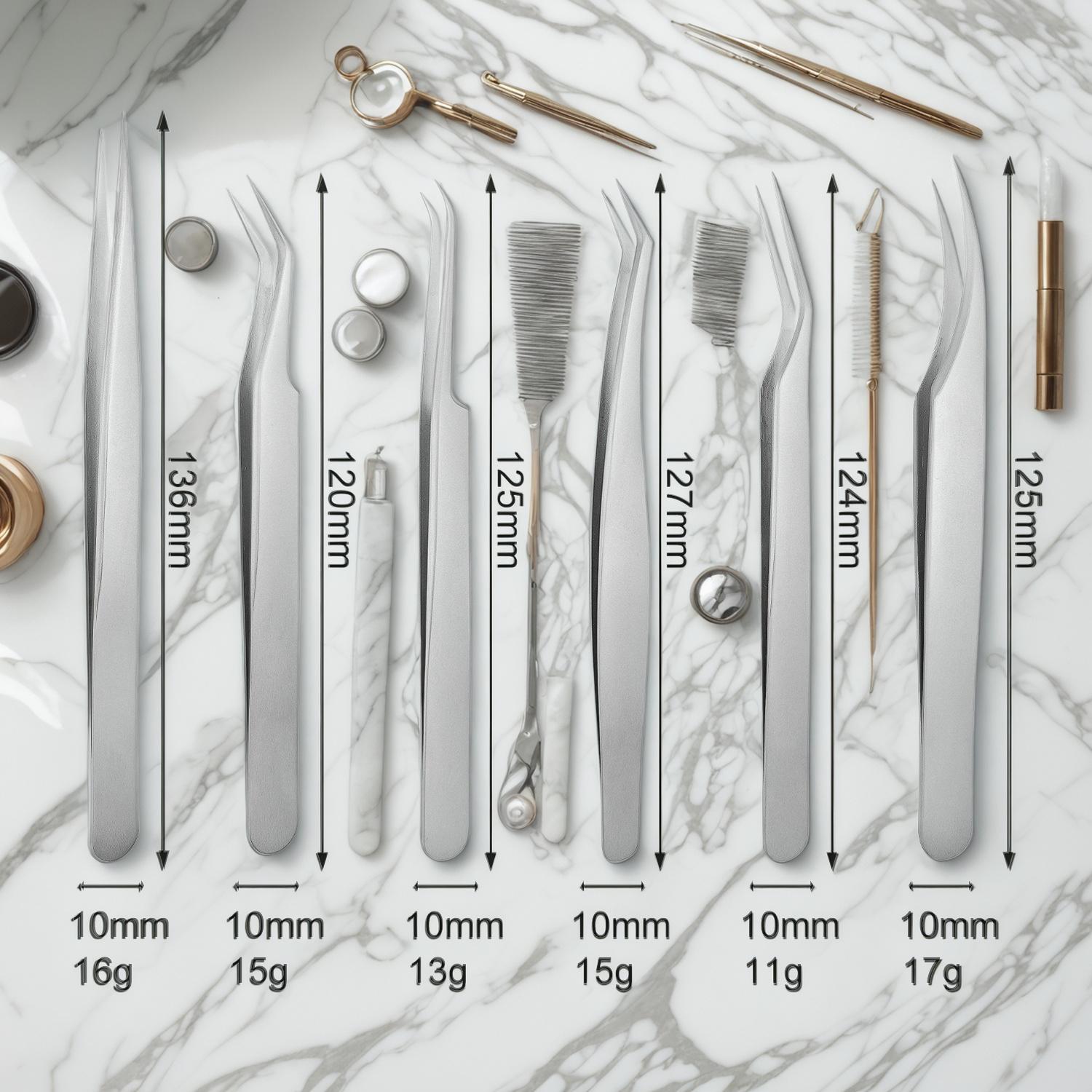
Olimor Beauty supplies professional beauty tools for businesses that need practical, durable and consistent instruments. The existing Olimor range includes stainless steel tweezers such as a 120mm curved model and a 136mm straight-tipped variant, giving buyers options for different use cases. Whether your audience includes lash technicians, brow artists, manicure professionals or general beauty consumers, the most important sourcing questions are the same: how accurately do the tips meet, how comfortable is the tool to hold, how consistent is the finish, and how well does the supplier support your brand requirements?
This guide explains how to evaluate wholesale tweezers for a beauty tools business, including tip selection, material considerations, ergonomic details, quality control and private label planning.
Match Tweezer Styles to the Work Your Customers Do
The best tweezer for one task may not be the best tweezer for another. Before placing a wholesale order, define the main use cases for your customer base. A lash studio may prioritize fine control and curved access, while a brow-focused retail kit may need a straight or slanted gripping surface. A manicure or grooming kit may require a tool that is easy to handle for occasional users rather than only highly trained professionals.
Olimor Beauty references both a 120mm curved tweezer and a 136mm straight-tipped tweezer in its range. Those two forms illustrate an important sourcing principle: length and tip geometry influence control. A curved tweezer can help users approach delicate work from a more comfortable angle, while a straight-tipped variant may support direct gripping and controlled placement. The right mix depends on how the tweezers will be sold and used.
- Lash application: curved or fine-tip designs can help with isolation, pickup and placement when precision is essential.
- Brow grooming: straight, slanted or fine gripping edges should meet evenly to remove individual hairs cleanly.
- Manicure and grooming kits: comfort, safe handling and durable finish matter because the tools may be used by a broad range of consumers.
- Professional resale: consistent tension and repeatable tip alignment are more important than decorative features.
- Private label sets: choose styles that complement the rest of the kit rather than duplicating the same function.
If you are still developing your assortment, review Olimor’s broader beauty tool products to compare tweezers with related manicure, grooming and beauty instruments.
Stainless Steel, Finish and Durability: What Buyers Should Evaluate
The original Olimor tweezer information highlights high-quality, tarnish-resistant stainless steel. That matters because tweezers are handled frequently, exposed to skin oils, cleaned regularly and often stored in bathrooms, salons or travel kits. For wholesale buyers, the goal is not only a polished appearance at delivery; it is reliable performance after repeated handling.
When evaluating stainless steel tweezers, look closely at the surface finish, edges and joining point. A smooth surface is easier to wipe clean and less likely to feel rough in the hand. Tip edges should look cleanly formed rather than uneven or overly sharp in areas that contact the skin. The arms should open and close without a scraping sensation, and the tool should not feel flimsy when pressure is applied.
Because specific steel grades, coating types and testing data should be confirmed for each order, buyers can use a neutral checklist during sampling:
- Inspect the finish under bright light. Look for discoloration, pits, burrs, visible scratches or inconsistent polishing.
- Test the tip meeting point. Close the tweezer slowly and check whether the tips meet evenly from side to side.
- Grip a fine sample material. Use a thin fiber, artificial lash or similar item to test pickup without excessive force.
- Check arm tension. The tweezer should not require tiring pressure, but it should spring back cleanly.
- Review cleaning compatibility. Confirm that the intended cleaning method suits the finish and packaging instructions.
These checks help separate a decorative item from a professional beauty implement. They are especially important if the tweezers will be used in salons, lash studios or high-frequency retail environments.
Why Ergonomics Matter in Wholesale Tweezers
Ergonomics are often treated as a marketing phrase, but for tweezers they directly affect accuracy. Olimor Beauty notes that its tweezer designs are developed to reduce hand fatigue and provide maximum control during delicate procedures. For professional users, a small difference in tension or grip shape can become noticeable during a full workday. For consumers, easier handling can improve confidence and reduce accidental slipping.
When you compare samples, ask multiple people to hold and use the tools. A buyer, lash technician and general consumer may notice different issues. Some users prefer a longer body for reach and stability, while others want a compact tool for close control. The important point is consistency: once you select a tweezer style, bulk production should match the approved feel as closely as possible.
Ergonomic evaluation should include three areas. First, consider the contact area where fingers rest. It should feel stable without sharp edges. Second, assess the resistance required to close the arms. Excessive tension can tire the hand; weak tension can reduce control. Third, check visual access to the tips. In precision work, the user must see the working point clearly, especially for lash and brow applications.
If you plan to sell tweezers as part of curated beauty sets, browse Olimor product collections to consider how tweezer shape, size and finish can fit with other tools in the same retail concept.
Quality Control Points That Protect Your Brand
Olimor Beauty emphasizes internal quality control from raw stainless steel inspection through final packaging. For wholesale buyers, this type of process is important because tweezer quality is highly detail-dependent. Two tools can look similar in photos but perform very differently when the tips are tested.
Before confirming a larger wholesale order, define what you will inspect in the sample stage and what should remain consistent in production. A written quality reference helps avoid misunderstandings. It can include approved samples, finish expectations, packaging layout, logo position if private labeling is used, and acceptable tolerance for cosmetic marks.
| Quality area | What to check | Why it matters |
|---|---|---|
| Tip alignment | Tips meet evenly without gaps or crossing | Determines gripping precision |
| Surface finish | No burrs, rough edges or obvious discoloration | Affects comfort, appearance and perceived value |
| Arm tension | Consistent resistance and clean spring-back | Reduces hand fatigue and improves control |
| Shape consistency | Length, curve and tip form match the approved sample | Protects product consistency across batches |
| Packaging condition | Clean, secure and suitable for retail or professional supply | Prevents damage and supports brand presentation |
For retailers and distributors, packaging condition can be as important as the tool itself. A scratched or loose package may make a good tweezer appear low quality. If the product is shipped to salons, e-commerce customers or beauty supply stores, packaging should protect the tips and keep each unit clean until use.
Private Label Tweezers: Build a Focused Product Line
Private label tweezers can help beauty businesses create a more complete branded assortment without building manufacturing from the beginning. Olimor Beauty offers private label options for manicure and beauty tools, allowing businesses to place their branding on professionally made instruments. The key is to plan private labeling around customer need rather than adding a logo to a random tool.
Start with the role the tweezer plays in your range. Is it a standalone professional tool, an add-on for a lash kit, part of a brow grooming set or one item in a manicure collection? The answer affects the style, packaging, instruction language and retail positioning. A professional lash tweezer may need minimalist packaging and clear handling guidance, while a consumer brow tweezer may benefit from retail-friendly presentation and simple care instructions.
Private label buyers should prepare artwork files, logo placement preferences and packaging goals early. At the same time, avoid overcomplicating the first order with too many finishes, shapes or package versions. A narrow, well-tested range is easier to manage and improves consistency. Once sales data is available, additional tweezer shapes or matching beauty tools can be added with more confidence.
To discuss branding, packaging direction or a wholesale sourcing plan, you can send an inquiry or contact Olimor with your target market and intended use case.
Care, Handling and Retail Guidance for End Users
Good wholesale sourcing does not end when the products arrive. Clear care information helps customers maintain the tool and reduces preventable complaints. Stainless steel tweezers are durable, but their performance depends on the tip condition. Dropping a tweezer on a hard surface can affect alignment, and storing it loose in a crowded cosmetic bag can damage the working edge.
Retailers can improve the user experience by including simple care guidance. Recommend wiping the tool clean after use, keeping the tips protected during storage and avoiding use on materials that could bend or blunt the gripping edge. For professional environments, care instructions should align with the user’s hygiene procedures and any applicable local requirements.
If selling online, include close-up photos of the tip style, length information where available and a clear description of intended use. Avoid promising one tweezer will perform every task. Specific, honest product pages attract better-fit customers and reduce returns.
How to Choose the Right Wholesale Tweezer Partner
A reliable supplier should help you make practical product decisions, not just provide a catalog. For wholesale tweezers, look for experience with beauty tools, attention to stainless steel finishing, consistent quality control and the ability to support private label requirements when needed. Olimor Beauty’s focus on professional beauty implements, stainless steel construction, ergonomic design and production-stage quality checks makes it a relevant partner for businesses building a beauty tools assortment.
The strongest wholesale programs begin with a clear brief: target customer, use case, preferred tweezer style, packaging needs and brand positioning. With those details in place, it becomes easier to compare samples, confirm quality expectations and build a product line that customers can trust. For beauty tool businesses, a well-made tweezer is not just a small accessory. It is a daily-use instrument that reflects the reliability of the brand printed on it.
Tag: