

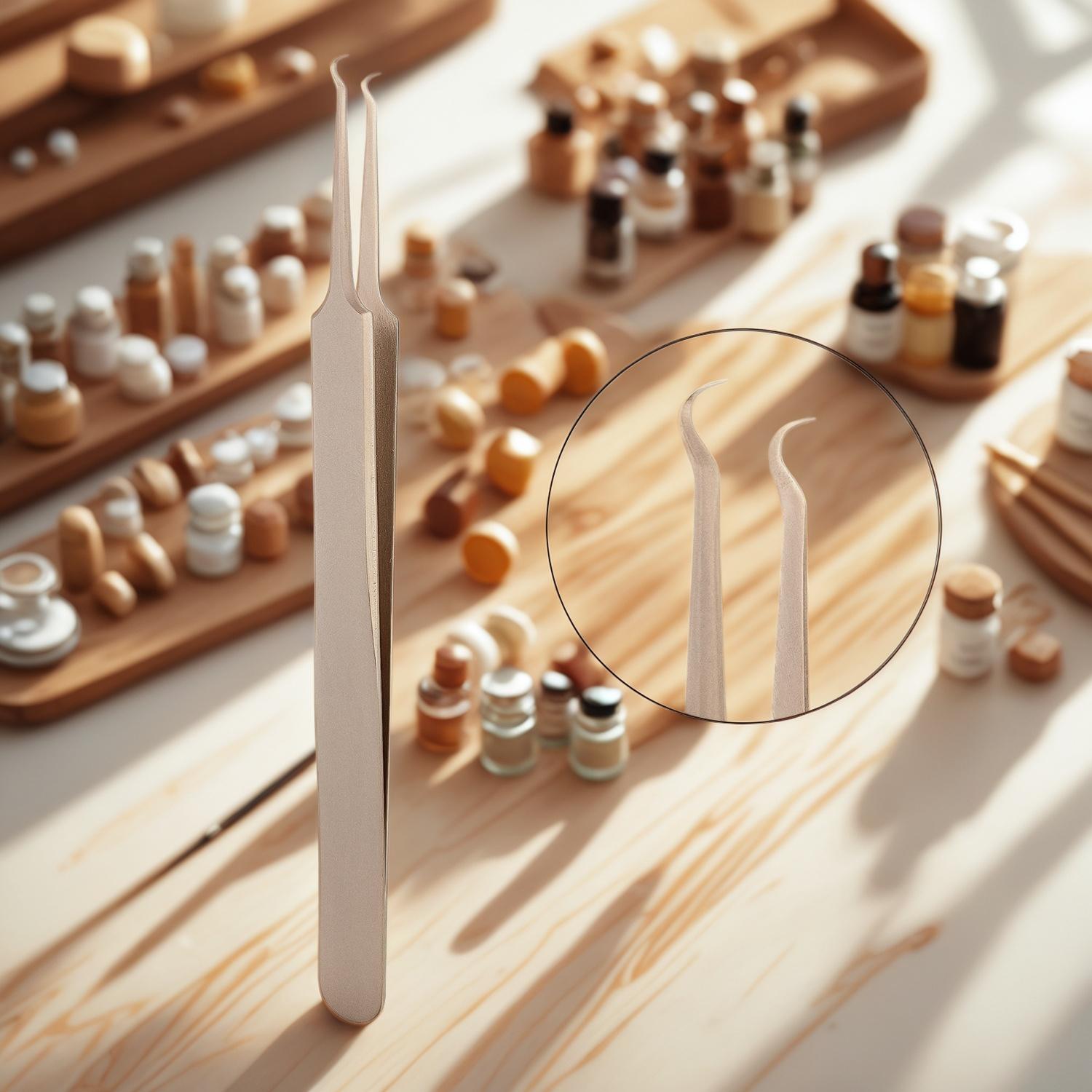
Tweezers Wholesale Buying Guide for Salons, Retailers and Hotel Amenities
Tweezers look simple, but buyers know they can quickly expose weaknesses in a beauty tool line. A poorly aligned tip misses fine hair, a rough edge scratches skin, and a weak finish can make a retail product feel inexpensive before it is even used. For salons, retail beauty brands, travel kits and hotel amenities, sourcing tweezers wholesale requires more than comparing unit prices. The real goal is to choose a tool that performs consistently, looks appropriate for the end market and can be packaged in a way that supports your brand.
This guide explains what to evaluate when buying professional tweezers in bulk, including tip design, stainless steel construction, finish, quality inspection, packaging and private label decisions. It is written for purchasing teams, brand owners, distributors, hotel supply buyers and anyone building a practical beauty tool range. If you are reviewing complementary items at the same time, Olimor Beauty also offers broader beauty tool products and organized product collections for comparison.
Why Tweezer Quality Matters in Wholesale Beauty Tools
Tweezers are often judged in the first few seconds of use. The customer grips the tool, presses the arms together and tests whether the tips meet cleanly. If the tool pulls hair without slipping or breaking it, the product earns trust. If not, the customer may question the entire kit or brand, even if the other items are acceptable.
For business buyers, this makes tweezers a high-impact item. They are used in brow grooming, facial hair removal, splinter removal, nail care preparation and travel grooming kits. They may be sold as single tools, included in manicure sets, supplied to hotels, or used as part of a salon service. In all of these channels, consistency is more important than one impressive sample. The wholesale order must match the approved sample closely in grip feel, tip closure, appearance and packaging condition.
When sourcing, consider the setting in which the tweezer will be used. A retail customer may focus on finish, color and packaging. A salon buyer may care more about tip accuracy and easy sanitation. A hotel amenity buyer may need a compact, clean presentation that feels safe and practical for guest use. The same basic product category can require different priorities depending on the audience.
Key Qualities of a Professional Tweezer
A professional tweezer should combine accurate tip alignment, stable tension and a material choice that supports repeated cleaning. The original buying principle remains simple: look beyond price and evaluate whether the tweezer can remove fine hair, ingrown hairs or small particles with control. Stainless steel is commonly preferred for professional beauty tools because it is durable, rust-resistant and easier to sanitize than many lower-grade alternatives. However, buyers should still evaluate the real sample, not rely only on a material description.
The tip is the most important working area. Fine, needle-like tips can be useful for precision tasks, while slanted tips are often preferred for eyebrow shaping because they offer a wider contact point and a comfortable working angle. Straight tips may be suitable for general grooming or kit use. Whatever the shape, both sides of the tip should meet evenly without visible gaps, twisting or misalignment.
- Tip closure: The two ends should touch evenly from edge to edge, not only at one corner.
- Grip tension: The arms should close with controlled pressure, avoiding both stiffness and a loose, weak feel.
- Edge smoothness: The working edges should grip hair but should not feel sharp enough to scratch skin during normal use.
- Surface finish: Polished, matte or coated finishes should look consistent across the batch, with no rough spots, stains or peeling.
- Ergonomics: The shape should allow stable finger placement, especially for salon users who repeat the same movement many times.
Comfort is not only a luxury feature. A tweezer that is hard to press or difficult to control can cause hand fatigue, inaccurate pulling and poor user reviews. For wholesale programs, a balanced grip helps reduce complaints across different user groups.
Matching Tweezer Types to the Sales Channel
Not every buyer needs the same tweezer. Before confirming a wholesale order, define the primary use case. A product that is ideal for a brow-focused retail brand may not be the best fit for a hotel amenity kit or a basic manicure set. Clear positioning helps prevent over-specifying a low-cost item or under-specifying a product that customers will judge closely.
| Buying scenario | Recommended focus | What to check in samples |
|---|---|---|
| Salon or brow service use | Precise tip alignment, strong grip, easy sanitation | Hair removal performance, hand comfort and stainless steel finish |
| Retail beauty tool display | Appearance, packaging, consistent finish and perceived value | Surface quality, color consistency, retail card or box presentation |
| Hotel amenity beauty tools | Compact size, safe presentation and reliable basic function | Protective tip cover, clean packaging and guest-friendly handling |
| Manicure or travel kit inclusion | Fit with other tools, balanced cost and practical usability | Size compatibility, kit layout and corrosion resistance |
This type of channel mapping also makes supplier communication clearer. Instead of asking for a general wholesale tweezer, buyers can describe the intended application, packaging environment and performance expectation. That usually leads to more relevant samples and fewer rounds of revision.
How to Evaluate a Manicure Tools Supplier
A reliable manicure tools supplier should have a repeatable approach to production and inspection. For tweezers, the most important quality checks are not complicated, but they must be performed consistently. Raw material condition, forming accuracy, polishing quality, tip finishing and final packaging all affect the product that reaches your customer.
When reviewing a supplier, focus on evidence of process control rather than broad promises. Ask for clear sample approval steps, confirm how bulk goods are checked against approved samples and review packaging options before production. If you are sourcing from an experienced manicure tools exporter in Guangdong or another manufacturing base, it is still important to define your own acceptable quality criteria in writing.
- Confirm the sample standard. Keep approved samples for shape, tension, finish and packaging reference.
- Define inspection points. Include tip alignment, surface defects, tension consistency, cleanliness and packaging damage.
- Check batch consistency. Compare multiple pieces from a sample lot, not only one hand-selected piece.
- Review packaging fit. Make sure the tweezer does not move excessively, puncture packaging or arrive with exposed sharp tips.
- Plan reorder control. Confirm that future orders will follow the same approved construction and presentation unless changes are agreed.
These steps are useful whether you are buying for a small brand launch or a larger distribution program. They help reduce misunderstandings and make quality discussions more objective.
Private Label and Packaging Decisions
Private label manicure tools can help a beauty brand, hotel group or retailer build a more unified presentation. For tweezers, private label decisions usually involve logo placement, surface finish, color direction, tip cover, backing card, pouch, box or inclusion inside a set. The right choice depends on the selling environment and how much space is available for branding.
A minimal logo on the tweezer body may be suitable for a refined retail product, while a clear branded card may work better for hanging displays. For hotel amenity beauty tools, the packaging should protect the tip, stay hygienic before use and match the surrounding guest amenity style. If the tweezer is part of a manicure kit, the internal layout matters: the tool should be secured so it does not scratch nail clippers, scissors or other accessories during transit.
Buyers should also think about color and coating carefully. Decorative finishes can improve shelf appeal, but the finish must be appropriate for the use environment. A bright color may suit a youth retail line, while a simpler polished or matte appearance may be better for professional grooming or hotel supply. The finish should not interfere with grip, cleaning or the precision of the tip.
Maintenance Guidance to Reduce Customer Complaints
Even a well-made tweezer benefits from proper care. Including simple maintenance instructions in packaging or product pages can reduce avoidable complaints and help users get better results. Instructions should be practical and not exaggerated. For example, users can be advised to wipe the tweezer after use, keep the tip dry and store it with a protective cap if supplied.
For salon settings, sanitation practices should follow the salon’s own hygiene procedures and local requirements. From a sourcing perspective, this is why stainless steel construction and smooth finishing are valuable. Crevices, rough polishing marks or poorly finished coatings can make cleaning more difficult and can reduce confidence in the tool.
- Clean residue from the tips after each use.
- Dry the tweezer before storage to help protect the finish.
- Avoid dropping the tool, as impact can misalign the tips.
- Use the correct tweezer type for the task; do not force fine tips on heavy materials.
- Keep a tip cover or protective sleeve in place during transport when available.
These points are especially useful for retail beauty brands because they can be turned into concise care copy on packaging, inserts or online listings.
Wholesale Buyer Checklist Before Placing an Order
Before committing to a wholesale tweezer order, bring commercial, technical and branding requirements together. A low price is not helpful if the tool does not grip fine hair or if the packaging looks inconsistent on the shelf. At the same time, not every project needs the most premium specification. The best decision is the specification that fits your user, channel and brand promise.
Use the following checklist during sample review and quotation comparison:
- Which tweezer tip shape best matches the intended use: slanted, straight, pointed or another design?
- Does the sample grip fine hair cleanly without excessive pressure?
- Are the tips aligned evenly across several sample pieces?
- Is the stainless steel surface smooth, clean and suitable for the sales channel?
- Does the finish match the brand direction and remain practical for handling?
- Is a protective tip cover, pouch, card or box needed?
- Will the tool be sold alone, packed in a manicure set or included in hotel amenities?
- What logo placement and packaging artwork are required for private label use?
- How will the approved sample be used as the reference for production?
- What inspection points will be checked before shipment?
If you are planning a new tweezer order, building a private label beauty tool set or comparing manicure tool options, you can send an inquiry with your target channel, packaging idea and sample requirements. For broader sourcing discussions, you may also contact Olimor to review practical options for your market.
Building a Better Tweezer Program
A strong wholesale tweezer program is built on small details: accurate tips, comfortable tension, clean stainless steel finishing, suitable packaging and clear quality expectations. These details determine whether the product feels reliable in the hand and whether customers associate your brand with practical performance.
For salons, retailers and hotel suppliers, the best approach is to define the user first, then choose the tweezer type and packaging around that use. With careful sample evaluation and a supplier process focused on consistency, tweezers can become a dependable part of a professional beauty tool range rather than a low-priority accessory. Olimor Beauty supports buyers who want to source beauty tools with a clear purpose, practical presentation and attention to everyday use.
Tag: