

Tweezers Wholesale for Beauty Brands: How to Source Precision Tools with Confidence
For a beauty brand, lash studio, salon distributor or retail buyer, tweezers are small tools with a large impact on customer experience. A tweezer that does not close evenly, feels uncomfortable in the hand or loses alignment too quickly can create frustration for the end user and reflect poorly on the brand printed on the packaging. That is why sourcing tweezers wholesale should be treated as a product-quality decision, not only a price comparison.
Olimor Beauty supplies professional beauty tools, including stainless steel instruments designed for grooming, manicure and lash-related use. When buyers evaluate wholesale tweezers, the most important questions are practical: Does the tip meet cleanly? Is the grip comfortable for repeated use? Can the tool support the intended application? Is there a dependable quality control process before packaging? This guide explains how to assess those points and how to plan a private label tweezer line without relying on vague claims.
Why Tweezer Quality Matters in Wholesale Beauty Tools
Tweezers are often one of the most handled products in a beauty tool assortment. Customers may use them for brow shaping, facial grooming, nail work support or false lash application. In each case, the performance depends on alignment, tip shape, tension and surface finish. A tool may look acceptable in packaging, but if the tips are uneven or the handle tension is tiring, the user will notice immediately.
For wholesale buyers, consistency is just as important as a good sample. A single sample can show the design direction, but a sellable product line requires stable production standards. Olimor Beauty emphasizes internal quality control through the production process, from raw material sourcing to final packaging. For buyers, this kind of process matters because the end customer expects every unit in the order to behave like the sample they chose.
There is also a branding dimension. Tweezers are frequently purchased as everyday tools, giftable beauty accessories or add-ons within a manicure or lash assortment. If the product feels precise and dependable, it can help build trust in the wider beauty tool range. If it feels cheap or inconsistent, customers may be reluctant to try other items from the same brand.
Key Selection Criteria for Wholesale Tweezers
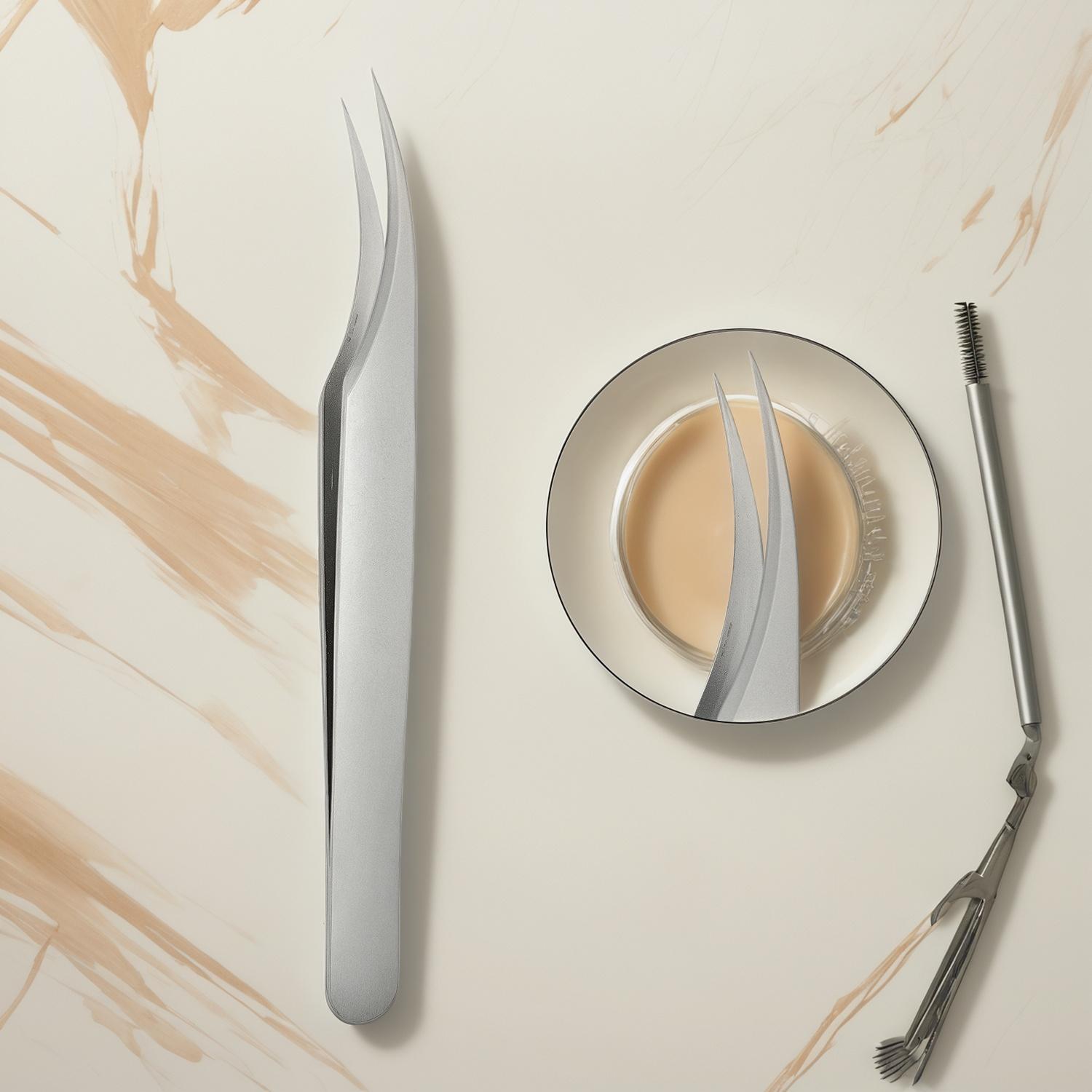
Before comparing suppliers, define the use case clearly. A tweezer intended for false lash application is not judged exactly the same way as a tweezer intended for general grooming. Olimor Beauty highlights the False Lash Tweezer as an example of a stainless steel tool with a curved tip and ergonomic grip for lash placement. That style supports controlled handling near the eye area, while other tweezer shapes may be better suited to gripping fine hairs or assisting manicure work.
Use the following criteria to compare wholesale tweezer options in a structured way:
- Tip alignment: The two tips should meet cleanly and evenly. Misalignment reduces grip and makes detailed work harder.
- Tip shape: Curved, slanted, pointed or flat shapes serve different purposes. Match the shape to the customer’s main use case.
- Material choice: Stainless steel is valued in beauty tools for durability and a clean professional feel. The supplied product information also describes Olimor Beauty’s stainless steel instruments and corrosion-resistant stainless steel for the false lash tweezer.
- Hand feel: Ergonomic design matters for salon users and frequent at-home users. A tweezer should not require excessive pressure to close.
- Surface finish: Edges should feel smooth where the tool contacts the fingers. A rough finish can make the product feel unfinished.
- Packaging readiness: Private label buyers should consider whether the tool, packaging and instructions fit the brand’s retail channel.
- Quality control: Look for a process that checks the tool before final shipment, not only after complaints occur.
Matching Tweezer Types to Real Customer Use Cases
A strong wholesale assortment starts with the customer’s routine. Beauty brands sometimes add too many similar-looking tools without explaining why each one exists. A clearer approach is to map each tweezer style to a use case and position it accordingly in product pages, packaging or retail displays.
| Use case | Helpful tweezer qualities | Buyer consideration |
|---|---|---|
| False lash application | Curved tip, controlled grip, comfortable handling | Useful for lash-focused assortments and beauty kits |
| Brow grooming | Precise tip meeting, balanced tension, easy control | End users value clean grip on fine hairs |
| Manicure support | Durable stainless steel feel and stable handling | Can complement other manicure tools in a retail set |
| General grooming kits | Reliable everyday grip and simple packaging | Best when the product is easy to understand at shelf level |
This table is not a specification sheet; it is a planning tool. It helps buyers decide whether they need one focused tweezer style or a broader selection. You can explore related beauty tool products to see how tweezers may fit alongside manicure tools, grooming tools and lash accessories.
Private Label Tweezers: Building a Cohesive Product Line
Private label beauty tools allow a brand to turn a standard utility item into a recognizable part of its own assortment. Olimor Beauty provides private label manicure tools, and that capability is relevant for buyers who want tweezers to sit consistently beside nail tools, lash tools or grooming products. The goal is not only to add a logo. The product should feel aligned with the brand’s customer, price position and retail presentation.
When planning a private label tweezer order, define the following before finalizing the product direction:
- Target customer: Decide whether the buyer is a professional lash technician, salon user, beauty enthusiast or mass retail shopper.
- Main application: Choose the tweezer tip and shape around the primary task, such as lash placement or grooming.
- Assortment role: Determine whether the tweezer is a standalone item, part of a kit or an accessory within a manicure tools range.
- Packaging message: Keep claims factual. Highlight material, intended use and care guidance instead of broad promises.
- Inspection expectations: Confirm what should be checked before packaging, including tip alignment, finish and product appearance.
A consistent private label line can help buyers reduce customer confusion. If a tweezer is sold with nail tools, lash tools or grooming accessories, customers should understand why it belongs there. Buyers can browse product collections when considering how to group tools by use case or retail theme.
Quality Control Questions That Protect Your Brand
Quality control for tweezers should focus on the details customers can feel. Olimor Beauty describes thorough inspections during production and final packaging, which is important because small metal tools depend on precision. A buyer does not need to invent complicated requirements, but it is useful to set a practical review checklist before confirming an order.
Consider checking these points when evaluating samples or order approvals:
- Do the tips meet evenly without visible gaps?
- Does the tweezer grip the intended material without slipping?
- Is the closing tension comfortable for repeated use?
- Are the edges and finger contact areas smooth?
- Does the tool sit securely in its packaging?
- Is the product information clear about intended use and care?
- Do the finish and appearance match the approved sample?
These checks are especially important for beauty brands that sell online, where customers cannot test the tool before purchase. Clear product positioning and reliable finishing reduce the risk of disappointed reviews. For distributors and retailers, consistent inspection also supports smoother replenishment because repeat orders should match the original product experience.
Sourcing from a Manicure Tools Supplier in Guangdong
Olimor Beauty is described as an experienced manicure tools exporter in Guangdong, which is relevant for international buyers looking for beauty tool sourcing support. Guangdong has a long manufacturing and export background across many product categories, and buyers often look there for practical production coordination. For tweezers and related beauty instruments, sourcing is not only about location. It is about whether the supplier understands precision tools, packaging expectations and export communication.
Wholesale buyers should compare suppliers based on evidence and process rather than broad promotional language. Useful sourcing conversations include material options, sample review, packaging direction, inspection standards and shipping preparation. If sustainability is part of the buying strategy, the original product information notes recyclable grooming tools bulk orders and a focus on durable, long-lasting products that help reduce waste. Buyers can include durability and recyclability considerations in the product brief while keeping claims accurate for their market.
It is also wise to think beyond the first order. A tweezer may become a core SKU if it performs well, so buyers should choose a supplier relationship that can support repeat communication, private label planning and product consistency. To discuss sourcing requirements directly, buyers can send an inquiry with their intended use case, target channel and packaging needs.
Care Guidance to Include with Retail Tweezers
Care instructions are often overlooked, but they can reduce misuse and extend the life of the tool. Even a well-made tweezer can lose performance if it is dropped, forced open or stored loosely with harder objects that damage the tips. For private label retail, simple care language can improve the customer experience without making unsupported claims.
Useful care guidance may include wiping the tool after use, keeping the tips protected during storage, avoiding excessive force and keeping the tweezer dry before storing. For lash tools, customers should understand that the curved tip is designed for controlled placement and should not be used as a general prying tool. For grooming tools, clear hygiene guidance is helpful, especially when products are shared in salon environments.
Partnering with Olimor Beauty for Wholesale Tweezers
Sourcing tweezers wholesale is a detail-driven decision. The right supplier should help you align the tool’s design, material, use case, packaging and quality checks with your brand’s market position. Olimor Beauty’s focus on professional beauty tools, stainless steel instruments, ergonomic design and private label manicure tools makes it a relevant partner for buyers building a precise and dependable beauty tool assortment.
Whether you are developing a false lash tweezer, adding grooming tools to a retail line or expanding a manicure tools range, start with practical selection criteria. Define the customer, choose the right tweezer shape, review samples carefully and make quality control part of the buying conversation from the beginning. For tailored sourcing support, contact Olimor and share the product role, target market and branding requirements for your wholesale tweezer project.
Tag: