

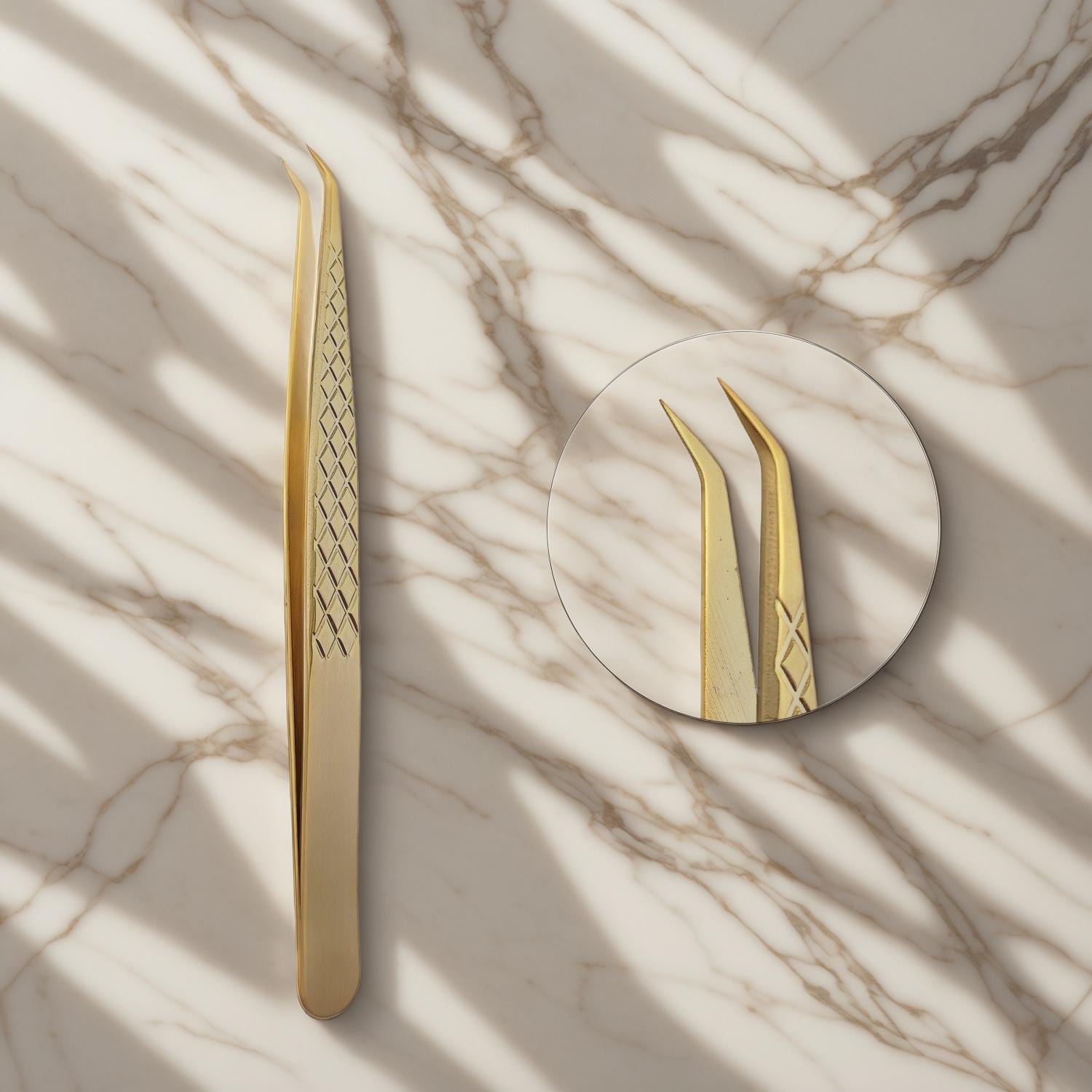
Tweezers Wholesale: How to Choose a Reliable Manicure Tools Supplier
For salons, spas, beauty retailers and distributors, tweezers are small tools with a large impact on customer experience. A tweezer that closes unevenly, loses tension quickly or feels uncomfortable in the hand can affect brow shaping, facial hair removal, nail detail work and general grooming services. When buying tweezers wholesale, the goal is not simply to find a low unit price. The better question is whether the supplier can provide tools that remain precise, consistent and suitable for your market.
Olimor Beauty supplies beauty tools for professional and retail use, with a focus on stainless steel instruments, ergonomic handling and internal quality control. This guide explains how to evaluate tweezers and related manicure tools before committing to a wholesale purchase, so your team can make a practical sourcing decision based on performance, durability and supplier reliability.
Why Wholesale Tweezer Quality Matters
Tweezers are often used in close, detailed work. A client may not know the manufacturing process behind the tool, but they will notice pulling, slipping or pinching. Retail buyers also face the risk of returns or poor reviews if the tool does not grip properly. For professional users, inconsistent tools slow down service and make repeatable results harder to achieve.
Wholesale purchasing increases the importance of consistency. One good sample is not enough if a larger batch arrives with irregular tips or variable tension. A dependable manicure tools supplier should understand that tweezers are precision instruments, not generic accessories. The supplier’s production control, material choice and inspection process all influence whether a batch performs reliably in daily use.
For businesses building a complete tool range, tweezers may be purchased alongside nail clippers, cuticle tools, files and other grooming instruments. You can review Olimor’s broader beauty tool products to consider how tweezers fit within a wider professional or retail assortment.
Key Tweezer Features to Evaluate Before Buying
When comparing tweezers wholesale options, assess the parts of the tool that affect grip, handling and long-term use. Product photos can help, but the most important details are felt during use and confirmed through inspection.
- Tip alignment: The tips should meet cleanly without visible gaps. Poor alignment can cause the tweezer to miss fine hairs or grip unevenly.
- Closing tension: Tension should be firm enough to grip but not so stiff that it causes hand fatigue during repeated use.
- Tip finish: Edges should be smooth and controlled. Rough or overly sharp edges may scratch skin or damage product presentation.
- Body balance: A well-balanced tweezer feels stable in the hand and gives the user better control during detailed work.
- Surface finish: The finish should look clean, consistent and suitable for the intended retail or professional setting.
- Packaging readiness: For retail buyers, packaging protection and presentation matter as much as the tool itself.
Stainless steel is a common and practical choice for professional beauty tools because it supports durability and repeated handling. The original tool design still matters, however. Material alone cannot compensate for poor alignment, weak quality checks or uncomfortable proportions.
How Salons, Spas and Retailers Use Tweezers Differently
Different buyers need tweezers for different reasons. A salon may prioritize comfort and service speed, while a retailer may focus on appearance, assortment planning and customer expectations. Understanding the end use helps you choose the right wholesale approach.
Salons and brow professionals often need tools that perform consistently throughout the day. Ergonomic design is important because technicians may use tweezers repeatedly across appointments. A tool that feels precise and comfortable can support cleaner work and reduce unnecessary hand strain.
Spas and personal care businesses may need tweezers as part of a broader grooming or treatment set. In this case, consistent finish, easy cleaning practices and professional presentation are important. The tool should match the level of care clients expect from the service environment.
Retailers and distributors need products that are easy to explain and sell. Clear differences between styles, stable quality across batches and attractive presentation can help reduce confusion for end customers. If your assortment includes multiple beauty categories, browse Olimor’s product collections to plan complementary ranges.
What Defines a Professional Manicure Tools Supplier
A professional beauty tools supplier should provide more than a product list. Wholesale buyers need a partner that understands tool function, batch consistency and practical business needs. Olimor Beauty emphasizes precise manufacturing steps, stainless steel tool production, ergonomic design and internal quality control from raw material review through final packaging.
When evaluating any supplier, look for evidence of a controlled process. A strong supplier should be able to discuss how tools are inspected, how defects are managed and how finished goods are prepared for shipment. The aim is to reduce surprises after the order is placed.
| Buyer concern | What to check | Why it matters |
|---|---|---|
| Grip performance | Tip alignment, contact point and closing tension | Determines whether the tweezer can hold fine hairs accurately |
| Professional comfort | Body shape, balance and pressure needed to close | Affects control during repeated salon use |
| Batch consistency | Inspection standards and sample-to-order comparison | Reduces variation across wholesale quantities |
| Retail suitability | Finish, packaging protection and product presentation | Supports customer confidence and shelf appeal |
| Long-term sourcing | Communication, documentation and repeat order handling | Helps build a stable supply relationship |
Quality Control Questions for Wholesale Tweezers
Quality control should not be treated as a final glance before shipping. For precision tools, inspection is most useful when it happens throughout the process. Olimor Beauty conducts internal checks from initial materials to final packaging, helping ensure tools meet expectations before they leave the facility.
Before placing a wholesale order, prepare a clear evaluation checklist. This keeps the discussion focused and helps your team compare suppliers in a structured way.
- Confirm the intended use. Decide whether the tweezers are for professional service, retail sale, personal care kits or a mixed assortment.
- Review samples carefully. Test grip on fine hairs or similar materials, check the closing action and inspect the tip meeting point.
- Check finish consistency. Look for scratches, rough edges, uneven polish or appearance differences between samples.
- Assess handling comfort. Ask the team members who will use the tool to test pressure, balance and control.
- Evaluate packaging needs. Consider whether the packaging protects the tip and supports your sales channel.
- Discuss inspection expectations. Make sure the supplier understands the quality points that matter most for your market.
This process is especially helpful when comparing tweezers with other manicure tools. Nail and grooming instruments may share materials, but each tool has different functional requirements. A reliable supplier should be able to support those differences rather than treating every item the same way.
Sustainability Through Durable Tool Choices
Sustainability in beauty tools often begins with durability. Well-made stainless steel instruments can reduce the need for frequent replacement compared with disposable or poorly made alternatives. For salons and retailers, this is both an environmental and commercial consideration: longer-lasting tools can support a more responsible product range while also protecting customer satisfaction.
Durability should be evaluated realistically. A strong material is important, but so are alignment, finishing, packaging protection and proper use. Buyers should avoid relying on broad eco claims without understanding the product’s actual construction and expected use. A practical sourcing decision looks at how the tool will be handled, stored, cleaned and replaced over time.
Building a Better Wholesale Sourcing Process
Successful wholesale sourcing is easier when your requirements are specific. Instead of asking only for “best tweezers,” define the customer group, expected use, finish preference, packaging needs and quality concerns. This gives the supplier a clearer target and helps prevent mismatched recommendations.
If you are building a salon supply range, you may want tweezers that prioritize control and repeated use. If you are planning a retail program, packaging and customer-friendly assortment choices may carry more weight. If you distribute across multiple channels, you may need a balanced option that performs well for professionals while remaining understandable for consumers.
Olimor Beauty works with buyers seeking dependable stainless steel beauty tools and consistent supplier communication. To discuss product options or clarify sourcing details, you can contact Olimor or send an inquiry with your market, product type and intended order requirements.
Final Checklist for Choosing a Tweezers Wholesale Partner
Before confirming a wholesale order, make sure the supplier fits both your tool requirements and your business process. A good tweezer should grip accurately, feel stable, look presentable and arrive with consistent quality across the order. A good supplier should make those outcomes repeatable.
Use this final checklist: verify sample performance, inspect alignment and finish, confirm packaging expectations, define the end-user market, compare related manicure tools and review how quality checks are handled. When these points are addressed early, tweezers wholesale sourcing becomes less risky and more valuable for your salon, spa, retail or distribution business.
Tag: