

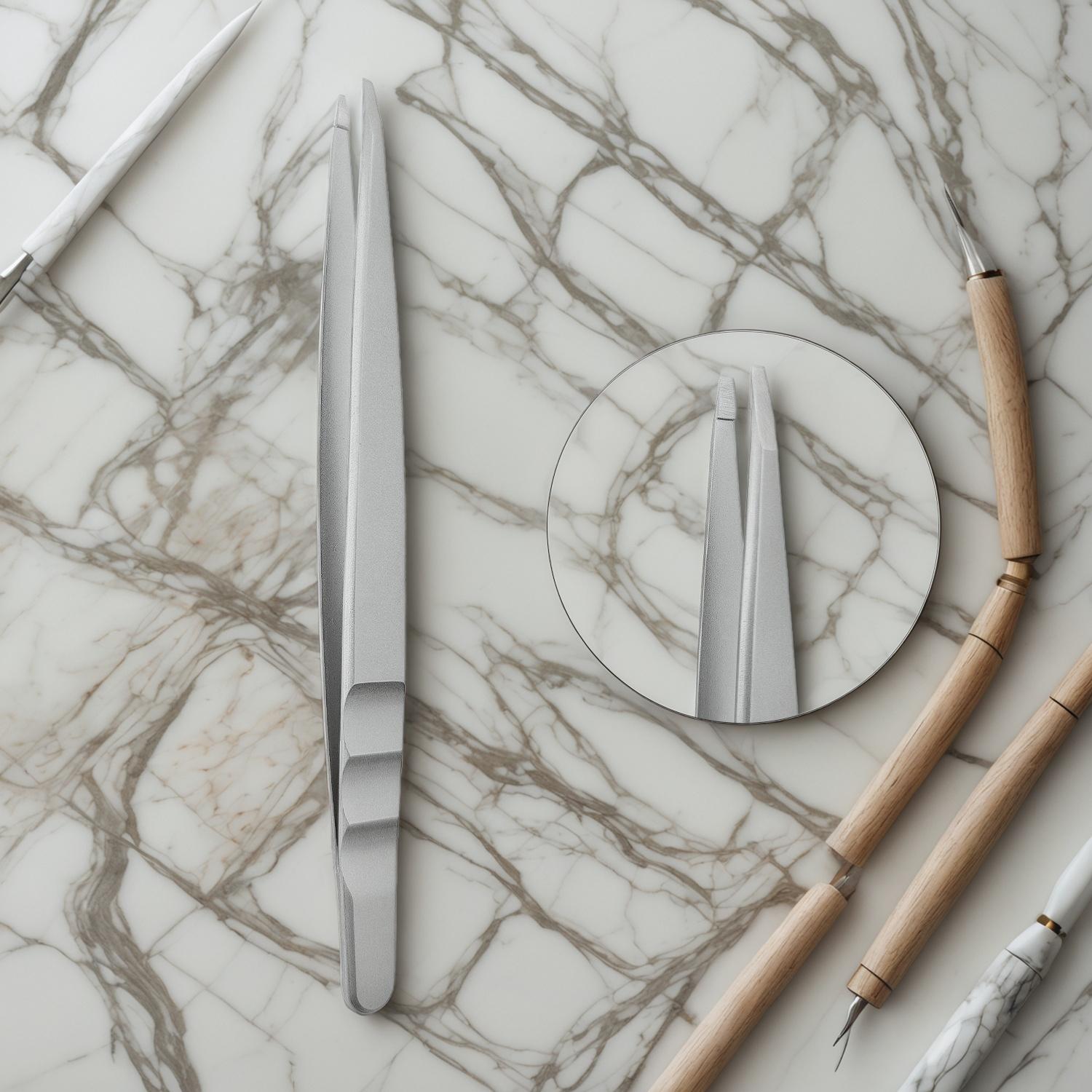
Tweezers Wholesale Buying Guide for Beauty Brands and Salons
Tweezers look simple, but for beauty businesses they are one of the tools customers judge quickly. A tweezer that does not grip cleanly, feels awkward in the hand or loses alignment after repeated use can create returns, poor reviews and inconsistent service results. For salons, lash artists, brow specialists, retailers and private label beauty brands, buying tweezers wholesale is not only a price decision. It is a product-performance decision that affects daily work and customer trust.
Olimor Beauty supplies professional beauty tools for buyers who need practical, repeatable grooming instruments, including tweezers used for false lash application, eyebrow plucking and handling delicate beauty embellishments. When evaluating a wholesale tweezers program, the most important questions are not limited to appearance. Buyers should assess tip accuracy, tension, hand comfort, finishing, material choice, packaging suitability and supplier communication before committing to a larger order.
This guide explains how to choose tweezers for wholesale purchasing, what to compare among manicure tool suppliers, and how recyclable stainless steel tools can support a more responsible product assortment without relying on vague sustainability claims.
Why Tweezers Matter in a Beauty Tool Assortment
Tweezers are used across several beauty categories, which makes them a versatile wholesale item. A retailer may sell them as everyday grooming tools. A lash brand may include them with false lash accessories. A salon may need them for professional workstation use. A manicure or beauty kit supplier may pair them with nail clippers, scissors or other grooming tools.
The same broad usefulness also means that the wrong tweezer design can disappoint different user groups in different ways. A brow customer may need clean hair removal without snapping the hair. A lash user may need a tip shape that helps place a strip lash or individual embellishment precisely. A salon professional may care about repeated hand comfort and easy cleaning between uses.
Before comparing wholesale quotes, define the main application. A tweezer selected mainly for eyebrow shaping may not be the best choice for false lash placement. A tool designed for delicate embellishments may need a different tip profile from a general grooming tweezer. Clear positioning helps avoid a common sourcing mistake: choosing one attractive tool and expecting it to satisfy every use case.
Key Selection Criteria for Wholesale Tweezers
For organic retail growth and repeat customer satisfaction, buyers should evaluate tweezers with a practical checklist. Product photos are useful, but they cannot replace physical performance checks. Requesting and testing samples is an important step before building a full wholesale assortment.
- Tip alignment: The two tips should meet evenly. Poor alignment makes it difficult to grip fine hairs, false lashes or small beauty decorations.
- Grip precision: The tweezer should hold the target item without slipping. Test on eyebrow hairs, lash bands or the type of embellishment your customers are likely to use.
- Hand tension: A tweezer should offer enough resistance for control but not so much that it causes fatigue during repeated use.
- Edge finishing: Tips and sides should feel smooth enough for safe handling, while still being precise enough for the intended grooming task.
- Material choice: Stainless steel is widely used in grooming tools and is valued for durability and recyclability.
- Surface finish: Consider whether the finish suits your brand positioning, retail display and handling expectations.
- Cleaning suitability: Tools used in professional or shared settings should be easy to wipe and maintain according to the buyer’s hygiene procedures.
- Packaging compatibility: Confirm whether the product can be packed for retail sale, kit assembly, salon supply or private label presentation.
If you are building a wider range, compare tweezers alongside other beauty tool products to create a consistent level of finish and usability across the assortment.
False Lash, Brow and Detail Work: Matching Shape to Use
Different tweezer styles support different beauty tasks. The original product context highlights false lash application, eyebrow plucking and handling delicate beauty embellishments, so buyers should map each use to a clear tool function.
For false lash work, a tweezer should help the user pick up, position and adjust lashes without crushing the lash band. Control matters more than decorative design. Lash users often appreciate a tool that feels stable in the hand and allows accurate placement near the lash line.
For eyebrow grooming, gripping fine hairs is the priority. The tweezer should close cleanly and maintain alignment through repeated use. If your customers include home users, avoid overly aggressive designs that require advanced technique. A balanced tool helps users remove hairs with more confidence and less repeated pulling.
For beauty embellishments, such as small decorative pieces, the tool should offer controlled handling without damaging the item. This is especially relevant for nail art, makeup detailing or accessory placement. In these applications, tip control and comfort during fine work are more important than heavy spring tension.
The table below can help buyers decide which product direction to test first.
| Primary Use | What to Test | Buyer Priority |
|---|---|---|
| False lash application | Pickup, placement control, lash band handling | Stable grip and accurate tip movement |
| Eyebrow plucking | Fine hair grip, tip alignment, tension | Clean closure and consistent performance |
| Delicate embellishments | Small item handling, visibility, hand comfort | Precision without crushing or slipping |
| Retail grooming kits | General usability, finish consistency, packaging fit | Broad appeal and reliable quality control |
How to Compare Manicure Tool Suppliers
Many buyers searching for wholesale tweezers also compare manicure tool suppliers, private label tool exporters and grooming accessories manufacturers. Olimor Beauty is positioned as a professional beauty tools supplier, and the original sourcing context refers to Guangdong as an important supplier base. For buyers, location can matter because beauty tool manufacturing often depends on tooling experience, finishing skill and export coordination.
However, supplier comparison should not rely on location alone. A stronger evaluation process looks at communication quality, sampling support, production consistency and the supplier’s understanding of beauty use cases. A supplier that understands lash, brow and grooming applications can help buyers avoid mismatched products.
When comparing suppliers, consider the following questions:
- Can the supplier explain the intended use of each tweezer style? Clear product positioning helps you select tools that match customer needs.
- Are samples consistent with catalog photos and descriptions? Check finish, alignment, tension and packaging condition.
- Is quality control focused on functional details? Tweezers should be assessed for closure, tip accuracy and overall finish, not just appearance.
- Can the supplier support private label presentation? If you are building a brand line, packaging and marking options should be discussed early.
- Is the supplier responsive when technical details are discussed? Useful answers during sampling often predict smoother order management later.
For buyers reviewing multiple categories, Olimor’s product collections can be a helpful starting point for understanding how tweezers may fit with related grooming and beauty tools.
Private Label Considerations for Tweezer Wholesale
Private label buyers need to think beyond the tool itself. A tweezer may be sold in a beauty kit, displayed as a retail accessory or bundled with lash products. Each channel has different requirements for presentation, labeling and user instructions.
Packaging should protect the tips. Even a well-made tweezer can perform poorly if the tips are bent or damaged during shipping, storage or retail handling. For retail sale, a package should also communicate the intended use clearly. If a tweezer is best for false lash application, customers should not have to guess. If it is better for brow grooming, that should be easy to understand.
Brand consistency also matters. If your line includes nail tools, grooming tools and lash accessories, the tweezer finish and packaging should look like part of the same family. This does not require inventing complicated product claims. It requires clear naming, clean packaging, accurate descriptions and dependable quality.
For online retailers, product pages should include close-up images, usage guidance and maintenance notes. Search traffic for tweezers wholesale, false lash tweezers and private label manicure tools often comes from buyers who already understand the category. They want details that help them choose quickly and reduce sourcing risk.
Stainless Steel and Recyclable Grooming Tools
The supplied product context identifies stainless steel as a material known for recyclable properties. That is a useful sustainability advantage when handled honestly. Buyers should avoid broad environmental claims that are difficult to verify, but they can make responsible sourcing decisions by favoring durable tools and recyclable material choices where appropriate.
Durability itself can reduce waste. A tweezer that stays aligned and usable for longer is less likely to be discarded quickly. Stainless steel also supports a clean, professional appearance and is common in grooming tools because it can be finished for smooth handling.
For brands serving environmentally conscious customers, the most credible approach is practical: choose a long-lasting material, avoid unnecessary packaging where possible, and provide care instructions that help users keep the tool in good working condition. If you make sustainability claims on packaging or product pages, keep them specific and based on the material and packaging decisions you can document.
Care and Maintenance Guidance for End Users
A good wholesale tweezer program should include simple care guidance. This improves customer experience and can reduce avoidable complaints. Whether the tool is sold to salons or home users, the instructions should be clear and realistic.
- Wipe the tweezer after use to remove cosmetic residue, adhesive or oils.
- Keep the tips protected during storage to prevent bending or misalignment.
- Do not use beauty tweezers for hard objects that can damage the tip edge.
- Store the tool in a dry place after cleaning.
- For professional environments, follow the hygiene and disinfection procedures required for your service setting.
Including these points on retail packaging or a product insert can help users understand that precision tools require basic care. It also reinforces the idea that the product is designed for beauty use, not general household tasks.
Building a Better Wholesale Tweezer Order
The best wholesale tweezer decisions are made before the purchase order is placed. Define the customer, test the intended use, compare suppliers on functional quality and confirm packaging requirements. A low unit price is not helpful if the tool cannot grip properly or if the packaging allows tip damage before the product reaches the customer.
Olimor Beauty is a relevant sourcing option for buyers looking at tweezers, manicure tools and professional beauty accessories, including stainless steel grooming tools with recyclable material advantages. Whether you are building a lash accessory line, expanding a grooming kit or sourcing tools for salon resale, focus on the details customers can feel immediately: alignment, tension, finish and usability.
To discuss wholesale tweezers or related beauty tool sourcing, you can contact Olimor or send an inquiry with your target use, packaging needs and order plan. Clear requirements at the start make it easier to match the right tweezer style to your market.
Tag: