

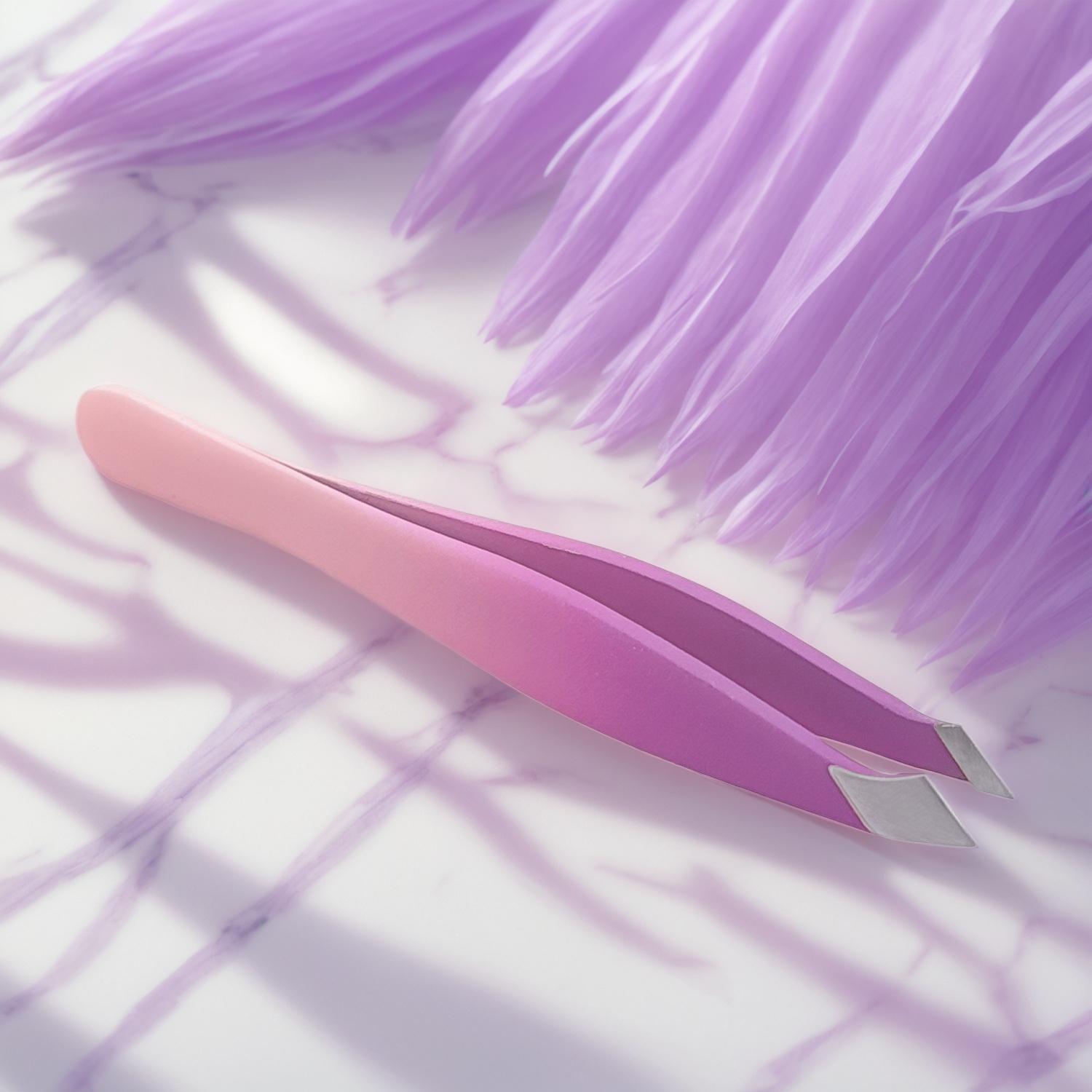
Wholesale Tweezers: How to Source the Right Manicure Tool Supplier
Wholesale tweezers look simple, but they strongly affect the user experience in a manicure set, salon station, hotel amenity kit or retail grooming range. A good pair should grip cleanly, close evenly, feel stable in the hand and arrive with consistent finishing across the order. A poor pair can slip, scratch, bend, look unfinished or create complaints quickly when bought in bulk.
For salons, hotel purchasing teams, distributors and private label beauty brands, the right sourcing decision is not only about unit cost. It involves tool performance, material expectations, packaging fit, repeat supply, presentation and supplier communication. Olimor Beauty supplies beauty and grooming tools for professional and commercial buyers, including tweezers and related manicure tools. This guide explains how to compare wholesale tweezers with practical inspection criteria and how to brief a supplier before sampling or production.
Who Buys Wholesale Tweezers and What Do They Need?
The best tweezer specification depends on where the tool will be used. A salon buyer, a hotel amenity buyer and a retail brand may all order tweezers wholesale, but they do not always need the same product. Defining the sales channel first prevents buyers from choosing only by appearance or the lowest quote.
- Beauty salons and nail studios: need predictable tools for repeated professional handling. Tip alignment, tension, grip comfort and easy cleaning are important because staff may use the tool many times during service.
- Hotels and amenity suppliers: need compact, clean-looking tools that fit neatly inside travel grooming kits or guest-room amenity packs. Presentation, safe packing and storage efficiency matter.
- Retail beauty brands: need consistent appearance, packaging clarity and customer-perceived value. The tweezer may be sold alone or bundled with nail clippers, cuticle tools, files or scissors.
- Private label buyers: need the product, branding and packaging to work together. Logo placement, pouch or card design, color direction and labeling requirements should be planned before bulk order discussions.
- Distributors and promotional kit buyers: need stable supply, consistent batches and tools that can be included in broader grooming or manicure programs.
Buyers can review Olimor’s wider beauty tool product range when planning a complete grooming set rather than sourcing tweezers as an isolated item.
Why Tip Alignment, Tension and Finish Matter
The main function of a tweezer is precision gripping. That depends on the relationship between the two tips, the closing tension, the surface finish and the body shape. Even small variations can affect whether the tool removes fine hairs, handles lash materials, picks up small nail art pieces or supports detailed grooming.
Tip alignment should be the first inspection point. The two tips should meet evenly without visible gaps, twisting or crossing. If the tips do not meet cleanly, the tool may slip or require excessive force. For fine grooming or lash work, an ultra-thin tip can help with accurate isolation or placement. For everyday brow grooming or general manicure kits, a slant or broader tip may be more suitable. The tip style should match the task rather than simply look attractive in a catalog.
Closing tension is equally important. A tweezer that is too stiff can tire the hand during repeated salon use. One that is too loose may feel weak and fail to grip reliably. There is no single ideal tension for every buyer, so samples should be tested by the people who understand the intended use. A lash technician, salon manager, hotel amenity buyer and packaging specialist may each notice different details.
Surface finish affects both performance and perceived quality. Edges should feel smooth and safe to touch, especially for tools used near the face. The body should not have rough burrs that can irritate the hand, scratch packaging or make the item feel unfinished. Polished, matte or textured finishes can all be appropriate, but consistency across multiple samples is more important than one perfect showroom piece.
Stainless Steel, Ergonomics and Responsible Material Choices
Stainless steel is commonly associated with beauty tools because it offers a clean appearance and practical durability for grooming products. However, material alone does not guarantee a good tweezer. A durable material cannot compensate for poor tip alignment, and an attractive finish cannot compensate for uncomfortable handling. Buyers should evaluate material, shape, tip execution and production consistency as a complete package.
Ergonomics should not be ignored just because the tool is small. Body width, side profile, grip texture and closing resistance all influence comfort. For professional salon users, comfort affects daily efficiency. For hotel guests, the first handling impression reflects the quality of the amenity set. For retail customers, comfort can influence reviews, returns and repeat purchases.
Some buyers also want eco-conscious or recyclable grooming tool options. Sustainability should be discussed in practical terms: whether the tool is designed for long usable life, whether unnecessary plastic packaging can be reduced, and whether the packaging protects the product without being excessive. Buyers should be cautious with vague environmental claims and ask for supplier documentation where relevant.
For restricted substances, packaging and market access, buyers should verify which rules apply in their destination market. Public frameworks such as EU REACH may be relevant to certain material and chemical compliance discussions, while ISO 9001 may be used as a reference point when discussing quality management systems. Buyers should always confirm the applicable version, scope and supplier documentation rather than assuming any certification or test result.
Wholesale Tweezer Selection Checklist
A structured sample review helps buyers compare suppliers fairly. The goal is not to find one attractive sample, but to confirm whether the product can be repeated consistently in a bulk order. Use the same tests on every sample and check several pieces, not only one selected item.
| Selection point | What to review | Why it matters |
|---|---|---|
| Tip alignment | Close the tweezer and check from the front and side for gaps, crossing or uneven contact. | Alignment affects gripping accuracy, hair removal and detailed grooming performance. |
| Tip style | Compare slant, pointed, flat or ultra-thin tips against the intended application. | Different brow, lash, nail art and general grooming tasks need different contact surfaces. |
| Closing tension | Open and close the tool repeatedly and assess whether pressure feels too stiff, too loose or controlled. | Comfort and control matter for salon users, retail customers and repeated personal use. |
| Grip performance | Test with fine hair, thin thread, lash material or a small nail decoration depending on the use case. | A simple functional test reveals slipping that may not be obvious from appearance. |
| Surface and edge finish | Feel the body and edges for rough spots, burrs, sharp unfinished areas or inconsistent polishing. | Finishing affects safety perception, hand comfort, packaging protection and brand impression. |
| Packaging fit | Confirm fit in pouches, retail cards, trays, boxes, travel kits or amenity packs. | Correct fit reduces movement during shipping and improves presentation. |
| Batch consistency | Compare several samples for the same alignment, finish, tension and appearance. | Wholesale buyers need repeatable quality, not one acceptable sample. |
Matching Tweezers to Salons, Hotels, Retail and Private Label Programs
For salons and professional beauty buyers
Salon tweezers should support repeated handling and reliable precision. Buyers should prioritize tip alignment, controlled closing tension, comfortable grip and a finish that is easy to keep presentable. If tweezers are used alongside cuticle pushers, nail files, clippers and scissors, the quality level should feel balanced across the whole manicure set.
A salon chain or distributor building a standard workstation kit should test the tweezer in the same environment where it will be used. Staff feedback can reveal whether the tool feels secure, whether the tip grips accurately and whether the finish holds up to regular handling expectations.
For hotel amenity and travel grooming kits
Hotel amenity tweezers do not need to be complicated. They need to be neat, compact, safe to present and compatible with the rest of the kit. Packaging should protect the tool during storage, transport and housekeeping handling. A loose tool inside a pouch or box can look careless, even if the tweezer itself is acceptable.
Hotel buyers should also consider whether the tweezer adds value to the guest experience without creating unnecessary bulk. A clean presentation, stable packing and consistent appearance are often more important than decorative complexity.
For retail beauty brands and e-commerce sets
Retail tweezers must work as both a tool and a presented product. Customers judge the item from the packaging, the finish, the feel in hand and the first grooming result. The tweezer may be sold on a card, inside a box, in a pouch or as part of a manicure assortment. In each case, packaging clarity and visual consistency matter.
Retail buyers can browse Olimor product collections to consider how tweezers fit with related grooming tools in a coherent range. A tweezer that looks mismatched beside other tools can weaken the perceived value of a set.
For private label manicure tools
Private label work should be planned as a complete product program, not only a logo added to a blank tool. Buyers should define the target channel, intended use, finish direction, packaging format, branding area and labeling requirements before sampling. Very fine tweezers may have limited space for branding, so the pouch, card, insert or outer box may carry most of the brand message.
A practical private label brief should include the product type, desired tip style, intended grooming task, packaging format, logo files, color references, market language needs, barcode placement if required and the expected approval process. These details help reduce sampling confusion and prevent delays caused by incomplete artwork or packaging decisions.
Cost Factors in Wholesale Tweezer Sourcing
Buyers often ask how much wholesale tweezers cost, but price cannot be evaluated without understanding the specification. A low quote may not be a good value if the tips are inconsistent, the finish is rough or the packaging does not suit the sales channel. A higher quote may reflect more complex finishing, packaging work or private label requirements, but buyers should still verify the actual product quality through samples.
Common cost factors include the tweezer type, tip precision, surface finish, packaging format, branding requirements, order complexity, assortment planning and inspection expectations. A simple bulk salon pack will not be costed the same way as a retail-ready private label product with custom packaging. Similarly, a compact amenity item may have different priorities than a professional lash tweezer.
The best approach is to share a clear specification and ask the supplier to explain available options. This allows buyers to compare value instead of only comparing headline price. If the product is intended for a repeat program, also discuss whether the selected style can be supported for future replenishment.
How to Evaluate a Manicure Tools Supplier
A reliable manicure tools supplier should help buyers move from sample review to repeatable bulk purchasing. Supplier evaluation should be specific. Instead of asking only for a catalog and price, buyers should explain the use case, target channel, packaging plan, branding needs and quality expectations. This gives the supplier enough context to recommend suitable options and flag practical limitations early.
Olimor Beauty is based in Guangdong, a major beauty tool manufacturing region, and works in the beauty and grooming tool category. For buyers, the value of an experienced supplier is not only product availability. It is also communication, sample support, packaging coordination and the ability to discuss tweezers as part of a broader manicure or grooming program.
Before committing to a larger order, review multiple samples from the proposed style. Test them in the way your customers will use them. For lash work, evaluate precision around the tip. For brow grooming, test fine hair grip and hand comfort. For manicure kits, check tray fit, visual match and ease of removal. For hotel kits, review storage, packing and guest presentation.
- Ask whether the same style can be supplied for repeat orders.
- Confirm which packaging formats are practical for the product size and tip style.
- Request samples that represent the expected bulk specification, not only a generic item.
- Clarify how sample approval, packaging artwork and shipment inspection will be handled.
- Keep a signed or clearly confirmed reference sample for comparison during production review.
Quality Checks Before Shipment
Wholesale buyers should define quality checks before production or shipment rather than after a problem appears. Inspection does not need to be complicated, but it should focus on the issues that matter most for tweezers: alignment, grip, tension, finish, packaging and labeling accuracy.
A useful review can include visual inspection, hand-feel testing and a simple gripping test. Buyers should also confirm that the product matches the approved sample and that packaging is assembled as expected. For private label orders, artwork, logo placement, color direction and product names should be checked carefully before bulk packing is completed.
If a buyer has market-specific documentation requirements, these should be discussed early. Supplier documents, restricted substance requests, packaging requirements and applicable standards should be verified for the relevant product, destination and current regulatory version. Do not rely on general statements when formal compliance evidence is required by your market or customer.
Work With Olimor on Wholesale Tweezers
Choosing wholesale tweezers is a practical sourcing decision: define the use case, inspect samples carefully, match packaging to the channel and confirm supplier communication before bulk ordering. Olimor Beauty supports B2B buyers looking for tweezers and related beauty tools for salons, hospitality, retail and private label programs.
If you are planning a wholesale tweezer order, you can contact Olimor to discuss your intended channel, packaging needs and sample requirements. Buyers ready to share a product brief can also send details through the wholesale inquiry page.
FAQ
Can I request samples before placing a wholesale tweezer order?
Yes. Sample review is recommended because buyers should check tip alignment, tension, finish, grip performance and packaging fit before confirming a bulk order. Share the intended use case so the sample can be evaluated against the right application.
What information should I provide for private label tweezers?
Provide the target sales channel, preferred tip style, intended grooming task, finish direction, packaging format, logo files, color references and any labeling or barcode requirements. A clear brief helps avoid delays during sampling and packaging development.
Is there a fixed MOQ or lead time for wholesale tweezers?
MOQ and lead time depend on the selected product, packaging, branding requirements and order complexity. Buyers should confirm these details directly with Olimor during quotation rather than assuming a universal number.
How should I check tweezer quality before bulk approval?
Review multiple pieces, not just one sample. Check whether the tips meet evenly, whether the tool grips fine material without slipping, whether the tension feels controlled, whether the edges are smooth and whether the packaging matches the approved plan.
Can tweezers be included in a larger manicure or grooming kit?
Yes. Tweezers can be planned with nail clippers, cuticle tools, files, scissors or other grooming items. Buyers should confirm tray, pouch or box fit early so the full kit looks consistent and protects each tool during handling and shipment.
Tag: