

Tweezers Wholesale: Market Insight for Beauty Tool Buyers
Wholesale tweezers are a small product category with a large impact on a beauty brand’s reputation. A tweezer that grips cleanly, aligns correctly, and feels comfortable in the hand can become a repeat-purchase item for salons, brow professionals, retailers, gift sets, and grooming kits. A poorly selected tweezer, however, leads to returns, complaints, and inconsistent customer experience. For buyers comparing tweezers wholesale options, the goal is not simply to find the lowest unit price. The better approach is to define the target user, choose the right tweezer types, verify workmanship, and align packaging with the sales channel.
This guide is written for beauty brands, distributors, salon suppliers, e-commerce sellers, and importers evaluating wholesale tweezers and related manicure tools. It also covers private label planning, export questions, and practical quality checks that help reduce sourcing risk before placing a larger order.
Why Tweezers Remain a Core Wholesale Beauty Tool
Tweezers sit at the intersection of personal grooming, brow shaping, nail care, and professional salon work. They are compact, affordable to ship compared with many larger beauty devices, and easy to combine with other tools in manicure sets or brow care kits. Because they are used close to the skin and often for precision work, customers quickly notice whether the tips are aligned, whether the grip feels stable, and whether the tool pulls hair cleanly.
For wholesalers and brand owners, tweezers also offer assortment flexibility. A retailer may sell a single tweezer as an everyday grooming item, while a salon supplier may bundle several tip styles for brow technicians. A gift-focused brand may prioritize color, finish, and packaging, while a professional channel may prioritize handling, consistency, and replacement ordering. Olimor Beauty’s product range includes beauty tools for these different buying contexts, and buyers can review broader beauty tool products when building a connected assortment.
Choosing the Right Tweezer Types for Your Market
Before comparing quotes, define which tweezer styles match your end users. The most common mistake in tweezers wholesale buying is ordering one general style for every channel. Different customers need different tip shapes and handling characteristics.
- Slant-tip tweezers: Often selected for eyebrow shaping and everyday hair removal because the angled edge can support both precision and broader grip.
- Point-tip tweezers: Used when very fine precision is needed. These require careful tip alignment and protective packaging because the ends are more delicate.
- Flat-tip tweezers: Useful for gripping larger areas or certain nail and cosmetic applications, depending on the user’s technique.
- Curved or specialty tweezers: Often selected for specific salon, beauty, or crafting tasks where access angle matters.
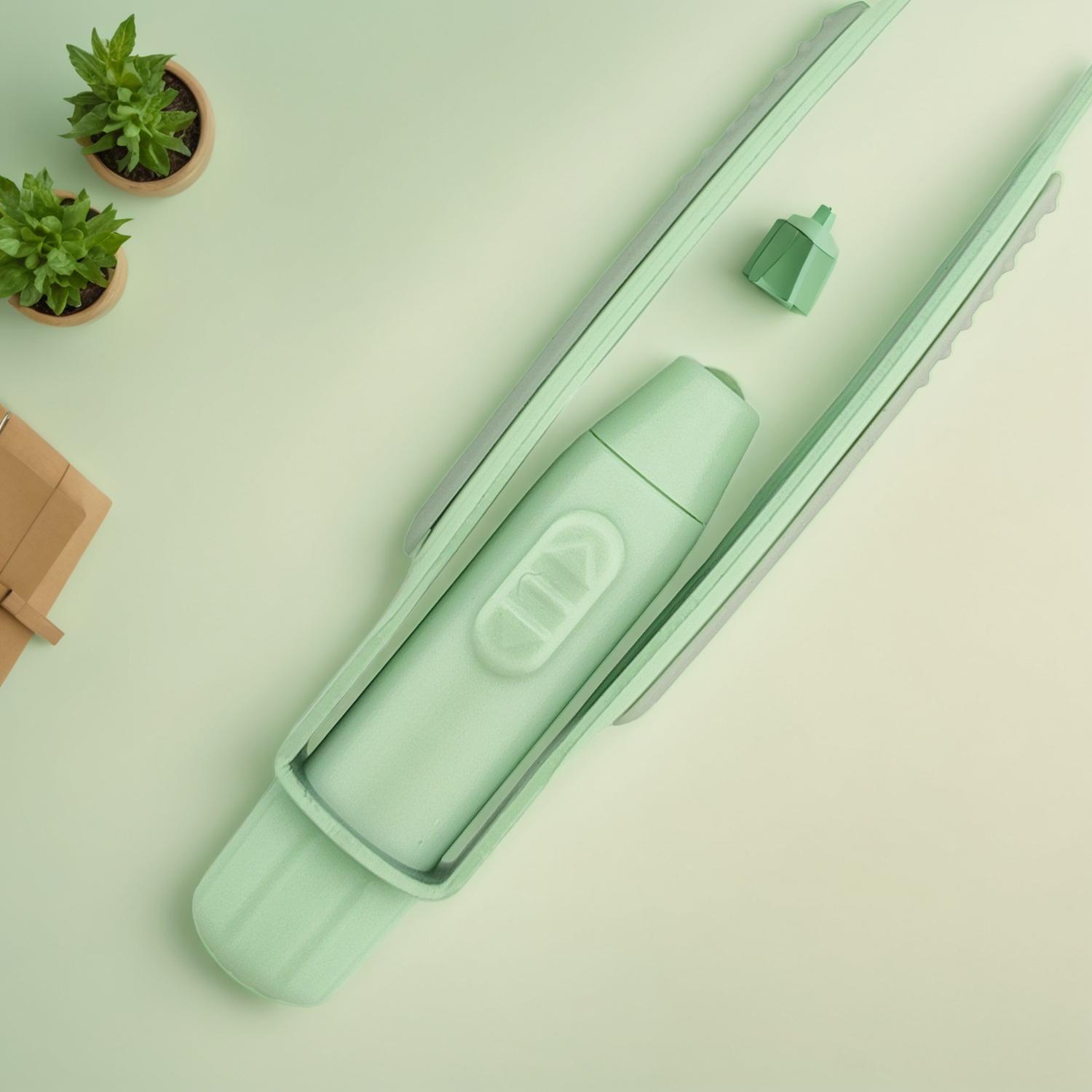
- Color-finished tweezers: Suitable for retail displays, beauty kits, and private label lines where visual identity is important. The Mint Green Precision Tweezers mentioned in Olimor Beauty’s range are an example of how color can support shelf appeal while still requiring practical performance checks.
Assortment planning should be tied to channel. A brow bar may need fewer colors but more consistency from batch to batch. An online store may need attractive finishes, clear product photography, and packaging that reduces damage during delivery. A distributor serving supermarkets or drugstores may require barcode-ready packaging, case packing consistency, and clear product descriptions.
Quality Checks That Matter in Wholesale Tweezers
Quality control for tweezers is highly practical. Buyers do not need to rely only on appearance. A sample inspection can reveal whether the tool is suitable for the intended channel. When reviewing samples from a manicure tools supplier or beauty tools manufacturer, focus on the details that affect customer use.
| Check Point | What to Look For | Why It Matters |
|---|---|---|
| Tip alignment | Both tips meet evenly without visible gaps or twisting. | Poor alignment causes slipping and makes hair removal difficult. |
| Grip tension | The tweezer opens and closes smoothly with controlled resistance. | Too much tension causes fatigue; too little can reduce control. |
| Edge finishing | No rough burrs, sharp unintended edges, or uneven grinding. | Clean finishing improves comfort and reduces complaints. |
| Surface finish | Color, coating, polish, or texture appears consistent across samples. | Retail buyers notice visible inconsistency, especially in gift sets. |
| Packaging fit | The tweezer is held securely and tips are protected. | Tip damage during transit can ruin an otherwise good product. |
It is also helpful to test several pieces, not just one sample. Tweezers are precision tools, so consistency matters as much as one perfect unit. A buyer evaluating private label tweezers should keep a reference sample from the approved batch and compare future production against it. This provides a practical standard for alignment, finish, packaging, and labeling.
Private Label Tweezers: Branding Without Losing Function
Private label manicure tools and tweezers can help a retailer or distributor create a recognizable line, but branding should not distract from usability. A tweezer may look appealing in a display box, yet still fail if the tips do not grip properly. Strong private label planning starts with the product function, then moves to finish, logo method, packaging, and retail presentation.
Consider how the buyer will first encounter the product. In a physical retail setting, packaging should communicate the tip type and use case quickly. For e-commerce, product pages need clear images, dimensions if available, use instructions, and care guidance. For salon supply, buyers may care more about repeat availability and consistent handling than decorative packaging.
When developing a private label line, create a clear decision list:
- Define the target customer: salon professional, brow specialist, mass retail shopper, travel kit buyer, or gift customer.
- Select the tweezer tip styles that match the customer’s actual use.
- Review finish options for durability, appearance, and compatibility with packaging.
- Confirm logo placement and whether it affects grip or readability.
- Plan protective packaging for tips, especially for pointed or precision styles.
- Prepare inspection standards before approving bulk production.
Buyers building a broader branded range can also compare related product collections to make sure tweezers, manicure tools, and grooming accessories have a coherent look and customer promise.
Export and Sourcing Questions for Beauty Tool Buyers
For importers and distributors, sourcing tweezers is not only a product decision. It also involves documentation, packaging requirements, labeling, logistics, and after-sales handling. The original market interest in manicure tools exporters, including suppliers in manufacturing regions such as Guangdong, reflects a wider buyer need: reliable production coordination and export-ready communication.
Because requirements vary by destination and sales channel, buyers should prepare a checklist before comparing suppliers. The checklist does not need to be complicated, but it should be specific enough to prevent misunderstandings. Useful topics include carton labeling, retail packaging language, barcode placement, product care wording, country-of-origin marking requirements, and shipping carton strength. If sustainability is part of the brand position, packaging material choices and recyclability claims should be reviewed carefully and supported by appropriate information rather than used as vague marketing language.
Lead time, order planning, and replenishment are also important. Tweezers are often sold as part of seasonal kits, promotional bundles, or retail planograms. A delay in one small tool can affect the launch of an entire set. For this reason, wholesale buyers should align product approval, artwork approval, packaging confirmation, and shipment timing early in the process.
How to Compare a Manicure Tools Supplier
A supplier comparison should go beyond a spreadsheet of prices. A lower price may be attractive, but it can be offset by inconsistent finishing, unclear communication, weak packaging, or limited ability to support repeat orders. When comparing manicure tools suppliers for tweezers wholesale, review both product performance and working process.
Important evaluation points include sample consistency, clarity of product options, willingness to define inspection standards, packaging support, and the ability to handle related beauty tools if you plan to expand the range. Olimor Beauty emphasizes internal quality control from raw materials to final packaging in its beauty tool production approach, which is relevant for buyers who need dependable grooming tools across multiple product categories.
Communication is another practical indicator. A capable supplier should help clarify product details without pushing buyers into unclear specifications. For example, if material grade, coating type, or packaging structure is important to your market, these details should be documented before production. If you are preparing a new branded program, you can contact Olimor to discuss suitable product directions or send an inquiry with your target channel, expected assortment, and packaging needs.
Building a Wholesale Tweezer Assortment That Sells
A balanced assortment usually includes a practical core item, a precision option, and one or more retail-friendly designs. For example, a distributor may carry a standard slant-tip tweezer for everyday grooming, a point-tip version for precision users, and a color-finished option for beauty retailers. The exact mix depends on the market, but every item should have a clear role. Avoid adding too many nearly identical products unless each one serves a different customer or price point.
Product education can improve sell-through. Simple packaging notes or online content explaining tip type, intended use, cleaning, and storage can reduce misuse and returns. Care instructions should be straightforward: keep the tips clean and dry, store the tweezer with tip protection when possible, avoid dropping precision tips, and replace tools that become misaligned or damaged. These details may seem small, but they help customers understand the value of a better-made tool.
Practical Next Step for Wholesale Buyers
The tweezers wholesale market rewards buyers who combine product judgment with disciplined sourcing. Start with the customer’s use case, select the right tip types, inspect samples carefully, and treat packaging as part of product protection rather than decoration alone. For private label projects, document the approved sample, logo placement, finish expectations, and retail packaging before scaling up.
Whether you are building a brow care line, expanding a manicure tools program, or sourcing grooming tools in bulk, tweezers deserve close attention. They are simple in appearance, but their performance depends on precision, consistency, and thoughtful presentation. A clear sourcing checklist and a supplier that understands beauty tool quality can help turn this compact product into a reliable part of your wholesale range.
Tag: