

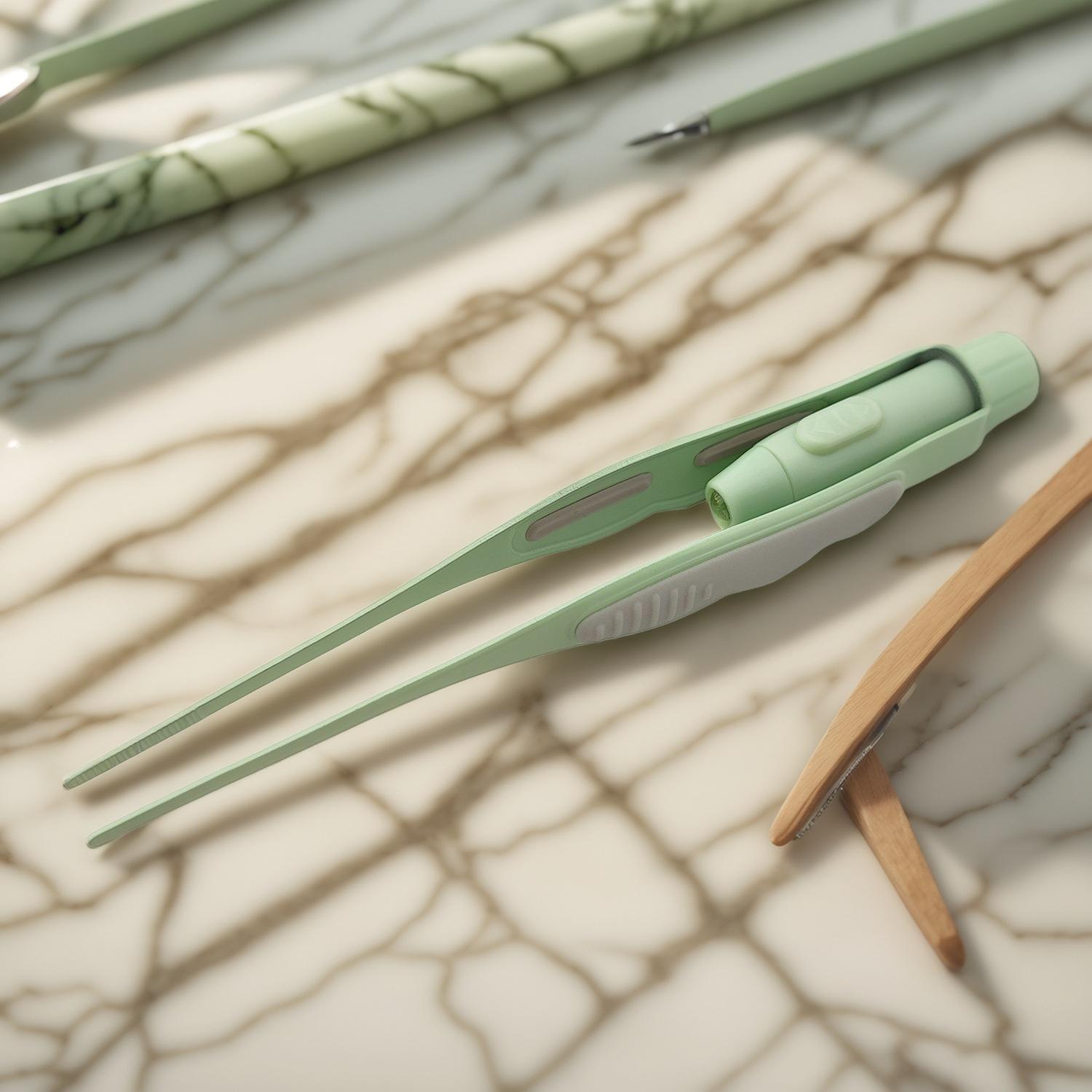
Tweezers Wholesale: How to Source Quality Manicure Tools for Retail, Salon, and Private Label Use
Buying tweezers wholesale is not only about comparing unit prices. For beauty retailers, salon suppliers, manicure kit brands, and distributors, tweezers are small tools with a big influence on customer trust. A tweezer that does not align properly, slips during use, feels uncomfortable in the hand, or arrives with inconsistent finishing can lead to returns, complaints, and weak repeat sales. A well-made tweezer, on the other hand, supports precise grooming, clean presentation, and a professional impression across an entire beauty tool range.
This guide focuses on the practical decisions buyers should make before placing a wholesale order for manicure and beauty tweezers. It covers tool quality, supplier evaluation, private label planning, packaging, inspection, and the questions that help you compare manufacturing partners more effectively. If you are building a broader product assortment, you can also review Olimor Beauty beauty tool products to understand how tweezers fit alongside other personal care and manicure items.
Why Tweezer Quality Matters in Wholesale Beauty Tool Programs
Tweezers are often treated as basic accessories, but end users quickly notice the difference between a low-grade tool and a dependable one. In retail, tweezers may be sold individually, added to manicure kits, included in brow grooming sets, or used as an entry-level item that introduces customers to your brand. In salon and professional channels, they must support repeat use and consistent handling.
For wholesale buyers, quality consistency matters more than a single perfect sample. A sample can look acceptable, but the larger production batch must match the same alignment, finish, grip feel, and packaging standard. This is where a professional beauty tools supplier becomes important. The supplier should be able to explain how the product is checked during production, not only after final packing. Internal inspection steps may include reviewing raw material condition, confirming tip alignment, checking surface finishing, and rejecting pieces with visible defects.
When comparing suppliers, avoid focusing only on whether the tool looks attractive in photos. Ask how the tweezer performs in hand, how it closes, whether the edges feel smooth, and whether the tips meet evenly. These details directly affect customer satisfaction.
Core Quality Checks for Wholesale Tweezers
A good wholesale tweezer should feel stable, balanced, and precise. Even when exact technical specifications are not listed, buyers can use a structured checklist to evaluate samples and production approval pieces. This is especially useful when sourcing tweezers for private label manicure tools or multi-piece grooming kits.
- Tip alignment: The two tips should meet evenly without gaps, twisting, or overlap. Misaligned tips reduce precision and make the tool frustrating to use.
- Closing tension: The tweezer should close with controlled resistance. If it is too stiff, it becomes tiring; if it is too loose, it can feel unstable.
- Surface finishing: Look for smooth edges, clean polishing, and consistent coating or coloration if a finish is applied.
- Grip comfort: A non-slip or easy-to-hold design can improve control, especially for salon use or detailed brow work.
- Durability impression: The tool should not bend easily during normal handling. Buyers should assess whether it feels suitable for the intended retail price point and customer segment.
- Packaging protection: Tips should be protected during shipping and storage to reduce deformation before sale.
For large orders, it is also useful to compare several samples from the same batch rather than judging only one piece. Consistency across pieces often reveals more about production control than the best-looking sample.
Choosing the Right Tweezer Type for Your Market
The best tweezer for a wholesale program depends on how and where it will be sold. A salon supply customer may prioritize precision and repeated handling, while a mass retail buyer may place more emphasis on packaging clarity, accessible price positioning, and safe storage. Beauty kits may require a compact tweezer that coordinates visually with scissors, nail files, clippers, or other manicure tools.
Before choosing a design, define the use case. Will the tweezer be used for eyebrow grooming, general personal care, manicure cleanup, or as part of a travel kit? Will it be sold to professionals, gift buyers, or everyday consumers? The intended use should guide decisions on size, tip style, handle texture, finish, and packaging.
The original product concept may also include innovation, such as an illuminated tweezer designed to support precision. For buyers considering products with added features, usability should remain the priority. A feature is valuable only when it helps the end user perform the task more accurately or comfortably. When reviewing an illuminated tweezer, assess whether the light placement is practical, whether the tool remains comfortable to hold, and whether the packaging explains the function clearly.
Private Label Manicure Tools: Branding Without Losing Quality Control
Private label manicure tools can help retailers and distributors build recognition instead of selling only generic items. Branding can be applied through packaging design, logo placement, product color direction, instruction inserts, or coordinated sets. However, branding should not be handled as a final decoration step only. It should be planned alongside product selection and quality expectations.
For tweezers, private label planning should answer several questions early:
- Who is the end customer? A professional salon buyer, a drugstore shopper, and a gift set customer may expect different packaging and price positioning.
- What level of precision is promised? Marketing claims should match the actual tool performance and avoid exaggerated language.
- How will the tool be displayed? Hanging cards, boxes, pouches, and kit inserts each affect presentation and protection.
- What product information is needed? Care instructions, safe-use guidance, and country-specific labeling requirements should be considered before production.
- How will consistency be checked? Decide which sample and packaging version will be used as the approved reference for production.
Strong private label sourcing is not only about adding a logo. It is about making sure the finished product reflects the same quality level that your brand promises. If you are exploring related items for a coordinated line, browse Olimor Beauty product collections to plan a more complete assortment.
How to Evaluate a Beauty Tools Supplier
A reliable supplier should be able to communicate clearly, prepare samples that match your requirements, and explain the steps used to maintain consistent output. When sourcing tweezers wholesale, the best partner is not always the one with the widest catalog. It is the one that understands your product positioning and can help you avoid common quality and packaging problems before they become expensive.
Use the following comparison table when reviewing potential suppliers:
| Evaluation Area | What to Check | Why It Matters |
|---|---|---|
| Sample consistency | Compare multiple pieces for alignment, finish, and hand feel | Shows whether quality is repeatable, not accidental |
| Quality control process | Look for inspection from material preparation through final packing | Reduces the risk of defects reaching customers |
| Packaging capability | Review protection, retail display, and branding options | Helps preserve the tool and supports shelf appeal |
| Communication | Assess response clarity, technical understanding, and documentation | Improves order accuracy and reduces misunderstandings |
| Export experience | Confirm familiarity with wholesale beauty tool shipments | Supports smoother coordination for international buyers |
Guangdong is recognized as an important manufacturing hub for beauty and personal care tools. Working with an experienced manicure tools exporter in Guangdong can give buyers access to established production knowledge and a broad understanding of export requirements. Still, the location alone is not enough. The actual decision should depend on product quality, communication, sample accuracy, and the supplier’s ability to support your purchasing goals.
Packaging, Shipping, and Retail Readiness
Packaging is often where wholesale tweezer programs succeed or fail. A tweezer with sharp or fine tips must be protected from bending during shipping. If tips are damaged before the product reaches the shelf, even an otherwise well-made tool becomes difficult to sell. Retail packaging also needs to present the product clearly and match the expectations of the target channel.
For salon supply, simple protective packaging may be acceptable if buyers value efficiency and professional presentation. For retail stores, packaging must communicate the product purpose quickly. For private label kits, the tweezer should fit securely in the set without scratching other tools or moving during transport.
Useful packaging considerations include tip guards, product visibility, hanging display options, barcode placement, instruction text, and outer carton strength. These details may seem minor at the ordering stage, but they affect product condition, shelf presentation, and customer experience after purchase.
Maintenance Guidance Buyers Can Pass to Customers
Including simple care guidance can reduce misuse and improve customer satisfaction. Tweezers should be kept clean, dry, and protected when not in use. If a tweezer is stored loosely in a cosmetic bag, the tips may become damaged or misaligned. End users should avoid dropping the tool or using it for tasks beyond its intended purpose.
Retailers and brand owners can add concise instructions to packaging or inserts. For example, customers can be reminded to wipe the tool after use, store it with a protective cap or pouch when available, and avoid harsh handling of the tips. Clear care guidance supports the product’s usable life and helps customers understand that precision tools require proper storage.
Building a Smarter Wholesale Sourcing Plan
The strongest tweezers wholesale programs begin with a clear sourcing plan. Define the customer segment, choose the right product type, test samples carefully, confirm packaging needs, and document the approved standard before production. This approach helps prevent common problems such as mismatched expectations, inconsistent finishing, weak packaging, or tools that look good but perform poorly.
If you are preparing a wholesale tweezer order, a manicure kit program, or a private label beauty tool line, Olimor Beauty can help you review product options and sourcing considerations. To discuss your project requirements, contact Olimor or send an inquiry with your target market, preferred product type, packaging needs, and expected order plan.
Quality tweezers may be small, but they carry your brand’s reputation into daily use. By selecting the right supplier and applying practical inspection standards, retailers and beauty professionals can offer tools that feel precise, look professional, and support long-term customer trust.
Tag: