

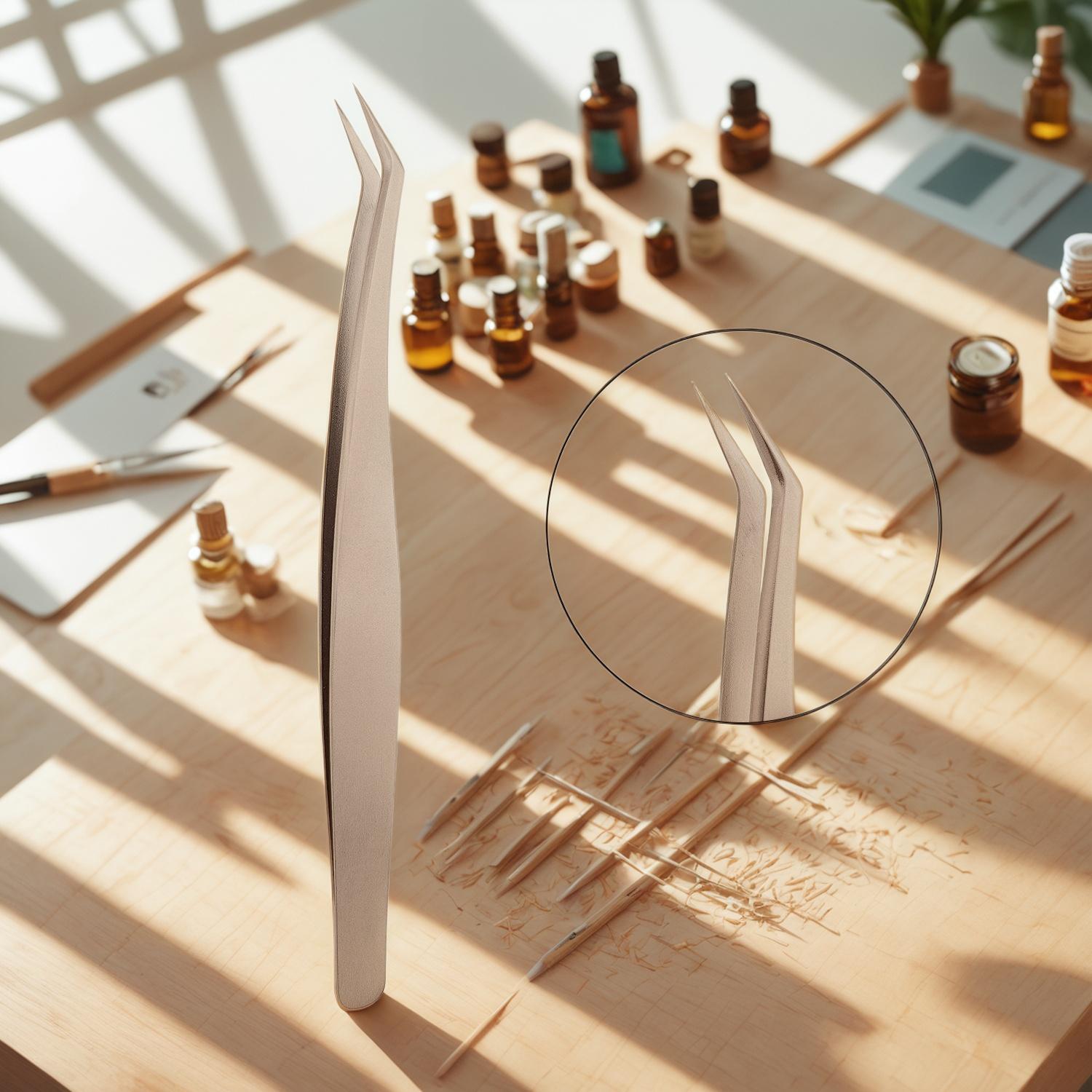
Wholesale False-Lash Tweezers: A Practical Sourcing Guide for Beauty Tool Buyers
Wholesale false-lash tweezers are precision beauty tools, not simple disposable accessories. For lash artists, salons, beauty retailers, distributors, beauty schools and private label brands, the right tweezer affects application control, user comfort, product reviews and repeat purchasing. A tweezer that looks attractive in a catalog can still disappoint if the tips do not meet evenly, the hand feel is unstable or the finish is inconsistent across a bulk order.
This guide explains how to evaluate wholesale tweezers for false-lash work and related beauty tool assortments. It covers tip alignment, stainless steel construction, gold finishes, textured grip handles, packaging readiness, private label planning and supplier evaluation. Olimor Beauty supplies professional beauty tools from Guangdong, including false-lash tweezers for buyers who need practical sourcing options and consistent product presentation. Buyers can review related categories through Olimor beauty tool products when planning a wider lash, brow, manicure or grooming range.
What Makes False-Lash Tweezers Different from General Tweezers?
General cosmetic tweezers are often selected for eyebrow grooming, small personal care tasks or manicure kit use. False-lash tweezers have a more specific job: they help the user isolate, pick up, position and release delicate lash materials. The working area must close predictably, grip fine fibers cleanly and allow the technician to make small movements without excessive hand pressure.
For wholesale buyers, this distinction matters because the end user will notice poor performance immediately. A lash technician may repeat the same movement many times during one appointment. If the tips are uneven, if the tension is too stiff or if the grip surface feels slippery, the tool can slow the service and create frustration. Retail consumers may also struggle if a tool marketed for lash application is difficult to control.
False-lash tweezers may be sold individually, included in lash extension kits, added to beauty school kits or positioned in retail beauty accessory displays. The same item can also complement manicure, brow and grooming tools, but the specification should begin with the actual user and task. Professional lash work requires a higher level of precision and comfort than occasional travel or amenity use.
Core Selection Criteria for Wholesale Tweezers
Before comparing quotes, buyers should create a sample review checklist. The goal is to separate functional quality from visual appeal. A polished finish, gold color or attractive package can support sales, but the tweezer must first work well in the hand.
Tip Alignment and Contact
The tips are the working heart of a false-lash tweezer. Close the sample gently and check whether the two sides meet evenly. Visible gaps, offset points or uneven contact can reduce control when picking up lash fibers or small nail art components. Buyers should inspect more than one sample because wholesale programs depend on repeatability, not one ideal unit.
Closing Tension and Release Feel
The tweezer should close with enough resistance to feel controlled, but not so much that the user strains during repeated work. If the tension is too loose, the tool may feel unstable. If it is too stiff, hand fatigue can increase during long lash appointments. The release should also feel predictable, allowing lashes to be placed and released without snagging or extra wrist movement.
Material and Surface Finish
Olimor false-lash tweezers are described with stainless steel construction. Stainless steel is widely used in beauty tools because it supports durability, a clean professional appearance and corrosion resistance when properly manufactured and cared for. Buyers should still review the actual surface quality of each sample. Rough areas, visible scratches, uneven polishing or sharp burrs can reduce perceived value and may affect packaging or user comfort.
Grip Comfort and Handle Texture
Hand comfort matters because lash work is detailed and repetitive. A textured grip handle, such as the gold false-lash tweezer option described by Olimor, can support more stable control during prolonged use. Buyers should ask technicians or trained sample reviewers to open and close the tool repeatedly, not simply hold it for a few seconds. The best feedback comes from task-based testing with lash materials or small beauty components.
Packaging Readiness
Packaging protects the tips, supports retail presentation and helps the product arrive ready for resale or kit assembly. Fine-tip tweezers can be damaged if they shift during shipping or press against other tools in a set. Retail packaging should communicate the use clearly, while professional kit packaging should hold the tool securely and make it easy to identify.
Comparison Table: Matching Tweezer Specifications to Buyer Needs
| Buyer or channel | What to prioritize | Why it matters |
|---|---|---|
| Professional lash salons | Precise tip alignment, comfortable tension, stable grip and repeatable quality | Technicians need predictable control during detailed lash placement and long service sessions. |
| Beauty retailers | Clean finish, clear product positioning, protected packaging and user-friendly handling | Shoppers judge the product visually, but repeat sales depend on practical performance after purchase. |
| Private label brands | Consistent production, packaging compatibility, branding space and assortment planning | The tweezer must support brand trust across repeat orders and fit the wider product line. |
| Beauty schools | Reliable function, cost-conscious selection and consistency across student kits | Training environments need tools that perform similarly for many users learning the same technique. |
| Hotel or amenity programs | Compact presentation, protected tips, practical use and cost control | Amenity tools are usually for occasional guest convenience rather than intensive professional application. |
| Distributors | Versatile assortment, stable supply, clear specifications and inspection criteria | Distributors need products that can serve several sales channels without excessive variation or complaints. |
Gold False-Lash Tweezers: When Appearance Adds Commercial Value
Gold false-lash tweezers can be useful for buyers whose customers value both professional function and polished presentation. A gold appearance can work well in lash studio retail displays, giftable beauty sets, private label assortments and visual merchandising for beauty accessories. However, the finish should never be treated as a substitute for working quality.
When reviewing a gold tweezer sample, inspect whether the surface appears even, clean and free from obvious defects. Check the tip contact after handling, not only before. Review whether the textured grip feels comfortable and whether the finish near the working end is smooth enough for precision use. For online retail, make sure product descriptions stay factual: for example, describe the gold appearance, textured grip handle and false-lash application purpose rather than making unsupported performance promises.
Gold tweezers are especially relevant where the product is displayed as part of a coordinated beauty tool range. If the assortment includes lash tools, brow tools, nail tools and grooming accessories, buyers can review design consistency through Olimor product collections before selecting packaging and finish directions.
Professional Tweezers vs. Retail, Training and Amenity Tools
Professional beauty tools and amenity beauty tools can look similar, but they serve different business goals. A professional false-lash tweezer should support frequent skilled use. Lash and brow technicians often notice small inconsistencies quickly because tip control affects service speed and result quality. For this channel, buyers should prioritize tip alignment, ergonomic comfort, smooth movement and consistency across the order.
Retail tweezers sit between professional and occasional use. They need to feel reliable enough to support positive customer reviews, while packaging must explain the product clearly on shelf displays or e-commerce pages. Retail buyers should consider whether the tweezer will be sold as a single accessory, a lash application tool, a brow and lash item or part of a broader beauty kit.
Beauty schools may need practical tools that perform consistently across student kits. In training environments, variation between units can create confusion because students are learning the same movements with different tool behavior. Amenity buyers, by contrast, usually focus on compact storage, safe presentation and cost-effective replenishment. The tool should not feel flimsy, but it does not need to be specified for intensive daily lash extension work unless that is the intended use.
Private Label Planning for Wholesale Tweezers
Private label tweezers can help salons, retailers, distributors and promotional buyers expand their beauty tool range under a consistent brand identity. The strongest programs separate functional decisions from branding decisions. First confirm the target user, tweezer style and performance expectations. Then decide how the product should look in packaging and how it should fit with related tools.
Useful private label questions include:
- Will the tweezer be sold individually, in a lash kit, in a beauty school kit or as part of a manicure and grooming set?
- Does the user need a false-lash tweezer, a brow tweezer, a general grooming tweezer or a small coordinated assortment?
- Should the package protect fine tips during storage, shipping and fulfillment?
- Will the same design language be used across lash tools, nail tools, brow tools and travel beauty accessories?
- Are there destination-market label, language, barcode or product information requirements that must be prepared before production?
Packaging format should match the sales channel. A retail wall display may need a clear view of the tool and concise usage wording. A professional kit may need secure internal positioning so the tweezer does not move against other tools. E-commerce packaging should be reviewed for handling during fulfillment, especially where fine tips are involved.
Quality Checks for Bulk Tweezer Orders
A sample approval process is more useful when the buyer records specific observations instead of a general pass or fail. Inspection does not need to be complicated, but it should be consistent. Buyers should compare multiple units from the same proposed production standard and repeat the same checks after bulk production.
| Inspection point | What to check | Commercial reason |
|---|---|---|
| Tip contact | Tips meet evenly without visible offset or gaps | Supports accurate pickup, placement and user confidence. |
| Opening and closing feel | Movement feels smooth, stable and reasonably consistent across checked units | Reduces complaints caused by overly stiff, loose or uneven tools. |
| Grip area | Handle surface or texture feels comfortable and controlled | Helps technicians maintain accuracy during repeated movements. |
| Edges and surface | No obvious burrs, rough points, scratches or uncomfortable contact areas | Protects perceived quality and reduces handling discomfort. |
| Finish appearance | Stainless steel or gold finish appears clean and consistent | Supports retail presentation and brand positioning. |
| Packaging fit | Tool is held securely and tips are protected | Helps avoid bending, scratching or damage before resale. |
For formal supplier systems, buyers may refer to public frameworks such as ISO 9001 for quality management terminology, or to applicable product safety requirements in the destination market. These references are useful for structuring questions, but buyers should verify the current applicable version and request supplier documentation rather than assuming any certification or compliance status.
Cost Factors in Wholesale Tweezer Sourcing
Wholesale tweezer cost is influenced by more than the metal tool itself. Material selection, tip refinement, surface finishing, textured grip details, packaging structure, private label artwork, inspection requirements, order complexity and assortment mix can all affect the final quotation. A very low unit cost may not be economical if it increases complaints, returns or quality sorting work.
Buyers should compare quotes using a complete specification, not a product photo alone. Confirm the intended use, material description, finish, packaging format, branding requirements and inspection expectations before evaluating price. If two offers look similar but one includes better packaging protection or more consistent finishing, the commercial value may be different even before resale margin is considered.
MOQ, lead time and customization options can vary by product, finish, packaging and order plan. Because these details depend on the actual project, buyers should confirm them directly with the supplier. For a practical discussion of options, share target channel, estimated order plan, packaging needs and destination market through the Olimor wholesale inquiry page.
How to Evaluate a Wholesale Tweezer Supplier
A reliable supplier should help buyers move from product interest to a clear specification. For false-lash tweezers, ask questions that reveal how the supplier handles repeatable quality, sample approval and packaging readiness. The best conversation is specific: tip alignment, tension, finish, packaging protection and private label requirements should all be discussed before purchase confirmation.
Supplier evaluation questions include:
- What stainless steel construction or finish options are available for the selected tweezer?
- Can samples be reviewed before a bulk order decision?
- How should buyers communicate expectations for tip contact, tension and surface finish?
- What packaging formats are suitable for retail, professional kits or amenity use?
- What information is needed for private label artwork, labeling or barcode planning?
- How are finished goods checked before shipment, and what documentation can be provided for the order?
Olimor Beauty works with beauty tool buyers who need sourcing support for lash, brow, manicure and grooming assortments. If you are comparing tweezer options or planning a private label range, contact Olimor with your intended sales channel and product requirements through the Olimor contact page. A clear brief helps the team recommend practical next steps without over-specifying or under-specifying the tool.
FAQ
Can I request samples before ordering wholesale false-lash tweezers?
Sample availability depends on the product and project requirements. Buyers should request samples to review tip alignment, hand feel, finish and packaging fit before confirming a bulk order.
Does Olimor offer private label customization for tweezers?
Private label planning may include logo placement, packaging format, artwork, labeling and assortment coordination. Available options should be confirmed with Olimor based on the selected tweezer and order plan.
What MOQ should I expect for wholesale tweezers?
MOQ can vary by style, finish, packaging and customization needs. Buyers should share the target product, sales channel and packaging requirements to receive project-specific guidance.
How should I check quality before approving a bulk tweezer order?
Review multiple samples for tip contact, closing tension, surface finish, edge comfort, grip feel and packaging protection. Use the same checklist for production inspection so sample approval and bulk review are aligned.
How long does production or delivery take?
Lead time depends on product selection, customization, packaging, order quantity and logistics arrangements. Buyers should verify timing directly during the inquiry stage and confirm any required documentation before shipment.
Tag: