

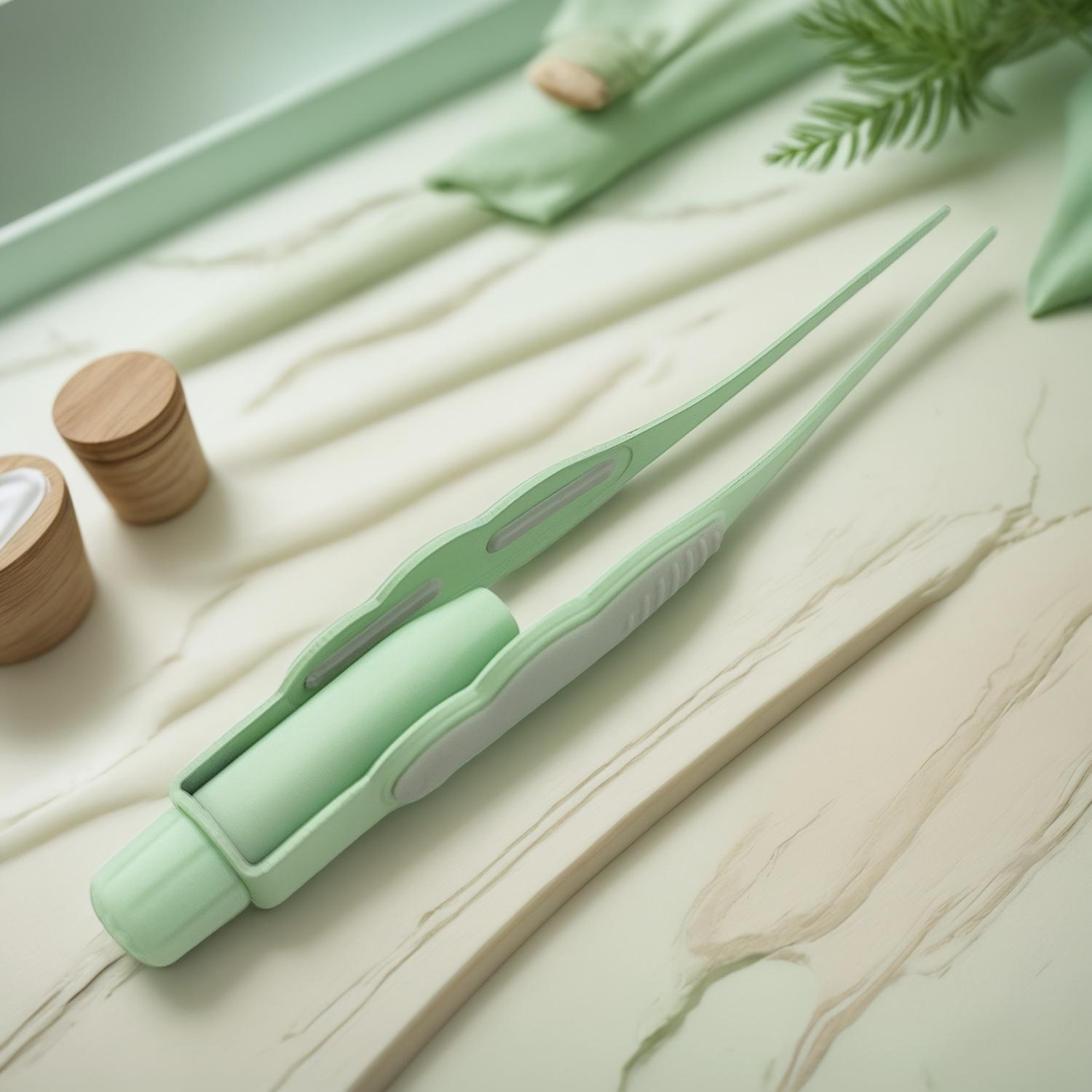
Wholesale Tweezers: A Practical Sourcing Guide for Quality Grooming Tools
Wholesale tweezers may look simple, but for beauty retailers, salons, distributors and private-label buyers, they are one of the most judgment-sensitive grooming tools in an assortment. A customer can feel the difference immediately: the tips either meet cleanly or they do not, the grip either feels controlled or it slips, and the tool either removes fine hairs accurately or causes frustration. That is why choosing tweezers in bulk should be treated as a product-quality decision, not just a price comparison.
For businesses building a dependable beauty tool range, the goal is to source tweezers that feel precise, durable and comfortable across everyday use cases. The original discussion of the ZenClip Tweezer-Shear Hybrid points to a broader market trend: buyers are looking for grooming tools that combine precision with practical handling. Whether you are adding standard tweezers, specialty shapes or hybrid grooming tools, the same sourcing logic applies. Evaluate the tool from the user’s hand, the retailer’s shelf and the buyer’s reorder plan.
Why Wholesale Tweezers Still Matter in Grooming Assortments
Tweezers remain a repeat-purchase and impulse-purchase category because they are used for eyebrow maintenance, facial hair removal, manicure cleanup, false lash handling and general personal care. They are small, easy to merchandise and suitable for beauty stores, nail salons, spas, gift sets, travel kits and online bundles. A well-chosen tweezer assortment can support both entry-level buyers and customers who are willing to pay more for smoother alignment and better control.
The challenge is that low-quality tweezers often create returns, negative reviews and weak customer loyalty. A tiny misalignment at the tip can make the tool feel useless. Rough edges can scratch the skin. Weak tension can make gripping difficult, while excessive tension can fatigue the hand. When purchasing at wholesale scale, these small details become important because one poor batch can affect many customer experiences.
Before finalizing an order, review the category role. Are the tweezers intended as a basic checkout item, a salon-use tool, a travel accessory, a manicure-kit component or a premium grooming product? The right quality level, finish, packaging and price position depend on that answer. Olimor Beauty supports buyers exploring different beauty tool categories through its beauty tool products and broader product collections, which can help retailers think beyond a single SKU and build a coherent range.
Key Quality Criteria When Comparing Bulk Tweezers
Precision is the most important test. Tweezer tips should meet evenly along the intended gripping area, not only at one corner. The edges should be fine enough to hold short or thin hair, but not so sharp that they feel unsafe for normal grooming. For slant-tip tweezers, the angle should allow clear visibility and controlled pulling. For pointed tweezers, the tips should be symmetrical and suitable for targeted work.
Material and surface finishing also matter. The supplied information does not specify a particular material grade, so buyers should evaluate samples rather than relying on broad claims. Check whether the surface is smooth, whether the finish resists visible marks from handling, and whether the tool can be cleaned easily. If the product is intended for salon or professional environments, buyers may need additional information about cleaning compatibility, packaging labeling and local compliance requirements.
Use the following checklist when comparing wholesale tweezers or hybrid grooming tools:
- Tip alignment: The tips should close evenly without crossing, gapping or twisting.
- Grip performance: Test on fine hair, short hair or a comparable fiber to confirm controlled hold.
- Spring tension: The tool should open and close smoothly without hand strain.
- Edge comfort: No burrs, rough corners or uncomfortable pressure points should be present.
- Finish consistency: Inspect several pieces, not only one sample, for color, polish and coating uniformity.
- Packaging protection: Tips should be protected during transport and retail handling.
- Batch consistency: Confirm that production pieces match the approved sample in feel and appearance.
Considering Hybrid Tools Such as the ZenClip Tweezer-Shear Hybrid
The ZenClip Tweezer-Shear Hybrid is described as combining the steady grip of tweezers with the fine precision of shears. For buyers, a hybrid tool should be assessed not only for novelty but for actual usability. Does the combined design solve a real grooming problem? Is it intuitive for the user? Can the customer understand its benefit from the packaging or product description? If a tool requires too much explanation, it may need stronger in-store education or clearer online images and copy.
Hybrid grooming tools can be useful for retailers that want differentiation from basic tweezer listings. However, they should not be selected only because they look different. A strong hybrid product should still pass the fundamental tests of alignment, comfort, safety, cleaning and durability. The tool’s moving parts, if any, should feel stable. The hand position should be natural, especially for users performing detailed grooming tasks near the face or nails.
When introducing a specialized item like the ZenClip Tweezer-Shear Hybrid, consider merchandising it next to familiar grooming essentials rather than isolating it. Pairing it with brow tools, manicure accessories or travel grooming items can make the use case easier to understand. For online sales, include copy that explains the functional concept in plain language: steady gripping, precise trimming or detailed grooming control, depending on the exact product configuration presented to the buyer.
Building a Wholesale Tweezer Assortment That Sells
A good tweezer program usually includes more than one style. Different users prefer different tip shapes and grip sizes, and retailers can improve conversion by offering a simple but intentional assortment. The point is not to add too many nearly identical options; it is to cover the common grooming needs clearly.
| Assortment role | Typical buyer need | Selection focus |
|---|---|---|
| Everyday slant tweezer | Eyebrow shaping and general grooming | Comfortable grip, clean alignment, easy retail explanation |
| Pointed tweezer | Fine detail work and targeted hair removal | Symmetry, controlled tips, protective packaging |
| Flat or wide-tip option | Handling larger hairs or beauty accessories | Stable contact area and consistent closing pressure |
| Hybrid grooming tool | Customers seeking multi-function precision | Clear usability, intuitive design and strong product education |
| Travel or kit component | Portable personal care sets | Compact size, tip cover and packaging compatibility |
Retailers should also think about color and finish strategy. A neutral finish may suit professional or pharmacy channels, while a more decorative finish may perform better in gift or fashion-led beauty retail. Without verified product specifications, avoid building a sales message around unsupported material or coating claims. Instead, focus on what can be inspected and demonstrated: tip precision, handling comfort, packaging quality and intended use.
Sustainability and Recyclable Tool Positioning
The earlier product angle references eco-friendly and recyclable practices. Sustainability can be meaningful in beauty tools, but it should be communicated carefully. Buyers should distinguish between the tool material, packaging material, product lifespan and end-of-life handling. A durable tool that stays functional longer may reduce replacement frequency, but recyclability depends on material composition, local recycling systems and packaging choices.
For wholesale buyers, a practical sustainability review can include several questions. Can excess plastic be reduced in packaging? Is the tip protector necessary for safety, and if so, can it be minimized? Are printed instructions concise and useful rather than decorative waste? Can outer cartons be designed for efficient transport and warehouse handling? These decisions may not be as visible as a large sustainability claim, but they often make a real operational difference.
When marketing tweezers as recyclable or eco-conscious, use only claims that can be supported by product and packaging information. Customers increasingly notice vague environmental language. A more credible approach is to describe specific actions, such as reduced packaging, reusable storage sleeves or responsible assortment planning that prioritizes durable tools over disposable novelty items.
Maintenance Guidance That Improves Customer Satisfaction
Wholesale buyers should not overlook after-sale education. A tweezer that is well made can still perform poorly if the tips are bent, contaminated with oil or stored loosely with other metal tools. Simple care instructions can reduce complaints and improve the perceived value of the product.
- Wipe the tips after use to remove oils, makeup residue or skincare products.
- Store tweezers with a tip cover or in a pouch to prevent bending and dulling.
- Avoid dropping the tool on hard surfaces, as this can disturb tip alignment.
- Use the appropriate tip shape for the task instead of forcing one tweezer to do every job.
- For professional environments, follow applicable hygiene and cleaning requirements for the setting.
For retailers, these instructions can be included on packaging inserts, product pages or staff training sheets. Clear maintenance advice is especially useful for premium or specialty items, where customers expect a longer service life. It also helps buyers position tweezers as precision tools rather than disposable accessories.
How to Work With a Beauty Tool Supplier
Choosing a wholesale tweezer supplier is ultimately about consistency. One sample can look excellent, but the important question is whether the approved quality can be maintained across the full order and future reorders. Buyers should prepare a sample approval record that includes photos, finish notes, packaging details, acceptable alignment standards and any labeling requirements. This creates a clearer reference point if questions arise during production or inspection.
It is also helpful to define the sales channel early. A salon distributor may prioritize professional handling and practical packaging, while a beauty retailer may need shelf-ready presentation and easy barcode placement. An e-commerce seller may care more about protective mailer compatibility, accurate product photography and review-friendly performance. The same tweezer can succeed or fail depending on how well it fits the channel.
If you are comparing bulk grooming tools, manicure accessories or hybrid designs such as the ZenClip Tweezer-Shear Hybrid, you can contact Olimor to discuss product direction or send an inquiry with your sourcing requirements. A focused inquiry should include intended use, target channel, packaging needs, preferred style range and any compliance or labeling considerations relevant to your market.
Final Buying Advice for Wholesale Tweezers
The best wholesale tweezers are not simply the cheapest or the most decorative. They are the tools that close accurately, feel controlled in the hand, survive normal handling and match the expectations of your buyers. For a basic retail program, prioritize reliable slant tweezers and clear packaging. For a more differentiated range, add specialty tips or a carefully explained hybrid grooming tool. For sustainable positioning, keep claims specific and support them with thoughtful packaging and durability decisions.
By evaluating precision, assortment role, user comfort, maintenance and supplier consistency, beauty businesses can turn a small grooming tool into a dependable category. In a market where customers quickly recognize whether a tweezer works, careful sourcing is the simplest path to stronger reviews, repeat orders and a more trusted beauty tool offering.
Tag: