

How to Choose a Tweezers Supplier for Wholesale Salon and Manicure Tools
Choosing a tweezers supplier is a quality decision, not just a purchasing task. For salons, spas, brow studios, nail professionals, beauty retailers and distributors, a tweezer affects service speed, technician confidence, product presentation and repeat customer satisfaction. The right supplier should help you source tools that grip cleanly, feel comfortable in repeated use, arrive with protective packaging and remain consistent from sample approval to repeat orders.
This guide explains how wholesale buyers can evaluate tweezers for salon supplies and manicure tool assortments. It focuses on practical details: tip alignment, stainless steel suitability, finish, tension, packaging, quality checks, customization discussions and supplier communication. It does not rely on vague claims or price alone, because a low-cost tweezer that slips, bends or feels uncomfortable can create higher costs through wasted service time and replacements.
Why Tweezers Matter in Professional Beauty Purchasing
Tweezers are small tools, but they are used in high-visibility tasks. Brow shaping, lash work, facial grooming, nail art placement and manicure preparation all require control at the tip. If the tips do not meet evenly, the tool may push fine hair away instead of gripping it. If the body feels awkward, technicians may experience hand fatigue during repeated services. If packaging fails to protect the tips, an otherwise acceptable product can arrive misaligned or damaged.
Professional beauty tools are judged through daily repetition. A salon team may pick up the same tweezer many times in one day, while distributors and retailers need products that can satisfy many different end users. This makes batch consistency important. One approved sample is not enough if bulk goods arrive with varied finish, closure feel or grip performance.
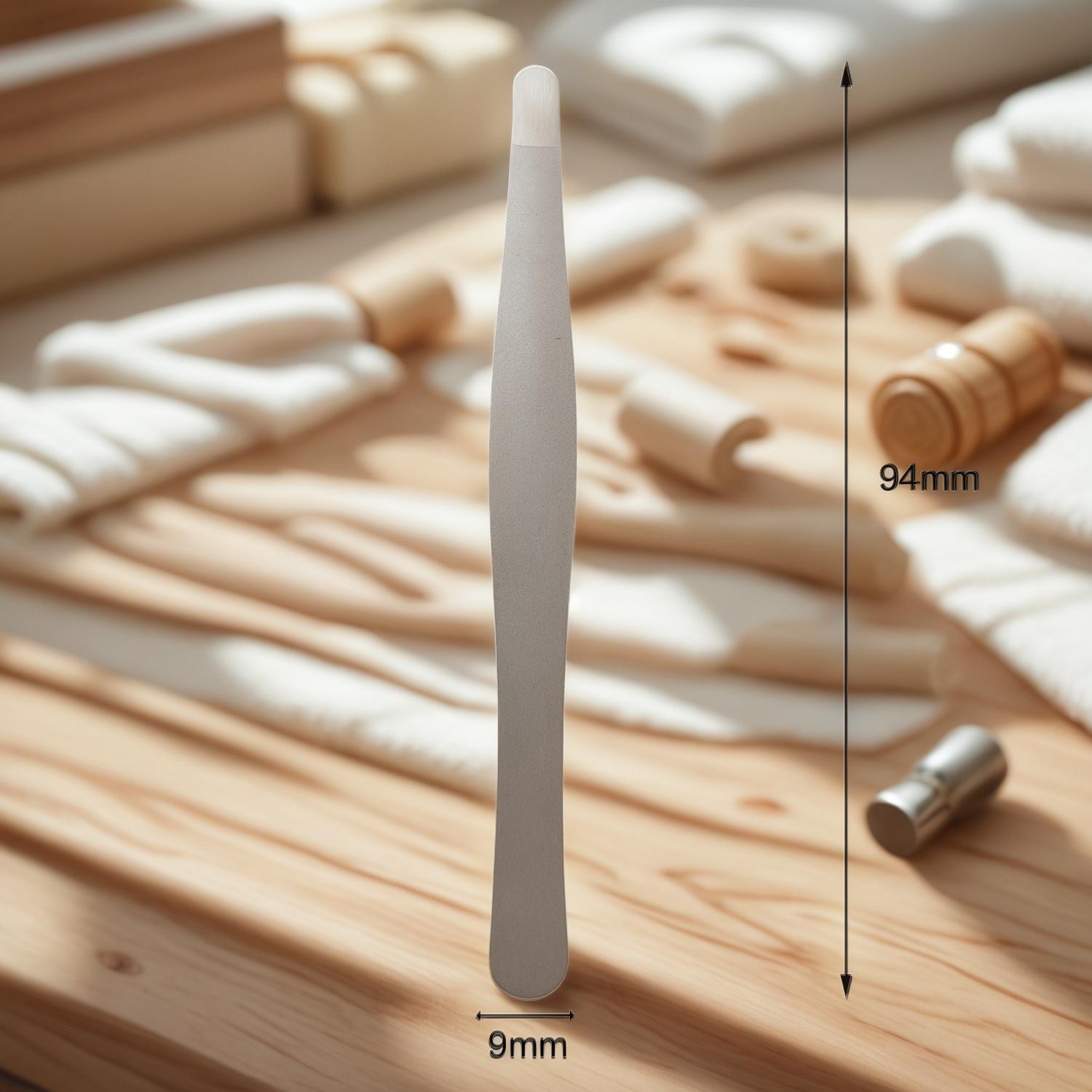
Olimor supplies beauty tools for professional and wholesale buyers, including stainless steel tweezers such as the Ultimate Precision Tweezer. Buyers reviewing a broader assortment can compare related categories through Olimor beauty tool products and use the same evaluation criteria across grooming, manicure and salon tools.
Start With One Clear Use Case
Before comparing suppliers, define where the tweezers will be used. A product intended for brow specialists is not evaluated in exactly the same way as a retail kit tweezer or a manicure support tool. Use-case clarity helps prevent overbuying a design that looks attractive but does not fit the service menu, retail audience or distributor channel.
Common wholesale tweezer applications
- Brow shaping: Buyers should focus on clean tip meeting, slanted control, grip on fine hair and comfortable hand pressure.
- Lash and detail work: Controlled closure, balanced tension and smooth finishing are important for handling small or delicate items.
- Manicure and nail art support: Tip precision, easy cleaning, stable grip and protection during storage help technicians place small decorations or handle preparation materials.
- Retail beauty kits: General usability, clear product presentation and protective packaging matter because home users may not understand professional handling and storage habits.
- Distributor assortments: Repeatable quality, coherent packaging options and broad appeal help serve salons, spas, beauty schools and retail accounts with fewer sourcing complications.
When the target user is clear, supplier evaluation becomes more objective. Instead of asking whether a tweezer is high quality in general, you can ask whether it performs well for brow shaping, manicure support, lash handling or retail resale.
Core Criteria for Evaluating Wholesale Tweezers
Price matters in wholesale buying, but it should be reviewed after the tool passes basic performance checks. A structured checklist helps purchasing teams compare options fairly and avoid being influenced only by polished product photos.
- Tip alignment: The two tips should meet evenly without visible gaps, crossing or the need for excessive pressure.
- Grip performance: The tweezer should hold fine hair or small items securely during realistic use instead of slipping or pushing the item away.
- Tension: Closure should feel controlled, not weak, uneven or overly stiff. Good tension supports precision without tiring the hand.
- Hand comfort: Shape, weight and surface feel should support repeated professional handling.
- Material suitability: Stainless steel is commonly preferred for professional beauty tools because it supports durability, a clean professional appearance and corrosion resistance when properly maintained.
- Finish consistency: Surfaces should be smooth and consistent, with no obvious burrs, rough areas, scratches or uneven polishing that could affect comfort or presentation.
- Packaging protection: Packaging should protect the tips during shipment, storage and retail handling.
- Range compatibility: Tweezers should fit naturally with other manicure, grooming and salon tools in your assortment.
These criteria are useful for wholesale salon supplies, manicure tools wholesale, spa procurement and beauty retail sourcing. They also make supplier discussions more concrete because each point can be checked with samples and bulk inspection.
Comparison Table: Match Tweezer Features to Buying Goals
| Buying goal | What to check | Why it matters | Supplier question to ask |
|---|---|---|---|
| Brow service performance | Slanted tip contact, hair grip, balanced pressure | Supports clean shaping and reduces repeated pulling attempts | Can you provide representative samples for grip and alignment review? |
| Lash or detail control | Fine closure feel, smooth finish, stable handling | Helps technicians handle small items with accuracy | How do you check tip finishing and closure consistency before packing? |
| Manicure and nail art support | Tip precision, easy cleaning, storage protection | Useful for placing small decorative pieces and handling materials | Which packaging options protect the tips during shipment and salon storage? |
| Retail beauty kits | General usability, presentation, care guidance | Home users need a tool that looks clear, practical and easy to store | Can product packaging or inserts include basic care instructions? |
| Distributor repeat orders | Batch consistency, finish repeatability, order communication | Reduces complaints and supports stable inventory planning | What quality checks are used from material review to final packaging? |
Material, Finish and Maintenance Considerations
Material choice should match professional use and maintenance reality. Stainless steel is widely used in beauty tools because it can offer durability and resistance to corrosion when properly cleaned, dried and stored. However, stainless steel does not eliminate the need for correct care. Moisture, harsh storage conditions, impact damage and poor tip protection can shorten tool life or affect alignment.
For salon environments, tweezers should be cleaned according to the salon’s hygiene procedures and applicable local requirements. Buyers should verify current rules from relevant public health authorities in the market where the tools will be used. If a buyer requires a supplier quality management framework, ISO 9001 may be a useful reference point for discussion, but the buyer should verify the applicable version and review supplier documentation directly. No buyer should assume certification unless the supplier provides valid evidence.
Maintenance details should also be considered for retail buyers. A consumer who stores tweezers loose in a makeup bag without tip protection may damage the alignment and believe the product was defective. Simple care instructions, protective caps or suitable packaging can help reduce preventable dissatisfaction after sale.
How to Evaluate a Tweezers Supplier Before Ordering
A supplier conversation should move from broad claims to verifiable details. The goal is to reduce risk before approving bulk production or repeat orders. Use a practical sequence that covers product fit, samples, quality checks, packaging and commercial support.
- Define the target user: Decide whether the tweezer is for brow specialists, lash technicians, nail salons, spas, retail kits, distributors or mixed salon supply channels.
- Request representative samples: Evaluate alignment, grip, tension, surface finish, comfort and packaging protection. Samples should reflect the style and presentation you intend to buy.
- Test with realistic tasks: Use the tool on fine hair, small nail art pieces or other relevant materials instead of judging only by appearance.
- Compare multiple units: Review more than one sample when possible. Wholesale buyers need consistency, not a single good piece.
- Discuss inspection points: Ask how raw material, forming, finishing, tip closure, surface condition and final packaging are checked.
- Review packaging needs: Confirm whether packaging supports salon back-bar use, retail display, kits, distributor storage or shipping protection.
- Clarify customization carefully: If you need private label, packaging changes or assortment support, ask what is possible without assuming minimum order quantities, costs or lead times.
- Confirm repeat-order communication: Ask how the supplier manages product references, approved samples and packaging details so future orders remain consistent.
Olimor buyers who want to compare tool categories before requesting samples can browse professional beauty tool collections to plan a coherent assortment rather than sourcing one isolated product.
Quality Checks That Matter for Wholesale Salon Supplies
Quality assurance for tweezers should cover the areas technicians notice immediately: the tips, closure feel, surface condition and packaging. Product photos cannot show whether the tips meet correctly under light pressure or whether several pieces in a shipment feel consistent.
Practical inspection checklist
- Raw material review: Confirm the specified material is suitable for the intended beauty-tool application, such as stainless steel where required.
- Tip shaping and finishing: Check whether the tips are shaped and finished for accurate gripping without rough, uneven or unsafe edges.
- Closure feel: Close the tweezer repeatedly to identify weak tension, stiffness, uneven contact or twisting.
- Grip test: Test on the actual type of item the user handles, such as fine hair or small nail art components.
- Surface condition: Look for scratches, burrs, inconsistent polishing or finish defects that affect presentation and comfort.
- Packaging check: Confirm that packaging protects the tips and matches the sales channel.
- Batch comparison: Compare multiple pieces from the same shipment for similar feel, finish and performance.
This approach is especially important for distributors, salon chains and retailers. Their risk is not limited to whether one technician likes one sample. They need tools that can be stocked, sold and reordered with confidence.
Buying Tweezers With Manicure Tools Wholesale
Many buyers searching for a tweezers supplier are also building manicure tool assortments. The same practical concerns apply: material suitability, comfortable handling, clean finish, durable construction, packaging protection and consistent appearance across the range. A spa may use tweezers for brow and lash services while also stocking manicure tools for nail preparation, treatment rooms or retail kits.
When buying manicure tools wholesale, avoid building kits only for visual completeness. Every item should have a purpose. A tool that is rarely used, poorly finished or uncomfortable can reduce the perceived quality of the entire kit. Instead, map the kit to actual service steps and decide where tweezers add value: nail art placement, preparation assistance, small accessory handling or grooming tasks offered alongside manicure services.
Assortment consistency also matters. If a retail kit includes tools with mismatched finish levels, weak packaging or different quality expectations, the buyer may receive complaints even when one item performs adequately. A supplier that can discuss tweezers in relation to other salon and manicure tools can help buyers plan more coherent ranges.
Cost Factors Without Reducing the Decision to Price
Wholesale tweezer cost depends on more than the unit quote. Buyers should evaluate total value, including inspection effort, rejection risk, packaging suitability, replacement frequency, customer complaints and the administrative cost of managing inconsistent suppliers.
Common cost factors include material selection, product design, finishing requirements, packaging type, customization, order complexity, inspection expectations and shipping arrangement. Buyers should request current supplier quotations and avoid assuming that the lowest initial price delivers the lowest long-term cost. A slightly better-aligned, better-packaged and more consistent tool may support smoother service and fewer post-sale issues.
Because costs, minimum order quantities and delivery schedules can vary by product, packaging and customization request, buyers should confirm details directly before planning a launch or restock. Olimor can review product and sourcing questions through the wholesale inquiry page.
Supplier Evaluation Questions for B2B Buyers
Use direct questions to compare suppliers. The best answers should be specific enough to support a purchasing decision, while avoiding unsupported claims.
- Which tweezer styles are best suited for brow shaping, lash work, manicure support or retail kits?
- What material is specified for the product, and how should it be cleaned, dried and stored?
- How are tip alignment, closure feel and surface finish checked before packaging?
- Can representative samples be provided before a wholesale order?
- Will the bulk goods match the approved sample in finish, tension and packaging?
- What packaging options are available for salon use, retail display or distributor inventory?
- Can the supplier support private label, packaging adaptation or coordinated tool assortments?
- What documentation, product specifications or inspection records can be reviewed where applicable?
- How are repeat orders identified so the same product and packaging details are maintained?
These questions help purchasing teams identify whether a supplier understands professional use or is simply offering a generic beauty item. Good supplier evaluation is not adversarial; it is a way to confirm fit before both sides commit time and inventory.
A Practical Olimor Sourcing Path
For buyers who need wholesale salon supplies, grooming tools or manicure tool assortments, Olimor offers a practical starting point: define the target use, review suitable products, request samples where appropriate, confirm packaging needs and discuss order details before committing. This process keeps the decision grounded in real handling and channel requirements.
The Ultimate Precision Tweezer is described as a stainless steel tool designed for grip, longevity and ergonomic handling. Buyers should still evaluate samples according to their own use case and internal quality expectations. A brow studio, nail salon, retail buyer and distributor may each judge the same tool through different priorities.
If you are planning a salon, spa, manicure or retail beauty-tool range, you can contact Olimor with your intended application, packaging needs and sourcing questions. A clear brief helps the supplier recommend suitable options without guesswork.
FAQ: Wholesale Tweezers Supplier Questions
Can I request samples before placing a wholesale tweezers order?
Sample availability should be confirmed with the supplier. For B2B buyers, samples are important because they allow practical checks of tip alignment, grip, tension, finish, hand comfort and packaging before approving a larger order.
What should I ask about MOQ for tweezers or manicure tools?
Ask the supplier to confirm the applicable minimum order quantity for the exact product, packaging and customization requirement. MOQ can vary by item and project details, so it should not be assumed from a general product description.
Can tweezers be customized for retail or distributor programs?
Customization may include packaging, assortment planning or branding discussions depending on the product and order requirements. Buyers should provide the target channel, expected presentation style and any compliance or labeling needs so the supplier can confirm what is possible.
What quality checks should I perform when goods arrive?
Inspect multiple units for consistent tip meeting, grip, closure feel, surface finish and packaging protection. Compare received goods with the approved sample and document any differences before distribution or retail sale.
How should I discuss lead time without relying on assumptions?
Ask for the current lead time based on the selected product, quantity, packaging, customization and shipping arrangement. Confirm timing before planning promotions, retail launches or salon restocks.
Tag: