

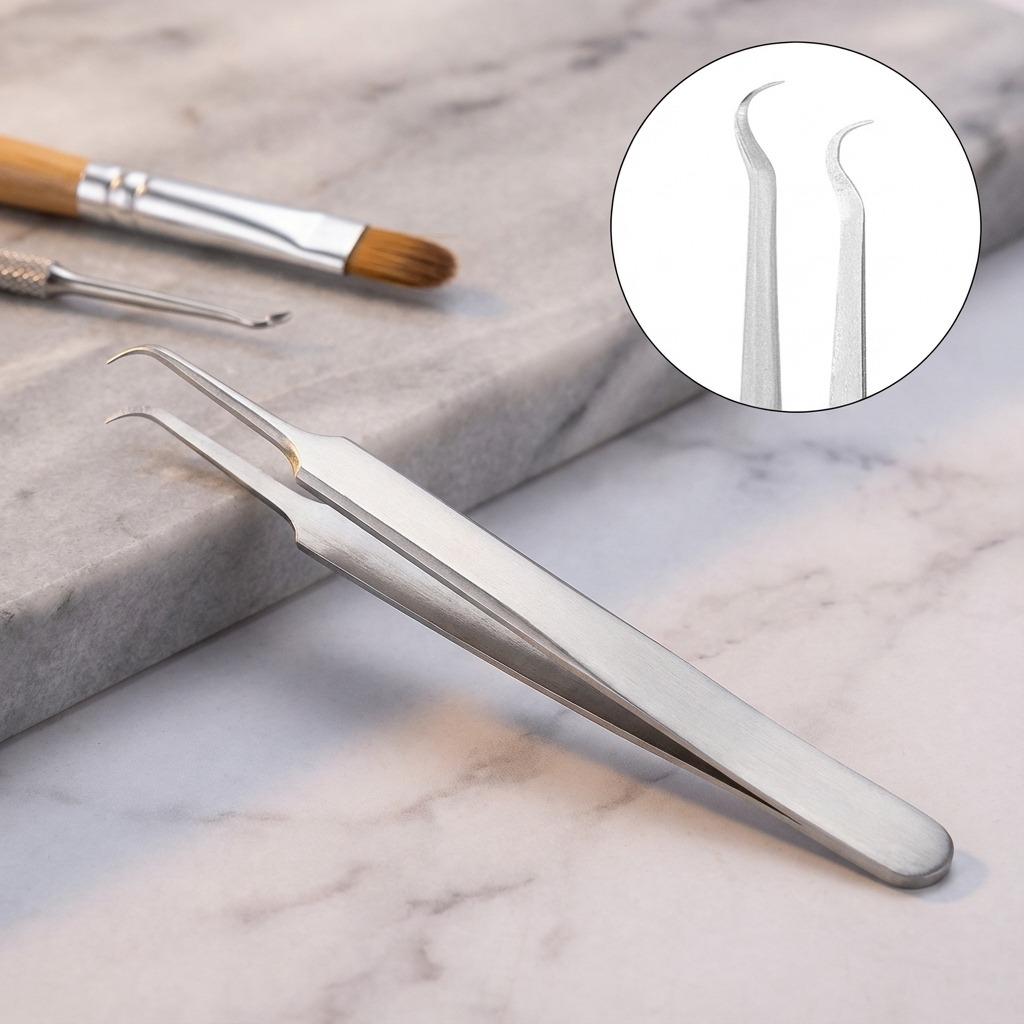
Tweezers Supplier for Precision Beauty Tools and OEM Customization
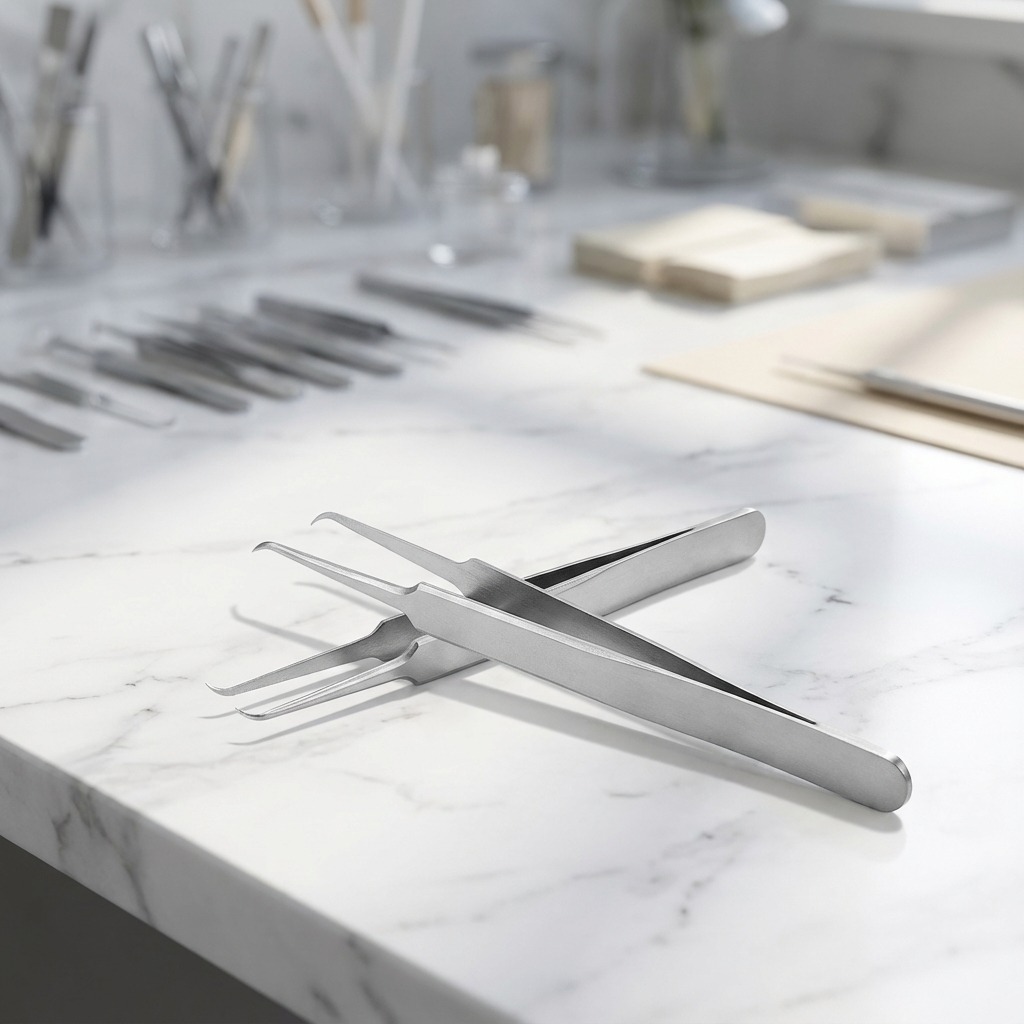
Choosing a tweezers supplier is a product quality decision, not just a purchasing task. For beauty brands, salon distributors, lash technicians, grooming-tool buyers and private-label programs, tweezers must look presentable, close accurately and feel controlled in the hand. A polished pair with uneven tips, weak tension or rough edges can cause poor grip, inconsistent brow shaping, difficult lash placement and customer complaints.
Olimor supplies stainless steel tweezers for beauty and grooming applications, with options for standard product selection, tweezers OEM development and design-your-own tweezers projects. The best sourcing result comes from defining the use case first, then evaluating tip geometry, tension, finish, handle feel, packaging and inspection controls before confirming an order.
This guide answers the main informational and B2B commercial questions buyers usually ask: which tweezer type fits which application, where customization adds value, what to check in samples, and how to evaluate a supplier without relying only on appearance or low cost.
What a Professional Tweezers Supplier Should Help You Decide
A reliable tweezers supplier should make product selection clearer. Many projects start with a broad request such as angled tweezers, curved tweezers or private-label tweezers, but the final specification depends on small details that directly affect performance. The supplier should help translate your target user, sales channel and packaging plan into a practical tool design.
For brow grooming, the gripping edge must meet evenly and hold fine hairs without requiring excessive hand pressure. Slanted or angled tips are common because they give users visibility and access around the brow line. For eyelash work, buyers often prioritize refined tip contact, a controlled working angle and comfortable handling during repeated placement tasks. For general grooming kits, the tool may need balanced everyday performance, a clean finish and packaging that protects the tips. For crafting or electronics detail work, the buyer may focus on accurate closure and control over small parts.
Material choice is also important. The supplied product information identifies Olimor tweezers as stainless steel tools. Stainless steel is widely used for beauty tweezers because it supports strength, corrosion resistance and a clean surface when properly cared for. Buyers should still evaluate finish quality, edge smoothness and the suitability of any color or coating for the intended retail position and use environment.
If you are planning a wider beauty-tool assortment, review related categories through Olimor beauty tool products and consider how tweezers will sit alongside other items. A tweezer is a small product, but it is a high-touch tool. Users quickly notice poor alignment, uncomfortable tension and tip damage.
Key Selection Criteria for Stainless Steel Tweezers
The most useful way to compare tweezer samples is to test function and handling before judging presentation. A shiny finish may photograph well, but buyers should confirm whether the tool grips, closes and feels right in actual use.
Tip Alignment and Grip Performance
The two tips should meet evenly across the intended gripping surface. If one side touches first or the arms twist when closed, the tweezer may fail to hold fine hair or may pinch unevenly. For brow tools, check whether the edge can grip short or fine hairs without cutting them. For lash tools, check whether the tip supports controlled placement without blocking visibility.
Tip Shape and Application Fit
Tip shape should follow the primary use case. Angled or slanted tips are popular for eyebrow grooming because they provide access and visibility. Curved tweezers can help when angle control matters, such as some lash or detail-work tasks. Pointed or very fine tips may suit precision work, but they require careful handling and appropriate packaging protection. Straight tips may be suitable for simpler grooming or general beauty kits, depending on the target user.
Arm Tension and Hand Comfort
Tension should feel controlled and balanced. If it is too stiff, professionals who work for long periods may experience fatigue. If it is too loose, users may lose control when gripping fine hairs or placing lashes. When reviewing samples, open and close the tool repeatedly rather than testing it only once. Repeated motion reveals whether the tension supports real working conditions.
Surface Finish and Edge Smoothness
Polished, brushed, colored or coated finishes should appear uniform and clean. Outer edges should feel smooth against the fingers and should not scratch the skin during normal grooming. If a finish is selected mainly for retail appeal, confirm that it still supports comfort, brand positioning and practical handling.
Grip Area and Ergonomic Feel
The handle area influences control. Smooth handles can look minimal and refined, while textured or shaped grip areas may help professional users maintain control during longer sessions. Ergonomic features should be purposeful. A distinctive handle shape is useful only if it improves comfort or control for the intended user.
Batch Consistency
One good sample is not enough for a retail or salon supply program. Buyers should ask how consistency is checked across production, including tip alignment, closing feel, surface appearance and packaging condition. Small inconsistencies are highly visible in tweezers because the user interacts directly with the working tip.
Tweezers OEM Services: Where Customization Adds Value
Tweezers OEM services are useful when a brand needs a tool that fits a specific market position rather than a generic accessory. OEM development can include tip style, surface finish, handle feel, logo application, packaging presentation and the way the tweezer coordinates with a broader beauty-tool line.
Customization should not be cosmetic only. Color, logo and packaging can make the product recognizable, but the tweezer still needs precise closure and comfortable handling. For professional users, balanced tension and refined tip contact may matter more than decoration. For retail buyers, finish consistency and packaging fit can be just as important as the tool itself because the first customer impression happens before the product is used.
Before starting an OEM tweezer project, prepare a clear but practical brief. Include the main application, preferred tip style, desired finish direction, handle or grip expectations, packaging concept and target user. If you have an existing sample, explain what should remain and what should change. For example, you may like the angled tip but want a different surface finish, or you may want a lighter closing feel for everyday consumers rather than salon professionals.
Buyers developing a coordinated range can also compare tweezers with other items in Olimor product collections. This helps decide whether the tweezer should stand alone, match a brow set, support a lash kit, or fit into a travel grooming assortment.
Common Use Cases and Design Priorities
No single tweezer style is ideal for every product line. A beauty brand serving multiple customer groups may need separate designs rather than forcing one tool to cover brow grooming, lash work and promotional kits. The comparison below helps define specifications before ordering samples.
| Use case | Design priority | What to check in samples | Commercial buying note |
|---|---|---|---|
| Eyebrow grooming | Reliable grip on fine hairs, good visibility and comfortable control | Tip alignment, slanted edge consistency, grip on short hairs and edge smoothness | Useful for retail beauty brands, brow kits and grooming-tool assortments |
| Eyelash application | Refined tip contact, controlled angle and fatigue-resistant handling | Smooth closure, tip precision, working angle and repeated open-close comfort | Sample testing by the intended user group is especially important |
| General grooming kits | Balanced everyday performance and attractive presentation | Finish consistency, safe packaging fit and comfortable arm tension | Works well when the tweezer coordinates with other kit tools |
| Professional salon supply | Consistent feel across multiple pairs and practical durability | Batch consistency, grip performance, finish quality and packaging protection | Supplier evaluation should include inspection process and repeat-order consistency |
| Craft or detail work | Fine control for small parts and clear visibility around the tip | Tip precision, rigidity, working angle and closure accuracy | Define the non-beauty use clearly so the tool is not specified only for grooming |
Quality Inspection Points Before Approving an Order
For precision beauty tools, inspection should cover both appearance and function. A practical approval process reduces the risk of receiving tools that look acceptable but fail in the hand. Olimor product information emphasizes internal quality checks from raw materials to final packaging, which are the right areas for buyers to discuss before confirming a project.
- Raw material and surface review: Confirm that the selected stainless steel tool appearance, finish direction and surface condition match the approved sample.
- Tip alignment check: Verify that tips meet evenly and do not show visible offset, twisting or gaps when closed.
- Closure and tension check: Open and close the tweezer repeatedly to confirm controlled resistance and smooth movement.
- Grip test: Test the tweezer against the intended task, such as holding fine hair, supporting lash placement or gripping small parts.
- Edge comfort check: Run a careful touch inspection over outer edges and corners to identify roughness or sharp areas.
- Finish consistency check: Compare multiple pieces for color, polish, brushing or coating consistency.
- Packaging protection check: Make sure tips are protected during handling and shipment, especially for fine or pointed designs.
- Final presentation check: Review logo placement, retail card, pouch, sleeve or box condition where applicable.
For buyers operating in regulated or quality-sensitive markets, standards can provide a useful evaluation language. ISO 9001 is a widely used quality management standard, and EU REACH may be relevant when assessing chemical substance requirements for products or coatings sold into the European Union. Buyers should verify the applicable version, market scope and supplier documentation for their own product and destination. These references should not be treated as a claim that Olimor holds any certification unless current documents are provided and verified.
Cost Factors in a Custom Tweezer Project
When comparing tweezers suppliers, the lowest unit price may not represent the lowest total cost. A tool with poor tip alignment, inconsistent finish or weak packaging can create extra sorting work, returns, complaints and lost confidence in the product line. Instead of asking only for a price, ask what specification and inspection assumptions the price includes.
Common cost factors include the chosen tip style, the level of finish work, handle or grip customization, logo application, packaging format, order complexity and inspection expectations. A simple stainless steel tweezer in basic packaging will usually have a different cost structure from a custom-finished tweezer with brand packaging and detailed appearance requirements. Because exact pricing depends on project details, buyers should provide the intended application, desired customization and packaging direction when requesting a quotation through Olimor OEM tweezer inquiry.
Cost discussions should also include sample approval. Samples help confirm whether the tool meets the target user experience before larger production decisions are made. If you are supplying salons, lash artists or beauty retailers, it is often useful to gather feedback from the people who will actually use or sell the tool.
How to Evaluate a Tweezers Supplier for B2B Purchasing
A strong supplier evaluation balances product, process and communication. Tweezers are small, but the supplier must understand precision. Clear communication early in the project can prevent misunderstandings around tip shape, finish, packaging and inspection criteria.
- Define the main use: State whether the tweezer is for brows, lashes, general grooming, detail work, retail kits or professional supply.
- Request relevant samples: Compare tip styles, finishes and tension options based on the actual user scenario.
- Test function, not only appearance: Check gripping ability, repeated closure, hand comfort and edge smoothness.
- Discuss OEM scope: Confirm what can be customized, such as finish, logo, handle feel, tip curvature or packaging.
- Review inspection points: Ask how alignment, tension, finish and packaging are checked before shipment.
- Confirm documentation needs: If your market requires specific supplier documents, clarify them before production planning.
- Evaluate responsiveness: A good supplier should ask practical questions and help refine the specification rather than simply quoting a vague request.
For buyers comparing multiple beauty-tool categories, it is helpful to keep tweezers in a separate evaluation track. Their performance depends heavily on alignment and tension, while simpler accessories may rely more on appearance or packaging. If you need direct support with product selection or project planning, Olimor can be reached through the contact page.
Practical Specification Checklist
Use this checklist when preparing a sourcing brief or comparing sample feedback internally. It helps convert a broad request such as private-label tweezers into a supplier-ready specification.
- Primary application: brow grooming, lash application, general grooming, kit inclusion or detail work
- Target user: professional technician, salon buyer, retail consumer, distributor or mixed audience
- Preferred tip style: angled, curved, straight, pointed or another approved sample direction
- Grip and handle needs: smooth, textured, shaped or ergonomic preference
- Material direction: stainless steel tool requirement based on the supplied product scope
- Surface finish: polished, brushed, colored, coated or brand-specific visual direction
- Logo and branding: placement, size expectation and presentation requirements
- Packaging format: card, sleeve, pouch, box, kit insert or other protective format
- Inspection focus: tip alignment, closing feel, edge comfort, finish consistency and packaging protection
- Commercial information needed: sample availability, customization feasibility, MOQ policy, lead time and documentation requirements
Why Work with Olimor for Tweezers OEM Development
Olimor supports beauty-tool buyers who need practical product options, stainless steel tweezer selections and room for OEM customization. The most productive projects start with a clear use case and a shared understanding of the details that affect user confidence: precise tip contact, comfortable tension, suitable finish and protective packaging.
For B2B buyers, the goal is not simply to design a tweezer that looks different. The goal is to create a tool that fits the market, performs consistently and supports your brand promise. Whether you are building a brow kit, sourcing tools for salon distribution or developing a private-label beauty range, Olimor can help review the product direction and discuss feasible customization options without overcomplicating the brief.
FAQ
Can I request samples before placing a tweezers order?
Sample discussions are recommended because tweezers must be checked in the hand. Buyers should evaluate tip alignment, grip performance, closing tension, edge smoothness and finish appearance before approving a larger order.
Does Olimor offer OEM or design-your-own tweezers options?
Yes. OEM discussions may include tip style, surface finish, handle feel, logo placement and packaging direction. The exact customization scope should be confirmed based on the intended application and approved sample.
What MOQ or lead time should I expect?
MOQ and lead time depend on the selected product, customization requirements, packaging and production schedule. Buyers should share the target specification and commercial plan so Olimor can provide project-specific information without assumptions.
How should I check quality before shipment?
Focus on functional and visual checks: tip alignment, closing feel, grip ability, edge comfort, finish consistency and packaging protection. If your market requires specific documents or standards review, confirm the applicable version and supplier documentation before production.
Which tweezer type should I choose for a beauty kit?
Start with the kit purpose. Brow kits often use angled tweezers for visibility and grip, while lash-focused kits may require a tip shape and working angle suited to placement tasks. For mixed-use retail kits, choose a balanced design and confirm that the packaging protects the tips.
Tag: