

Choosing a Tweezers Supplier for Precision OEM Beauty Tools
Finding the right tweezers supplier is not only about buying a small grooming tool at a competitive cost. For beauty brands, salon kit developers, lash professionals and private-label buyers, tweezers affect daily performance, customer satisfaction and the perceived quality of the whole product line. A tweezer that looks attractive but fails to grip consistently can create frustration quickly. A tool with well-aligned tips, comfortable handling and suitable finishing can become a dependable part of an eyebrow, lash or facial grooming routine.
Olimor Beauty works with beauty-tool buyers who need practical, customizable tweezers for professional and retail use. Whether you are reviewing standard products or planning tweezers OEM development, the best decisions start with clear product requirements: the intended task, tip style, material expectations, finishing preferences, packaging direction and inspection criteria. This guide explains how to evaluate a tweezers supplier and how to prepare a more effective custom design brief.
Start with the Exact Grooming Use Case
Different tweezers can look similar in a catalog, but small design choices change how they perform. Before comparing suppliers, define what the tool needs to do. Eyebrow shaping, lash application, detail hair removal and general grooming may require different tip shapes and different levels of tension. If a buyer skips this step, the final product may be attractive but poorly matched to the customer’s actual routine.
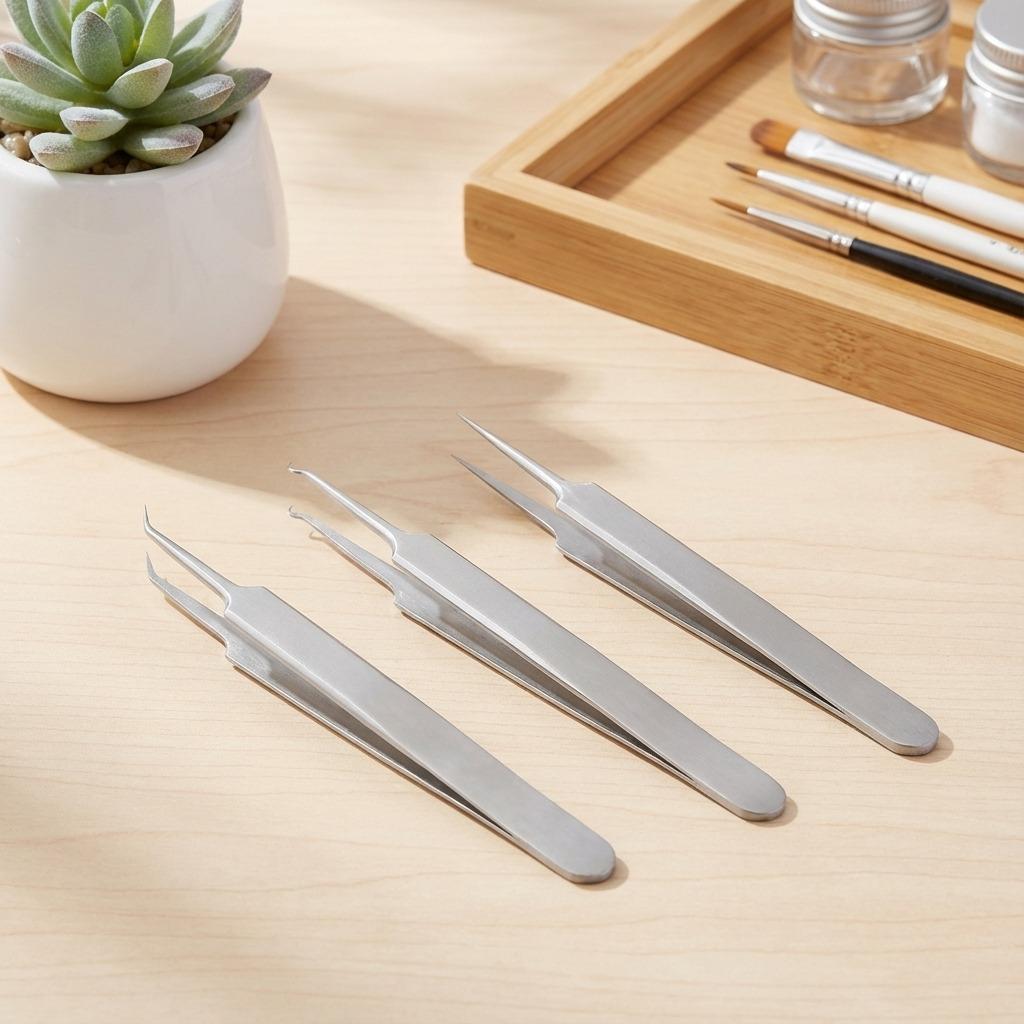
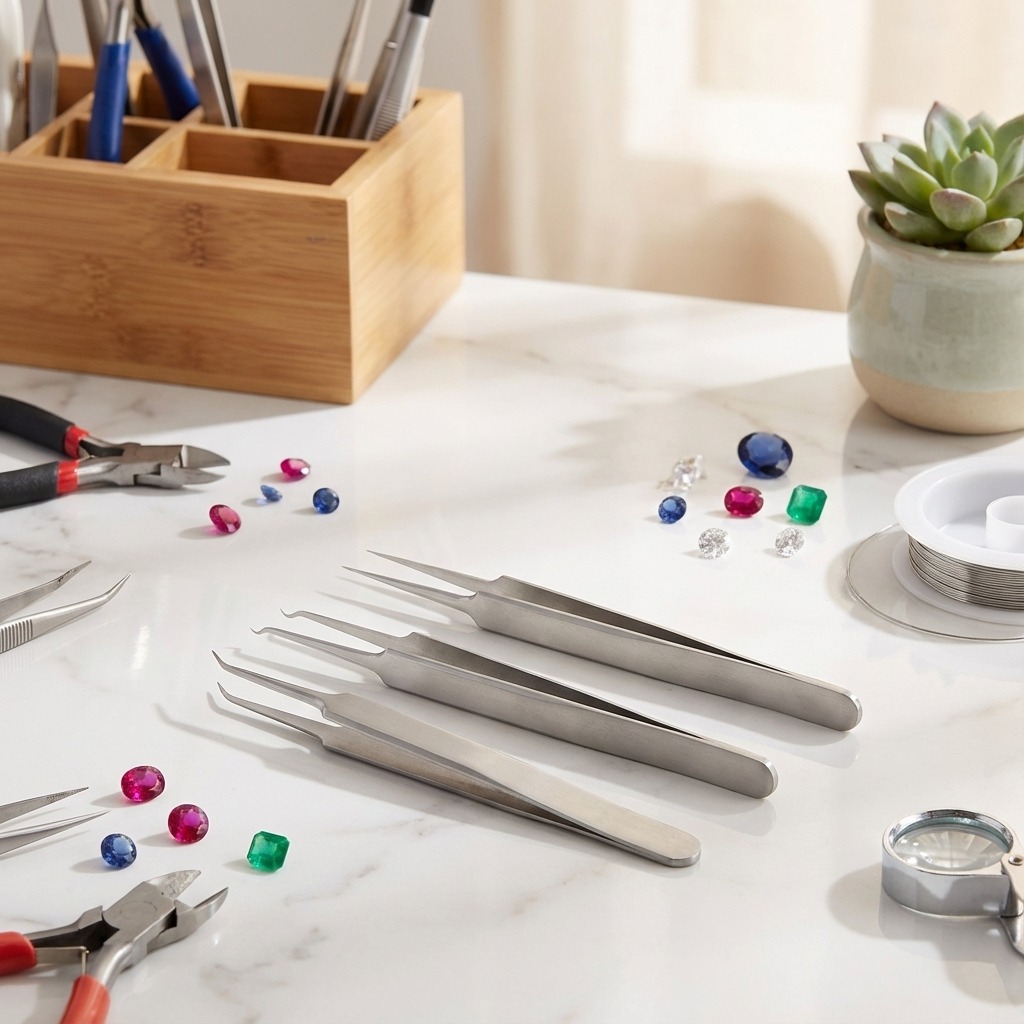
A pointed tip is useful for intricate tasks where visibility and fine control matter. A curved version may support a more ergonomic hand position for selected grooming movements. A straight-edge tweezer is often valued for versatile grooming because it can contact a wider area more evenly. The supplied product information for Olimor Beauty’s Elite Precision Tweezer Set highlights these three specialized tools: a pointed tip, a curved version and a straight-edge tweezer. That type of assortment is useful when a kit needs to cover more than one grooming scenario instead of relying on a single universal shape.
For retail sets, think about how the customer will understand each tool. A clear usage explanation on packaging or product inserts can reduce misuse and returns. For professional kits, buyers may place more weight on repeatable grip, balanced resistance and ease of cleaning because the tools will be used frequently.
What to Check When Evaluating Tweezer Quality
Precision is the core buying criterion. Decorative color, packaging and branding matter, but they cannot compensate for tips that do not meet cleanly. A strong supplier should be able to discuss inspection points in plain language and help buyers compare samples based on function rather than appearance alone.
- Tip alignment: The two tips should meet evenly enough to grip fine hairs or assist detailed work without slipping.
- Tip finish: Edges should feel controlled and purposeful, not rough or uneven. The correct finish depends on the intended use and tip style.
- Spring tension: The tool should open and close smoothly. Excessive stiffness causes hand fatigue, while weak tension can reduce control.
- Body balance: A tweezer should feel stable in the hand, especially for professionals who use tools for long sessions.
- Surface consistency: The finish should support the intended brand positioning and be checked for visible defects.
- Cleaning practicality: Beauty tools need surfaces and shapes that are reasonable to wipe and maintain after use.
The original product details describe corrosion-resistant stainless steel, which is a useful material direction for beauty tools because buyers usually expect durability and easy maintenance. However, material selection should still be reviewed with the complete application in mind. For example, a retail brow set may prioritize a refined surface appearance and comfortable grip, while a lash-focused tool may require very specific tip control.
OEM Tweezers: Turning a Product Idea into a Clear Specification
Tweezers OEM service is most effective when the buyer provides a focused brief. “Design your own tweezers” can involve tip shape, size range, surface finish, color direction, logo placement, packaging and set composition. The more clearly these elements are organized, the easier it becomes to evaluate feasibility and confirm samples.
A useful OEM brief does not need to be complicated. It should separate functional requirements from branding preferences. Functional requirements define performance: what the tweezer must grip, how precise it must feel, whether it belongs in a brow kit, lash kit or general grooming set, and whether the buyer wants a single tool or multiple specialized tools. Branding preferences define the customer-facing presentation: finish, logo style, packaging direction and how the tool should fit into the rest of the product range.
- Define the target user. Identify whether the product is for salons, lash artists, brow professionals, retail consumers, travel kits or promotional beauty sets.
- Select the tip style. Choose pointed, curved, straight-edge or another design direction based on the task, not only appearance.
- Confirm the set strategy. Decide whether one tweezer is enough or whether a multi-tool set better explains the product value.
- Choose branding areas carefully. Logos and finishes should not interfere with grip comfort or practical cleaning.
- Review samples against a checklist. Compare alignment, tension, finish and handling before moving forward.
For buyers building a wider assortment, it may help to review related beauty tool products and organize tweezers alongside other grooming tools. If the product is part of a coordinated launch, Olimor’s product collections page can also help buyers think about assortment structure before submitting design requirements.
Comparing Pointed, Curved and Straight-Edge Tweezers
Because the Elite Precision Tweezer Set includes three specialized tools, it is helpful to understand how buyers can position each type. This is especially important for private-label packaging, where the customer may need quick guidance at the point of purchase.
| Tip style | Typical advantage | Best fit in a product range |
|---|---|---|
| Pointed tip | Supports intricate tasks and detailed control when precision is the priority. | Lash work, detail grooming, professional kits and advanced users. |
| Curved version | Can improve working angle and hand comfort for certain grooming movements. | Eyebrow shaping, lash-related tasks and ergonomic tool sets. |
| Straight-edge | Offers versatile contact for general grooming and everyday use. | Retail brow kits, personal grooming sets and multi-purpose beauty tools. |
This comparison should not replace sample testing. Hand feel is subjective, and even a small change in tension or tip finishing can affect the user experience. A responsible sourcing process includes sample evaluation by people who understand the final use case, not only purchasing or design teams.
Inspection and Consistency Matter More Than Decoration
For beauty brands, repeatability is as important as a successful first sample. A display sample may look good, but the production batch also needs consistent function and finish. Olimor Beauty describes internal inspections at every stage, which is especially relevant for precision tools where small deviations are easy for users to notice.
Buyers should build an inspection checklist before approving a product. The checklist can include visual appearance, tip meeting point, opening and closing feel, surface finish, logo placement, packaging fit and any use-specific checks. This creates a shared reference for both sample approval and later production review. It also helps avoid vague feedback such as “make it better,” which is difficult to act on.
Packaging inspection should not be overlooked. Tweezers have fine working ends, so packaging must protect the tips during storage and transport. If a tool arrives with damaged alignment, the customer will judge the brand even if the original manufacturing was correct. For sets, each tweezer should remain in the intended position so that the tools are presented clearly and protected appropriately.
Maintenance Guidance for End Users and Retail Packaging
A good tweezers supplier can support the product, but end-user care also affects performance. Buyers planning retail packaging or instruction cards should include simple maintenance language. The goal is not to overload customers with technical information; it is to help them preserve alignment, cleanliness and safe storage.
- Wipe tweezers after use to remove residue from the tips and body.
- Store the tool so the tips are not bent, dropped or pressed against hard objects.
- Avoid using precision beauty tweezers for non-beauty tasks that can damage the tip edge.
- Keep different tip styles separated in the set so users can choose the correct tool quickly.
- Inspect the tips periodically; if alignment is damaged, performance will be reduced.
These small care points can improve the customer experience and reduce avoidable complaints. They are particularly useful for multi-piece sets, where each tweezer has a different role and should be treated as a precision tool rather than a disposable accessory.
How to Prepare a Better Inquiry for Olimor Beauty
If you are ready to compare standard tweezers or explore OEM development, prepare the key details before you contact a supplier. A strong inquiry should include the target market, preferred tip styles, whether the item is a single tweezer or a set, desired finish direction, logo and packaging needs, and any sample testing priorities. If you already have a reference product, describe what you like and what you want to improve rather than requesting an identical copy.
Olimor Beauty can be considered by buyers who need a tweezers supplier for precision grooming tools, OEM customization and practical product development. To begin a project discussion, you can send an inquiry with your product brief. For general questions about capabilities or product direction, you may also contact Olimor directly.
The best tweezer sourcing decisions balance design, function and consistency. Start with the grooming task, confirm the right tip style, review material and finish expectations, and inspect samples with a clear checklist. With that approach, tweezers become more than a small accessory; they become a reliable tool that supports the quality of the entire beauty range.
Tag: