

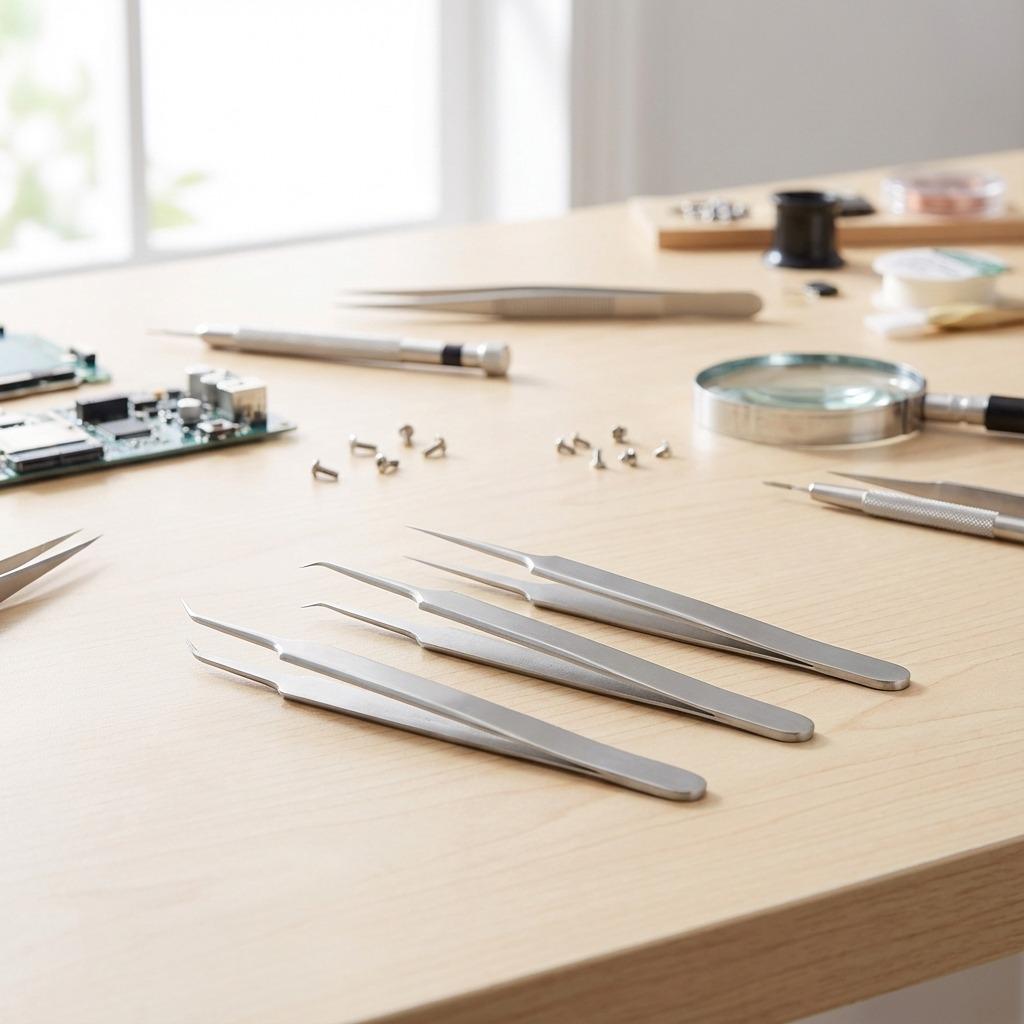
Tweezers Supplier for High-Precision Beauty Tools
Choosing a tweezers supplier is not only about finding a tool that looks clean in a retail display. For beauty brands, salons, lash technicians, brow artists, and distributors, tweezers need to perform consistently in real use: gripping fine hair, isolating lashes, reaching small areas, and staying comfortable during repeated handling. Small differences in tip alignment, tension, grip feel, and finishing can affect the user’s confidence and the final result.
Olimor Beauty supplies beauty tools for buyers who need practical, precision-focused tweezers for professional and retail use. The product range described on this page includes stainless steel tweezers with curved, pointed, and slant varieties for tasks such as eyebrow styling and eyelash extensions. If you are comparing suppliers or planning a private label tweezer line, the following guide explains what to evaluate before placing an order or developing a custom design.
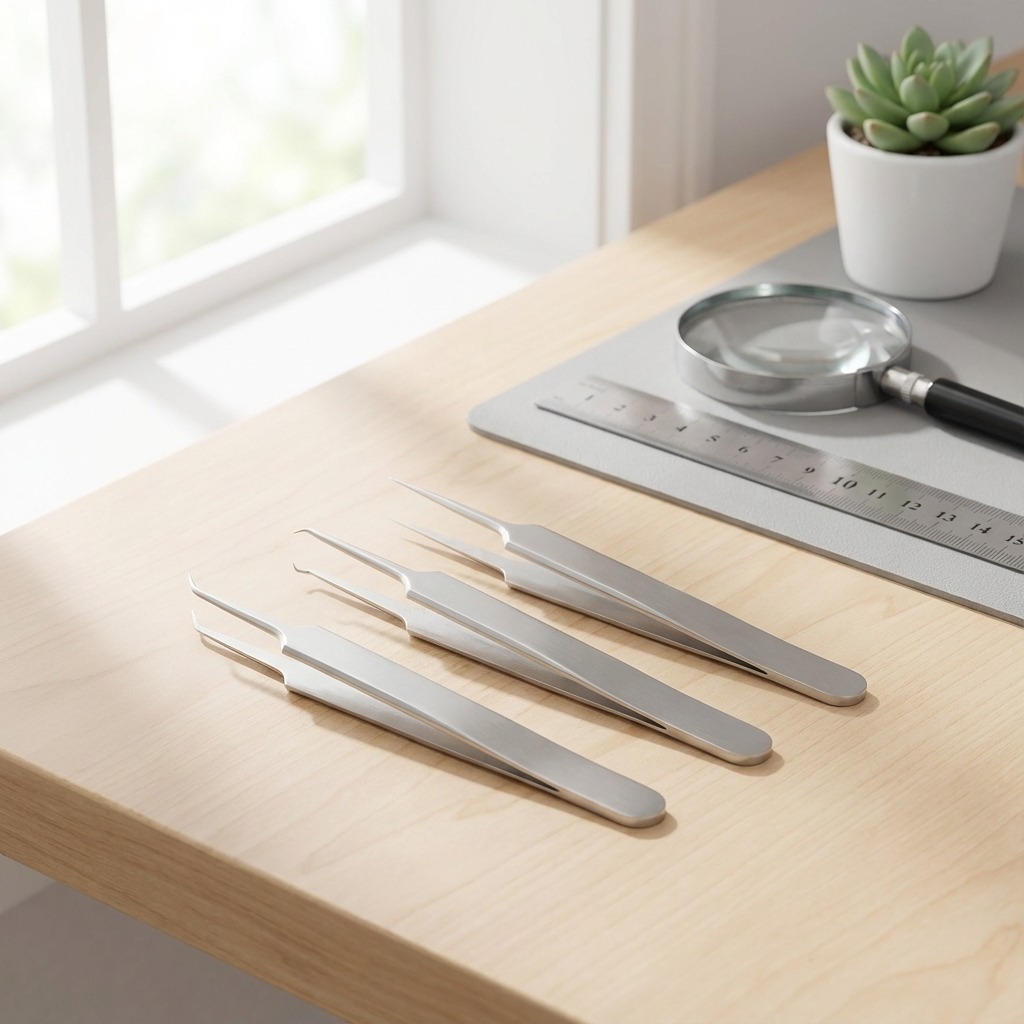
What a Precision Tweezers Supplier Should Help You Control
A high-precision tweezer is a simple tool with demanding details. The two arms must close evenly, the tips must meet cleanly, and the user should be able to apply pressure without hand fatigue. A supplier should help you think through these points before production, especially if the tweezers will be sold under your own brand or used by beauty professionals.
When reviewing a tweezers supplier, focus on the areas that directly affect performance:
- Tip alignment: The tips should meet accurately so the user can grip fine eyebrow hairs or isolate lashes without repeated attempts.
- Tip shape: Slant, pointed, and curved tweezers serve different applications. A supplier should be able to explain the best fit for your target customer.
- Material choice: The supplied article identifies stainless steel as the material, with rust-resistant qualities. For buyers, the material decision should support hygiene expectations, durability, and regular cleaning.
- Surface finish: Smooth finishing helps prevent rough edges, improves appearance, and supports comfortable use.
- Tension and rebound: Tweezers should not feel too stiff or too loose. Consistent tension helps professionals work more accurately for longer periods.
- Ergonomic handling: Grip area, arm width, and balance affect comfort, especially for salons and lash technicians who use tweezers throughout the day.
For buyers comparing beauty tool products, these criteria are more useful than judging by appearance alone. A polished tool can still underperform if the tips do not close properly or if the tension is inconsistent from piece to piece.
Matching Tweezer Tip Shapes to Beauty Use Cases
The original product information references curved, pointed, and slant varieties. Each tip shape has a different role, so a well-planned assortment can serve more users than a single all-purpose design. If you are building a professional kit, retail set, or salon supply program, consider how each type will be used.
| Tip type | Common beauty use | Selection focus |
|---|---|---|
| Slant tweezers | Eyebrow shaping and general hair removal | Clean tip meeting, balanced angle, comfortable daily grip |
| Pointed tweezers | Detailed work and fine hair handling | Accurate tips, careful finishing, controlled tension |
| Curved tweezers | Eyelash extension work and delicate positioning | Stable curve shape, smooth edges, easy visual access |
For eyebrow-focused retail customers, slant tweezers are often the most familiar because the angled edge helps approach hairs from a practical direction. For detailed work, pointed tweezers can support more controlled gripping, but they require careful finishing because the tips are finer. Curved tweezers are especially useful where visibility and angle matter, including lash application or separation tasks.
If your customers include both professionals and home users, consider whether a set is more valuable than a single tweezer. A set can explain each tool’s purpose through packaging or insert instructions, reducing customer confusion and increasing perceived usefulness.
How Tweezers OEM Projects Should Be Planned
Tweezers OEM production is valuable for brands that want a product line with their own appearance, packaging direction, or assortment strategy. However, customization should begin with function. A distinctive color or package can help a product stand out, but if the tips fail to grip well, customers will not repurchase.
A practical OEM development process usually starts with a clear buyer brief. Instead of only saying “we need premium tweezers,” define the intended user and channel. Are the tweezers for professional brow artists, lash technicians, gift sets, drugstore retail, or online beauty kits? The answer affects tip selection, handle comfort, finish, and packaging needs.
Before confirming an OEM order, prepare a checklist that covers:
- Target user: Professional salon, lash studio, brow bar, retail consumer, or travel kit.
- Primary task: Eyebrow shaping, eyelash extensions, fine hair removal, or multi-use grooming.
- Tip shape and tolerance expectations: Decide whether slant, pointed, curved, or mixed sets are needed.
- Grip and ergonomics: Consider handle width, texture, and comfort during extended use.
- Finish and appearance: Choose a look that fits the brand while keeping edges smooth and practical.
- Packaging direction: Retail card, pouch, set box, or other format should protect tips and explain use.
- Inspection points: Include checks for tip alignment, surface finish, closing feel, and overall consistency.
Olimor Beauty’s information emphasizes quality checks and internal controls from raw materials to packaging. For buyers, the important point is to turn quality expectations into visible inspection criteria. The more clearly you define acceptable tip alignment, finish condition, and closing feel, the easier it is to maintain consistency across batches.
Design Your Own Tweezers Without Sacrificing Function
The option to design your own tweezers is useful when you want a product that fits a specific brand position or customer niche. Customization can include shape direction, tip type selection, handle feel, and packaging presentation. The best custom tweezers are not overdesigned; they are tailored for a real use case.
For example, a brow-focused brand may prioritize a slant tweezer with a comfortable grip and clear usage instructions. A lash-focused kit may need curved tweezers that allow good visibility and controlled handling. A professional assortment may combine curved, pointed, and slant varieties so technicians can select the right tool for each step.
When making design decisions, keep the following principles in mind:
- Do not let decoration interfere with grip. A visually attractive handle should still be easy to hold, even during longer work sessions.
- Protect fine tips during storage. Packaging should reduce the risk of tip damage before the customer receives the product.
- Keep the customer’s skill level in mind. Home users may need clearer guidance on which tweezer to use, while professionals may care more about tension, angle, and precision.
- Test the assortment logic. If a set includes three tweezers, each one should have a clear reason to be included.
For custom beauty tools, communication is easier when you provide reference goals rather than vague adjectives. Words such as “sharp,” “premium,” or “professional” can mean different things to different teams. A better approach is to specify the task, the desired closing feel, the preferred tip type, and the packaging environment.
Quality Checks That Matter for Beauty Tweezers
Because tweezers are small tools, quality problems may not be obvious at first glance. A buyer should evaluate samples by using them in realistic scenarios, not only by inspecting them on a desk. For eyebrow tweezers, test whether they can grip fine hairs cleanly. For lash work, evaluate whether the curve and tip contact support precise placement or separation.
Useful quality checkpoints include:
- Tip meeting test: Close the tweezer slowly and check whether the tips meet evenly without visible gaps.
- Grip test: Try gripping fine fibers or hair-like material to judge whether the tweezer slips.
- Tension test: Open and close repeatedly to see whether the pressure feels comfortable and consistent.
- Edge inspection: Check the arms, tips, and handle for rough areas that could affect comfort or safety.
- Finish review: Look for uneven surface appearance, scratches, or finishing defects that could reduce retail appeal.
- Packaging fit: Confirm that the package holds the tool securely and protects the tips.
These checks are especially important for private label and OEM programs, where your brand reputation depends on the end user’s experience. Consistency matters more than a single excellent sample. If a buyer is reviewing multiple shipments over time, a simple inspection record can help track whether the product remains stable.
Maintenance Guidance Your Customers Will Appreciate
Good maintenance information can reduce complaints and help customers get better results from stainless steel tweezers. Even when a tool is rust-resistant, it should be cleaned and stored properly. Beauty users often leave tweezers in makeup bags, humid bathrooms, or crowded tool cases, where tips can become damaged or contaminated.
Brands and salons can include simple care guidance with the product:
- Wipe tweezers after use and keep the tip area clean.
- Dry the tool before storage, especially after cleaning.
- Store tweezers with tip protection when possible.
- Avoid dropping pointed or precision tips, as impact may affect alignment.
- Use the correct tip type for the task instead of forcing one tweezer to do every job.
This kind of guidance is practical for both professional and retail customers. It also supports fewer returns caused by misuse, damaged tips, or unclear expectations.
Working With Olimor Beauty on Tweezers Supply
Olimor Beauty is positioned as a tweezers supplier for buyers who need stainless steel beauty tools, OEM support, and design options for custom tweezer projects. The available information highlights rust-resistant stainless steel, ergonomic design, quality checks, and curved, pointed, and slant varieties for eyebrow styling and eyelash extension applications.
If you are sourcing tweezers for a brand, salon, distributor, or retail program, start with the performance requirements: which users you serve, which tip shapes they need, and how the product will be packaged and explained. Then compare samples based on tip alignment, grip, tension, finishing, and consistency. For broader sourcing, you can also browse Olimor product collections to plan complementary beauty tools around your tweezer line.
To discuss OEM tweezers, custom assortments, or product development details, contact Olimor or send an inquiry with your target use, preferred tip shapes, packaging idea, and quality priorities. A clear brief will help turn a small precision tool into a reliable product your customers can use with confidence.
Tag: