


Choosing an Eyelash Extension Tweezers Supplier for OEM and Custom Tool Projects
For lash artists, salon buyers, beauty distributors and private-label brands, tweezers are not a minor accessory. They are the tool that controls isolation, pickup, fan placement and daily working comfort. A reliable tweezers supplier should understand more than appearance; the supplier should help you evaluate tip accuracy, stainless steel construction, grip ergonomics, inspection standards and the practical needs of lash extension work.
Olimor Beauty supplies stainless steel eyelash extension tweezers for professional beauty use, with options that support tweezers OEM projects and custom design discussions. If you are sourcing tools for a salon team, building a branded product line or comparing sample quality from multiple factories, this guide explains what to examine before you commit to production.
Start with the Real Use Case: Isolation, Pickup or Volume Work
The best tweezer choice depends on how the tool will be used. A lash artist who performs classic extensions may prioritize clean isolation and light hand control. A volume lash artist may focus on pickup area, tension balance and fan stability. A salon owner may need a dependable set of tools that different technicians can use consistently during a full schedule.
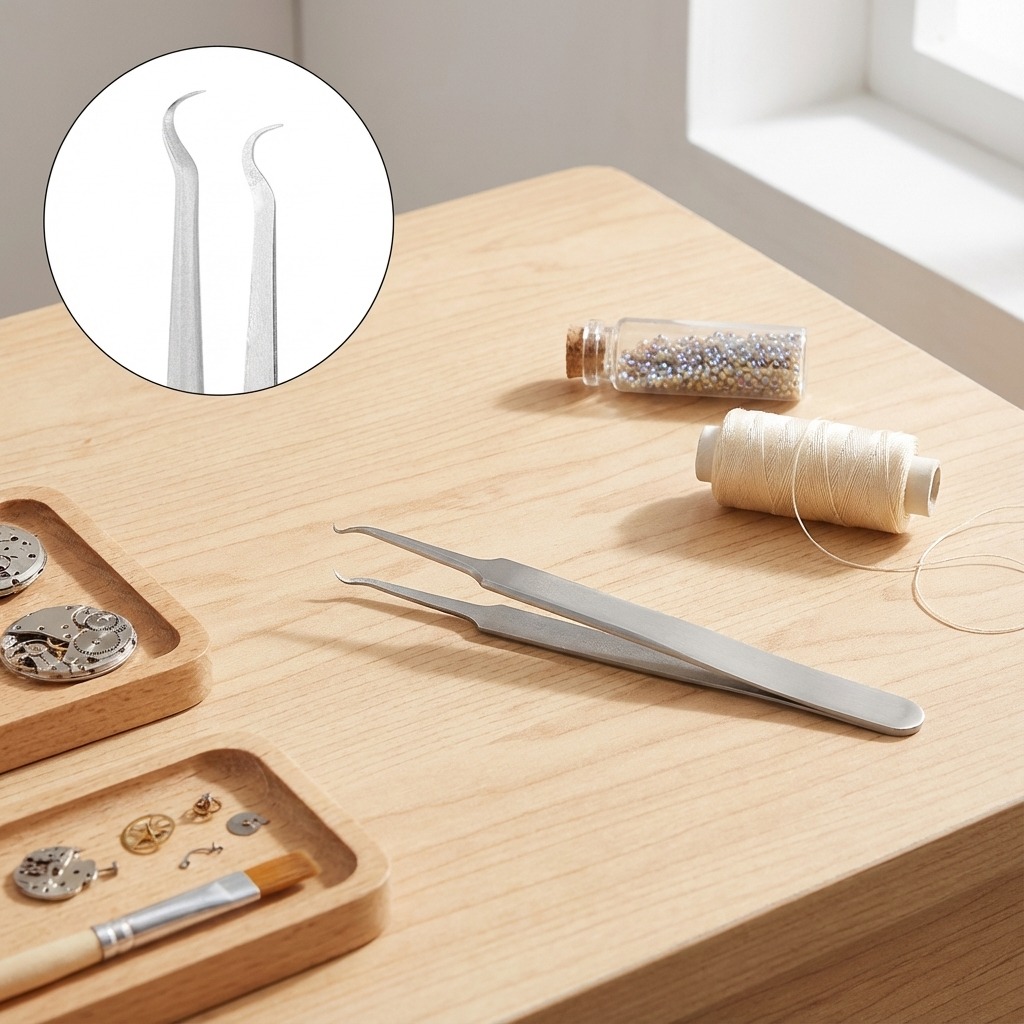
Before comparing samples, define the purpose of each tweezer in the range. This helps you avoid choosing a shape only because it looks popular. For example, a J-shaped tip can be useful when the design goal is superior lash isolation or controlled access around the lash line. Other curved or angled styles may suit pickup and placement better, depending on the artist's technique. A professional tweezers supplier should be able to discuss the intended function of the tip shape instead of treating all tweezers as interchangeable.
- Isolation tweezers: should open and close smoothly, with tips that meet predictably.
- Pickup tweezers: should grip fibers securely without requiring excessive pressure.
- Volume tweezers: should support repeatable fan creation and controlled release.
- Training or salon sets: should be comfortable, durable and easy to standardize across staff.
Why Stainless Steel Construction Matters
Olimor Beauty focuses on stainless steel eyelash extension tweezers, a practical material choice for beauty tools that face frequent handling and regular cleaning. Stainless steel construction is valued because it supports durability, resists rust and can maintain a professional appearance over time when properly cared for.
When reviewing stainless steel tweezers, look beyond a simple material claim. The surface should feel smooth, edges should not be rough against the hand, and the tweezer arms should return evenly after pressure is released. A good tool should not feel overly stiff, but it also should not feel weak or unstable. The goal is controlled tension: enough grip for precision, without causing hand fatigue through repeated applications.
For OEM buyers, stainless steel also affects perceived product value. A tweezer that looks polished but has inconsistent tension or imperfect tip contact can create complaints after launch. Requesting samples and testing them in real lash-work scenarios is more useful than judging only by photographs.
Tip Alignment Is the Core Quality Check
Tip quality is one of the most important differences between a basic beauty tweezer and a professional eyelash extension tweezer. Even a small mismatch at the tips can reduce accuracy. For lash isolation, misalignment can separate the wrong lashes or make access difficult. For pickup, poor tip contact can cause fibers to slip or deform.
When evaluating a supplier, inspect several pieces from the same batch rather than a single sample. Consistency is important if you are buying for a team or preparing an OEM order. A supplier's inspection process should check how the tweezer closes, whether the tip surfaces meet cleanly, and whether the tool performs as expected for salon-quality use.
- Check the tweezer under good lighting and inspect the tip contact point.
- Open and close the tool several times to feel for smooth movement.
- Test the grip with the type of lash fibers or materials your customers use.
- Hold the tool for several minutes to judge hand comfort and tension.
- Compare multiple samples to see whether the quality is repeatable.
OEM Tweezers: What to Prepare Before Production
Tweezers OEM services are useful for brands that want a product line tailored to their market. Olimor Beauty supports OEM manufacturing discussions from concept to production, including custom design considerations and final packaging. To make the process efficient, buyers should prepare clear requirements before requesting samples or quotations.
Start with the function of the tool range. Decide whether you need isolation tweezers, pickup tweezers, volume tweezers or a mixed set. Then define the preferred tip shape, finish, grip style and packaging direction. If you want to design your own tweezers, be specific about the working problem you want to solve: lighter tension, more comfortable grip, better access to the inner corner, easier isolation or improved control during long appointments.
Branding should not come before performance. A tweezer may look attractive in packaging, but lash professionals will judge it by how it performs after repeated use. For that reason, successful OEM projects usually include sample testing, feedback from actual users and revisions before larger production decisions.
Custom Design Choices That Affect Lash Artists
Custom tweezers can include design choices such as tip geometry, grip texture, handle length, finish and packaging presentation. These details influence both the user experience and the way the product is positioned in the market. A matte or polished surface, for example, may affect visual style and hand feel. A grip pattern may help control, but it should not create discomfort during long use.
For buyers comparing custom options, the following table can help organize decisions without relying on vague preferences:
| Design area | What to evaluate | Why it matters |
|---|---|---|
| Tip shape | Isolation, pickup or volume suitability | Controls precision and working speed |
| Tension | Pressure needed to close the tweezer | Affects comfort during repeated applications |
| Grip area | Smooth, textured or shaped contact points | Influences hand stability and fatigue |
| Finish | Surface smoothness and appearance | Supports professional presentation and handling |
| Packaging | Protection, branding space and retail clarity | Helps reduce damage and improve product communication |
Supplier Questions That Lead to Better Buying Decisions
A strong supplier relationship is built on clear technical conversation. Instead of asking only for the lowest price, prepare questions that reveal whether the supplier understands lash extension tools and OEM expectations. Olimor Beauty positions its tweezers around professional use, stainless steel construction, custom design and quality inspection, so buyers can focus discussions on performance requirements.
- Which tweezer shapes are recommended for isolation, pickup and volume work?
- How is tip alignment checked before shipment?
- Can samples be evaluated before confirming a larger OEM project?
- What customization options are available for grip, finish or packaging?
- How should the tools be protected during storage and shipping?
- What artwork or product information is needed for a branded order?
These questions create a practical sourcing conversation. They also help your team compare suppliers fairly, because each supplier can be judged by sample consistency, communication clarity and understanding of professional lash requirements.
Care and Handling for Longer Tweezer Performance
Even well-made stainless steel tweezers need proper care. Daily handling, cleaning routines and storage habits can affect tip condition. Lash professionals should avoid dropping tweezers, because a single impact can damage the alignment. Tools should be stored with tip protection when not in use, especially in busy salon environments where multiple instruments may be moved between stations.
Cleaning methods should match the salon's hygiene procedures and the tool's material and finish. After cleaning, make sure the tweezers are dry before storage. Do not use the tip to scrape hard surfaces or remove adhesive residue aggressively, because this can alter the fine contact area. For salons, it is useful to train staff to check tips regularly and remove damaged tools from service before they affect client work.
Working with Olimor Beauty on Tweezers Sourcing
Olimor Beauty offers stainless steel eyelash extension tweezers for professional beauty applications, with OEM and custom design support for buyers who want to develop their own product direction. Whether you are comparing sample tools, preparing a private-label range or looking for a dependable beauty tool supplier, the right starting point is a clear understanding of function, quality expectations and user comfort.
You can explore related beauty tool products to compare sourcing options across categories, or review broader product collections when planning a coordinated lash and beauty tool assortment. If you already have a custom tweezer concept, packaging plan or OEM brief, send an inquiry with your requirements so the discussion can focus on practical next steps. For general sourcing questions, you can also contact Olimor.
A well-chosen tweezer supports precision, comfort and repeatable results. For buyers, the real value of a tweezers supplier is not only the ability to manufacture a tool, but the ability to help you choose and refine tools that match the work of lash professionals.
Tag: