

Tweezers OEM Manufacturing for Precise Stainless Steel Beauty Tools
Tweezers are small tools, but they reveal a great deal about a beauty brand’s standards. A pair that closes evenly, grips fine hairs cleanly, feels balanced in the hand, and resists corrosion can support repeat purchases. A pair with misaligned tips, sharp edges, inconsistent tension, or weak finishing can quickly damage customer trust. For brands, distributors, salons, and grooming product buyers, tweezers OEM manufacturing is not simply about placing a logo on a standard item. It is about controlling the details that affect comfort, precision, durability, packaging presentation, and batch consistency.
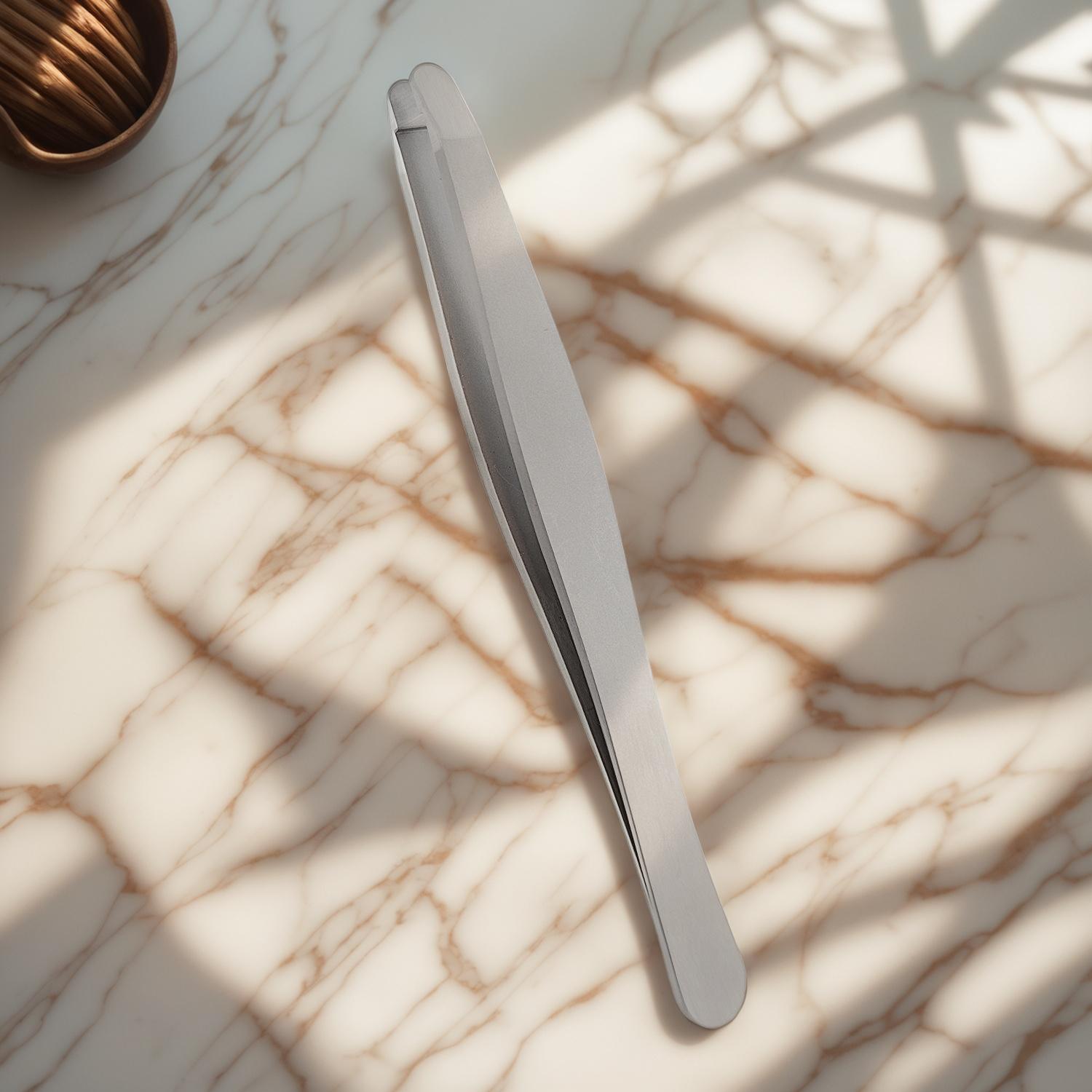
Olimor Beauty works with beauty tool buyers who need practical OEM solutions for tweezers, including stainless steel designs such as the SleekGrip Precision Tweezers described for slanted-tip plucking, lightweight handling, and a brushed stainless steel finish. This guide explains how to evaluate an OEM tweezers project from product concept to bulk order inspection, with a focus on the decisions that matter most for commercial sourcing.
What Tweezers OEM Means for Beauty Tool Buyers
OEM, or original equipment manufacturing, allows a brand to source tweezers produced to agreed requirements and prepared for its own sales channel. Depending on the project, this may include selecting an existing tweezer shape, adjusting surface finish, choosing packaging, preparing brand artwork, or setting inspection criteria before shipment. For beauty buyers, the purpose is to create a reliable product without building an in-house metal tool production line.
A good tweezers OEM project starts with the use case. Eyebrow grooming, facial hair removal, lash application support, professional salon kits, travel sets, and retail beauty accessories can require different priorities. A slanted tip is commonly chosen for everyday brow shaping because it gives visibility and control while plucking. A pointed tip may support fine or ingrown hair work, but it requires careful handling and may not be right for every retail audience. Flat tips can help with broader grip tasks but are less specialized for precision brow shaping.
Before comparing suppliers, define the intended user and price position. A salon buyer may care most about repeat cleaning, hand comfort, and consistent gripping after frequent use. A retail buyer may place more weight on appearance, package clarity, and customer-friendly instructions. An e-commerce brand may need strong product photography, clear claims, and packaging that protects the tips during shipping. These choices influence the OEM specification more than broad claims about premium quality.
Key Quality Factors in Stainless Steel Tweezers
Stainless steel is a common choice for beauty tweezers because it offers durability, a clean look, and resistance to rust when properly handled. The original product information for Olimor Beauty’s SleekGrip Precision Tweezers highlights premium stainless steel, a brushed finish, rust resistance, lightweight handling, and slanted tips. For buyers, these details should be translated into measurable review points during sampling and production approval.
The first factor is tip alignment. When the tweezer arms close, the gripping edges should meet evenly. If only one corner touches, the tool may cut hair instead of gripping it, or it may fail to catch fine hairs. The second factor is tension. Tweezers should not feel so loose that they lack control, but excessive resistance can cause hand fatigue during repeated use. The third factor is edge finishing. Beauty tweezers should feel smooth where the fingers rest, without burrs or rough corners that make the tool uncomfortable.
- Tip contact: Check whether the slanted tips close evenly across the gripping surface.
- Grip performance: Test on fine, short, and slightly thicker hair-like fibers to compare control.
- Hand feel: Assess whether the arms are comfortable for repeated squeezing.
- Surface finish: Review the brushed stainless steel appearance for consistency, marks, or uneven polishing.
- Rust resistance care: Confirm cleaning and drying instructions are suitable for the end user.
- Packaging protection: Ensure tips are protected so alignment is not damaged in transit.
Quality is also influenced by consistency from one piece to the next. A sample may perform well, but bulk order tweezers need stable production controls. Buyers should compare approved samples with random pieces from the finished batch and define what counts as an unacceptable defect before production begins.
How to Plan a Bulk Order Tweezers Project
Bulk ordering can reduce unit handling complexity, but it also increases the importance of clear specifications. If the design, finish, packaging, or inspection method is vague, a small misunderstanding can affect a large quantity of goods. The best way to approach a bulk order is to turn the product idea into a structured checklist before confirming production.
- Confirm the target product type. Decide whether the project requires slanted, pointed, flat, or other tip styles. For general brow grooming, slanted tips such as those used on SleekGrip Precision Tweezers are a practical option.
- Define the finish and appearance. A brushed stainless steel finish can provide a clean look and a more secure hand feel than highly slick surfaces, but the expected visual standard should be reviewed on samples.
- Review ergonomics. Lightweight tweezers can reduce hand fatigue, especially for professional users or anyone performing repeated grooming tasks.
- Set packaging requirements. Consider whether the tweezers need a sleeve, backing card, box, pouch, or protective cap. Packaging should support retail display and protect tip alignment.
- Approve artwork carefully. Logo placement, print color, barcode position, warning text, and care instructions should be checked before mass production.
- Define inspection criteria. Include tip closure, surface finish, cleanliness, packaging accuracy, and quantity verification.
For buyers comparing beauty tool products, it is useful to evaluate tweezers alongside related grooming accessories. A tweezer may be sold alone, included in a brow kit, paired with scissors or lash tools, or positioned as part of a wider personal care range. Planning this early helps align packaging style and product messaging across the collection.
Choosing Between Existing Designs and Custom Adjustments
Many OEM tweezer projects begin with an existing design because it is faster to evaluate and easier to compare. This can be a sensible route when the buyer’s main needs are branding, packaging, and reliable production. Existing designs also let the buyer physically test hand feel and tip performance before committing to a commercial order.
Custom adjustments may be appropriate when a brand has a specific user experience in mind. For example, the buyer may want a different grip texture, a particular surface finish, revised packaging, or an assortment that combines several tweezer styles. However, every adjustment should have a commercial reason. Customization that does not improve usability, shelf appeal, or brand consistency may add complexity without improving the product.
When evaluating customization, consider whether the change affects manufacturing repeatability. A cosmetic change such as packaging artwork is different from changing the tip geometry, arm width, or finishing process. Functional changes need more careful sampling because they can affect alignment, tension, and gripping performance. A practical approach is to approve the base tweezer first, then review branding and packaging as separate decisions.
Quality Control Questions to Set Before Production
Reliable tweezers OEM production depends on shared expectations. Instead of relying on broad terms like “high quality,” buyers should list the checks that matter to their sales channel. Olimor Beauty emphasizes rigorous production processes and thorough inspections, and buyers can support that process by providing clear acceptance standards.
| Inspection Area | What to Review | Why It Matters |
|---|---|---|
| Tip alignment | Even closure and clean contact at the slanted edge | Determines whether the tweezer grips fine hairs effectively |
| Tension | Resistance when squeezing the arms | Affects control and hand comfort during use |
| Surface finish | Consistency of brushed stainless steel and absence of rough edges | Influences appearance, grip, and perceived value |
| Cleanliness | Dust, oil, residue, or marks on the tool and packaging | Important for beauty retail presentation |
| Packaging | Correct artwork, protective fit, barcode, and instructions | Reduces retail, e-commerce, and receiving issues |
Buyers should also decide how samples will be stored for comparison. A signed or clearly approved reference sample helps both sides confirm the expected finish, logo placement, packaging arrangement, and hand feel. For repeat orders, this sample can be used to maintain consistency.
Packaging and Care Information for Better Customer Experience
Packaging for tweezers needs to do more than look attractive. It should protect the tips, explain the use case, and give basic care guidance. Because tweezer performance depends on alignment, packaging that allows the tool to move freely during shipping can create avoidable complaints. A protective tip cover, fitted insert, or secure card design can help keep the product stable.
Care instructions should be simple and realistic. Customers should understand that stainless steel tools should be kept clean and dry after use. If the tweezers are used in a professional setting, cleaning procedures should follow the buyer’s local hygiene practices and business requirements. Avoid overloading small packaging with unsupported claims; instead, focus on clear use and care language that reduces misuse.
For brand assortments, packaging consistency matters. If tweezers are sold with brow scissors, lash tools, nail tools, or other grooming accessories, the product line should share a visual system. Buyers can review product collections to think about how individual beauty tools may fit into a broader merchandising plan.
Working With Olimor Beauty on Tweezers OEM
Olimor Beauty supports buyers looking for stainless steel tweezers OEM solutions, including precision-oriented products such as SleekGrip Precision Tweezers with slanted tips, a brushed finish, ergonomic handling, and lightweight construction. For brands preparing a new launch or replenishing a proven item, the strongest projects begin with a detailed brief and realistic performance priorities.
A useful brief should include target market, preferred tweezer type, expected packaging format, logo or artwork needs, sales channel, and any inspection concerns from past orders. If the product will be sold online, include requirements for package durability and product presentation. If it will be used by professional cosmetologists, emphasize repeated handling, cleaning expectations, and comfort. If it will be sold through retail distribution, prioritize barcode placement, display format, and clear consumer instructions.
Buyers comparing top tweezers manufacturers should look beyond a supplier list and evaluate communication, sampling discipline, product consistency, and the ability to translate brand needs into production details. The right OEM partner helps prevent common problems before they reach customers: weak grip, uneven tips, rough finishing, damaged packaging, and inconsistent batches.
To discuss a tweezers OEM project, compare options, or prepare details for a bulk order, you can contact Olimor or send an inquiry. A clear specification and careful sample review will make the sourcing process smoother and help your brand deliver tweezers that customers can use with confidence.
Tag: