

Tweezers OEM for Precision Wholesale and Custom Branding
Tweezers are small tools, but for beauty brands, distributors and professional buyers, the details matter. Tip alignment, grip comfort, corrosion resistance, packaging quality and brand presentation all influence whether a customer trusts the product after the first use. Tweezers OEM gives buyers a way to source precision tools under their own label while keeping the product consistent with their market position, retail channel and end-user expectations.
For Olimor Beauty customers, the core search intent is usually practical: how to choose OEM custom tweezers that feel precise, look professional and can be supplied for wholesale channels. This guide explains what to evaluate before placing a private label or wholesale order, with special attention to stainless steel precision tweezers, ultra-fine needle-nose tips, ergonomic handling and quality checks from raw materials through packaging.
What Tweezers OEM Means for Beauty Tool Buyers
OEM, or original equipment manufacturing, allows a buyer to work with a manufacturing partner to produce tweezers that can be aligned with the buyer’s own brand, packaging and sales channel. For beauty tools, this may involve private label packaging, customized surface finishing, adjusted visual presentation or a selected tweezer style suitable for salons, retail sets, travel kits or professional use.
The goal is not simply to put a logo on a generic item. A strong OEM project should define the actual use case. A brow grooming tweezer may need a different grip feel than a tweezer intended for delicate repairs, electronics assembly or jewelry work. A beauty retailer may prioritize giftable packaging and shelf appearance, while a distributor may focus on consistency across repeat wholesale orders. Before comparing samples, decide who will use the tool, how often they will use it and what level of precision they expect.
Olimor Beauty focuses on beauty tools, and tweezers can serve both beauty and precision hand-tool applications. Buyers comparing beauty tool products should treat tweezers as performance items, not only accessories. Even a simple pair of tweezers can affect the perceived quality of an entire grooming kit.
Precision Features That Matter in Stainless Steel Tweezers
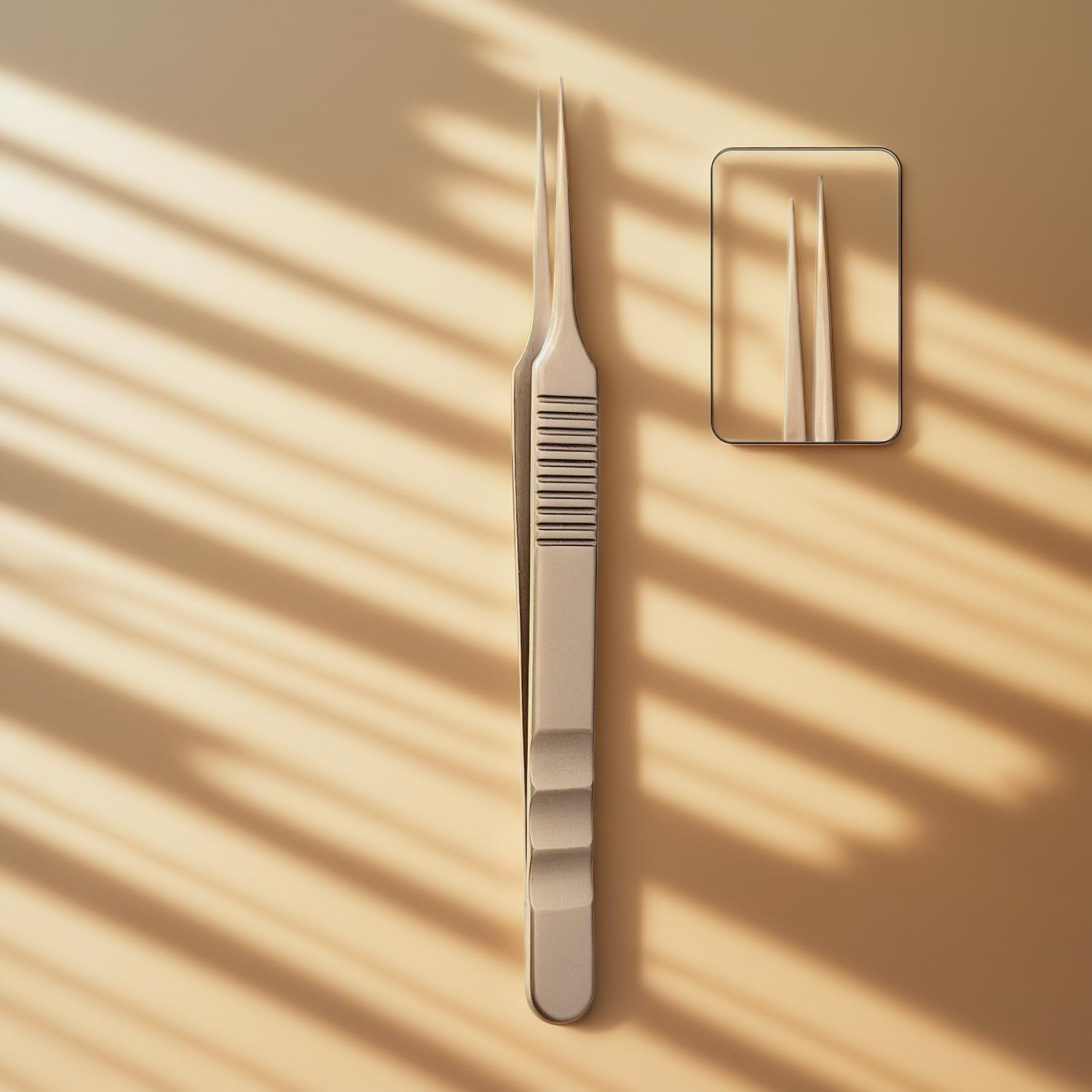
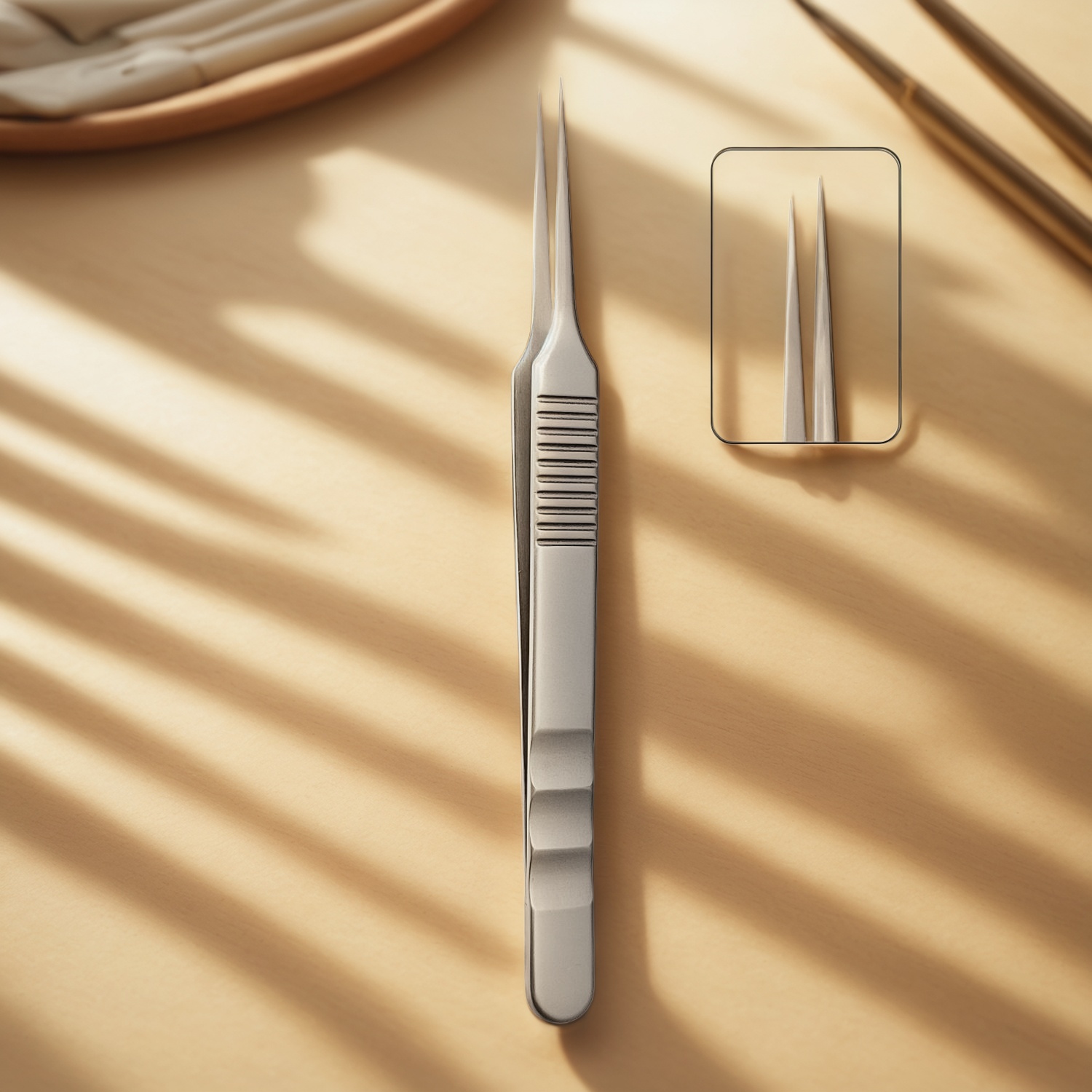
The supplied product information highlights stainless steel precision tweezers with ultra-fine needle-nose tips. That is an important starting point because the tip is where user confidence is won or lost. Fine tips can help users isolate small hairs, grip delicate components, remove splinters or handle tiny craft materials. However, buyers should evaluate the whole tool, not just the shape of the end.
When reviewing OEM custom tweezers, pay close attention to alignment. The two tips should meet evenly without crossing, twisting or leaving an unintended gap. Spring tension should be controlled: too loose and the user feels imprecise; too stiff and hand fatigue increases during repeated use. Surface finish should feel clean and safe in the hand, with no rough edges around the arms or tip area.
Stainless steel is commonly selected for tweezers because it supports durability and corrosion resistance. For wholesale buyers, corrosion resistance matters during storage, shipping and consumer use in bathrooms, salons and humid environments. The exact material grade, finish and treatment should be confirmed during sourcing, but buyers can still screen samples with practical handling tests before moving to larger orders.
Common Use Cases for OEM Custom Tweezers
A useful OEM discussion starts with application. Tweezers that perform well in one context may not be ideal in another. Olimor Beauty’s stainless steel precision tweezers are described for beauty applications, electronics assembly and delicate repairs, which shows how one precision tool category can cross several markets.
- Beauty and brow care: Users need clean gripping, comfortable handling and tips that can pick up fine hairs without excessive pressure.
- Salon and professional grooming: Durability, repeated cleaning and consistent performance are especially important where tools are used throughout the day.
- Electronics assembly: Ultra-fine needle-nose tips help handle small components, but buyers should define whether the tool is for general positioning or more specialized environments.
- Delicate repairs: Fine tips and steady tension make it easier to hold small pieces without crushing or slipping.
- Jewelry making and hobbies: Lightweight construction and grip comfort help reduce fatigue during detailed handwork.
For beauty brands, the key is to match the tweezer type with the intended promise. If the product is sold for eyebrow shaping, the copy, packaging and sample testing should all support that use. If it is sold as a general precision tool, the buyer may need broader instructions, different packaging language and more careful positioning.
How to Evaluate Samples Before Wholesale Ordering
Sample evaluation is where many sourcing decisions become clear. A tweezer can look polished in a product photo but feel weak, misaligned or uncomfortable in hand. Before confirming an OEM production direction, create a simple inspection routine that your team can repeat across samples and future batches.
| Evaluation point | What to check | Why it matters |
|---|---|---|
| Tip alignment | Tips meet evenly with no visible offset | Improves grip accuracy and user trust |
| Closing tension | Arms close smoothly without excessive force | Reduces hand fatigue during repeated use |
| Tip finish | No burrs, rough edges or uneven grinding | Supports safe and precise handling |
| Grip feel | Surface provides control without discomfort | Important for salon and detailed tasks |
| Packaging fit | Tool is protected and presented cleanly | Helps prevent damage and supports retail display |
It is also useful to test tweezers with the same type of material your customers will handle. For brow products, test on fine hairs or similar fibers. For precision repair or hobby positioning, test with tiny beads, thin wire or small components. The result should feel repeatable, not accidental.
Customization Choices Without Losing Function
OEM custom tweezers can be tailored for a buyer’s brand, but customization should not reduce performance. Decorative choices should be balanced with handling, tip accuracy and long-term usability. A beautiful finish is valuable only if the tips stay aligned, the tweezer feels stable and the packaging protects the tool before it reaches the customer.
Typical OEM planning areas include product style, finish appearance, logo placement, retail packaging, instruction language and set configuration. Buyers can review related product collections to understand how tweezers may fit with other grooming tools, such as nail care items, brow tools or compact beauty accessories. When tweezers are part of a set, consistency of color, finish and packaging becomes more important because the customer sees the items together.
Private label buyers should prepare reference images, target retail positioning and expected usage scenarios before discussing production. Clear product direction helps avoid vague requests such as “premium” or “professional,” which can mean different things to different teams. Instead, define measurable expectations: smooth closure, precise tip contact, comfortable tension and packaging that prevents tip damage.
Quality Control From Material to Packaging
The original product information notes quality assurance steps from raw materials to packaging. For wholesale tweezers, this broad approach is essential because small defects can affect the entire customer experience. A slightly bent tip, inconsistent tension or poorly fitted protective cover may lead to returns even when the basic material is acceptable.
Quality control should cover both functional and visual criteria. Functional checks include alignment, gripping performance and closing force. Visual checks include surface uniformity, logo clarity if branding is applied, packaging cleanliness and correct labeling. For international wholesale tweezers, packaging should also protect the fine tips during shipment and storage, especially if the product is moving through several distribution points before retail sale.
Buyers should also think about lot consistency. A single good sample is not enough. The production order should match the approved sample in appearance, feel and function. Written approval standards, sample photos and inspection points help keep teams aligned during repeat orders.
Sourcing Questions for International Wholesale Tweezers
International wholesale buyers need information that supports planning, compliance review and retail readiness. Not every question has to be answered in the first email, but a structured checklist helps both sides move efficiently. Instead of focusing only on unit cost, buyers should compare the total sourcing fit: product consistency, packaging options, communication clarity and the supplier’s ability to follow agreed specifications.
- What tweezer shape and tip type best match the intended use?
- What stainless steel option, finish and surface treatment will be used?
- How will tip alignment and closing tension be checked during production?
- What branding methods and packaging formats are available for the selected tool?
- How are finished tweezers protected so fine tips are not damaged in transit?
- What sample approval process will be used before wholesale production begins?
- What documentation, labeling or market-specific packaging details does the buyer need?
These questions keep the discussion grounded in product quality. They also make it easier for distributors to compare suppliers without relying on vague claims. If you are preparing a private label tweezer project, you can send an inquiry with your target market, application and packaging direction. For broader sourcing support, you may also contact Olimor to discuss suitable beauty tool options.
Building a Better Private Label Tweezer Program
A successful tweezers OEM program is built on precision, consistency and honest positioning. For beauty brands, the product should feel reliable the first time a customer uses it. For distributors, repeatability across wholesale orders is just as important as the first sample. For professional users, comfort and control matter because the tool may be used many times in one working day.
When selecting OEM custom tweezers, start with the use case, then evaluate the tip, tension, material, grip and packaging. Stainless steel construction, ultra-fine needle-nose tips and ergonomic non-slip handling can all support a strong product, but only when they are matched to clear quality standards. By treating tweezers as precision tools rather than simple add-ons, buyers can build private label products that are easier to sell, easier to explain and more likely to earn repeat orders.
Tag: