

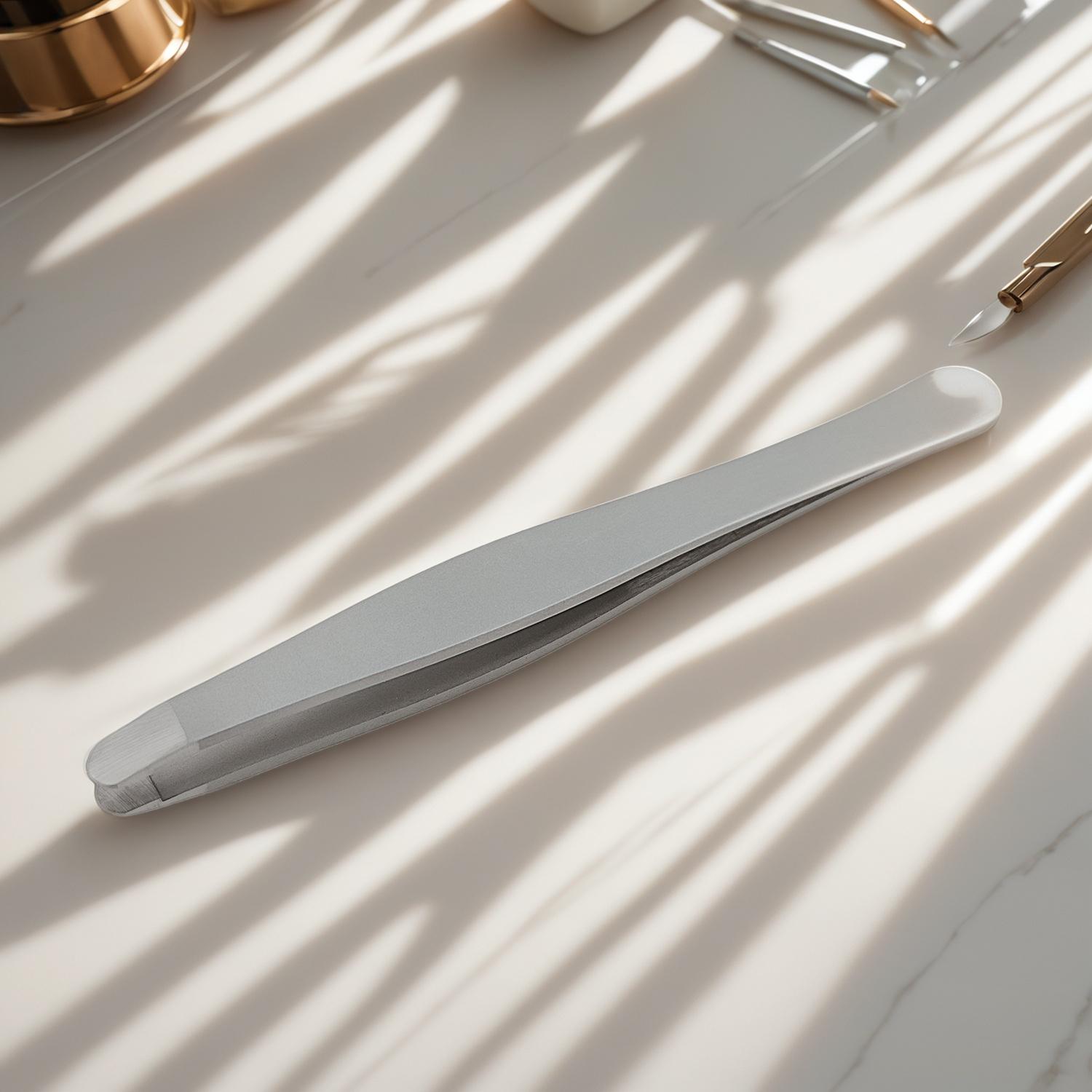
Tweezers OEM Supplier Guide for Wholesale Beauty Buyers
For beauty brands, distributors and private-label buyers, tweezers look simple at first glance. In practice, they are precision tools where small manufacturing decisions affect grip, alignment, comfort and customer satisfaction. A tweezer that cannot isolate fine hairs, feels sharp in the wrong place or loses tension quickly can damage the reputation of an entire grooming set. That is why selecting a tweezers OEM partner is less about choosing the lowest unit cost and more about confirming repeatable quality, appropriate customization and packaging that fits your sales channel.
Olimor Beauty supports buyers looking for stainless steel precision tweezers, ergonomic designs and wholesale-ready beauty tools. This guide explains how to evaluate tweezers for OEM projects, what details to clarify before production and how to prepare a practical sourcing brief for international wholesale tweezers.
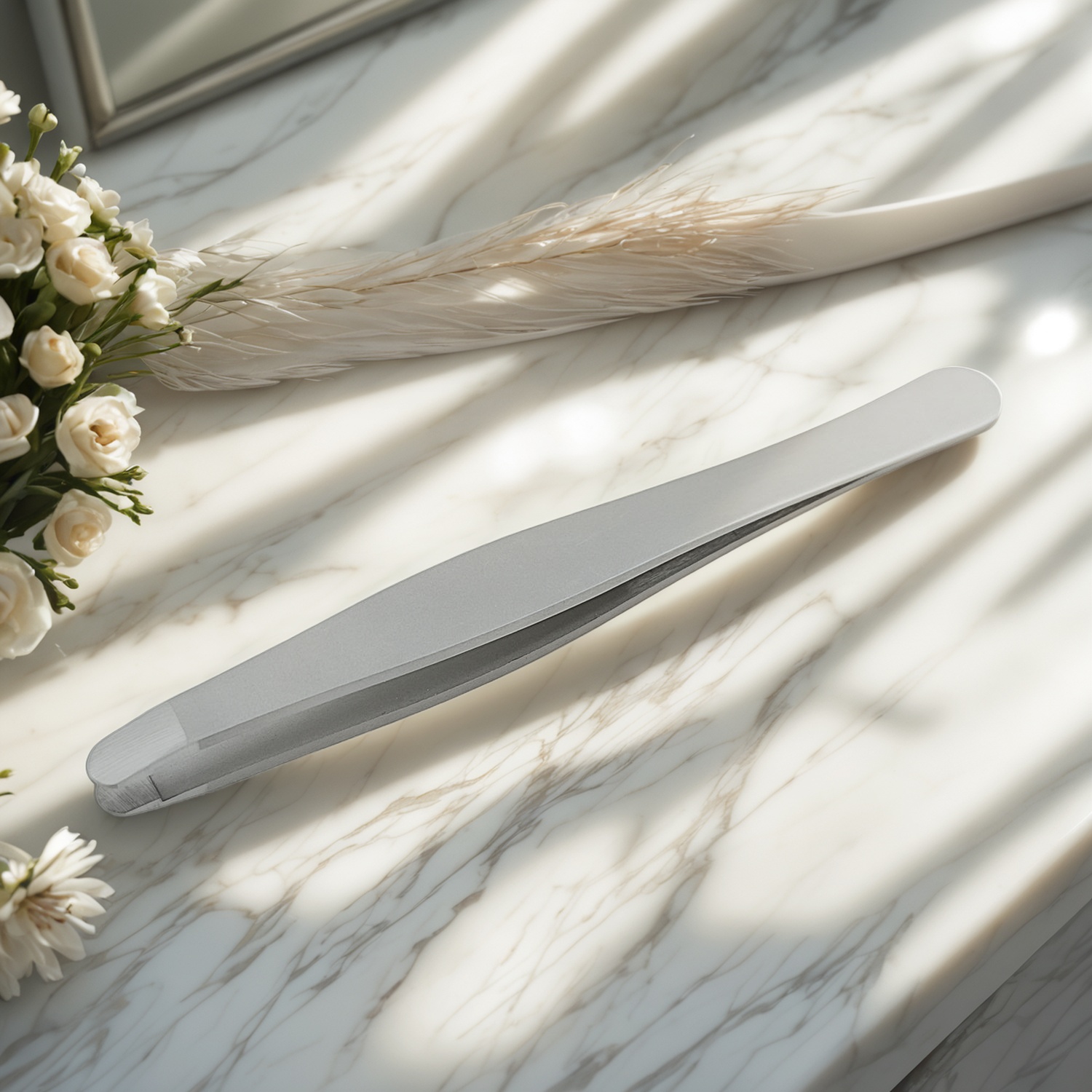
What OEM Tweezers Buyers Should Define First
Before requesting samples or pricing, define the exact role tweezers will play in your product line. A brow-focused brand may prioritize fine hair isolation and a clean cosmetic finish. A beauty kit supplier may need a dependable general-purpose tool that works for travel sets, promotional kits or retail bundles. A distributor serving multiple markets may require neutral packaging, stable repeat orders and consistent appearance across batches.
A useful OEM brief should answer these questions:
- End user: Professional salon users, home grooming customers, makeup artists, travel kit buyers or general beauty retail shoppers.
- Primary use: Eyebrow shaping, facial hair removal, splinter removal, lash application support, nail art handling or precision crafting.
- Sales channel: E-commerce, supermarket, pharmacy, salon distribution, gift sets, subscription boxes or wholesale resale.
- Positioning: Entry-level, mid-market, premium, minimalist, colorful, professional or giftable.
- Customization level: Logo printing, handle finish, color, individual packaging, kit packaging or retail-ready display.
When these points are clear, a tweezers supplier can recommend a more suitable direction instead of treating every buyer as if they need the same tool.
Choosing the Right Tweezer Tip for the Job
The tip is the most important performance feature of a tweezer. Customers often judge quality by whether the tips meet evenly and grip without excessive pressure. Even a beautiful finish cannot compensate for poor tip alignment. For OEM sourcing, buyers should compare tip styles according to use case rather than appearance alone.
| Tip style | Best suited for | Buyer evaluation points |
|---|---|---|
| Slant tip | Eyebrow shaping and everyday grooming | Check edge smoothness, hair grip and comfort during repeated use. |
| Point tip | Fine detail work and precision tasks | Review sharpness, protective packaging and user safety instructions. |
| Flat tip | Handling larger items or general cosmetic tasks | Confirm that the tips close evenly across the full surface. |
| Pointed slant tip | Buyers wanting a balance of detail and brow shaping | Assess both fine hair isolation and stable control. |
If your product is intended for mass retail, a slant tip is often easier for everyday users. If your audience includes professionals or detail-focused customers, samples should be tested with fine hairs and under strong lighting. For safety-sensitive pointed tools, packaging and instructions become especially important because sharp tips can be damaged in transit or mishandled by end users.
Material, Tension and Finish: Quality Details That Matter
The supplied product information highlights stainless steel precision tweezers. Stainless steel is widely used for beauty tools because it offers strength, a clean appearance and practical durability when properly manufactured and cared for. However, buyers should not evaluate material by name only. The feel of the spring tension, the finish on the edges and the accuracy of the tips all influence real-world performance.
During sample review, focus on the following details:
- Tip closure: Hold the tweezer against a light background and check whether both tips meet evenly without visible gaps.
- Grip consistency: Test fine hair or thin material to see whether the tweezer grips cleanly or slips.
- Hand feel: Press repeatedly to judge whether the tension is too stiff, too loose or comfortable for the target user.
- Edge finishing: Run a careful visual inspection for burrs, rough corners or uncomfortable handle edges.
- Surface appearance: Check for scratches, uneven polishing, color inconsistency or printing defects if branding is applied.
- Packaging protection: Confirm that tips are protected from bending or rubbing during shipping.
Ergonomic design is also important. A tweezer should allow steady control without requiring excessive finger pressure. This is especially relevant for brow shaping, where users may hold the tool close to the face and work in small movements. Minimalist aesthetics can support many retail directions, but function should always be verified before finalizing the surface style.
OEM Customization Without Overcomplicating the Product
Customization can make wholesale tweezers more attractive, but too many changes can increase complexity. The strongest OEM programs usually begin with the buyer’s commercial goal: Is the product meant to support a recognizable private label, match a color story, fit into an existing beauty kit or create a premium shelf impression?
Common customization decisions include logo placement, handle color, finish, protective sleeve, backing card, pouch, box and outer carton requirements. For online sales, packaging must protect the tip and photograph well. For retail stores, barcode placement, hang-hole design and product visibility may matter more. For salons and professional channels, a clean individual sleeve or simple branded box may be enough.
Buyers should prepare artwork in editable formats and define the acceptable logo size, color and position. If the tool is part of a larger beauty accessories range, compare it with other beauty tool products to keep finishes, packaging language and brand presentation consistent. A cohesive range can make a simple tweezer feel like part of a planned product system rather than a standalone add-on.
Wholesale Sourcing for International Markets
International wholesale tweezers require more than a good sample. Importers, distributors and brand owners need repeatability across batches, packaging that survives transport and communication that prevents avoidable production errors. Market expectations can also vary. Some buyers want understated professional tools; others need bright colors, display-ready packaging or value-oriented multipacks.
Before placing a wholesale order, create a sourcing file that includes product images, sample approval notes, packaging dielines if available, logo specifications, labeling needs, carton marking preferences and inspection criteria. This helps align your internal team and supplier before production begins. It also reduces the risk of approving a sample visually but forgetting practical details such as tip covers, retail labels or master carton layout.
For buyers building a broader accessories program, it can be helpful to review related product collections and plan how tweezers will sit alongside scissors, lash tools, nail tools or grooming kits. A consistent sourcing strategy makes replenishment easier and helps distributors present a more organized catalog.
Practical Quality Control Points for Tweezers
Quality control should be specific enough to catch defects that customers will notice. A generic inspection of appearance is not sufficient for precision tweezers. The inspection plan should combine visual checks, functional checks and packaging checks.
Key inspection points include:
- Alignment: Tips should meet as approved in the reference sample.
- Function: Tweezers should grip fine material without slipping under normal hand pressure.
- Finish: Surfaces should match the approved sample for polish, coating, color and visible cleanliness.
- Comfort: Edges and handle areas should not feel rough during use.
- Branding: Logo printing or marking should be correctly positioned and legible.
- Packaging: Each unit should include the agreed protection, insert, label or sleeve.
- Cartons: Outer cartons should follow the agreed markings and packing method.
If your brand sells through marketplaces, remember that returns often come from small disappointments: misaligned tips, bent points, poor packaging or a tool that looks different from the product photo. Good inspection criteria help prevent those issues before the goods leave the factory.
Maintenance Guidance to Improve Customer Experience
Clear care instructions can reduce complaints and help customers get better results. Even durable tweezers need reasonable handling. For stainless steel precision tweezers, customers should keep the tips clean and dry, avoid dropping the tool on hard surfaces and use a cap or sleeve when storing pointed or sharp-tipped styles. If the tweezers are used in a salon environment, cleaning practices should follow the hygiene standards relevant to that business and local market.
Brands can include concise care guidance on the package insert or product page. Simple instructions such as “wipe after use,” “store with the tip protected” and “do not use damaged tips near the eye area” are practical and easy to understand. For premium lines, a protective pouch or tip guard can also reinforce the impression of a carefully made tool.
How to Prepare an Effective Inquiry
A clear inquiry saves time and helps Olimor Beauty understand your sourcing goal. Instead of requesting “best price for tweezers,” include the intended tip style, target market, packaging preference, logo needs, order plan and any reference photos that show the look you want. If you are unsure which direction fits your market, share your sales channel and customer profile so suitable options can be discussed.
Buyers can send an inquiry with project details or contact Olimor to discuss OEM tweezers for wholesale beauty programs. Whether you are adding a single precision tweezer to a grooming range or developing a private-label accessories line, the best results come from aligning product function, branding and inspection standards before production begins.
Well-made tweezers are small tools with a large impact on daily grooming satisfaction. By focusing on tip accuracy, comfortable tension, appropriate packaging and practical quality checks, wholesale buyers can source tweezers that support their brand and meet customer expectations in real use.
Tag: