

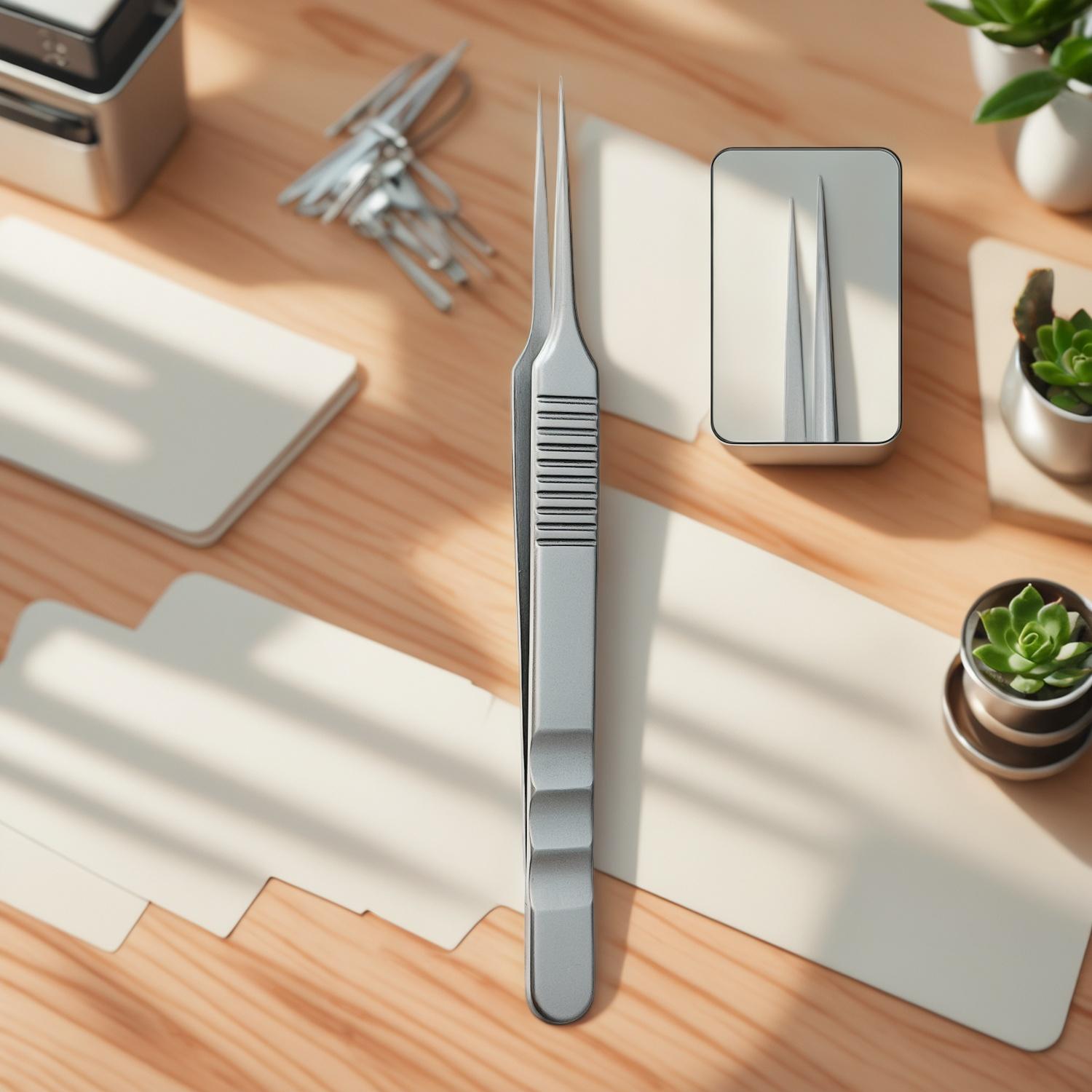
Tweezers OEM Sourcing for Precision Beauty Tool Brands
For beauty brands, distributors, salon suppliers, and private label buyers, tweezers are small tools with a large impact on customer trust. A tweezer that grips accurately, feels stable in the hand, and keeps its tip shape through repeated use can support professional grooming, lash work, nail art, and detailed beauty services. A poorly made tweezer, however, quickly leads to complaints: misaligned tips, uncomfortable grip, weak tension, rough edges, or packaging that does not match the retail position.
Tweezers OEM sourcing is therefore not only about adding a simple accessory to a catalogue. It is about choosing a precision tool that matches the way your end users work. Olimor Beauty supplies stainless steel tweezers with ultra-fine tips for buyers who need dependable beauty tools for wholesale, retail, or custom branding programs. This guide explains what to evaluate before placing an OEM custom tweezers order, how to think about international wholesale requirements, and which quality details deserve attention before a product reaches your customers.
What Makes Tweezers OEM Different from Standard Stock Buying?
Standard stock buying usually focuses on availability: the buyer chooses an existing item, confirms quantity, and arranges shipment. Tweezers OEM adds a product development layer. The buyer may need a specific finish, packaging concept, logo placement, grip texture, or assortment plan for different retail channels. Even when the tweezer shape remains simple, the sourcing decisions can affect perceived value and repeat purchase.
OEM custom tweezers are especially useful when a brand wants consistency across a beauty tool range. For example, a buyer may want tweezers that coordinate with lash tools, nail tools, scissors, or grooming accessories. If you are building a wider beauty tool line, browse Olimor beauty tool products to understand how tweezers can fit into a broader sourcing plan.
The practical goal is to align three things: the tool’s working performance, the customer’s expected use case, and the brand presentation. A tweezer for delicate facial hair removal may require a different buying focus than a tweezer promoted for lash extension placement or intricate nail art. OEM planning helps define those priorities before production decisions are finalized.
Key Performance Details Buyers Should Evaluate
A tweezer looks straightforward, but its performance depends on small mechanical details. The ultra-fine tip must meet cleanly, the body must have controlled tension, and the surface should support handling without feeling rough. For professional users, these details become obvious within minutes of use.
When reviewing samples or setting internal acceptance criteria, use a structured checklist rather than relying only on appearance:
- Tip alignment: The two sides should meet evenly at the working point. Misalignment can cause hair slipping, uneven grip, or difficulty picking up fine materials.
- Tip finish: Ultra-fine tips should feel precise, not sharp in a way that scratches skin or damages delicate beauty materials.
- Grip control: Textured grips can help users maintain stable handling during longer beauty services or detailed applications.
- Tension: The tweezer should close smoothly without requiring excessive pressure. Too much resistance can cause hand fatigue; too little can reduce control.
- Edge comfort: The body and handle edges should not feel harsh during repeated use.
- Surface consistency: Stainless steel tweezers should have a clean, consistent appearance suitable for retail or salon supply presentation.
- Packaging fit: Packaging should protect the tips and present the tool clearly without allowing unnecessary movement inside the pack.
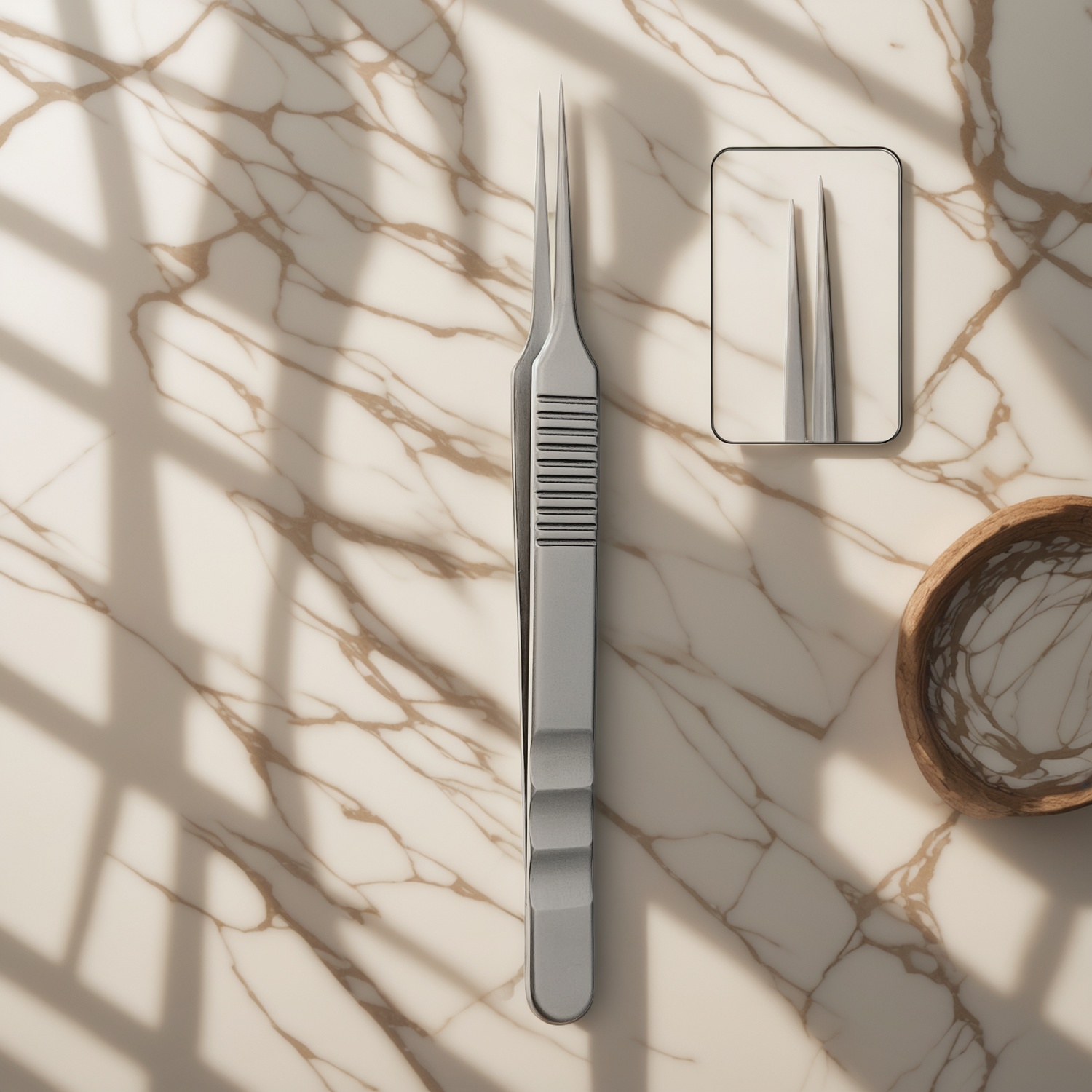
Olimor Beauty’s stainless steel tweezer with ultra-fine tip is designed for precision tasks such as plucking delicate facial hair, applying lash extensions, and supporting intricate nail art. These are demanding use cases because the user often works with small targets, close visual inspection, and repeated hand movements. For that reason, buyers should prioritize controlled tip contact and stable handling over decorative features alone.
Stainless Steel Construction and Tip Precision
Stainless steel is widely used in beauty tools because it supports durability, clean appearance, and resistance to rust and corrosion. In tweezers, the material is only one part of the outcome. The manufacturing accuracy of the tip and the consistency of finishing are equally important. A visually polished tool may still disappoint if the tips do not meet properly.
For beauty brands, this is where sourcing conversations should become specific. Instead of asking only whether the tweezer is stainless steel, buyers should examine how the tool performs in realistic scenarios. Can it grip a fine hair without sliding? Can it pick up a small lash segment without crushing it? Does the tip remain stable when the user changes angle? These practical tests reveal more than a product photo.
Ultra-fine tips are valuable because they give the user visibility and access in tight areas. This can matter for eyebrow grooming, fine facial hair removal, lash extension handling, and detailed nail decoration. However, fine tips also need appropriate protection during packing and shipping. A buyer planning international wholesale tweezers should consider how each unit will be held in place, whether the tips are protected, and how cartons will be arranged to reduce movement.
OEM Custom Tweezers: Branding, Packaging, and Assortment Planning
Customization should serve a commercial purpose. A logo, color direction, or packaging format should help customers understand the product’s value and use. For tweezers OEM projects, useful customization questions include: where will the tool be sold, who will use it, how will it be displayed, and what other beauty tools will sit beside it?
Retail buyers may need packaging that explains the ultra-fine tip and stainless steel construction clearly. Salon distributors may prefer packaging that protects the tool and allows easy identification by professionals. E-commerce sellers may focus on product photos, compact packaging, and tip protection for parcel delivery. Private label buyers may want a consistent visual system across several SKUs. Olimor product collections can help buyers think about how tweezers fit into a complete beauty tool range without treating them as an isolated accessory.
It is also helpful to decide whether your range needs one universal tweezer or multiple tools for different tasks. A single ultra-fine tip tweezer can work well as a precision item, but some brands may later expand into slanted, pointed, or specialty options. Even if you begin with one model, documenting your preferred packaging size, logo area, finish direction, and quality expectations can make future development smoother.
International Wholesale Tweezers: What Global Buyers Should Plan Before Ordering
International wholesale tweezers require more planning than a domestic refill order. Buyers need to think about product handling, labelling expectations, destination market requirements, retail channel needs, and communication across time zones. None of these factors changes the basic purpose of the tool, but they affect whether the order moves efficiently from sample approval to final delivery.
A practical wholesale sourcing plan should cover the following areas:
- Confirm the primary use case. Decide whether the item will be positioned for facial hair removal, lash work, nail art, general grooming, or a mixed beauty kit.
- Review physical samples. Check tip alignment, grip feel, closing tension, surface finish, and packaging protection before approving production direction.
- Define packaging information. Prepare logo files, product names, barcode needs, warnings, language requirements, and any retail display details.
- Set inspection priorities. List the defects that matter most for your market, such as bent tips, weak closure, rough finishing, inconsistent printing, or damaged packaging.
- Plan assortment and replenishment. Decide whether the tweezer will be sold alone, bundled with other tools, or included in a larger beauty tool program.
For buyers comparing suppliers, the best conversations are concrete. Provide target use cases and retail goals, then evaluate whether the proposed tool and packaging support them. If you are ready to discuss an OEM project, you can send an inquiry with your intended market, packaging direction, and expected customization needs.
Quality Control from Raw Materials to Final Packaging
Quality control for tweezers should cover more than a final visual check. The original material condition, forming accuracy, alignment work, finishing consistency, and package protection all influence the customer’s experience. Olimor Beauty applies quality checks from raw materials to final packaging, supporting reliability for both international wholesale tweezers and OEM custom tweezers.
Buyers can strengthen their own sourcing process by defining what “acceptable” means before production begins. For example, a minor cosmetic mark on a non-working area may be treated differently from a bent ultra-fine tip. A slight packaging scuff may not carry the same importance as a tip that fails to grip. Clear standards help reduce uncertainty and make inspection more useful.
Maintenance information can also improve customer satisfaction. Although exact care instructions may vary by market and packaging format, most users benefit from simple guidance: keep the tips protected when not in use, wipe the tool after contact with cosmetic residue, store it dry, and avoid dropping it onto hard surfaces. These practical instructions are especially important for ultra-fine tips because precision can be affected by impact or careless storage.
Choosing Olimor Beauty for a Focused Tweezers OEM Project
The right tweezers OEM partner should understand both beauty tool performance and the needs of wholesale buyers. Olimor Beauty focuses on stainless steel tweezers with ultra-fine tips, ergonomic handling, textured grip design, and internal quality control throughout production and packing. This makes the product suitable for brands and distributors serving users who value precision in grooming, lash application, nail art, and detailed beauty work.
Before moving forward, prepare a concise buyer brief: target customer, sales channel, intended use, packaging style, branding elements, sample review criteria, and any destination market labelling needs. A clear brief helps turn a small tool into a well-defined retail or professional product. To discuss sourcing details, packaging direction, or a private label program, contact Olimor and share the practical requirements behind your tweezers project.
When selected carefully, tweezers can become a reliable repeat item in a beauty tool line. Focus on tip accuracy, stainless steel construction, user comfort, protective packaging, and realistic quality checks, and your OEM custom tweezers will be better positioned for professional and retail customers alike.
Tag: