

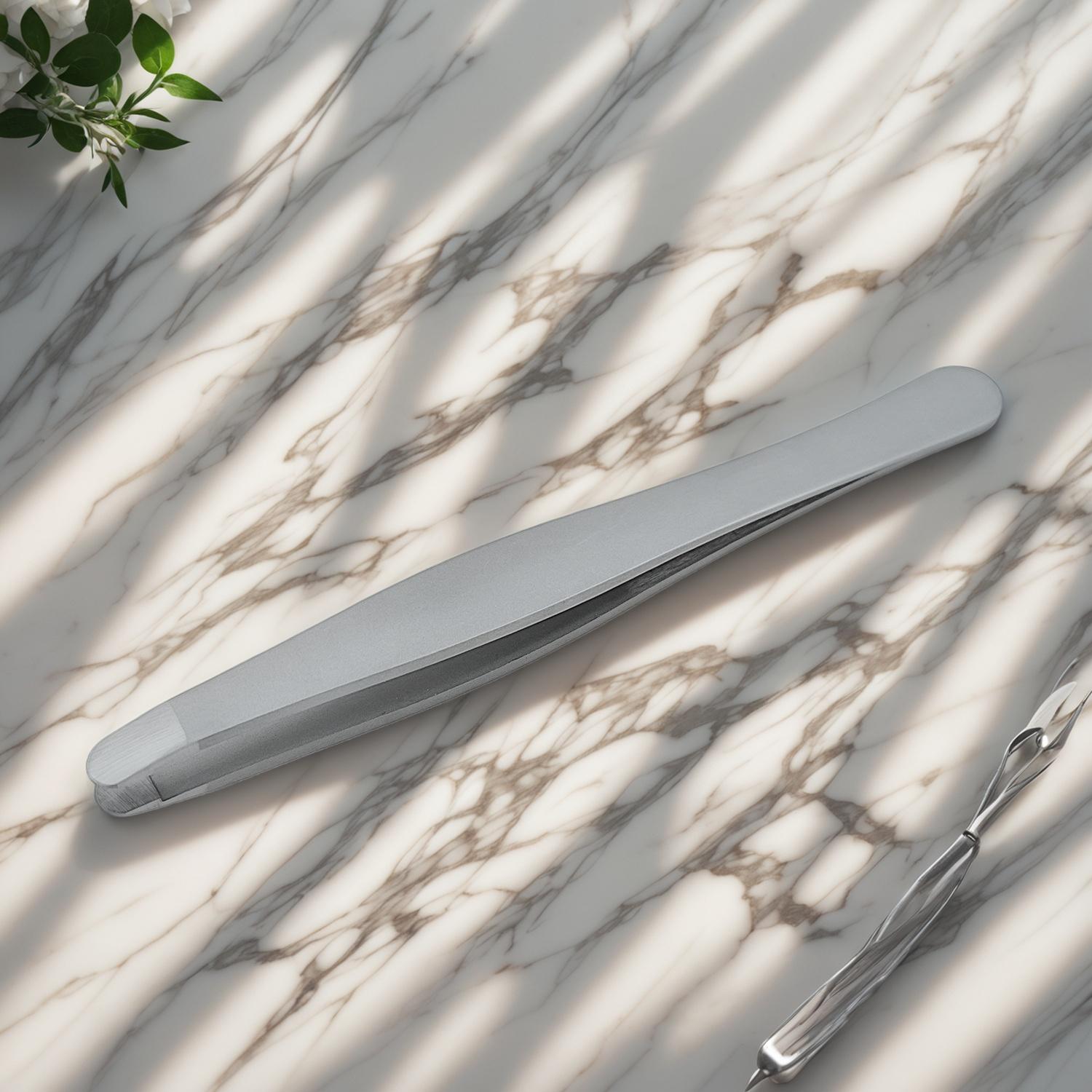
Tweezers OEM: How to Design Custom Beauty Tweezers for Your Brand
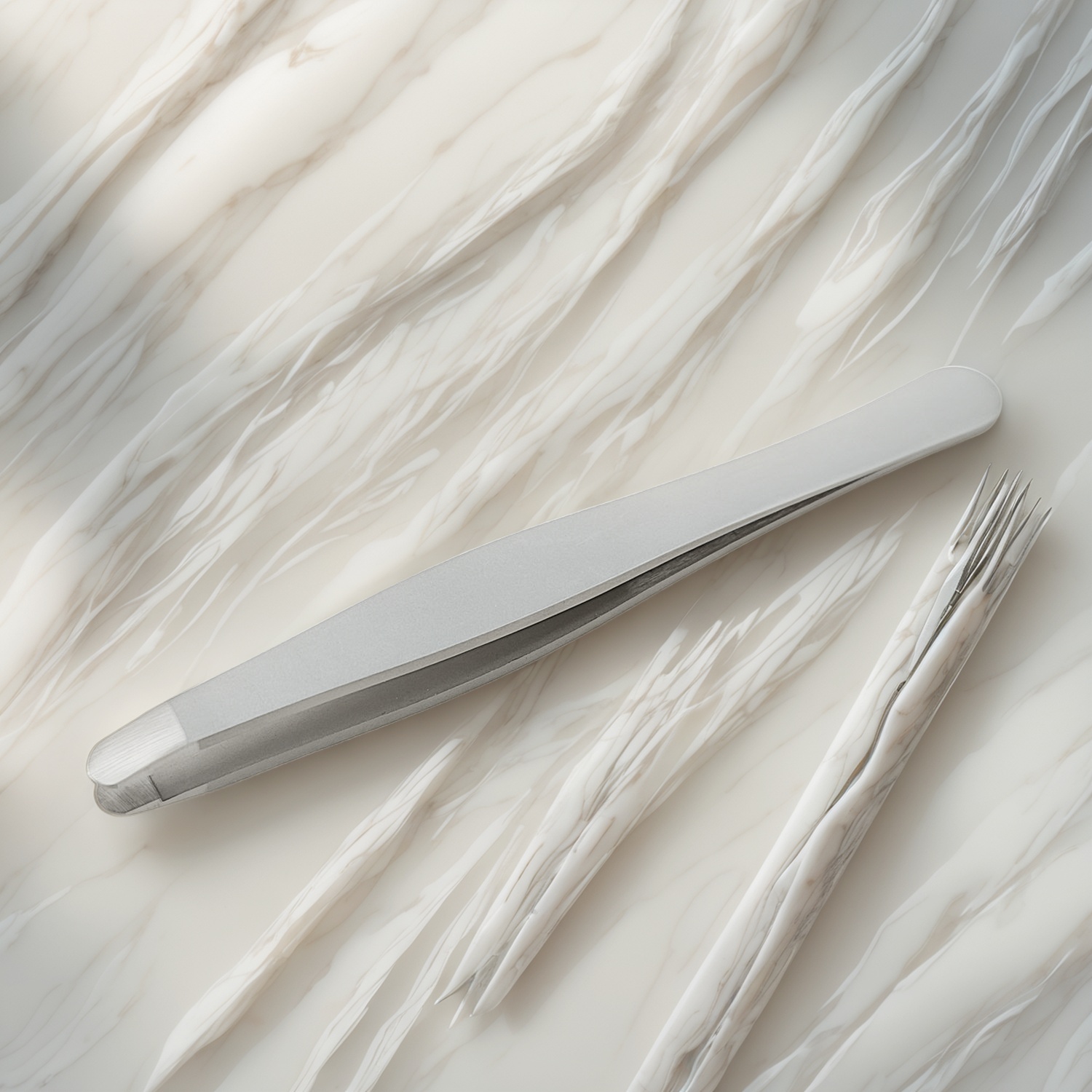
Tweezers are small beauty tools, but they can strongly influence how customers judge a brand. A pair that grips cleanly, feels stable and keeps a neat finish through regular use can become a repeat-purchase essential. A pair that looks attractive but slips, feels sharp in the hand or arrives with damaged tips can quickly create complaints.
For beauty brands, retailers, salon suppliers and private label buyers, tweezers OEM is a practical way to create a tool that fits a defined user and sales channel. Instead of selecting a generic catalogue item and adding a logo, an OEM project lets you make decisions about tip shape, tension, grip feel, surface finish, branding position, packaging and inspection focus.
Olimor Beauty works with beauty tool buyers developing custom tweezers for eyebrow grooming, false eyelash application, nail art, travel grooming kits and broader beauty tool ranges. The goal is to connect design choices with real use: how the tool closes, how it sits in the hand, how the tips are protected and how the finished product represents your brand.
What Tweezers OEM Means for Beauty Tool Buyers
In beauty tools, OEM generally means a manufacturer produces tweezers according to the buyer’s requirements. Those requirements may include the tweezer shape, tip type, handle style, finish, logo method, packaging format and inspection criteria. This is different from buying a ready-made product with no meaningful modification.
The main advantage is product alignment. A brow-focused brand may prioritize slant tips, clean hair grip and a refined surface. A lash brand may need controlled handling for placing false eyelashes. A nail art supplier may need fine precision for small decorations and decals. A salon supplier may value comfort, durability and consistency because professionals use tools repeatedly.
OEM does not mean every feature should be customized. Too many changes can add complexity without improving customer experience. The strongest projects begin with one clear question: what should this tweezer help the user do better?
Start With the Intended User and Application
Before discussing colors, coatings or packaging artwork, define the end user. A professional brow artist, an at-home beauty consumer, a lash technician and a nail art user may all need different handling characteristics. The same tweezer shape rarely performs equally well for every task.
Common custom tweezer use cases
- Eyebrow grooming: The tool should grip short or fine hairs cleanly and allow controlled removal along the brow line.
- False eyelash application: Users need steady handling and tip alignment that helps pick up and position lashes without slipping.
- Nail art: Precision matters for placing small decorative elements, decals or delicate materials.
- General beauty kits: A balanced, easy-to-control design may be more suitable than a very specialized shape.
- Professional salon use: Comfort, repeat handling and consistent closing action become especially important.
Clear use cases also improve supplier communication. When the supplier understands whether the product is for brow shaping, lash placement, nail art or a multi-purpose kit, it becomes easier to recommend practical tip shapes, handle proportions and packaging protection.
Choose the Right Tweezer Tip Style
The tip is the most important functional part of a tweezer. A premium finish cannot compensate for tips that do not meet evenly. In a custom tweezers project, buyers should discuss tip geometry early because it affects manufacturing, finishing, inspection and user experience.
Tip styles to compare
- Slant tips: Widely used for eyebrow shaping and everyday grooming because the angled edge helps users approach hairs from different directions.
- Point tips: Suitable for detailed precision tasks. They require careful handling and are usually better for users familiar with fine-tip tools.
- Flat tips: Useful for gripping larger areas or handling certain beauty accessories, though they may be less effective for isolating very short hairs.
- Rounded or safety-conscious tips: Useful for travel kits or consumer sets where a less sharp appearance may be preferred.
When reviewing samples, look beyond the silhouette. Open and close the tweezers repeatedly. Check whether the two tips meet evenly across the gripping surface. Test the tool on fine hair or a similar material. The closing action should feel controlled, not loose, stiff or tiring. If the product is intended for professionals, ask actual beauty technicians to handle samples because they often notice small issues that are easy to miss in a meeting room.
Material, Balance and Grip Decisions
Stainless steel is commonly chosen for beauty tweezers because it supports a clean appearance, practical durability and rust resistance when properly selected and finished. Olimor product information for precision slant tweezers references stainless steel construction for rust resistance and easy hair removal. For OEM buyers, the material discussion should still be specific and practical rather than vague.
Your project brief can describe expectations for normal bathroom conditions, surface smoothness, cleaning by the end user, edge finishing and the overall feel in the hand. Do not rely only on the phrase “premium stainless steel.” Ask how the proposed material, forming, finishing and inspection steps support the intended product position.
Balance also matters. A tweezer should not feel awkwardly heavy at one end. The spring tension should allow control without tiring the hand during repeated use. For a salon-focused product, a slightly more substantial feel may communicate stability. For a travel grooming item, compact size and lightweight handling may be more important.
Grip design is another practical choice. Smooth handles can look elegant, but they may become harder to control when hands are damp or when skincare products are being used nearby. Matte finishes, shaped sides, textured areas or non-slip grip details can improve stability. The best option depends on the user, brand style and sales channel.
Surface Finish and Branding Without Sacrificing Function
Color, finish and logo placement help create shelf appeal, but they should support the tool rather than interfere with it. A logo placed exactly where the user pinches the handle may affect comfort or wear faster. A coating that looks impressive but makes the tweezer slippery can create a poor user experience. A finish that hides fingerprints may be better for some retail lines, while a polished look may suit gift sets or premium displays.
Common branding decisions include handle color, logo size, logo method, finish texture, retail card or box design and whether the tweezers should visually match other beauty tools. If your brand already sells scissors, lash tools, brow tools or manicure accessories, consider coordinating the design language across the range. You can review Olimor’s beauty tool products to consider how tweezers may fit into a wider assortment.
Packaging claims should stay supportable. Instead of broad promises, focus on benefits the design can reasonably communicate: aligned tips, comfortable grip, stainless steel construction, matte surface, compact grooming format or a tip-protective package. Avoid making unsupported claims about performance, medical suitability or certifications unless you have verified documentation for the exact product and market.
Packaging Choices for Retail, Salon and Kit Use
Packaging is not only decoration. It protects the tips, communicates the use case and affects how buyers understand the product. Precision tips can be damaged if the packaging allows movement during shipping or store handling. At minimum, consider tip protection, scratch prevention, barcode or label needs, retail display method and how clearly the product purpose is shown.
| Sales channel | Packaging priorities | Buyer considerations |
|---|---|---|
| Retail beauty stores | Clear presentation, visible branding, shelf or hanging display | Make the use case easy to understand at a glance and protect tips from handling damage. |
| Salon supply | Professional appearance, practical storage, repeat-use protection | Emphasize comfort, alignment and durability cues rather than excessive decoration. |
| Beauty kits | Compact size, coordinated design, secure placement | Ensure the tweezer matches the kit visually and cannot scratch nearby items. |
| E-commerce | Photo-friendly design, protective transit packaging, clear labeling | Plan packaging that photographs well and reduces the risk of tip damage during shipping. |
For a private label tweezers project, packaging artwork should identify the main application. A brow tweezer, lash tweezer and nail art tweezer should not rely on identical front-of-pack messaging if they serve different users. Clear packaging reduces returns caused by mismatched expectations.
OEM Custom Tweezers Decision Checklist
A useful OEM brief gives the supplier enough detail to evaluate feasibility and prepare samples. It does not need to be complicated, but it should connect design decisions with use and inspection needs.
| OEM decision | Why it matters | What to review in samples |
|---|---|---|
| Tip shape | Determines the main use case | Hair grip, lash handling, nail art control and safe handling for the intended user |
| Tip alignment | Affects grip accuracy and customer satisfaction | Even contact, clean closing action and no visible mismatch at the working end |
| Tension | Controls comfort during repeated use | Squeeze force that is neither loose nor tiring |
| Grip area | Influences stability in real beauty routines | Texture, matte finish, shaped sides or smooth handle comfort |
| Material and finish | Supports appearance, rust resistance and cleaning expectations | Surface consistency, edge comfort, fingerprint visibility and finish uniformity |
| Logo position | Builds brand identity without hurting function | Readability, wear location and whether branding interferes with grip |
| Packaging | Protects tips and communicates product purpose | Tip protection, display format, label clarity and compatibility with the sales channel |
| Inspection plan | Reduces inconsistent shipments | Agreed checks for appearance, tip closure, finish and packaging condition |
Quality Checks Buyers Should Discuss Before Production
Tweezers quality is judged in very small details. A slight difference in tip contact, burrs on the edge or inconsistent tension can change how the product feels. That is why inspection should be discussed before mass production, not after the shipment is ready.
Practical inspection topics include visual finish consistency, logo placement, packaging condition, tip protection, tip alignment, closing action, grip comfort and the absence of sharp outer edges in normal handling areas. Buyers should also confirm how approved samples are used as production references and how changes are documented.
For sampling inspection plans, some buyers and suppliers refer to standards such as ISO 2859-1 for acceptance sampling procedures. Quality management discussions may also reference ISO 9001 as a general framework. These standards can be useful vocabulary, but buyers should verify the applicable version, scope and supplier documentation for their own project. Do not assume a certification applies to a specific product unless the supplier provides valid, relevant documents.
How to Evaluate a Tweezers OEM Supplier
A good supplier conversation should go beyond price. The lowest unit cost can become expensive if samples are inconsistent, packaging fails to protect the tips or the finished product does not match the brand position. When evaluating a custom beauty tweezers manufacturer, compare communication clarity, sample responsiveness, material and finish options, packaging support and quality-control discipline.
Questions to ask potential suppliers
- Which tweezer tip styles are practical for the target application?
- How are tip alignment and closing action checked during production?
- What finish options are suitable for the desired grip feel and brand look?
- How will the tips be protected in retail or e-commerce packaging?
- Can approved samples, artwork and packaging references be documented before production?
- What information is needed to review MOQ, lead time and customization feasibility?
Cost is shaped by several factors: material choice, tip complexity, finishing process, logo method, packaging format, order quantity, inspection requirements and whether the product is part of a broader custom set. Instead of asking only for a fast quotation, provide a clear brief so the supplier can assess the actual project. Buyers planning a coordinated range can browse Olimor’s product collection to compare possible beauty tool directions before finalizing a brief.
A Practical Development Flow for Custom Tweezers
An organized process reduces delays and miscommunication. The following flow works for many B2B tweezers OEM projects:
- Define the user and purpose: Decide whether the tool is mainly for brows, lashes, nail art, travel kits or general grooming.
- Select the functional design: Choose tip shape, handle style, tension target and grip direction based on the application.
- Discuss material and finish: Confirm stainless steel expectations, surface texture, color direction and cleaning considerations.
- Plan branding and packaging: Decide logo placement, retail format, tip protection and channel-specific labeling needs.
- Review samples: Check tip alignment, closing action, comfort, finish consistency and packaging fit.
- Confirm production references: Keep approved samples, artwork and packaging details as references for production.
- Agree on inspection focus: Document the key quality checks that matter most for the product’s use case.
This approach keeps the project focused on performance first. Once the tool works as intended, branding and packaging can strengthen the commercial appeal without masking functional weaknesses.
Work With Olimor on OEM Custom Tweezers
Olimor Beauty supports beauty tool buyers who need OEM custom tweezers with practical design, material, finish, branding and packaging discussions. Whether you are building an eyebrow grooming item, a lash application accessory, a nail art tool or a coordinated beauty kit, the most useful starting point is a clear brief: target user, preferred tip style, sales channel, finish direction and packaging requirement.
If you are comparing supplier options or preparing a private label tweezer project, you can contact Olimor Beauty to discuss feasibility, sample direction and customization details. Buyers ready to share specifications can also send an OEM tweezers inquiry for project review.
FAQ
Can Olimor provide samples for custom tweezers?
Sample availability depends on the requested design, finish, packaging and customization level. Buyers should share the intended use, tip style, branding direction and sales channel so Olimor can review a suitable sample path.
Is there an MOQ for OEM tweezers?
MOQ depends on the product structure, customization method, finish and packaging requirements. Olimor can review MOQ after the buyer provides project details rather than relying on a generic answer.
What customization options can be discussed?
Common options include tip style, handle shape, grip texture, matte or polished surface direction, color, logo placement and retail packaging. Feasibility should be confirmed through sampling and supplier review.
What quality checks are important before shipment?
Important checks include tip alignment, closing action, surface finish, edge comfort, logo position, packaging condition and tip protection. Buyers should agree on inspection priorities before production begins.
How should buyers discuss lead time?
Lead time depends on sampling, customization complexity, packaging artwork, production planning and inspection requirements. Buyers should confirm timing after specifications and approved samples are clear.
Tag: