

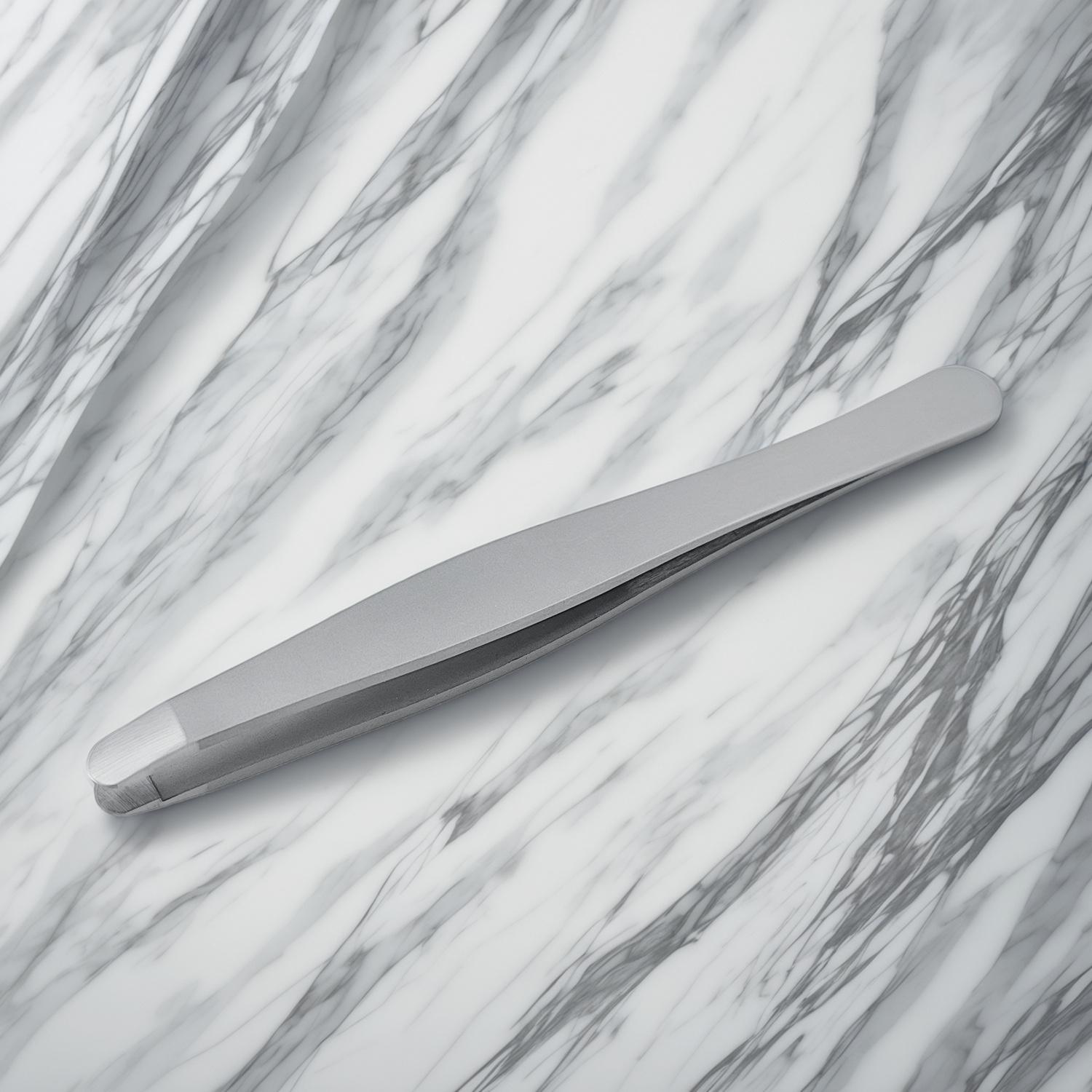
Tweezers OEM: How Beauty Brands Can Develop Custom Precision Tools
Tweezers look simple, but for a beauty brand they are one of the easiest products to get wrong. A tweezer that feels too stiff, loses alignment, slips on fine hairs or shows early corrosion can damage customer trust quickly. For brands building a brow, grooming or manicure accessory range, tweezers OEM development is not only about placing a logo on a standard tool. It is about defining the grip, tip shape, tension, finish, cleaning expectations and packaging so the final product suits the way customers actually use it.
Olimor Beauty supports OEM custom tweezers for brands that need practical, durable and precise beauty tools. The focus is on stainless steel precision tweezers designed to resist rust and corrosion, with attention to grip, alignment and daily usability. Whether you are adding tweezers to a larger accessory assortment or creating a dedicated brow tool line, the right OEM process helps turn a small item into a product customers keep and repurchase.
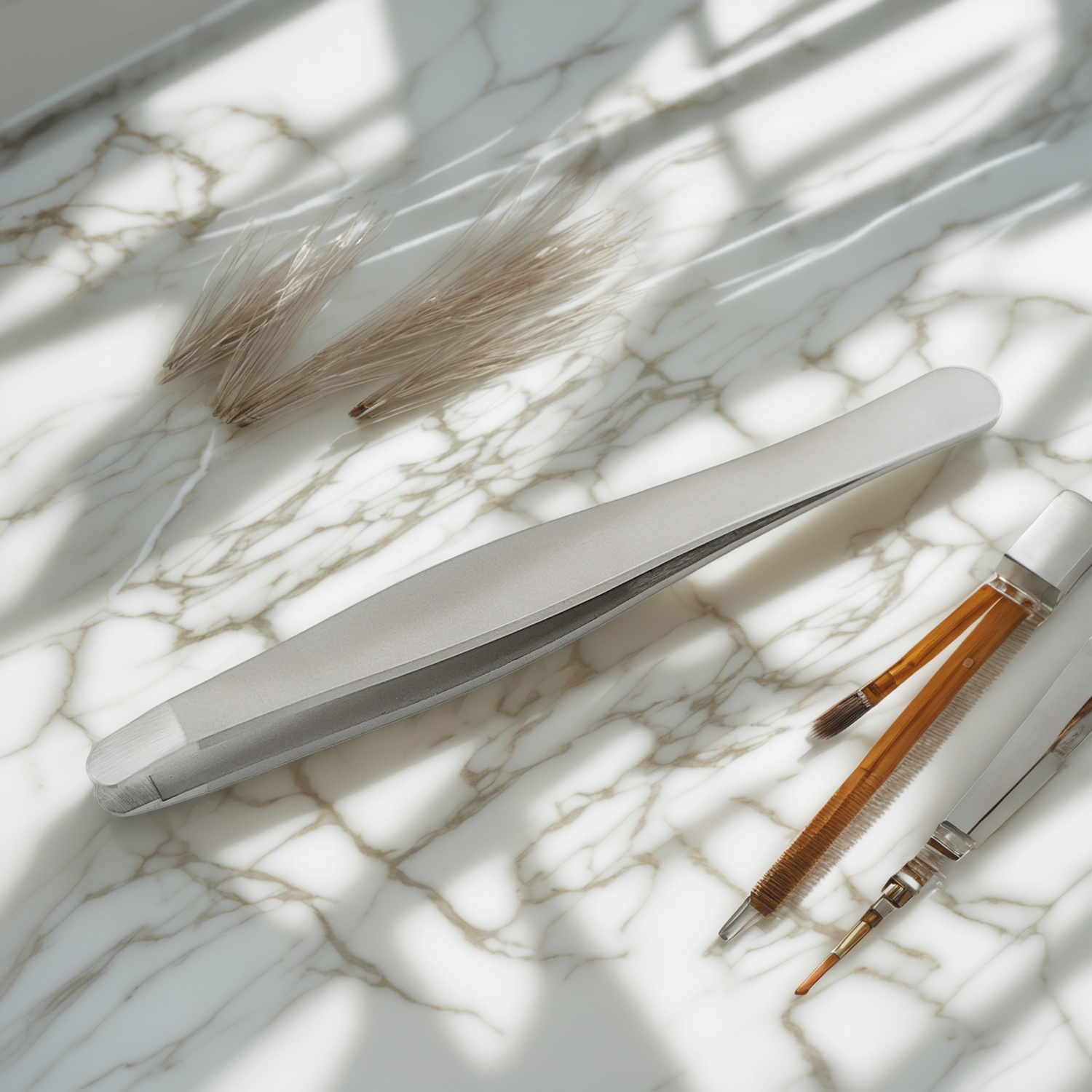
What Tweezers OEM Should Solve for Your Brand
The purpose of tweezers OEM is to help a brand create a product that fits its market position, user needs and visual identity. For a salon-oriented brand, the priority may be clean tip alignment, dependable tension and a finish that withstands frequent cleaning. For a retail beauty brand, the product may need to balance precision, comfort and packaging appeal. For a travel grooming kit, slim shape and protection may matter more than decorative surface details.
A useful OEM discussion begins with function. The tweezer must close evenly, hold hair securely and remain comfortable during repeated use. Stainless steel is commonly selected for precision tweezers because it provides durability and helps resist rust and corrosion when properly used and maintained. However, material choice is only part of the decision. The shaping, finishing, edge treatment and inspection process all influence whether the tweezer performs consistently.
Brands should also consider where the product will sit in the assortment. A tweezer sold as a single hero product may justify more attention to packaging and finish. A tweezer included in a gift set or grooming kit may need to coordinate visually with scissors, lash tools, nail tools or other beauty tool products. OEM planning is strongest when the tweezer is designed as part of a customer experience rather than as an isolated accessory.
Key Design Choices: Tip, Tension, Finish and Grip
Custom tweezers can be adjusted in several practical ways. Some changes are visual, while others directly affect performance. Before confirming a design, define how the user will hold the tool, what type of hair it should target and how much control the user needs around the brow line or face.
- Tip style: Slant tips are widely used for brow shaping because they offer a balanced angle for grabbing individual hairs. Pointed or more specialized tips may be considered for precision work, but they require careful handling and clear user expectations.
- Tip alignment: The two sides should meet evenly. Poor alignment is one of the most common reasons tweezers fail, because even a durable tool will not grip fine hair if the tips do not close properly.
- Tension: Calibrated tension affects comfort. If tension is too tight, the hand tires quickly. If it is too loose, the user may struggle to control the pull.
- Surface finish: Matte finishes can create a modern appearance and may reduce visible fingerprints compared with some polished surfaces. The finish should match the brand’s positioning and packaging style.
- Grip feel: The body should feel stable without being bulky. Lightweight robustness is valuable because customers want control, not a tool that feels flimsy or awkward.
- Cleanability: Tweezers used near the face should be easy to wipe and maintain. Avoid unnecessary decorative details that trap residue if the product is intended for frequent use.
These choices should be made together. For example, an elegant matte surface may look right for a premium brow tool, but it still needs accurate tip alignment and comfortable closing pressure. A branded tweezer that photographs well but slips on fine hair will not meet customer expectations.
Quality Checks That Matter in OEM Custom Tweezers
For a small metal beauty tool, quality control should be practical and repeatable. Olimor Beauty emphasizes internal quality checks from raw materials through final packaging, which is important because defects can appear at different points in production. A tweezer can be made from suitable stainless steel yet still perform poorly if its tips are uneven, its surface is rough or its packaging allows damage in transit.
When evaluating OEM custom tweezers, brands should look beyond appearance. The most useful inspections are connected to the way the tool will be used by professional beauticians and home users. Grip, alignment and finish consistency are especially important. The tweezer should be able to remove fine hairs and shape brows with controlled pressure, helping reduce unnecessary pulling or irritation caused by repeated failed attempts.
| Quality point | Why it matters | What buyers should review |
|---|---|---|
| Tip alignment | Determines whether the tweezer can grip fine hair cleanly | Check that the tips meet evenly without visible gaps |
| Tension | Affects comfort during repeated use | Compare samples for hand fatigue and control |
| Surface finish | Influences appearance, cleaning and perceived value | Look for consistent color, texture and smooth edges |
| Corrosion resistance | Supports longer product life when maintained properly | Confirm material and care instructions are appropriate |
| Packaging protection | Prevents bent tips or scratched surfaces before sale | Review how the tweezer is secured and presented |
Planning a Custom Tweezer for Retail, Salon or Kit Use
A strong OEM brief explains the product’s intended sales channel. Retail customers often judge the product first by packaging, then by hand feel and results. Salon users may pay closer attention to repeat performance, cleaning and how the tool behaves after frequent use. A grooming kit may require a compact tweezer that looks coordinated with other tools in the set.
If your brand sells through online channels, product photography and copy should clearly show the tip type, finish and intended use. If the tweezer is designed for brow shaping, say so. If it is a stainless steel precision tweezer for general grooming, avoid exaggerating claims and focus on accuracy, comfort and care. Clear product positioning reduces returns because customers understand what they are buying.
Brands expanding a beauty accessory range can also compare tweezers with related product collections to keep shapes, colors and packaging consistent. Consistency does not mean every tool must look identical. It means the customer should recognize the same design language across the range, whether the item is a tweezer, brow scissor, lash tool or nail accessory.
Packaging and Brand Presentation Decisions
Packaging for tweezers has two jobs: protect the tool and communicate value. Precision tips can be affected by pressure, so the product should not move loosely inside the packaging. A simple sleeve, tray, card or box can work if it keeps the tweezer secure and matches the selling environment. For retail display, visibility may be important. For e-commerce, protection during shipping may matter more.
Branding should be legible and restrained. Because tweezers are small, overly complex graphics can look crowded. Many brands choose a minimalist approach that highlights the finish, shape and logo placement. If care instructions are included, they should be short and useful: keep the tool clean, dry it after exposure to moisture and store it with the tips protected. These details help customers understand that even corrosion-resistant stainless steel tools benefit from proper maintenance.
For OEM projects, packaging should be reviewed alongside the tool sample, not after production decisions are complete. The way the tweezer sits in the package can influence perceived quality. A well-aligned stainless steel tweezer loses impact if it arrives scratched, bent or poorly presented.
Maintenance Guidance Customers Will Actually Use
Good maintenance instructions make the product more useful and reduce avoidable complaints. Tweezers used for brow shaping or fine hair removal should be cleaned after use, especially when they come into contact with skincare products, oils or makeup residue. A clean surface helps preserve grip and keeps the tool pleasant to use.
- Wipe the tips after use with a clean cloth or appropriate cleaning wipe.
- Dry the tweezer before storage, especially if it has been rinsed or exposed to moisture.
- Store it in packaging, a pouch or a protected compartment to prevent tip damage.
- Avoid dropping the tool, because impact can affect tip alignment even when the metal body remains intact.
- Do not use brow tweezers for non-beauty tasks that may bend the tips or damage the finish.
These instructions are simple, but they matter. Many tweezer performance problems begin with damaged tips or residue buildup. A brand that provides clear care guidance gives customers a better chance of experiencing the product as intended.
How to Prepare a Better OEM Inquiry
A precise inquiry helps the supplier understand your commercial goal and avoids unnecessary sample revisions. Instead of requesting “custom tweezers” in general, define the intended user, tip type, finish preference, packaging direction and any visual references from your existing line. If you already sell brow or grooming tools, share the desired design relationship so the new tweezer fits the assortment.
Useful points to prepare include target market, sales channel, preferred stainless steel appearance, tip style, logo placement, packaging format and whether the tweezer will be sold alone or inside a kit. You do not need to finalize every detail before the first discussion, but the more clearly you describe the product’s role, the easier it is to evaluate options and samples.
Olimor Beauty can support brands looking for OEM custom tweezers with attention to durable stainless steel construction, ergonomic handling, quality checks and packaging review. To discuss a project, you can contact Olimor with your design direction or send an inquiry for a custom beauty tool request.
Choosing Tweezers That Strengthen Your Beauty Tool Line
Tweezers are small products, but they carry a large share of the user’s daily experience with a beauty brand. A well-developed OEM tweezer should feel controlled in the hand, grip fine hairs effectively, remain easy to clean and arrive in packaging that protects the precision tips. Design details such as slant tips, matte finishes and calibrated tension can help create a distinctive product, but they should always support performance first.
For beauty brands, the best sourcing decision is not the most decorative option or the fastest generic item. It is the tweezer that matches the audience, performs consistently and fits naturally into the wider product range. With a clear brief and practical quality expectations, OEM custom tweezers can become a reliable addition to a professional, retail or everyday grooming line.
Tag: