

Tweezers for False Lash Application: What Professional Buyers Should Look For
False lash work rewards precision. Whether the task is applying strip lashes, positioning clusters, or isolating placement areas during detailed lash work, the tweezer is the tool that translates hand control into a clean lash line. For salons, lash artists, beauty retailers, and B2B beauty supplies buyers, choosing tweezers for false lash application is not just a matter of appearance. The right tool affects placement accuracy, working speed, comfort during repeated use, and the professional impression created at the service table or retail counter.
A useful pair of lash tweezers should feel controlled from the first grip. The tips should meet consistently, the handle should not require excessive pressure, and the surface should support steady movement even when hands are slightly damp from normal service conditions. Olimor Beauty focuses on beauty tools for professional supply needs, including options suitable for buyers who need reliable daily-use tools as well as businesses exploring custom made tweezers for their own brand presentation.
Why False Lash Tweezers Need Different Design Priorities
General cosmetic tweezers are often designed for gripping individual hairs. False lash tweezers have a different job: they need to hold lightweight, curved lash materials without crushing, slipping, or blocking the artist’s view. A poor tool can make the lash band twist, cause uneven placement, or force the user to press harder than necessary. Over a full working day, that extra pressure can slow the artist and increase hand fatigue.
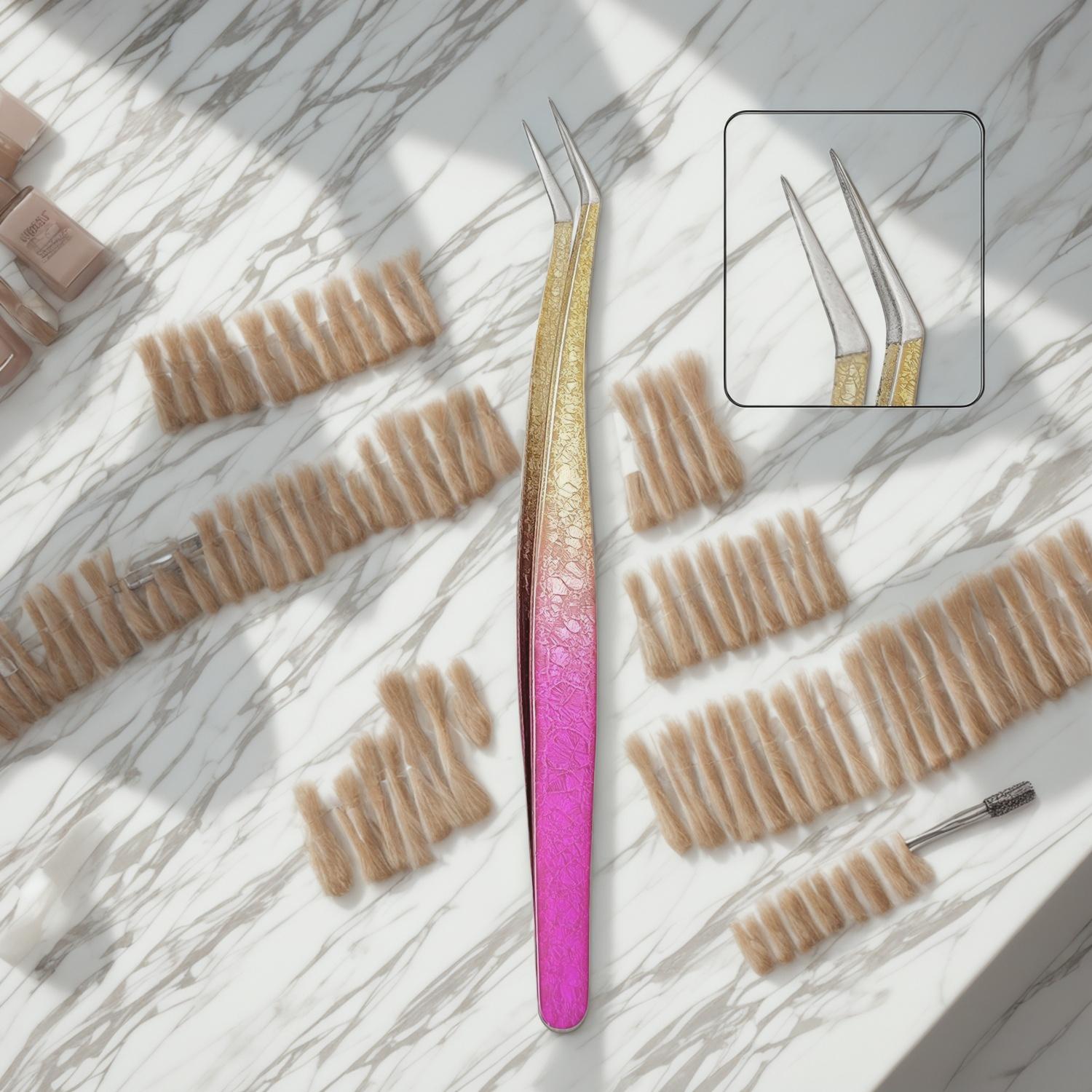
For false lash application, the most important performance question is not simply whether the tweezer is sharp. It is whether the tip geometry, spring tension, and grip area work together for controlled placement. A slightly bent, fine tip can help reach difficult areas such as inner corners and allow the artist to approach the lash line at a comfortable angle. A textured or crinkled grip can improve control when the hand makes small adjustments. These details matter because lash placement often happens in millimeters.
Key Features to Evaluate Before Sourcing
When comparing tweezers for false lash use, buyers should assess the tool as both a working instrument and a product that may represent a professional brand. The following checklist is useful for salons ordering staff tools, retailers developing a beauty tool range, and distributors reviewing B2B beauty supplies.
- Tip alignment: The two tips should meet evenly without gaps or crossing. Consistent contact helps hold lash fibers or bands securely.
- Tip shape: A fine, slightly bent tip can support detailed placement and visibility around the lash line. The best shape depends on whether the user applies strips, clusters, or individual sections.
- Grip texture: A textured handle area, such as a crinkled surface, can reduce slipping and improve control during long sessions.
- Spring tension: The tweezer should open and close smoothly. If the tension is too stiff, users tire quickly; if too loose, control may feel unstable.
- Material: Stainless steel is valued in beauty tools because it supports durability and routine cleaning when handled properly.
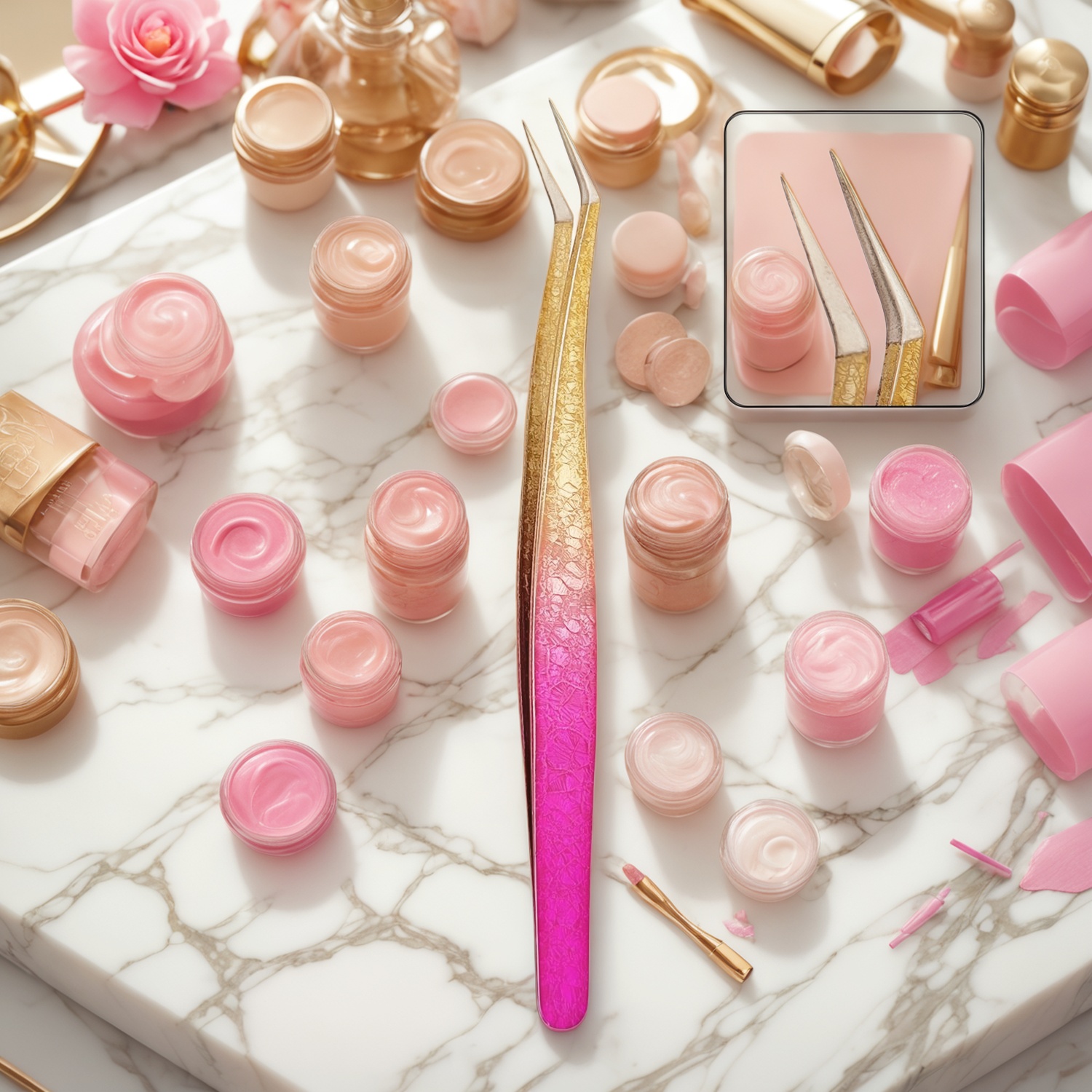
- Finish and color: A vibrant gradient or polished decorative finish can help the tool stand out, but appearance should never compensate for poor tip performance.
- Packaging compatibility: Retailers and brand owners should consider how the tweezer will be presented, protected, and identified during shipping and display.
How Tip Shape Affects Lash Placement
Tip design changes the way a user approaches the eye area. Straight tips can feel familiar for simple pick-up work, but they may block visibility depending on the angle. Curved or bent fine tips can give the user a clearer approach when placing a lash close to the natural lash line. This is especially helpful near the inner corner, where space is limited and heavy-handed placement can look obvious.
For false lash application, the tweezer should hold the lash securely without requiring the user to squeeze hard. If the lash band slips, the artist may compensate by gripping too tightly, which can distort the band or reduce placement accuracy. If the tips are too bulky, they may interfere with the lash curve or make it difficult to align the band before adhesive sets. A carefully formed fine tip helps preserve visibility and control.
Professional buyers should also think about user level. Beginners may prefer a shape that feels stable and easy to control, while experienced lash artists may value a more precise angle for advanced placement. For mixed staff environments, it can be useful to compare several tip styles from beauty tool products before deciding on a standard salon or retail assortment.
Comfort, Balance, and Fatigue During Long Services
A lash tweezer is small, but it is often used repeatedly and for extended periods. Comfort is therefore a practical buying criterion. A well-balanced tweezer should not feel top-heavy or slippery. It should respond to light pressure and return smoothly when released. If the handle is too narrow, the user may pinch harder than necessary. If it is too wide or poorly balanced, fine movements can become less accurate.
Grip design is particularly important for lash professionals who perform multiple services in one day. A crinkled or textured grip gives the fingers a stable contact point, helping maintain control through small adjustments. This does not replace technique, but it supports consistent movement. For professional settings, comfort is also part of service quality: a calm, controlled hand makes the application process smoother for both the artist and the client.
Customization Considerations for Beauty Brands and Retailers
Customization is a major reason buyers look beyond standard tools. Custom made tweezers can help a salon, retailer, or private-label beauty business create a consistent visual identity. However, custom decisions should start with performance, not decoration. A product that looks attractive but fails to grip reliably will not earn repeat orders.
Useful customization discussions may include finish, color direction, handle texture, packaging style, and whether the tool should align with a broader beauty accessory range. The original purpose should remain clear: the tweezer must support accurate false lash application. Buyers considering private-label or customized supply can review related product collections to understand how a lash tool might fit into a larger assortment.
When evaluating customization, prepare a clear brief. Include the intended user, main application scenario, preferred tip shape, packaging expectations, and any brand presentation requirements. This helps avoid vague development choices and keeps the project focused on the end customer’s real use.
Maintenance and Handling for Longer Tool Life
Even a well-made tweezer performs poorly if it is dropped, stored loosely with other metal tools, or cleaned carelessly. Fine tips are precision areas and should be protected from impact. In salons, each tool should have a defined storage location so the tips do not bend or become misaligned. Retailers should also ensure packaging protects the tip during transport and display.
- Wipe residue from the tweezer after use according to the salon’s hygiene procedures and the cleaning method suitable for the tool finish.
- Dry the tweezer thoroughly before storage to help preserve the surface condition.
- Use a protective sleeve, cap, or dedicated compartment to prevent tip damage.
- Do not use lash tweezers for unrelated tasks such as opening packaging or prying components.
- Check tip alignment regularly, especially in busy professional environments.
These steps are simple, but they protect the detail that makes the tool valuable: clean, accurate tip contact. For B2B buyers, including care guidance with retail packaging or staff kits can reduce misuse and improve customer satisfaction.
Sourcing Questions That Lead to Better Buying Decisions
When sourcing tweezers for false lash work, the strongest buying decisions come from matching product details to real use cases. A salon may prioritize comfort and consistency across multiple staff members. A retailer may need a tool that photographs well, displays clearly, and still performs when customers use it at home. A distributor may focus on repeatable quality across batches and packaging suitable for different sales channels.
Before placing an order or developing a custom option, define the core requirements. What type of false lash work is the tool mainly for? Should the tool be suitable for professional service use, retail customers, or both? Is the finish chosen for brand identity, or does it also need to withstand frequent handling? Is the grip easy to use for long sessions? These questions are more useful than relying on appearance alone.
Olimor Beauty supports professional beauty tool buyers who need practical product discussions rather than generic catalog descriptions. If you are comparing false lash tweezer options, planning a branded toolkit, or building a broader beauty tools assortment, you can contact Olimor for product communication or send an inquiry with your project details.
Choosing a Tweezer That Supports Reliable Lash Results
The best tweezers for false lash application combine precise tip alignment, comfortable tension, stable grip, and a finish that fits the brand or working environment. Decorative details such as a colorful gradient can add shelf appeal and professional presence, but the core value remains control. A tool that helps the user place lashes cleanly, especially around detailed areas like the inner corner, earns its place in a serious beauty toolkit.
For salons, retailers, and B2B beauty supplies buyers, the goal is to select a tweezer that performs consistently and supports the way customers actually work. Start with application needs, then evaluate ergonomics, material, finish, packaging, and customization potential. With the right criteria, false lash tweezers become more than small accessories—they become dependable tools for precise, repeatable beauty services.
Tag: