

Eyebrow Tweezers for Precise Shaping: A Buyer’s Guide to Tips, Grip and Finish
Eyebrow tweezers look simple, but small design differences can change how cleanly they grip, how comfortable they feel and how accurately they help shape a brow line. For consumers, makeup artists and beauty-tool buyers, the right pair should remove unwanted hairs without excessive pulling, support controlled detailing and remain dependable through repeated use. For retail or wholesale sourcing, the choice also needs to make sense as part of a beauty tool assortment: easy to understand, visually appealing and practical for daily grooming.
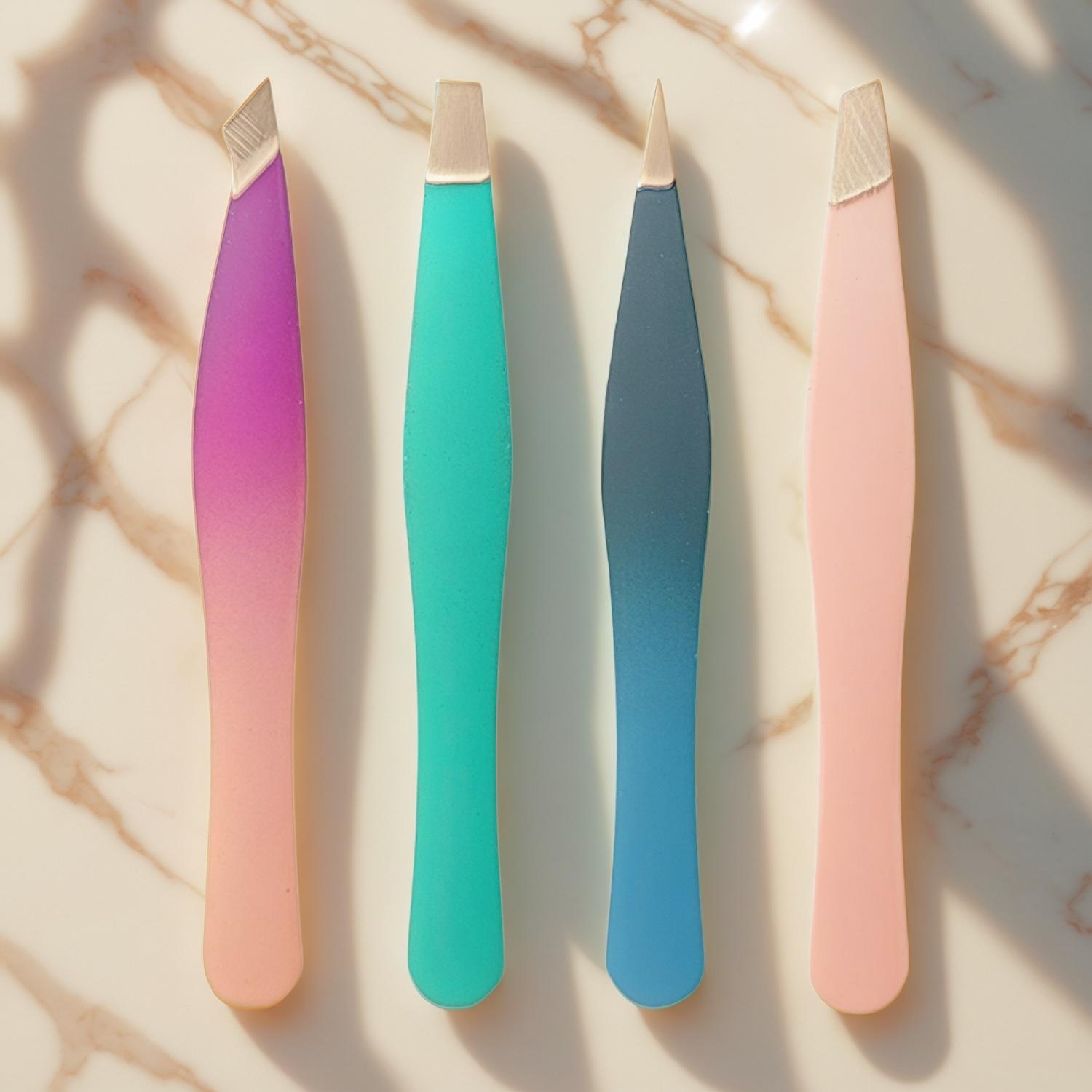
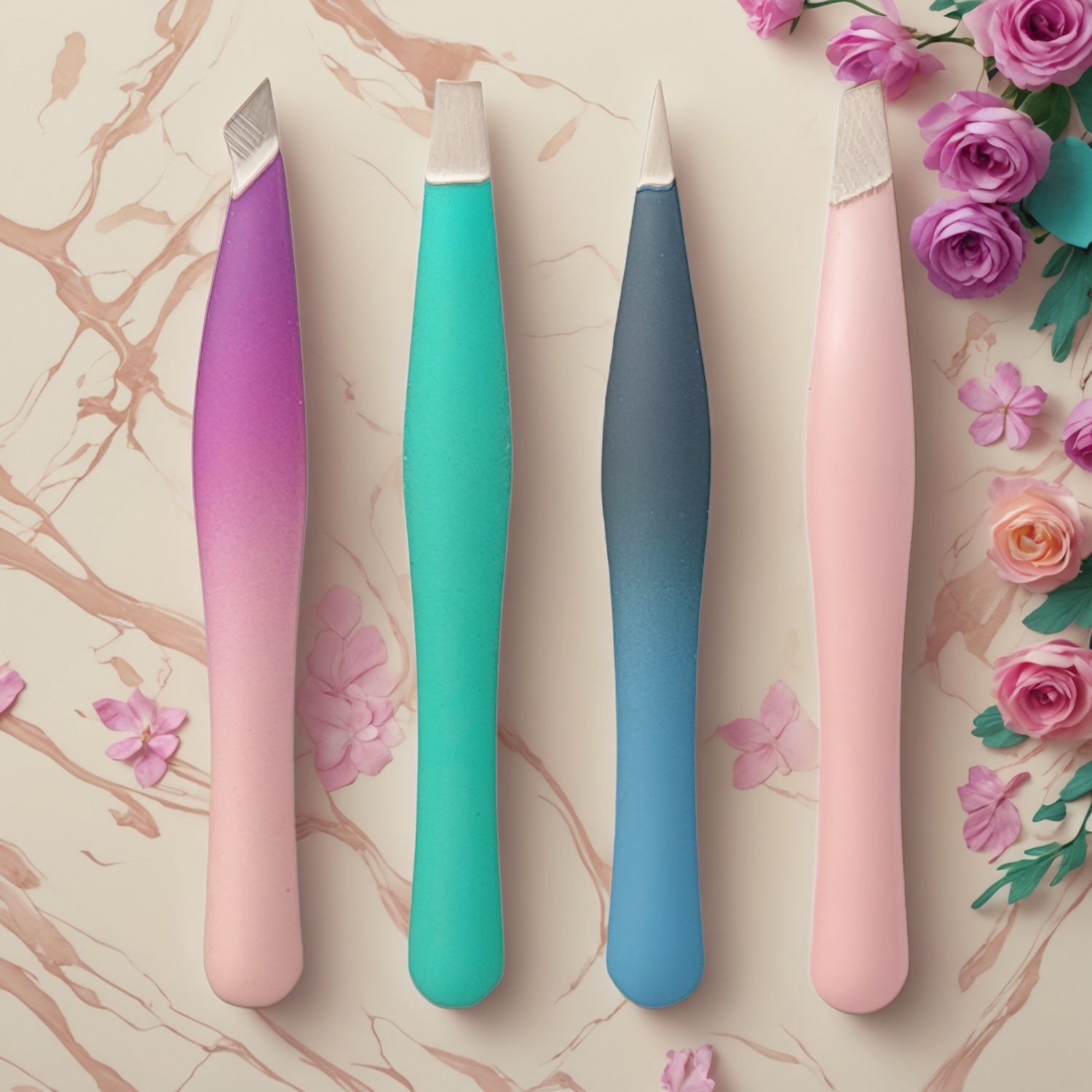
Olimor Beauty’s Gradient Collection focuses on this balance of function and appearance. The collection features an ombre visual effect with vivid colors such as fuchsia, sea green and cerulean, while offering practical tip options including angled and pointed designs. The result is a tweezer range that suits different brow tasks, from shaping the arch to removing very fine stray hairs. This guide explains how to evaluate eyebrow tweezers before adding them to a personal kit, salon station or product line.
Why Eyebrow Tweezers Need More Than a Sharp Tip
A good eyebrow tweezer is not defined by sharpness alone. The two arms must meet evenly, the tips need to align correctly and the tool should provide enough tension to grip hair without hand fatigue. If the tips do not close flush, the tweezer may cut the hair, miss fine strands or require repeated attempts on the same area. Repeated pulling can irritate skin and make brow shaping less accurate.
For eyebrow work, precision matters because the brow line is highly visible. Removing one hair too many can change the shape of the arch or create gaps that take time to grow back. This is why many users keep more than one tweezer type: one for general shaping and another for detail work. A well-planned brow tool range should allow the user to work gradually, check symmetry and remove only the hairs intended.
Comfort is equally important. Tweezers that are too stiff can strain the fingers, while tools with very weak tension may not hold hair securely. A balanced tweezer should feel controlled in the hand and respond consistently when pressed. For beauty professionals, that consistency is especially useful during repeated client services. For home users, it makes routine brow cleanup faster and less frustrating.
Angled vs. Pointed Tweezers: Matching the Tip to the Task
The original Gradient Collection description highlights both angled and pointed options, and each serves a different purpose. Choosing the right tip shape is one of the most important decisions when selecting tweezers for eyebrow grooming.
| Tip type | Best use | Why it helps |
|---|---|---|
| Angled tip | General eyebrow shaping, arch cleanup, routine maintenance | The slanted edge can lie closer to the skin and gives a wider gripping surface for common brow hairs. |
| Pointed tip | Fine hairs, isolated stray hairs, detail work | The narrow point helps target a single hair with more accuracy, especially in tight areas. |
Angled tweezers are often the most versatile choice. The slant can be used flat for broader contact or turned slightly for more detailed grip. This makes them practical for shaping the lower brow line, cleaning the tail of the brow and maintaining the space between the brows.
Pointed tweezers require a steadier hand, but they are valuable when accuracy is the priority. They can help isolate a very fine hair or reach a hair that sits close to the desired brow shape. Because the point is more precise, users should work in good lighting and avoid rushing. For beauty-tool buyers, offering both angled and pointed tweezers gives customers a clearer reason to select the right tool for their grooming style.
Material, Alignment and Grip: Practical Quality Checks
The Gradient Collection is described as being constructed from high-quality stainless steel. Stainless steel is a common choice for beauty tools because it supports durability and a clean, polished feel. However, material is only one part of performance. When evaluating eyebrow tweezers, buyers should also look closely at construction details that affect daily use.
- Tip alignment: The tips should meet evenly from edge to edge. Misalignment reduces grip and can make the tool feel unreliable.
- Edge finish: The gripping surface should be precise enough to hold hair securely without feeling rough or damaging.
- Arm tension: The tweezer should spring back smoothly after pressure is released. Tension should be firm but not tiring.
- Hand feel: The body should be easy to position between the fingers, especially for users shaping brows in short, careful movements.
- Surface finish: Decorative color should not distract from function. The tool still needs clean edges, consistent closure and a comfortable hold.
For sourcing decisions, these checks are more useful than judging by appearance alone. A colorful tweezer may attract attention in a display, but repeat satisfaction comes from clean hair removal and predictable handling. Olimor Beauty positions quality assurance as part of its tool development, with internal quality control from raw material selection through final packaging. Buyers comparing beauty tool products should consider both presentation and functional inspection before building a range.
How to Use Eyebrow Tweezers for Cleaner Results
Even a well-made tweezer performs best when used correctly. Eyebrow shaping should be controlled, gradual and based on the natural brow structure. Removing too many hairs in one session can create unevenness, so it is better to step back frequently and check both brows together.
- Start with clean skin and tools. Remove makeup, oil or skincare residue from the brow area so the tweezer can grip hair more easily.
- Use good lighting. Natural light or a bright mirror helps identify the hairs that sit outside the intended brow shape.
- Brush brows into place. This reveals the natural line and prevents removing hairs that belong in the brow body.
- Hold the skin gently taut. Light tension can make hair removal more precise and more comfortable.
- Pull in the direction of growth. This helps remove the hair more cleanly and reduces unnecessary tugging.
- Work slowly around the arch and tail. These areas define the brow shape, so remove one hair at a time and reassess often.
For general shaping, an angled tweezer is usually the first tool to reach for. For very fine hairs or small corrections close to the brow line, a pointed tweezer can be used carefully. Users should avoid digging into the skin or chasing hairs that are not ready to grip. If a hair cannot be removed cleanly, it is better to leave it and return later than irritate the area.
The Role of Color and Presentation in a Brow Tool Range
Performance should lead the decision, but visual design still matters in beauty tools. The Gradient Collection’s ombre finish, with tones including fuchsia, sea green and cerulean, gives the tweezers a distinctive appearance that can stand out in a personal kit, salon setup or retail display. Color can also make tools easier to identify, especially when different tip styles are offered side by side.
For retailers and brand buyers, a visually consistent range can help customers understand the offer quickly. A customer may choose an angled tweezer for everyday brow shaping and a pointed tweezer for fine detail work, while the coordinated gradient finish keeps the assortment cohesive. This is especially useful when building small grooming sets or grouping related items within product collections.
Color should not be treated as a substitute for function, though. The best presentation supports the buyer’s decision by making the product attractive and easy to compare, while the actual tool quality creates long-term confidence. When evaluating any decorative tweezer, inspect the closing action, tip precision and comfort in hand before focusing on finish alone.
Maintenance Tips for Longer-Lasting Brow Tweezers
Eyebrow tweezers can stay reliable for longer when they are cleaned and stored properly. Because the tips are the working part of the tool, they should be protected from drops, pressure and contact with hard objects. A small change in alignment can reduce gripping accuracy.
- Wipe the tips after use to remove skin oils, makeup residue and loose hairs.
- Store tweezers in a pouch, case or separated compartment so the tips do not knock against other tools.
- Do not use eyebrow tweezers for non-beauty tasks such as opening packaging or pulling hard materials.
- Keep pointed tweezers covered when possible, as their tips are more delicate and require careful handling.
- Check alignment periodically by closing the tips under good light and confirming they meet evenly.
For professional environments, cleaning routines should be consistent with the hygiene practices of the workspace. For home users, a simple habit of wiping and storing the tool carefully can preserve performance and keep brow grooming more efficient.
What Buyers Should Clarify Before Placing an Order
When sourcing eyebrow tweezers, the most useful questions are practical and product-specific. Instead of focusing only on appearance, buyers should confirm whether the available tip types, finish options and packaging approach match the intended market. They should also review samples for closure, grip and hand feel before making range decisions.
Helpful evaluation points include the intended use of each tip style, the consistency of the gradient finish, the durability of the stainless steel construction, the feel of the arm tension and the level of inspection applied before packaging. Buyers planning a retail assortment may also want to compare how angled and pointed tweezers can be presented together so customers understand the difference at a glance.
Olimor Beauty provides beauty tools for different grooming needs, and the Gradient Collection is a practical option for buyers who want eyebrow tweezers with both visual character and functional tip choices. To discuss available product options or plan a sourcing request, you can contact Olimor or send an inquiry with your preferred tweezer type, finish direction and intended sales channel.
Tag: