

Tweezers for Distributors: How to Source Reliable Beauty Tools for Retail and Salon Channels
Tweezers may be small products, but for beauty distributors they carry real commercial importance. Retailers, salons, brow professionals, and personal-care buyers expect tools that feel precise, comfortable, and dependable from the first use. A poorly aligned tweezer can create returns, weak repeat orders, and customer complaints. A well-chosen tweezer range, on the other hand, can support steady replenishment and fit easily into broader beauty tool assortments.
For distributors evaluating tweezers for retailers or planning tweezers export from China, the goal is not simply to find the lowest unit price. The better approach is to compare material, tip finishing, grip comfort, packaging readiness, inspection discipline, and suitability for different sales channels. Olimor Beauty focuses on stainless steel beauty tools, ergonomic designs, and inspection processes, making these criteria especially relevant for buyers building a professional tweezer program.
Why Tweezers Remain a Strong Distributor Category
Tweezers are used across several beauty and grooming situations: eyebrow shaping, facial hair removal, lash work support, splinter removal, and general personal care. This broad utility gives distributors an advantage because tweezers can be sold to multiple buyer types without requiring complex education. They fit into retail beauty aisles, salon supply catalogs, e-commerce bundles, travel grooming kits, and promotional personal-care sets.
For retailers, tweezers are compact, easy to merchandise, and suitable for repeat seasonal promotions. For salons and brow-focused businesses, the emphasis shifts to precision, hand feel, and long-term reliability. For online sellers, clear product images, tip descriptions, and packaging presentation become more important because shoppers cannot test the tool before purchase. A distributor that understands these use cases can segment inventory instead of offering one generic item to every customer.
The category also supports assortment depth. A retailer may need a basic tweezer for everyday grooming, while a beauty professional may look for a more precise tip shape and comfortable grip. Distributors can build volume by offering a balanced selection rather than overloading inventory with too many similar products.
Key Selection Criteria Before Placing a Tweezer Order
When sourcing tweezers for distribution, inspect the product as a working tool rather than a simple metal accessory. The most important features are the ones that directly affect plucking performance and user confidence.
- Material quality: Stainless steel is commonly preferred for beauty tools because it supports durability and a clean professional appearance. Confirm that the material choice suits the target selling channel and expected care routine.
- Tip alignment: The two tips should meet evenly. Poor alignment makes it difficult to grip fine hairs and can cause frustration for end users.
- Tip finish: Tips should feel smooth, controlled, and free from rough burrs. A clean finish helps prevent scratching and improves the user experience.
- Tension and spring feel: Tweezers should open and close with consistent resistance. If the tension is too stiff, users may experience hand fatigue; if it is too loose, control can suffer.
- Grip comfort: Ergonomic design matters, especially for salon users or anyone who uses the tool repeatedly. Anti-slip surfaces or shaped bodies may improve handling.
- Weight and balance: Lightweight designs can be attractive for retail and travel use, while professional users may prefer a stable feel in the hand.
- Packaging suitability: Retail buyers often require packaging that protects the tips, displays the product clearly, and supports barcode or labeling needs.
It is also useful to test the tweezer on different hair types or sample fibers during evaluation. A tool that grips only thicker hairs may not satisfy brow customers looking for detail work. Distributors should document evaluation results so sales teams can explain product differences with confidence.
Matching Tweezer Types to Retailers and Professional Buyers
A successful tweezer range usually includes more than one shape or use case. The right mix depends on customer channels, price positioning, and packaging format. Instead of expanding too quickly, distributors can begin with a focused assortment and add variations after retailer feedback.
| Buyer Channel | Typical Need | Distributor Focus |
|---|---|---|
| Mass-market retailers | Everyday grooming tools with clear packaging | Consistent appearance, reliable tip protection, easy merchandising |
| Beauty specialty stores | More precise tools for brows and facial grooming | Tip performance, attractive finish, clear feature descriptions |
| Salon supply channels | Tools that feel controlled during repeated use | Ergonomics, tension consistency, durability checks |
| E-commerce sellers | Products that are easy to explain online | Strong images, accurate descriptions, packaging that ships well |
| Gift or travel sets | Compact grooming accessories | Lightweight design, protective caps or cases where applicable, assortment compatibility |
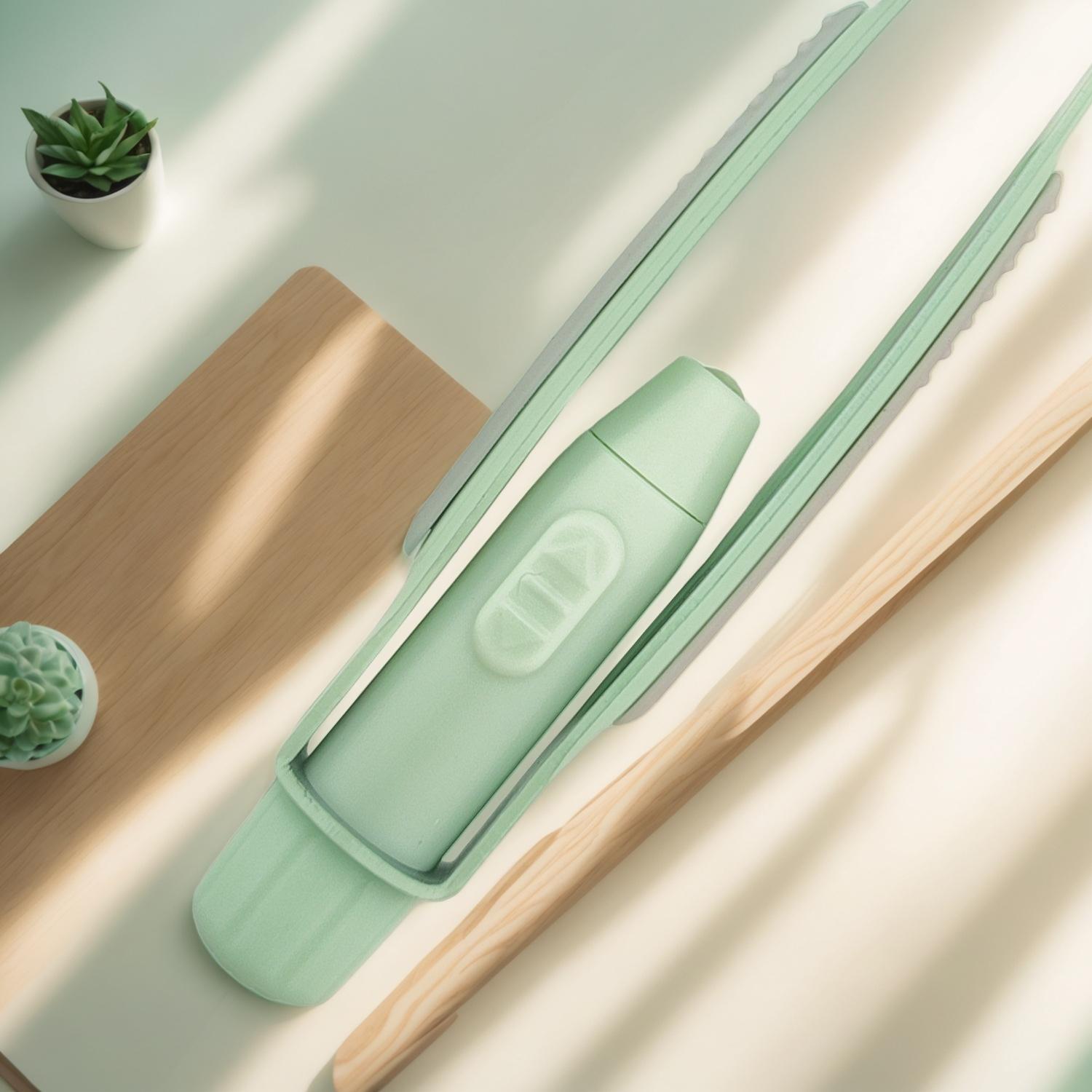
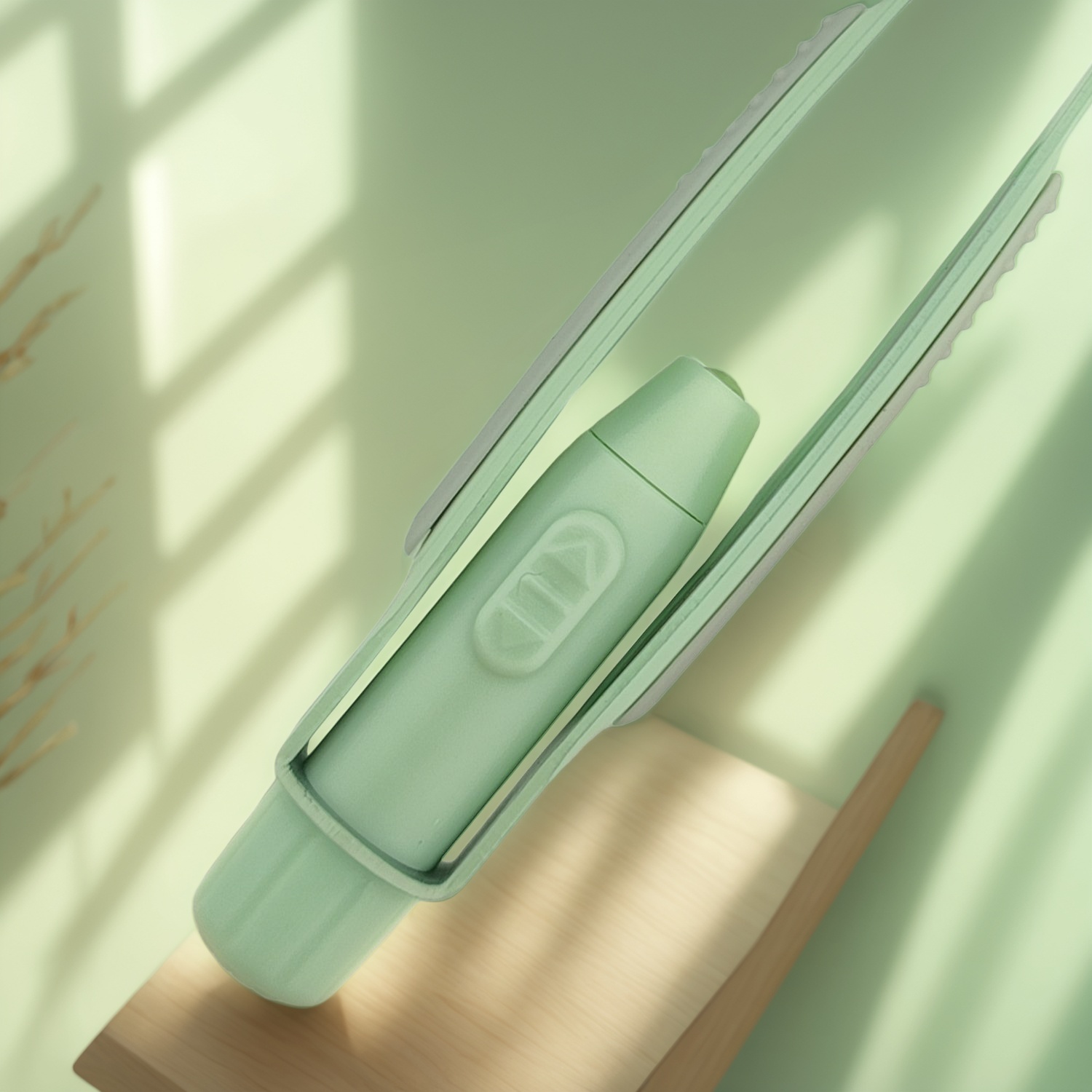
Olimor Beauty’s experience with stainless steel tools and ergonomic designs is relevant here because distributors often need to serve both appearance-driven retail buyers and function-driven professional users. If a product includes multifunctional design elements, such as a tweezer-pen hybrid, clarify the practical use case and packaging explanation so retailers understand where it fits in their assortment.
Quality Inspection Points That Reduce Complaints
For distributors, quality control is not only a factory issue; it is part of protecting customer relationships. Even if the product looks simple, small inconsistencies can create large problems after shipment. A structured inspection plan should include appearance, function, safety, and packaging checks.
- Check visual consistency: Review finish, color tone, logo placement if applicable, and overall cleanliness. Retailers notice visible inconsistencies quickly.
- Test tip meeting points: Open and close multiple pieces from the shipment. The tips should meet properly without crossing, gaps, or twisting.
- Review edge smoothness: Tips should be precise but not rough. Sharp burrs or uneven grinding can harm the user experience.
- Measure functional consistency: Compare tension across samples. A shipment with wide variation may lead to mixed customer feedback.
- Inspect packaging protection: Tips should not be damaged by packaging movement. For retail packaging, also check sealing, labeling space, and display orientation.
- Confirm carton readiness: Export shipments need cartons that protect products through handling and transit. Outer markings and packing lists should match order documents.
These checks are especially important when serving retailers that reorder based on low complaint rates. Thorough inspections, like those emphasized by Olimor Beauty, help distributors present tweezers as dependable salon-quality tools rather than disposable accessories.
Sourcing Tweezers from China Without Creating Supply Risk
Tweezers export from China remains attractive for many distributors because of established beauty tool manufacturing and broad product variety. However, successful sourcing depends on disciplined comparison. Do not judge suppliers only by catalog photos. Evaluate product samples, communication quality, packaging support, export documentation readiness, and willingness to discuss inspection requirements.
A practical sourcing process should include a written specification sheet. This does not need to be complicated, but it should define the tweezer type, material expectation, finish, packaging format, labeling requirements, carton packing, inspection standards, and target sales channel. Clear specifications reduce misunderstandings and make quotations easier to compare.
Buyers should also think about replenishment. A distributor may launch with one retailer order, but the product only becomes profitable if repeat supply is stable. Before committing to a range, review whether the selected supplier can support consistent batches, maintain packaging continuity, and communicate schedule changes early. For broader assortment planning, browse Olimor beauty tool products and related product collections to compare how tweezers can sit alongside other grooming and beauty tools.
Building a Retail-Ready Tweezer Assortment
Distributors often face a choice between offering a very narrow range or carrying too many near-identical products. The best starting point is usually a compact assortment with clear differences. For example, one everyday option can serve general retail, one more precise option can target brow grooming, and one travel-friendly or multifunctional option can support sets or impulse purchases. The exact assortment should reflect actual channel demand, not a catalog checklist.
Packaging should help retailers sell the product without needing a trained associate nearby. Use simple, accurate descriptions that explain the tip shape, intended use, and care instructions. Avoid exaggerated claims. Customers buying tweezers want to know whether the tool grips fine hairs, feels comfortable, and stays protected in storage.
Care guidance can also reduce complaints. Recommend keeping tips clean and dry, storing the tweezer with tip protection when available, and avoiding drops that can damage alignment. These instructions are simple, but they help preserve performance and support customer satisfaction.
Distributor Checklist Before Confirming an Order
Before moving from sample approval to purchase, distributors should review both product and commercial readiness. The following checklist can help organize the decision:
- Does the sample match the intended buyer channel: retail, salon, e-commerce, or gift set?
- Are the tips aligned consistently across several tested samples?
- Is the hand feel comfortable enough for repeated grooming use?
- Does the packaging protect the tips during shipment and display?
- Are product descriptions accurate and easy for retailers to understand?
- Can the supplier support the required documentation, carton details, and export process?
- Is there a plan for reorders, packaging continuity, and customer feedback tracking?
If your team is comparing tweezer options for a retail program, salon supply catalog, or export project, you can send an inquiry with your target channel and product requirements. For more specific sourcing questions, contact Olimor to discuss suitable beauty tool options.
Turning a Small Tool into a Reliable Distribution Category
Tweezers are easy to overlook because they are compact and familiar, but distributors that treat them seriously can build a stronger beauty tool offering. The most successful programs focus on precise tips, stainless steel durability, ergonomic handling, inspection consistency, and retail-ready packaging. These details determine whether a retailer sees tweezers as a low-value add-on or a product worth reordering.
By selecting products according to real use cases and controlling quality before shipment, distributors can serve both everyday consumers and beauty professionals with confidence. A carefully sourced tweezer range will not depend on vague claims; it will succeed because the tool performs well, looks appropriate for the channel, and arrives ready for sale.
Tag: