

Factory Direct Tweezers Sourcing Guide for Beauty Tool Buyers
Buying tweezers factory direct is not only a way to reduce trading layers. For beauty retailers, salons, lash suppliers, importers, distributors and private-label buyers, the real goal is to source tweezers that perform consistently: tips that meet evenly, controlled closing tension, comfortable handling, durable-looking finishes and packaging that protects the working end before the customer uses it.
A tweezer looks simple, but small differences in forming, grinding, polishing, tip alignment and packing can decide whether the product feels professional or frustrating. Factory direct sourcing gives buyers a clearer opportunity to define these details before a wholesale order is placed.
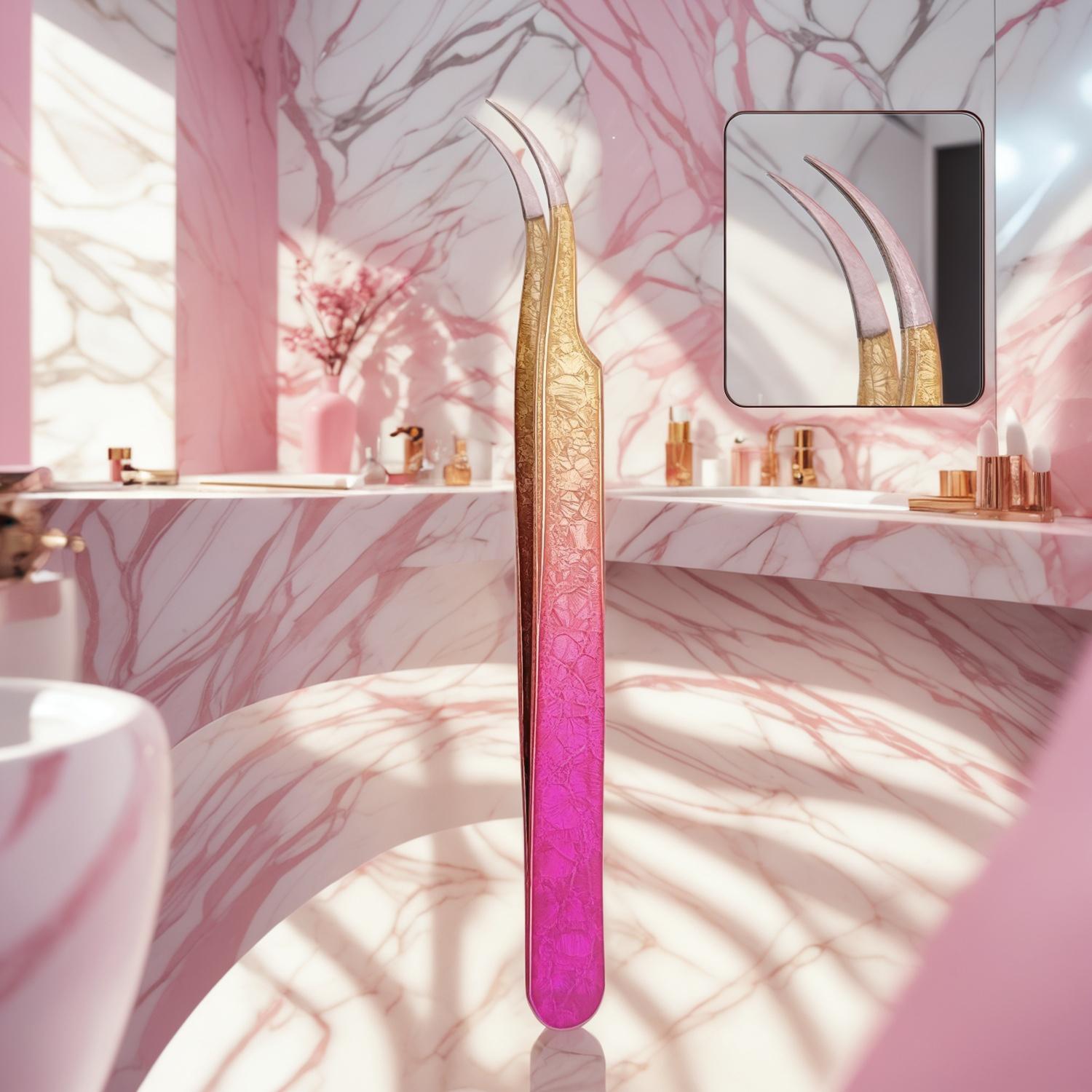
Olimor Beauty works in the beauty tools category and offers factory-direct support for buyers comparing tweezers for brow shaping, lash work, grooming kits and retail beauty assortments. Olimor tweezer examples referenced in this category include stainless steel designs with gold-to-pink gradient finishes, curved or dual curved precision tips, textured grip areas and retail-friendly visual appeal. These features are useful sourcing references, but buyers should always judge samples by function first and appearance second.
This guide explains how to evaluate factory direct tweezers, compare suppliers, prepare an import inquiry and ask practical pre-purchase questions without relying on vague claims or catalog photos alone.
What Factory Direct Tweezers Sourcing Should Mean
Factory direct sourcing means the buyer communicates closer to the production source rather than depending only on multiple resale layers. For tweezers, that matters because performance depends on details that are difficult to confirm from a photo: tip geometry, closing contact, edge finishing, surface treatment, grip feel and packaging protection.
A good factory direct conversation should cover how the tool will be used, what tip style is required, what finish is expected, how samples will be reviewed and what inspection points should be checked before shipment. It does not automatically guarantee quality, but it gives professional buyers a better chance to define quality before production begins.
The strongest reason to source factory direct is not simply “cheap tweezers.” Low-cost tweezers with uneven tips, rough edges, weak tension, scratched coating or poor packaging can create returns, negative reviews and slow-moving inventory. A more useful sourcing goal is stable repeatability: the approved sample and later wholesale goods should feel and look as close as possible within agreed requirements.
If you are planning a broader beauty tool line, you can review Olimor beauty tool products to see how tweezers may fit beside related grooming tools and retail assortments.
Define the Use Case Before Comparing Prices
Before requesting samples, decide who will use the tweezers and how the product will be sold. The same curved stainless steel tweezer may be positioned differently for brow grooming, lash placement, salon resale, online beauty bundles, craft handling or a general grooming kit. The sourcing brief should match the main use case rather than trying to satisfy every possible buyer.
Brow Grooming and Facial Hair Removal
For brow shaping and detailed hair removal, the most important factors are clean tip contact, controlled grip tension and comfortable hand feel. Users need the tips to grasp fine, short or angled hairs without slipping. A curved precision tip can support careful work near the brow line when it is properly aligned and smoothly finished.
Lash and Beauty Studio Use
Lash-related buyers often focus on tip control, visibility and smooth closing action. A curved or tapered tip may help with delicate placement, but the edge finish must be suitable for use around sensitive facial areas. Buyers serving studios should test several pieces because repeated hand use makes tension and comfort more important.
Retail and Gift-Ready Beauty Tools
Retail buyers often need a balance of function and presentation. A gold-to-pink gradient finish or metallic decorative surface can help a tweezer stand out online or on shelf, but visual appeal cannot compensate for poor gripping performance. Packaging should protect the tips and show the product clearly for the sales channel.
Distributor and Import Programs
Distributors need repeatable specifications across orders. A product that looks acceptable in one sample but varies widely in bulk can create downstream complaints. Import buyers should define inspection points, packaging references and product descriptions before comparing supplier quotations.
Key Tweezer Quality Details to Check
The working tip is the heart of the tweezer. A polished body or attractive gradient finish may draw attention, but customer satisfaction depends on whether the tips close predictably and grip cleanly.
- Tip alignment: Close the tweezer slowly and check whether both tips meet evenly without crossing, twisting or leaving a visible gap at the contact point.
- Tip finish: The gripping edges should be precise enough for fine work while avoiding rough burrs or uncomfortable sharpness on areas that touch the hand or skin.
- Grip tension: The tweezer should open and close with controlled pressure. Too much stiffness can cause fatigue; too little tension can feel weak and imprecise.
- Tip shape: Curved, slanted, pointed and other shapes serve different tasks. Choose based on user skill level, grooming need and sales channel.
- Material description: Stainless steel is commonly valued in beauty tools because it supports durability and easier cleaning when properly maintained. Confirm the supplier’s actual product description and care guidance.
- Surface finish: Decorative finishes, including gold-to-pink gradients, should be checked for even color transition, scratches, stains, rough edges and visible handling marks.
- Grip area: A textured grip can help users maintain control, especially during detailed brow or lash work.
- Packaging fit: Fine tips can be damaged during shipping or storage. Sleeves, cards, pouches, boxes or set packaging should hold the tool securely.
When reviewing samples, inspect more than one piece. One good sample does not prove stable wholesale production. Record findings with photos of tip contact, finish details and packaging condition so the approved reference is clear later.
Factory Direct Tweezer Supplier Evaluation Table
Wholesale buyers often receive similar-looking offers from several suppliers. The lowest quoted unit cost may not deliver the best procurement result if the tips are inconsistent or packaging allows damage. Use a structured comparison to evaluate suppliers more fairly.
| Evaluation Area | What to Check | Why It Matters |
|---|---|---|
| Sample performance | Test multiple pieces for tip alignment, gripping action, tension and hand comfort. | Confirms whether the tweezer works for the intended user, not only for a catalog photo. |
| Tip and edge finishing | Inspect under good lighting for burrs, uneven contact, asymmetry or rough side edges. | Small tip defects can cause slipping, poor hair removal or uncomfortable handling. |
| Material and finish description | Confirm stainless steel use, surface texture, gradient or coating details and care instructions. | Accurate descriptions support customer communication, product listings and repeat orders. |
| Packaging protection | Check whether tips are secured and whether the finish is protected from rubbing or scratches. | Fine tips may deform before sale if packaging is not suitable for transport and storage. |
| Inspection approach | Ask how alignment, finish defects, tension and packing condition are reviewed. | Clear inspection expectations reduce the risk of inconsistent wholesale shipments. |
| Communication and documentation | Review sample notes, product photos, packaging references and order specifications. | Written references reduce misunderstandings during production and reorders. |
How to Review an Olimor-Style Gradient Curved Tweezer Sample
A gradient curved tweezer is a good example of the balance buyers should look for. The gold-to-pink finish creates beauty-focused shelf appeal, while stainless steel construction, curved precision tips and a textured grip relate to the tool’s everyday function. The sourcing decision should connect these features to your sales channel.
Start with the tips. Close the tweezer slowly and observe whether the contact point is even. Test on fine fibers or similar materials to see whether the tool grips without excessive pressure. Then open and close the tweezer repeatedly to feel whether the tension is controlled rather than stiff or weak.
Next, evaluate comfort. Hold the tool with dry hands and, if relevant to your use case, with lightly moisturized hands. A textured grip may help reduce slipping, but it should not feel rough or unfinished. Side edges should feel clean against the fingers during repeated use.
Finally, inspect the finish and packaging. A gradient surface should look consistent enough for the target retail presentation. Check whether the tip cover, sleeve, card, pouch or box prevents movement. A beautiful finish can still arrive damaged if the packaging allows rubbing during transport.
Questions to Ask Before a Wholesale Tweezer Order
A reliable tweezers supplier should be able to discuss product details in practical terms. Buyers do not need every machine setting, but they should understand how the supplier controls the features that affect customer experience.
- What tip shapes are available? Confirm whether curved, slanted, pointed or other shapes match brow, lash, grooming or retail needs.
- How is tip alignment checked? Ask how the supplier reviews closing contact, gaps, crossing and visible asymmetry.
- What finishes are available? Clarify whether the requested finish is standard, adjustable or a custom development.
- Can samples match the intended finish and packaging? A plain sample may not reveal issues with a coated, gradient or retail-packed version.
- What packaging options protect the tips? Discuss protective sleeves, retail cards, pouches, boxes or set packaging depending on channel.
- What customization is realistic? Ask which elements can be adjusted, such as color direction, packaging format or branding presentation, without assuming every change is possible.
- How are approved samples documented? Keep photos, written specifications and packaging references for later comparison.
For current product options or sourcing steps, buyers can contact Olimor with the intended market, use case and packaging direction.
Importing Tweezers from China: Practical Preparation
Importing tweezers from China can be efficient for beauty brands and distributors, but preparation matters. Before comparing quotations, define the product clearly. Include the primary use case, tip style, surface finish, packaging format, labeling needs and inspection priorities.
For a retail beauty channel, finish consistency and display-ready packaging may be central. For salon or professional resale, hand comfort, grip control and repeat performance may matter more. For e-commerce, product descriptions and photos should accurately reflect the material, finish and intended use to reduce customer disappointment.
Buyers should also consider applicable market requirements. Public rules can vary by destination and product positioning. For example, buyers selling consumer products may need to consider guidance from bodies such as the U.S. Consumer Product Safety Commission, while companies building supplier quality systems may reference ISO 9001 as a quality management framework. Always verify the applicable version, local requirements and supplier documentation with qualified compliance support. Do not assume a supplier holds a certification unless valid documents are provided and verified.
Packaging, Branding and Private Label Considerations
Packaging is both a protection decision and a sales decision. Tweezers have fine working tips that can bend, scratch or lose alignment if they shift during handling. A simple protective sleeve may work for some wholesale or refill programs, while retail buyers may need carded packaging, pouches, boxes or set formats.
Private-label buyers should separate performance requirements from branding preferences. Tip alignment, tension, edge finish and protective packing are non-negotiable performance points. Color, display style and outer packaging can often be adjusted according to the sales channel and budget, but they should not compromise the tool’s function.
When planning a full assortment, compare tweezers with related grooming tools so the finish, packaging and customer positioning feel consistent. Olimor product collections can help buyers organize assortment direction before requesting detailed sourcing information.
Cost Factors in Factory Direct Tweezer Sourcing
Factory direct sourcing can support better value, but cost should be evaluated through total commercial outcome rather than unit price alone. A low quote may become expensive if the order produces returns, poor reviews, repacking work or delayed launches.
Common cost factors include material selection, tip shape complexity, polishing and grinding requirements, decorative finish, packaging structure, branding needs, sample development, inspection expectations and order documentation. A gradient finish or customized packaging may require more coordination than a plain tool. A curved precision tip may require more careful sample approval than a basic promotional tweezer.
The practical approach is to define the required quality level first, then compare quotations against the same specification. If two suppliers quote different prices but are offering different finish standards, packaging protection or inspection practices, the prices are not truly comparable.
Pre-Order Checklist for Beauty Buyers
- Define the target user and primary sales channel.
- Choose the intended tip style and functional use case.
- Request samples in the finish and packaging closest to the final order.
- Test multiple samples for tip alignment, grip, tension and comfort.
- Inspect surface finish under good lighting for scratches, blotches or uneven color.
- Confirm packaging protects the tips during storage and transport.
- Record approved sample details with photos and written notes.
- Clarify customization, branding, documentation and inspection expectations before ordering.
- Verify any applicable compliance or quality documentation instead of relying on verbal claims.
Why Work With Olimor for Factory Direct Tweezers
Olimor Beauty supports beauty tool buyers who need practical factory direct sourcing discussions around tweezers, grooming tools and related retail assortments. The useful starting point is not a generic request for the cheapest option, but a clear brief: who will use the tweezer, what tip behavior is required, what finish and packaging are needed, and how samples should be judged.
Buyers can explore available beauty tool directions, compare product categories and then send a focused inquiry. For quotation support, sample discussion or customization questions, submit details through the Olimor wholesale inquiry page. Include your intended market, application, packaging preference and any private-label requirements so the response can be more specific.
FAQ
Can I request samples before placing a wholesale tweezer order?
Yes, professional buyers should review samples whenever possible. Samples help you check tip alignment, grip tension, finish consistency, hand comfort and packaging protection before committing to a larger order.
Does Olimor offer customization for tweezers?
Customization may be discussed based on the product, finish, packaging and branding requirements. Buyers should share the intended use case and sales channel so Olimor can confirm what is realistic for the selected tweezer style.
What MOQ or lead time should I expect?
MOQ and lead time depend on the product type, customization level, packaging choice and production schedule. Buyers should confirm current details directly during the inquiry stage rather than relying on assumptions.
What quality checks are important for tweezers?
The most important checks are tip alignment, smooth edge finishing, controlled tension, surface finish consistency and packaging protection. For wholesale orders, approved sample notes and inspection references should be agreed before production.
How should I compare factory direct tweezer suppliers?
Compare suppliers by sample consistency, communication, material and finish clarity, packaging protection, inspection approach and reorder reliability. Price matters, but it should be compared only after the product specification is clear.
Tag: