

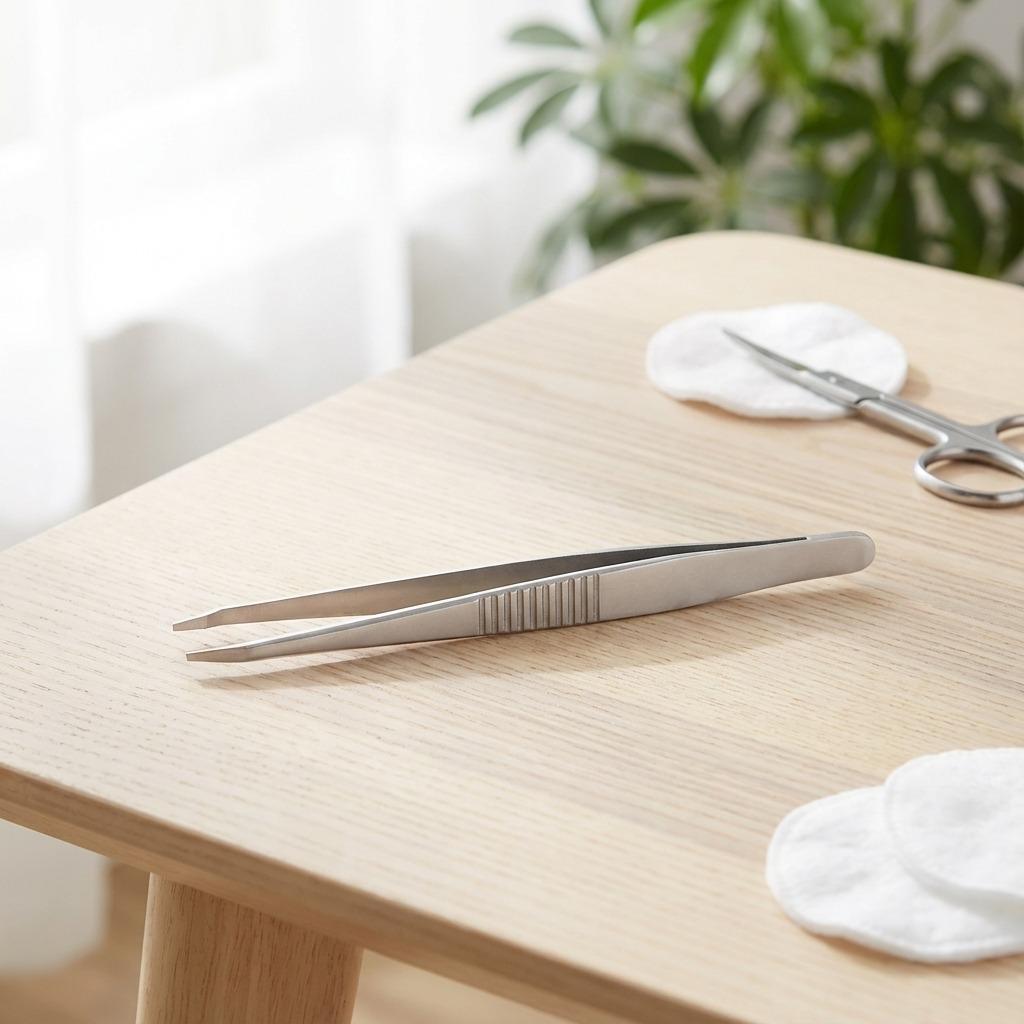
Factory Direct Tweezers: Practical Buying Guide for Precision Beauty Tools
Factory direct tweezers are a small product category with a large impact on customer satisfaction. A pair of tweezers may look simple, but buyers quickly notice differences in tip alignment, spring tension, grip comfort, finish quality, and long-term durability. For beauty retailers, salons, brow studios, distributors, and private label buyers, choosing the right tweezers supplier is not only about unit cost. It is about whether the tool can remove fine hairs cleanly, feel controlled in the hand, resist corrosion, and arrive consistently across repeat orders.
Olimor Beauty focuses on beauty tools for buyers who need dependable sourcing rather than vague claims. When evaluating factory direct tweezers, the goal is to understand what can be checked before ordering, what should be confirmed during sampling, and what quality signals matter for professional or retail use. This guide explains how to assess tweezers made from corrosion-resistant stainless steel, why slanted hand-filed tips matter, how textured grips improve handling, and how to build a more reliable sourcing process for wholesale or bulk purchases.
Why Factory Direct Sourcing Matters for Tweezers
A factory direct approach can simplify communication and reduce uncertainty. Instead of passing requests through multiple intermediaries, buyers can focus on the actual product requirements: shape, finish, tip quality, packaging, inspection standards, and order consistency. For tweezers, these details are especially important because the end user immediately feels whether the tool is precise or poorly finished.
Factory direct sourcing is also useful when buyers want to compare products by real performance rather than by catalog photos alone. A low-quality tweezer may have a shiny appearance but fail at the tip, where accuracy matters most. If the tips do not meet evenly, the tweezer can slide off hair instead of gripping it. If the edge is too sharp or poorly finished, it can pinch skin. If the tension is too stiff, repeated use becomes uncomfortable. These problems are hard to identify from a listing, but they are easy to test in samples.
For buyers building a product line, sourcing directly also helps maintain consistency. A salon that uses the same tweezer every day wants a predictable hand feel. A retailer wants customers to receive the same quality from batch to batch. A distributor wants fewer returns and fewer complaints. Visiting beauty tool products is a useful starting point for understanding available categories before narrowing down tweezers specifications.
Key Product Features to Evaluate Before Buying
The best tweezer for one channel is not always the best for another. A professional brow artist may prioritize tip accuracy and fatigue reduction, while a retail buyer may also care about packaging, finish appearance, and ease of merchandising. Still, several product features should be reviewed for any factory direct tweezers purchase.
- Material: Corrosion-resistant stainless steel is important because tweezers are often used near water, skincare products, disinfecting routines, and humid bathroom environments.
- Tip type: Slanted tips are widely used for eyebrow shaping because they provide visibility and controlled contact with hair. Hand-filed slanted tips can support more accurate gripping when finished correctly.
- Tip alignment: The two tips should meet evenly without visible gaps. Misalignment is one of the most common causes of poor hair removal performance.
- Grip surface: A textured grip can improve control, especially when hands are damp or when the tool is used for repeated grooming tasks.
- Spring tension: The tweezer should open and close smoothly. Too much resistance causes hand fatigue; too little can reduce control.
- Edge comfort: Tips should grip hair without feeling rough, jagged, or unsafe against the skin.
- Surface finish: The finish should be clean and consistent, with no burrs, stains, or rough areas that affect handling or appearance.
These criteria are more useful than relying only on broad descriptions such as premium or professional. A buyer should be able to handle the sample, test fine hair removal, inspect the tips under good lighting, and compare several units for consistency.
How Slanted Hand-Filed Tips Affect Precision
The tip is the working part of any tweezer. Slanted hand-filed tips are valued because the angled edge makes it easier to approach short or fine hairs while keeping visibility around the brow line. For eyebrow shaping, this matters. Users need to isolate one hair without grabbing surrounding hairs or pinching skin. A clean slant can also help with different hand positions, whether the user is working on personal grooming or performing a brow service for a client.
Hand-filed tips should not be judged only by the phrase itself. The real question is whether the final tip geometry is consistent. A good sample should close cleanly from one side of the slant to the other. The point should not be bent, rounded unevenly, or sharpened so aggressively that it feels harsh. Buyers can test this by plucking very fine hairs, checking whether the tweezer grips at the first attempt, and confirming that the hair does not slip when light pressure is applied.
For retail assortments, slanted tweezers are often a versatile choice because they are familiar to consumers and suitable for common grooming tasks. For salon or brow service use, buyers may want to compare several samples to find the most comfortable tension and balance. The right tool should feel controlled, not fragile or overly stiff.
Stainless Steel, Corrosion Resistance, and Daily Use
Stainless steel construction is a practical choice for beauty tweezers because the tool is handled frequently and may be exposed to moisture, cosmetics, cleansers, or sanitizing practices. Corrosion resistance helps protect both appearance and function. If the surface degrades, the tool can become harder to clean, less attractive for retail customers, and less pleasant for professional use.
However, buyers should treat material claims as the beginning of evaluation, not the end. The tweezer should still be checked for finish quality, edge smoothness, and resistance to visible discoloration during normal handling. A corrosion-resistant stainless steel tweezer should feel solid without being unnecessarily heavy. It should close evenly and return to shape after repeated use.
Maintenance also affects product life. End users should keep tweezers clean and dry, avoid dropping them on the tips, and store them with tip protection when possible. For salons, tools should be cleaned according to the hygiene practices required for the service environment. For retail brands, simple care instructions can reduce avoidable complaints and help customers understand how to protect precision tips.
Quality Control Questions for Wholesale Buyers
Quality control is especially important for tweezers because small defects can make the product unusable. Olimor Beauty emphasizes internal quality control from raw materials to final packaging, which aligns with the way buyers should think about the category: each stage can affect the final experience. Before placing a larger order, buyers should create a checklist that is specific enough to be inspected.
| Inspection Area | What to Check | Why It Matters |
|---|---|---|
| Raw material and finish | Clean stainless steel surface, no visible stains, burrs, or rough edges | Supports durability, appearance, and user comfort |
| Tip alignment | Tips meet evenly along the slanted edge | Determines whether fine hairs can be gripped accurately |
| Grip and tension | Textured area feels secure; opening and closing resistance is comfortable | Reduces slipping and hand fatigue during use |
| Function test | Sample units remove fine hairs without sliding or cutting poorly | Confirms real performance beyond visual inspection |
| Packaging | Units are protected, clean, and suitable for the sales channel | Helps prevent tip damage and improves presentation |
This kind of checklist helps buyers compare samples fairly. It also reduces the risk of accepting a product that looks acceptable in bulk photos but fails in everyday use. For buyers planning repeat orders, documenting approved samples and inspection points is one of the most effective ways to maintain consistency.
Choosing Tweezers for Retail, Salon, and Bulk Programs
Different sales channels require different sourcing priorities. A salon may buy fewer units but use each one intensively. A retailer may require stronger packaging presentation and a finish that fits customer expectations. A distributor may need a balanced product that works across many accounts. The following selection approach can help define the right purchase.
- Define the main user: Decide whether the tweezers are for professional brow work, general personal grooming, travel kits, or retail beauty displays.
- Confirm the preferred tip style: For many eyebrow and facial grooming applications, a slanted tip is practical and familiar.
- Test multiple samples: Compare alignment, grip, closing tension, and performance on fine hairs.
- Review packaging needs: Bulk salon supply, retail display, and gift-ready packaging may require different decisions.
- Set an inspection checklist: Include material appearance, tip closure, finish quality, grip texture, and packaging protection.
- Plan reorder consistency: Keep records of the approved sample and agreed quality points for future production.
Buyers comparing categories can also explore Olimor product collections to consider whether tweezers should be sourced alone or as part of a wider beauty tool range.
Importing Tweezers from China with a Clear Specification
Many buyers consider importing tweezers from China because the supply chain for beauty tools is well developed. The advantage is strongest when the buyer provides a clear specification rather than asking only for the cheapest available option. Tweezers are detail-sensitive products, so vague requirements can lead to inconsistent samples and disappointing bulk orders.
A practical specification should describe the material expectation, tip shape, finish, grip preference, packaging format, and inspection priorities. If branding or private label packaging is planned, artwork, placement, and packaging protection should be reviewed carefully. If the tweezers are intended for professional use, buyers should spend more time testing tension and tip accuracy because these affect daily handling.
It is also wise to compare the total sourcing experience, not just the product sample. Communication clarity, sample consistency, packaging care, and willingness to work from documented requirements all matter. A factory direct supplier should help buyers make decisions based on measurable product details.
Care and Handling Tips That Improve Customer Satisfaction
Even a well-made tweezer can lose precision if it is handled poorly. Tip protection is important because a drop onto a hard surface can bend the ends out of alignment. Retailers and salons can reduce complaints by sharing simple care guidance with customers or staff.
- Wipe tweezers clean after use and dry them before storage.
- Avoid using precision eyebrow tweezers as general household tools.
- Store tweezers with a cap or in protective packaging when possible.
- Do not drop the tool, especially on the tip end.
- Check alignment regularly if the tweezers are used in a professional setting.
These steps are simple, but they protect the most important part of the tool. For wholesale buyers, including care instructions in packaging can support a better customer experience without changing the product itself.
Build a Better Tweezers Sourcing Plan with Olimor Beauty
Factory direct tweezers should be evaluated with the same discipline as larger beauty tools. The product is compact, but the details are exacting. Corrosion-resistant stainless steel, slanted hand-filed tips, textured grip, and internal quality control are meaningful only when they result in a tweezer that grips accurately, feels comfortable, and remains consistent across orders.
For buyers developing a retail line, stocking a salon, or planning wholesale supply, the most reliable approach is to begin with clear use cases, request samples that match those needs, and inspect the features that affect real performance. If you are comparing tweezers or building a broader beauty tool program, you can contact Olimor to discuss product direction, or send an inquiry with your sourcing requirements.
Tag: