

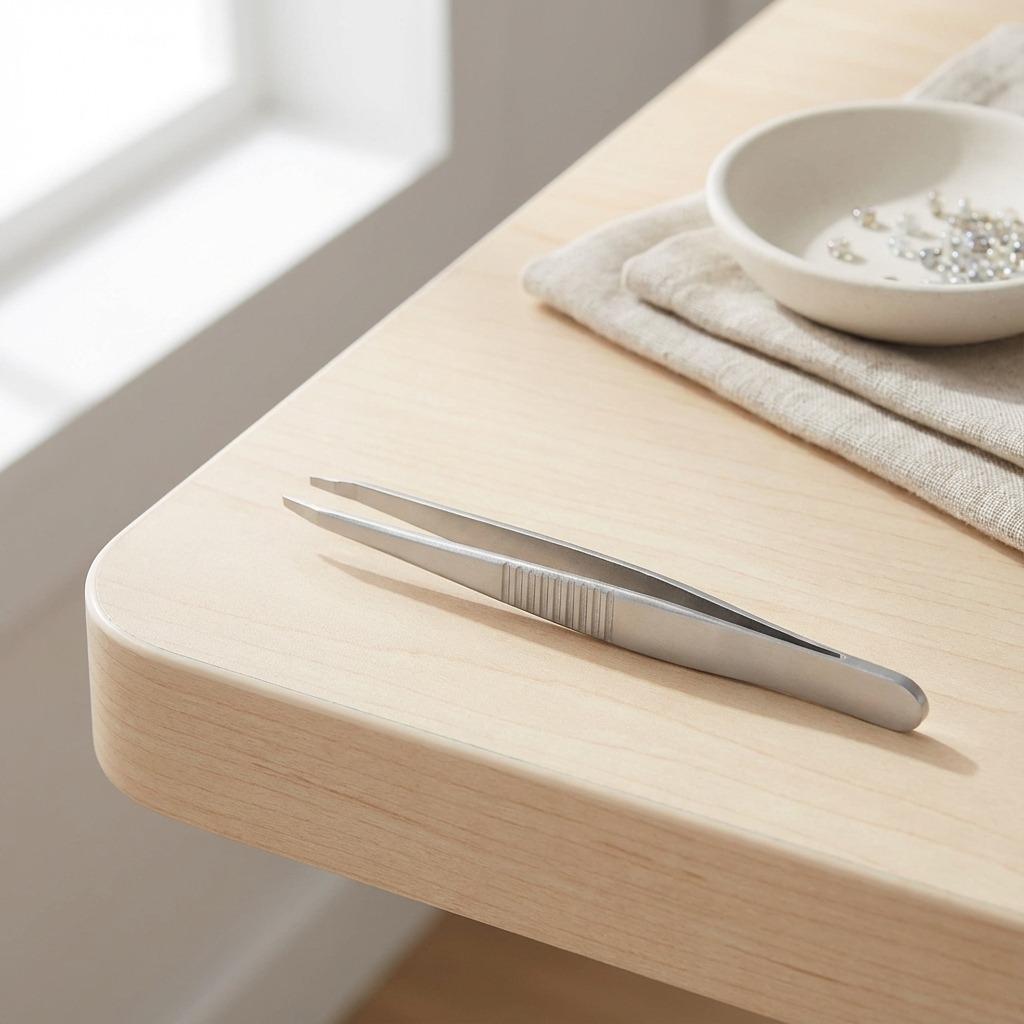
Factory Direct Tweezers: A Practical Quality Guide for Beauty Buyers
Factory direct tweezers can be a smart sourcing choice for salons, beauty retailers, distributors, and private-label buyers who need consistent grooming tools in repeatable quality. A tweezer may look simple, but its performance depends on small details: the way the tips meet, the tension in the arms, the surface finish, the grip area, and the inspection process before packaging. When those details are controlled well, the tool feels precise, holds fine hairs cleanly, and remains comfortable during daily use.
Olimor Beauty focuses on beauty tools for professional and retail buyers, including stainless steel tweezers designed for common grooming uses such as eyebrow shaping and careful removal of small debris like splinters. For buyers comparing factory direct options, the goal is not only to find a lower purchasing layer, but to confirm whether the tool is reliable enough for repeat orders, customer satisfaction, and brand reputation.
What “Factory Direct” Should Mean When Buying Tweezers
Factory direct sourcing is often associated with fewer intermediaries, clearer product communication, and better control over production feedback. For tweezers, this matters because performance cannot be judged by appearance alone. Two tweezers with similar shapes may behave very differently if one has uneven tips, weak tension, rough edges, or a slippery finish.
A practical factory direct conversation should cover how the tweezers are made, what is checked before shipment, and how consistency is managed across a batch. The original product description highlights Olimor Beauty’s attention to quality checks from raw materials to packaging. That type of process is important because defects can enter at multiple stages: material selection, cutting, shaping, polishing, alignment, surface finishing, and final packing.
Buyers should also clarify the commercial purpose of the tool. A salon buyer may prioritize hand comfort and reliable grip after repeated disinfection. A retailer may need clean packaging and consistent finish across display units. A distributor may care most about stable repeat supply and predictable quality. Factory direct sourcing works best when the product requirement is precise before production begins.
Key Quality Factors That Affect Tweezer Performance
The best way to evaluate tweezers is to move beyond broad claims and inspect the details that influence daily use. Stainless steel construction is a useful starting point because it supports durability and helps resist rust and corrosion, but material alone does not guarantee precision. Tip finishing, arm tension, and surface control are equally important.
- Tip alignment: The two tips should meet evenly without visible gaps. Misalignment can cause hair to slip or break instead of being removed cleanly.
- Tip edge condition: Edges should be precise but not harsh against the skin. The supplied article notes gently rounded edges, which can help reduce discomfort around sensitive areas.
- Grip and finish: A polished finish can look clean and professional, while a textured or non-slip grip area helps maintain control during detailed work.
- Arm tension: Tweezers should close smoothly with enough resistance for control, but not so much that the hand tires quickly.
- Surface quality: Check for burrs, scratches, uneven polishing, or rough points that could affect comfort or perceived value.
- Packaging consistency: For wholesale buyers, packaging should protect the tips and keep units presentable during storage and shipping.
For eyebrow shaping, aligned tips are especially important because users often need to catch short or fine hairs close to the skin. For splinter removal, the tip must close accurately and hold a small object without sliding. These practical uses make quality inspection essential rather than optional.
How to Inspect a Tweezer Sample Before Ordering in Bulk
Before placing a wholesale or import order, examine samples under normal working conditions. A simple desk review is not enough. Test the tweezers with fine hair, short hair, and a thin thread or paper fiber to understand how the tips close and hold. If the tool is intended for beauty professionals, have someone use it during a real eyebrow grooming session and record feedback on comfort, grip, and accuracy.
- Check the tips visually. Hold the tweezer against a light background and close it slowly. The contact line should be even.
- Test grip on fine material. Use a fine hair or similar thin fiber. A well-aligned tweezer should catch it without repeated attempts.
- Feel the tension. Open and close the tool several times. The movement should be smooth, without wobbling or stiffness.
- Inspect skin-facing areas. Run a fingertip carefully along the edges. There should be no sharp burrs or uncomfortable roughness.
- Review finish consistency. Compare several samples side by side for color, polish, grip texture, and overall symmetry.
- Check packaging protection. The tips should be protected so they do not bend or dull in transit.
This type of inspection helps buyers separate attractive product photos from dependable production quality. It also creates a shared checklist for future orders, reducing the chance of misunderstanding between buyer and manufacturer.
Wholesale and Import Considerations for Beauty Tool Buyers
The wholesale tweezers market includes many styles and quality levels, so buyers importing tweezers from China or sourcing for resale should define expectations early. Price is only one part of the decision. A very low unit cost can become expensive if returns, complaints, inconsistent finish, or damaged tips appear later.
For wholesale planning, consider the customer segment first. A budget retail channel may need a dependable everyday tweezer with simple packaging. A salon or brow specialist channel may require better grip control and more consistent tip performance. A gift or beauty kit buyer may place additional value on surface finish, packaging appearance, and how the tweezer pairs with other tools.
Olimor Beauty’s factory direct positioning can be useful for buyers who want to communicate clearly about quality expectations and repeat orders. To compare tweezers with other beauty tool categories, buyers can browse beauty tool products or review broader product collections to plan coordinated sourcing. If a buyer is preparing specifications, artwork, or sampling questions, it is also practical to send an inquiry with a concise checklist.
Buyer Checklist for Factory Direct Tweezer Sourcing
A structured checklist helps keep the purchasing process objective. The following table summarizes the most important areas to confirm before moving from sample approval to bulk order.
| Evaluation Area | What to Check | Why It Matters |
|---|---|---|
| Material | Stainless steel construction and finish quality | Supports durability, clean appearance, and resistance to rust and corrosion |
| Tip Alignment | Even closure with no visible gap at the working edge | Determines whether fine hairs can be gripped accurately |
| Grip Design | Polished or textured surface with secure hand control | Improves handling during detailed grooming tasks |
| Edge Comfort | No burrs, harsh corners, or rough skin-contact areas | Reduces discomfort around brows and sensitive skin |
| Batch Consistency | Several samples match in finish, tension, and alignment | Indicates whether quality can be repeated in wholesale quantities |
| Packaging | Tip protection and clean presentation | Helps prevent damage and supports retail readiness |
For buyers working with internal quality teams, this checklist can be converted into an inspection sheet. It is also useful for comparing samples from multiple suppliers without relying only on catalog descriptions.
Care and Maintenance for Longer Tweezer Service Life
Even a well-made stainless steel tweezer needs proper handling. Poor storage or rough cleaning can damage the tips, and once the tips are bent or misaligned, performance drops quickly. For salons and resellers, simple care guidance can reduce complaints and help end users get better results.
- Clean the working tips after use to remove oil, cosmetic residue, or skin debris.
- Dry the tweezer before storage, especially after washing or disinfection.
- Use a protective cap or sleeve when available so the tips do not hit other tools.
- Do not drop the tweezer on hard surfaces; tip impact can affect alignment.
- Avoid using precision eyebrow tweezers for heavy pulling, prying, or non-beauty tasks.
Retailers can include short care instructions on packaging or product pages. Professional users can train staff to store tweezers separately from heavier metal implements. These small habits help preserve alignment and keep the tool useful for longer.
Choosing the Right Factory Direct Partner
When selecting a tweezers supplier, look for evidence of process control rather than relying on broad promises. A suitable partner should be able to discuss the intended use of the tweezer, provide samples for practical testing, explain how quality is checked, and maintain consistent communication during order planning. The original product description emphasizes Olimor Beauty’s quality assurance approach and factory direct sourcing, both of which are relevant for buyers who need repeatable beauty tools rather than one-time purchases.
It is also important to keep specifications realistic. If exact material grades, coating requirements, packaging structure, labeling, or market compliance needs are essential, they should be confirmed in the buying documentation. Clear expectations help both sides avoid assumptions and make it easier to inspect finished goods fairly.
For salons, beauty retailers, and distributors comparing factory direct tweezers, the strongest choice is usually the one that performs consistently in hand, not merely the one with the lowest quote. Review tip alignment, grip comfort, stainless steel finish, packaging protection, and batch consistency before committing to volume. To discuss sourcing requirements or request product guidance, buyers can contact Olimor with their target market, preferred tweezer style, and inspection priorities.
Tag: