

Tweezers Exporter vs Manufacturer: How to Source Quality Beauty Tweezers
For beauty brands, salon suppliers and private-label buyers, tweezers look simple at first glance. In practice, they are precision tools. A small difference in tip alignment, tension, edge finishing or coating quality can decide whether a tweezer grips fine brow hair cleanly or slips, scratches and disappoints the user. That is why the choice between a tweezers exporter and a tweezers manufacturer matters.
This guide explains how to compare sourcing channels, what to check when reviewing OEM/ODM tweezers services, and how to evaluate the cheapest wholesale tweezers without allowing low price to hide avoidable quality risks. It is written for buyers who need practical selection criteria for beauty retail, salons, promotional lines or private-label programs.
Exporter and Manufacturer: What Is the Real Difference?
A tweezers exporter is usually focused on international trade. Exporters may source from several factories, consolidate product options, arrange documentation, and help overseas buyers access a wider range of styles. This can be useful when a buyer wants a mixed order, quick category comparison or help navigating cross-border purchasing.
A tweezers manufacturer is closer to the production process. A manufacturer is involved in making, finishing or controlling the products more directly, which can help buyers discuss technical details such as tip shape, surface finish, tension, color treatment and packaging requirements. For a precision beauty item, this closer control is often important because the quality is not only visible on the outside; it is felt in the grip and performance.
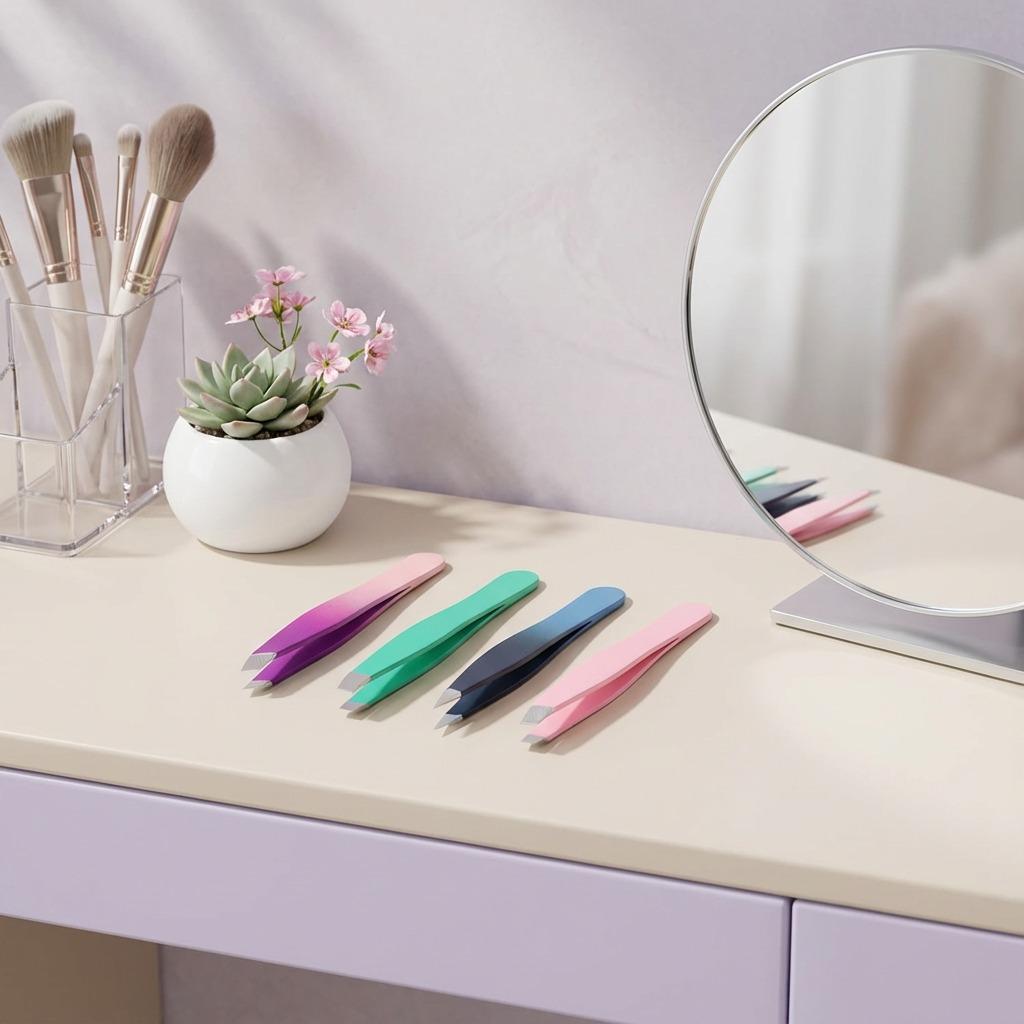
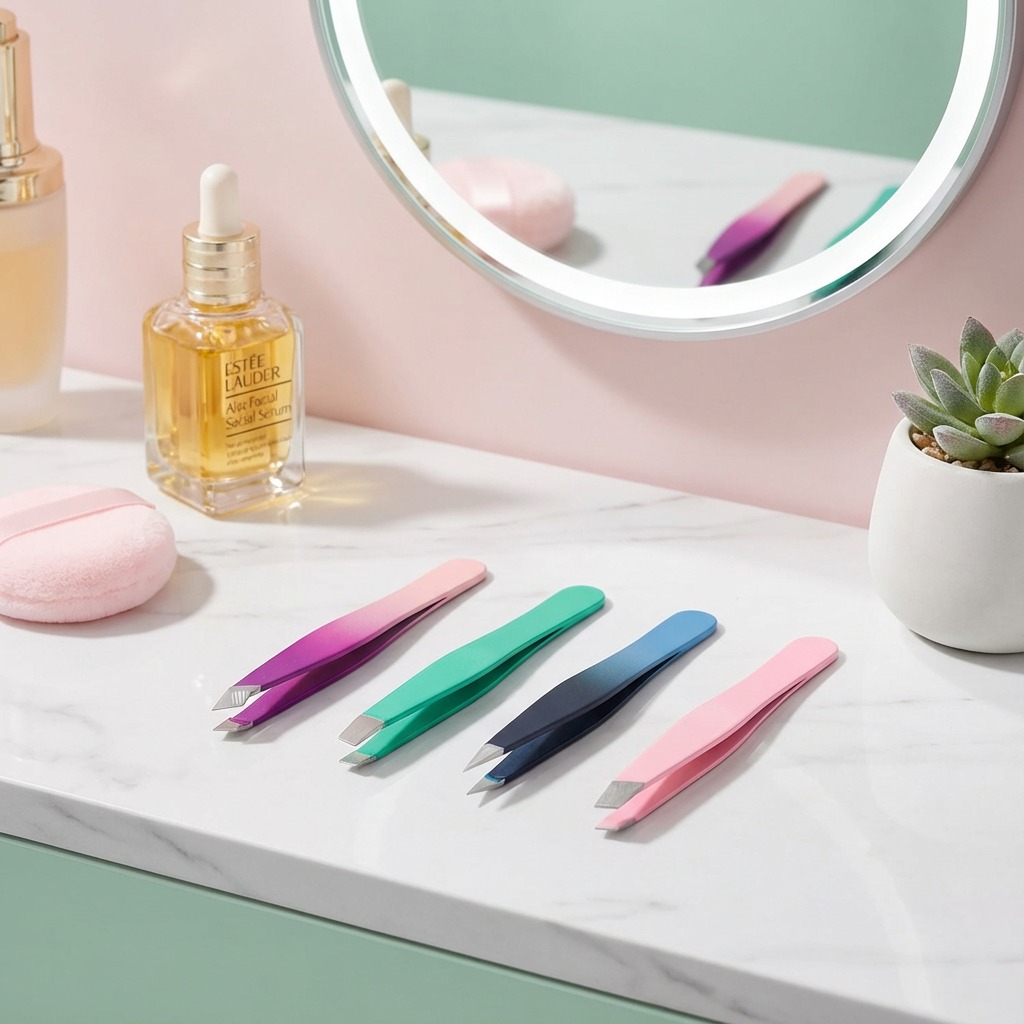
The original product angle for this page focuses on gradient tweezers, including styles such as the Deluxe Gradient Tweezer Collection, Pink-Purple Gradient Slant Tweezer, Mint Green Gradient Flat Tweezer, Blue-Black Gradient Precision Point Tweezer and Pink Gradient Angled Tweezer. These examples show why sourcing decisions should include both appearance and function. A gradient finish can make a tweezer more attractive at retail, but it must be paired with reliable alignment and comfortable handling.
When an Exporter Can Be the Right Fit
Exporters are not automatically a lower-quality choice. In some cases, they are practical. If your team is testing a category for the first time, an exporter may help you compare different tweezer shapes, finishes and packaging styles before committing to a larger private-label direction. Exporters can also be useful for distributors who need varied products rather than a deeply customized line.
However, buyers should understand what the exporter can and cannot control. If the exporter is sourcing from multiple producers, quality may vary from one batch to another unless the inspection standard is clearly defined. For a beauty tweezer, small variations can become customer complaints. A slant tip that is slightly uneven may fail to grip short hairs. A precision point that is too thick may not suit fine work. A coating that looks good in photos may wear poorly if finishing control is weak.
Before choosing an exporter, review whether they can provide consistent specifications, pre-shipment inspection details, product samples that match bulk goods, and clear communication when changes are needed. If you need help browsing general categories, you can start with Olimor Beauty’s beauty tool products to compare product types and plan your sourcing questions.
When a Manufacturer Offers Better Control
A manufacturer is often the better route when your brand has defined expectations for performance, finish and packaging. This is especially true for eyebrow tweezers, angled tweezers, flat tweezers and precision point tweezers because each shape is designed for a different use case. Buyers sourcing for professional brow services may care most about hair-gripping accuracy and tension. Retail buyers may need a balance of color appeal, durability and safe packaging. Promotional buyers may prioritize cost but still need an item that works well enough to protect their brand reputation.
Working closer to manufacturing can also make product development conversations more specific. Instead of only asking for “good tweezers,” you can discuss functional requirements: how tightly the tips meet, whether the edges feel smooth, whether the handle has comfortable spring tension, and whether the finish is appropriate for regular cosmetic use. This helps reduce misunderstandings before bulk production.
For the gradient tweezer styles mentioned in the supplied product text, the finish is part of the selling point. A buyer should confirm that the visual effect is consistent, that the color transition looks clean, and that the finish does not interfere with the tool’s grip area or edge quality. Beauty tools need shelf appeal, but they also need repeatable performance after the first use.
OEM/ODM Tweezers: What Buyers Should Clarify Early
OEM and ODM are useful terms, but they are often used loosely. OEM usually means the product is made according to the buyer’s specifications or branding requirements. ODM usually means the supplier already has design capability or existing designs that can be adapted for the buyer. In tweezers sourcing, either path can work, but the buyer should clarify what is actually customizable.
Use this checklist before approving an OEM/ODM tweezer project:
- Tip shape: Slant, flat, angled and precision point tips serve different grooming or removal tasks. Select by user need, not only appearance.
- Tip alignment: The tips should meet evenly without gaps that cause slipping. Check multiple samples, not just one presentation piece.
- Tension: The tweezer should open and close smoothly without feeling too loose or too stiff for repeated use.
- Surface finish: Gradient, colored or polished finishes should be visually consistent and free from rough edges.
- Packaging: Retail cards, sleeves, protective caps or boxes should protect the tip during shipping and handling.
- Branding area: Confirm where a logo can be placed without affecting grip comfort or the appearance of the gradient finish.
- Inspection method: Define how samples and bulk goods will be checked for function, appearance and packaging condition.
For buyers developing a private-label line, the key is to avoid treating OEM/ODM as only a logo-printing exercise. A tweezer is judged by performance. If the tool cannot grip reliably, attractive branding will not protect the product from negative reviews.
Comparing Tweezer Shapes by Use Case
Different tip designs suit different customer expectations. A simple comparison can help buyers choose the right assortment instead of ordering one style for every purpose.
| Tweezer type | Common use | Buyer focus |
|---|---|---|
| Slant tweezer | Eyebrow shaping and general grooming | Even slant edge, clean grip and comfortable tension |
| Flat tweezer | Handling broader or flatter items; some grooming tasks | Parallel tips, smooth edges and stable closing feel |
| Precision point tweezer | Fine work where accuracy is important | Sharp-looking alignment, safe packaging and consistent tip protection |
| Angled tweezer | Targeted hair removal and controlled access | Tip angle, grip security and user comfort |
The Pink-Purple Gradient Slant Tweezer, Mint Green Gradient Flat Tweezer, Blue-Black Gradient Precision Point Tweezer and Pink Gradient Angled Tweezer described in the page context illustrate how a collection can cover different use cases while keeping a coordinated visual direction. When building a retail or wholesale assortment, this type of use-based variety can be more persuasive than offering many colors of the same functional design.
How to Judge the Cheapest Wholesale Tweezers
Low price is not the problem. The problem is low price without a clear quality baseline. Cheapest wholesale tweezers may be acceptable for certain entry-level programs, but buyers need to calculate the full cost of defects, returns, complaints and brand damage. A tweezer that looks inexpensive on the invoice can become expensive if customers cannot use it effectively.
When comparing wholesale quotations, check whether you are comparing the same level of product. Does the lower price include similar finish quality, similar packaging, similar inspection, and similar communication support? Are the tips protected in transit? Is the visual finish consistent enough for retail display? Are you receiving a functional beauty tool or simply a low-cost metal accessory?
A practical approach is to set non-negotiable requirements before discussing price. For example, require clean tip contact, safe edges, acceptable surface appearance, packaging that protects the tool, and samples that represent the intended bulk goods. Once these basics are defined, you can compare pricing more fairly.
Questions to Use Before Placing a Bulk Order
Whether you buy through an exporter or directly from a manufacturer, structured questions help prevent sourcing mistakes. Instead of asking only for the best price, prepare a short technical and commercial review.
- Which tweezer shape is recommended for the intended user: brow grooming, fine precision work, ingrown hair removal or general beauty retail?
- Can the supplier provide samples in the same finish and packaging expected for bulk order review?
- How are tip alignment, tension and surface appearance checked before shipment?
- What packaging options protect the tips and present the product clearly for retail or wholesale handling?
- Which elements can be customized under OEM/ODM: color, logo, package design, assortment or finish?
- How will quality issues be documented and resolved if bulk goods do not match approved samples?
If your project requires a defined sourcing discussion, you can send an inquiry with your target use case, preferred tweezer type and packaging direction. For broader assortment planning, Olimor Beauty’s product collections can help you compare related beauty tool categories.
Choosing the Right Sourcing Path for Your Brand
The best choice depends on your goal. Choose an exporter when you need category access, mixed options and trading support. Choose a manufacturer when you need closer control over product details, customization and repeatable quality. For OEM/ODM tweezers, focus on the details that users feel immediately: alignment, grip, tension, finish and packaging protection.
Gradient tweezers can be attractive products for beauty retail because they combine color appeal with practical daily use. But the finish should never replace function. A successful tweezer program starts with a clear use case, a defined quality checklist and samples that prove the product performs as expected.
For buyers comparing tweezers exporter options, manufacturer partnerships or wholesale beauty tool sourcing, Olimor Beauty can support a more focused conversation around product selection and customization. To discuss a project directly, contact Olimor with your requirements and intended market.
Tag: