

How to Source Precision Tweezers from a Beauty Tool Exporter
Precision tweezers are small beauty tools, but they can strongly affect how customers judge a grooming range. For beauty brands, distributors, salon suppliers and private label buyers, the sourcing question is not simply which tweezers look attractive in a catalog. The better question is whether the tool grips consistently, feels controlled in the hand, protects its tip during shipping and matches the intended retail or professional use.
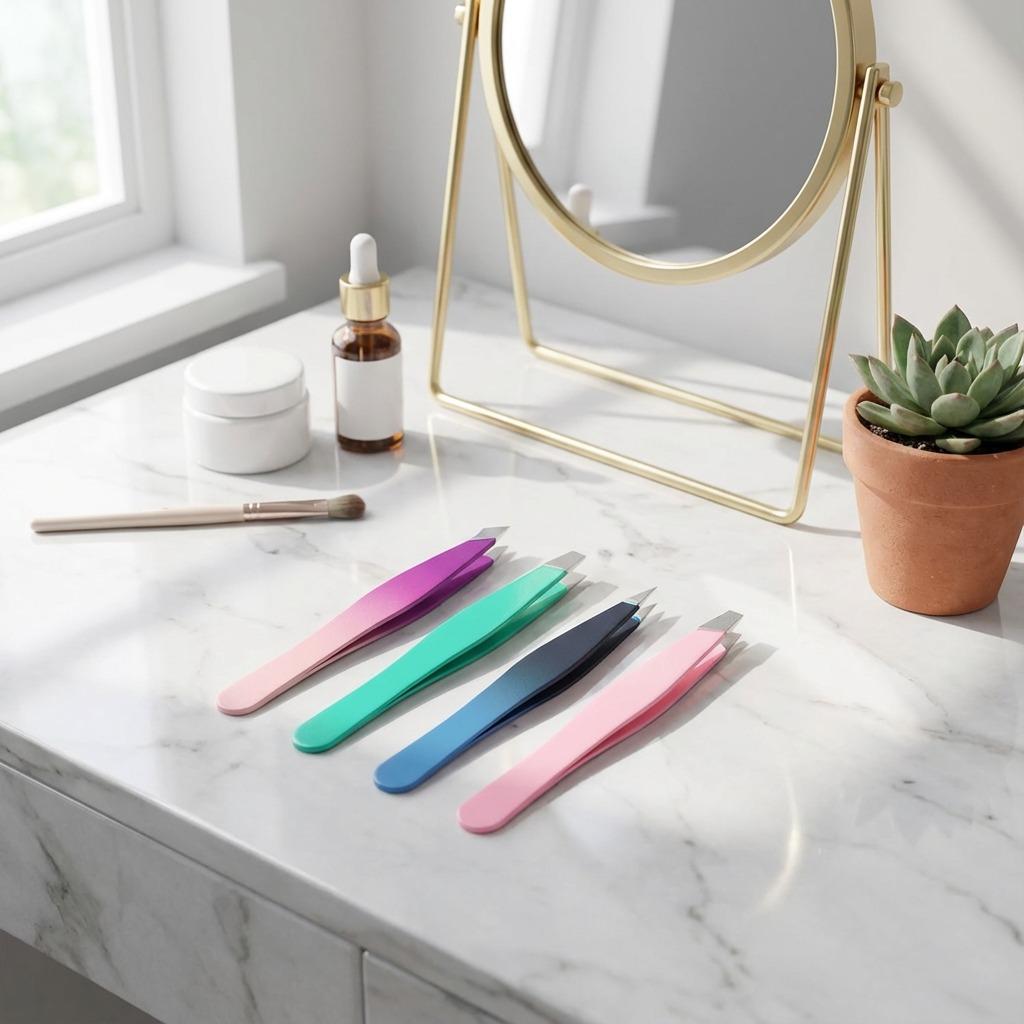
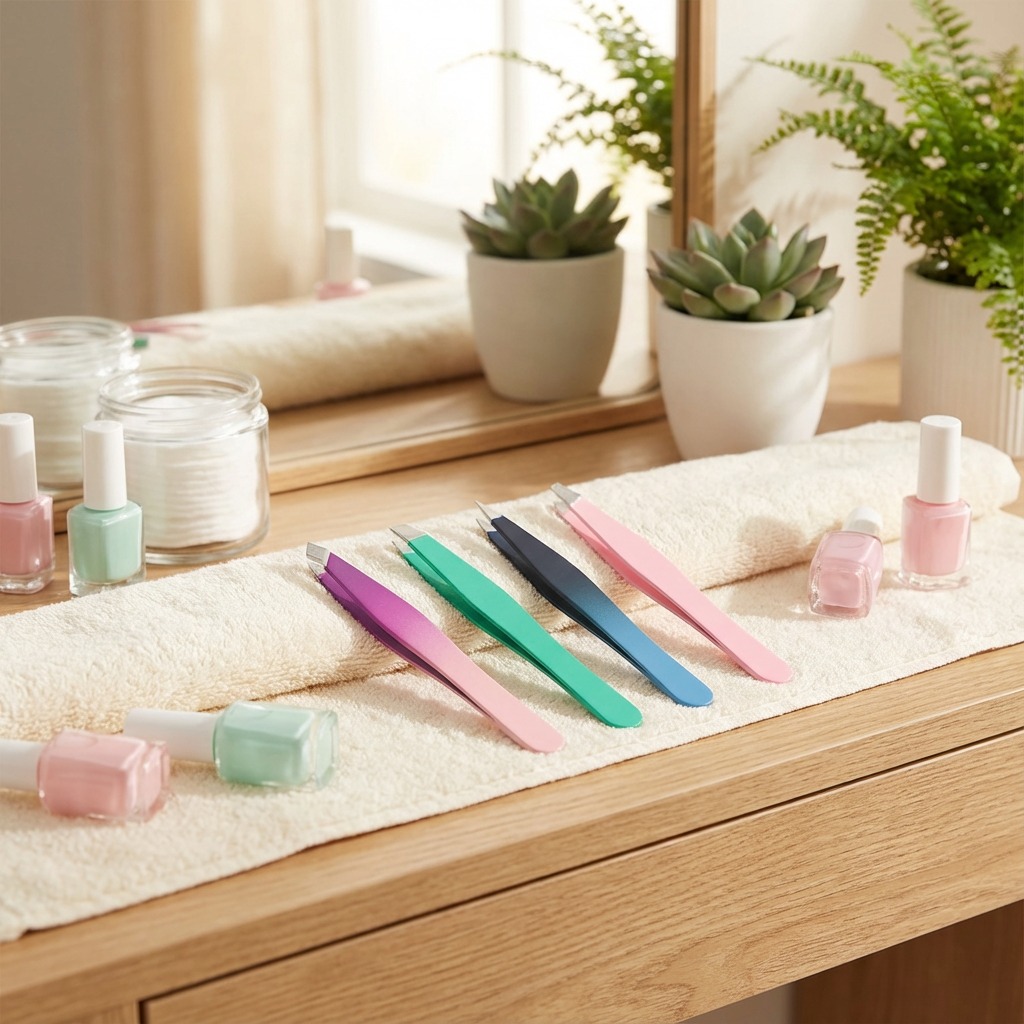
Olimor Beauty supplies beauty tools for buyers who need practical sourcing options, including OEM/ODM tweezers and wholesale tweezers for different grooming applications. Available product directions include stainless steel construction, slanted, pointed, angled and flat tip formats, ergonomic handling, non-slip grip concepts and colorful finishes such as gradient styles from fuchsia to deep indigo. This guide explains how to evaluate those options before placing an export, wholesale or private label order.
What a Tweezers Exporter Should Help You Control
A dependable tweezers exporter should help buyers control more than the purchase price and shipping paperwork. Tweezers involve several linked decisions: material, tip geometry, arm tension, surface finish, handle feel, branding, packaging and inspection requirements. If these details are not defined early, two products that look similar online may perform very differently when used for eyebrow shaping, lash application or precise hair removal.
For international buyers, consistency is especially important because returns, replacements and customer complaints are harder to manage across borders. A retail brow tweezer, a professional salon tweezer and a lash application tweezer may each need different tip shapes, grip feel and packaging protection. Before comparing quotations, define the tool’s primary task and sales channel. This keeps the sourcing conversation focused on performance rather than only on color or unit cost.
Buyers reviewing beauty tool assortments can start with Olimor’s broader beauty tool product range to understand available grooming categories, then narrow the discussion to the tweezer specifications that matter for the target market.
Start With the Tip: Match Tweezer Shape to Use Case
The tip is the most important sourcing decision. Color, logo placement and packaging may attract attention, but the tip determines whether the tweezer works. A buyer should avoid choosing a tip shape only because it is common in the market. Instead, match the tip to the user’s grooming task, comfort level and channel expectations.
| Tip style | Common use | What buyers should check |
|---|---|---|
| Slanted tip | Eyebrow shaping and general facial grooming | Check that the edges meet evenly, the angle feels natural and the tweezer grips fine hairs without cutting them. |
| Pointed tip | Fine work, individual hairs and precise grooming tasks | Check that the points meet cleanly and that packaging protects the tips from bending or dulling during transit. |
| Flat tip | Lash application and holding small beauty items | Check surface contact, even pressure and smooth edges that do not scratch or damage lightweight items. |
| Angled variant | Removing thicker hairs and improving access in certain hand positions | Check that the angle supports stable grip and does not make the tool feel awkward under pressure. |
For example, a flat-tip tweezer may suit lash-related applications because the contact area helps hold lightweight items. A slanted eyebrow tweezer needs a different inspection focus: the two edges should meet evenly at the intended angle and grip hair without forcing the user to squeeze excessively. A pointed tweezer requires special attention to packaging because fine tips can be damaged if bulk packing or retail inserts are not planned carefully.
Material, Grip and Finish: Practical Details to Inspect
The supplied product direction identifies stainless steel construction as a key material choice. For beauty tools, stainless steel is valued because tweezers are often stored in bathrooms, cosmetic bags, salon stations and travel kits where humidity and repeated handling are common. Stainless steel also supports a clean professional look, but buyers should still inspect real samples rather than relying only on material descriptions.
Useful sample checks include the following:
- Tip alignment: Close the tweezer slowly and confirm that the working edges or points meet evenly without visible gaps.
- Grip performance: Test whether the tweezer can hold fine hair or a comparable test material without slipping.
- Spring tension: The arms should return smoothly and should not feel too stiff for repeated use or too loose for controlled grooming.
- Arm symmetry: Both sides should look balanced and feel stable in the hand.
- Edge comfort: Outer edges should not feel rough or unsafe during normal handling.
- Grip security: Textured or non-slip areas should help control the tool with dry hands or lightly product-coated hands.
- Finish consistency: Single-color, chromatic or gradient finishes should appear even on visible retail-facing surfaces.
- Packaging protection: Tip covers, inserts or secure placement should prevent scratches, tip deformation and point damage during shipping and retail handling.
Gradient finishes can help tweezers stand out in beauty retail, especially when the color story is consistent across a set. Olimor’s product direction includes vibrant and ombre-style appearances, including fuchsia and deep indigo color references. However, appearance should never replace function. A strong color finish cannot compensate for poor tip alignment, and a precise tip can still disappoint if visible surfaces scratch easily in ordinary handling.
OEM/ODM Tweezers: Customize Without Losing Function
OEM/ODM tweezers are useful for brands that want a recognizable product line instead of a generic accessory. Customization may include tip type, color direction, gradient appearance, surface feel, branding placement and packaging format. The best private label brief starts with the customer and use case, then defines visual details that support the product’s positioning.
A vague request such as “high quality tweezers” can lead to unnecessary revisions because quality can mean different things to different buyers. A practical OEM/ODM brief should define the following points:
- Main use: eyebrow grooming, lash application, ingrown hair work, general beauty kits or salon supply.
- Preferred tip type: slanted, pointed, flat, angled or another format suited to the task.
- Grip and tension expectation: a controlled feel that matches beginner, retail or professional users.
- Finish direction: single color, pastel, gradient, chromatic or another approved visual style.
- Packaging role: individual retail item, salon supply, gift set component, travel kit or promotional item.
- Branding placement: logo or markings on the tool, packaging or both.
- Instruction needs: care notes, safe-use reminders or grooming guidance for consumers.
- Inspection priorities: tip closure, tension, finish uniformity, corrosion-resistance expectation and packaging protection.
Buyers developing private label grooming assortments can explore Olimor’s beauty tool collections to consider how tweezers may coordinate with related personal-care products. Even when a tweezer is part of a larger set, it should still be approved according to its own grip, alignment and use requirements.
Wholesale Tweezers: Compare Total Value, Not Only Unit Cost
Many buyers search for the cheapest wholesale tweezers because the category looks simple. The risk is that a low unit cost may hide problems such as uneven tips, weak or inconsistent tension, rough edges, poor finish uniformity or insufficient packaging protection. These problems may not be obvious in product photos, but they become clear as soon as the customer tries to use the tool.
A better sourcing approach is to compare total value. A tweezer that grips reliably, looks consistent across a batch and arrives with protected tips can support repeat orders and reduce customer complaints. A cheaper tweezer that misses fine hair, damages easily in transit or looks inconsistent on the shelf can cost more over time through returns, markdowns and brand dissatisfaction.
Cost factors buyers should evaluate
- Tip complexity: pointed or highly precise tips may require closer inspection and better packaging protection.
- Finish requirements: gradient, chromatic or decorative finishes may involve more visual approval points than a plain finish.
- Packaging format: retail cards, pouches, boxes, sets and tip protectors affect presentation and transit protection.
- Branding needs: tool marking, packaging artwork and instruction content can influence sampling and approval steps.
- Inspection scope: more detailed checks can reduce risk but should be agreed before production and shipment.
- Assortment planning: multiple tip styles or colors can improve range appeal but require clearer inventory and quality control.
When comparing suppliers, request samples that reflect the intended production direction as closely as possible. Testing a plain sample while planning a gradient, branded retail product may not reveal the same finish, packaging or marking risks.
Quality Checks Before Approving a Shipment
Quality assurance is central to export readiness. The supplied information notes that Olimor Beauty carries out inspections through production stages, from raw materials to packaging. Buyers can make this process more effective by turning expectations into a practical checklist used during sample approval, production review and pre-shipment confirmation.
| Inspection point | Why it matters | Buyer action |
|---|---|---|
| Tip closure | Uneven closure causes slipping, missed hairs or excess squeezing. | Close the tweezer slowly and check the working contact point from different angles. |
| Tension feel | Overly stiff arms tire the user; weak arms reduce control. | Compare sample feel against the intended retail or salon user. |
| Surface and edge comfort | Rough edges can make the tool feel cheap or unsafe. | Handle the tweezer normally and check for burrs, roughness or sharp non-working edges. |
| Finish appearance | Visible scratches, stains or uneven colors reduce shelf appeal. | Review visible surfaces under normal lighting and compare against approved samples. |
| Packaging protection | Tips can bend, dull or scratch if packaging is weak. | Confirm tip covers, inserts or secure placement before shipment. |
| Label and artwork accuracy | Incorrect product names, usage notes or barcodes delay sales. | Check packaging content against approved artwork and market requirements. |
Some buyers also use recognized sampling frameworks, such as ISO 2859-1 for inspection by attributes, when defining acceptance procedures with suppliers or third-party inspectors. The applicable standard version, sampling level and acceptance criteria should always be verified by the buyer and documented with the supplier. Referencing a public inspection standard does not replace product-specific checks for tip alignment, grip feel or packaging protection.
Packaging and Merchandising for Export Markets
Tweezers are often sold in compact spaces: beauty aisles, salon counters, pharmacy grooming sections, e-commerce bundles, travel kits and cosmetic accessory displays. Packaging must protect the working tips, explain the function quickly and make the product easy to identify. For online sales, close-up images and clear product naming are especially important because customers cannot test the grip before purchase.
For private label buyers, packaging should answer three questions immediately: What is the tip style? What grooming task is it for? How should the tool be stored or handled? A slanted eyebrow tweezer, a pointed precision tweezer and a flat lash tweezer should not rely only on appearance to communicate their function.
Export packaging also needs to support the supply chain. Fine points should not rub against hard surfaces. Decorative finishes should be protected from avoidable scratches. Retail cards, pouches, boxes or set inserts should hold the tweezer securely enough for transit and handling. Buyers should review packaging together with the tool sample instead of treating it as a final decoration step.
How to Evaluate a Precision Tweezers Supplier
A strong supplier evaluation process combines product testing, communication quality and export readiness. The supplier should be able to discuss tip style, material, finish, packaging and inspection in practical terms. If the only discussion is price, important risks may be missed.
Supplier evaluation checklist
- Can the supplier explain which tip style fits eyebrow grooming, lash application or precision hair removal?
- Are stainless steel construction, corrosion-resistance expectations and finish options clearly described without unsupported claims?
- Can samples be reviewed for tip alignment, grip feel, tension and packaging protection?
- Can OEM/ODM requirements be documented before sampling, including color direction, branding and packaging?
- Does the supplier have a practical inspection process covering raw materials, production stages and packaging?
- Are product names, artwork files, usage notes and packing requirements checked before shipment?
- Does communication make it easy to compare long-term value rather than only the lowest quotation?
If you are planning a new tweezer range, retail grooming accessory or private label beauty set, you can share your intended use case, tip preference and packaging direction with Olimor through the OEM/ODM inquiry page. For broader sourcing questions or supplier evaluation discussions, buyers may also contact Olimor Beauty with project details.
FAQ: Sourcing Precision Tweezers from Olimor Beauty
Can buyers request samples before confirming a wholesale tweezer order?
Yes. Sample review is important for checking tip closure, spring tension, finish appearance, grip feel and packaging protection. Buyers should compare samples against the intended production specification rather than approving only from photos.
Does Olimor Beauty support customized tweezers?
Olimor Beauty supports OEM/ODM tweezer development. Customization may include tip type, surface appearance, color direction, branding placement and packaging format, depending on the project requirements confirmed with the team.
What MOQ or lead time should buyers expect?
MOQ and lead time depend on the selected tweezer style, finish, customization level, packaging and order plan. Buyers should confirm current requirements directly with Olimor before finalizing quotations or launch schedules.
What quality checks matter most for precision tweezers?
The most important checks are tip alignment, grip performance, spring tension, edge comfort, surface finish consistency and packaging protection. For pointed or decorative tweezers, tip protection and finish review are especially important.
Can packaging be developed for retail or private label sales?
Yes. Packaging can be discussed as part of the sourcing brief. Buyers should define whether the tweezer will be sold as a single retail item, salon supply, gift set component, travel kit or promotional beauty accessory.
Tag: