

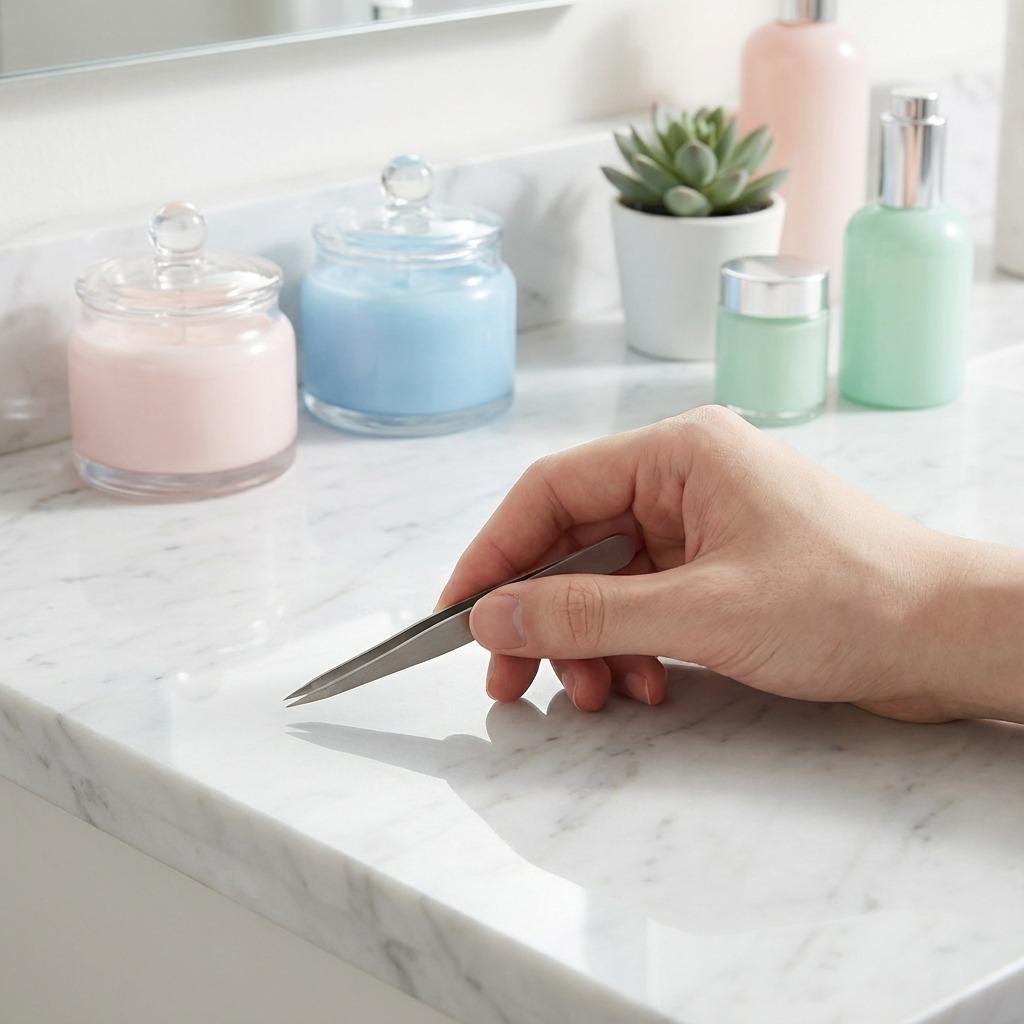
Tweezers Exporter Buying Guide: Precision, Quality and Wholesale Value
For beauty brands, distributors, salons and retail buyers, tweezers look simple at first glance. In practice, the right pair depends on tip alignment, tension, finish, packaging, export handling and consistency across bulk orders. A reliable tweezers exporter is not only a source of products; it is part of the supply chain that helps you deliver grooming tools customers can use with confidence.
This guide explains how to compare a tweezers exporter with domestic suppliers, what to check when working with a manufacturer, how OEM/ODM tweezers differ from standard wholesale options, and how to judge affordability without choosing tools that wear quickly or perform poorly. It is written for buyers who need practical selection criteria rather than broad marketing claims.
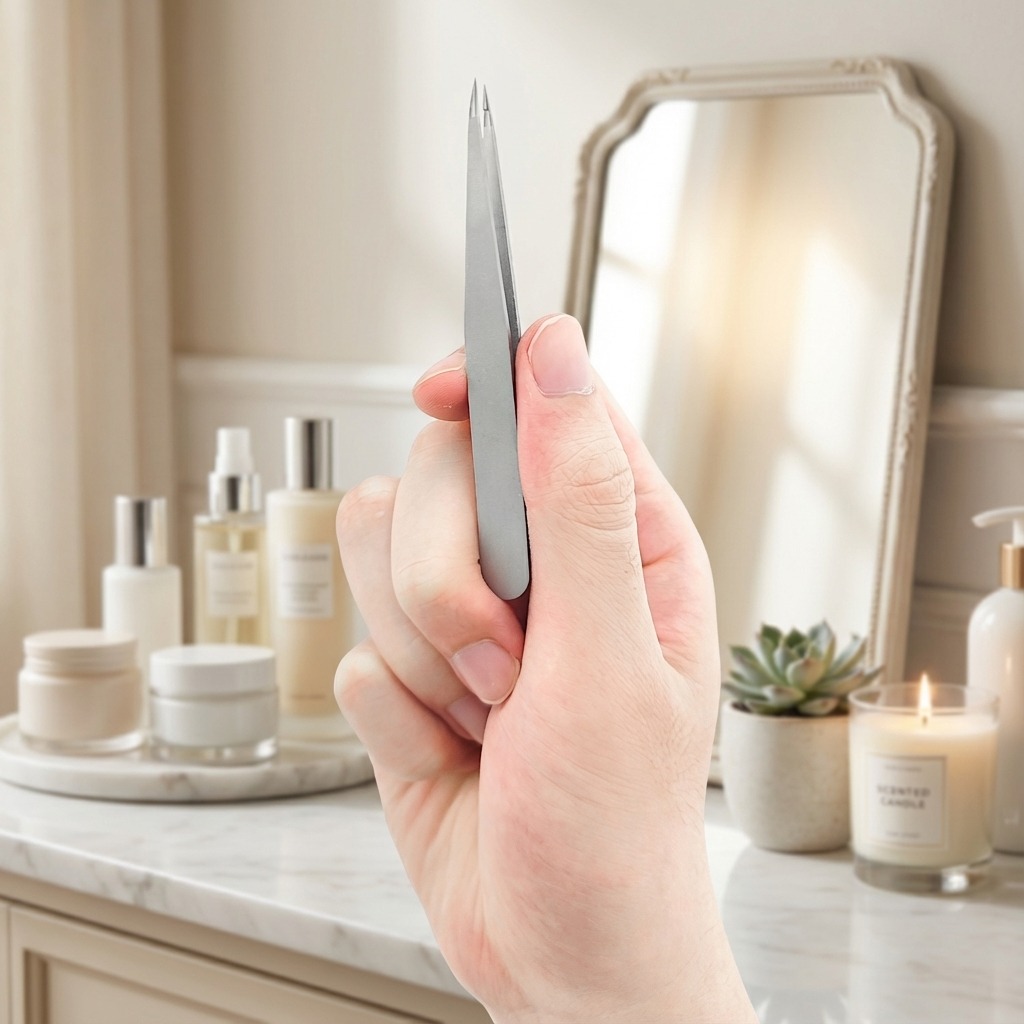
What a Tweezers Exporter Does for International Buyers
A tweezers exporter connects manufacturing and international sales requirements. For a buyer outside the production market, the exporter’s role often includes product communication, order coordination, packaging discussion and shipment preparation. This matters because a beauty tool that is acceptable in one local market may need different labeling, packaging format or assortment planning for another sales channel.
Domestic suppliers can be convenient when you need very small quantities or immediate local stock. However, buyers planning repeated wholesale orders often compare exporters because export sourcing can provide broader product selection and more room for packaging or finish decisions. For tweezers, the main question is not simply where the supplier is located. The better question is whether the supplier can support repeatable quality and clear specifications over time.
When reviewing beauty tool products, buyers should focus on the details that affect actual use: whether the tips meet cleanly, whether the arms return smoothly after pressure, whether the surface is comfortable to hold, and whether the packaging protects the tool during shipping and retail handling. These practical points are more important than decorative claims.
Precision Criteria That Matter in Tweezers
Precision is the core reason customers buy tweezers. A pair that cannot grip a fine hair cleanly creates frustration, even if it looks attractive in the package. The original product information highlights stainless steel construction and grooming use, which are relevant starting points, but buyers should also check the functional details before placing a bulk order.
- Tip alignment: The two tips should meet evenly without visible gaps. Poor alignment makes it difficult to grip short or fine hairs.
- Tip shape: Slanted tips are commonly used for eyebrow grooming, while pointed or fine tips may suit more exact tasks. Choose based on the intended customer use.
- Tension: The arms should require enough pressure for control but not so much that repeated use feels tiring.
- Edge smoothness: Tips should grip without feeling rough, sharp in the wrong areas or likely to scratch skin during careful use.
- Material and finish: Stainless steel is valued in beauty tools for durability and ease of cleaning, but surface finish and workmanship still need inspection.
- Consistency: One good sample is not enough. Wholesale buyers should consider how consistent the same style remains across carton quantities.
For retail brands, precision also affects reviews and repeat sales. Customers may not know the manufacturing reasons behind a poor tool, but they immediately notice when tweezers slip, bend or fail to hold alignment.
Tweezers Manufacturer vs. Outsourced Trading Source
Some buyers use the phrase “tweezers exporter” to describe any company selling internationally, but there can be an important distinction between an exporter with manufacturing capability and a trading source that coordinates products from elsewhere. A manufacturer may have closer control over tooling, finishing, inspection and packaging coordination. A trading source may still be useful, especially when consolidating many categories, but the buyer should understand how quality is controlled.
Olimor Beauty presents itself in the supplied information as a tweezers manufacturer with in-house expertise and stainless steel tweezers, including named examples such as Elite Precision Tweezers and Sleek Pro Stainless Steel Tweezers. When considering any manufacturer, use the names as a starting point only after verifying the exact specification you intend to order. Product names can help identify a style, but the purchase decision should be based on measurable and visible criteria.
A practical comparison should include the following:
| Buyer concern | What to review | Why it matters |
|---|---|---|
| Grip performance | Tip contact, spring tension and ability to hold fine hair | Determines whether the product works for grooming |
| Bulk consistency | Samples from different units, not just one display sample | Reduces variation across wholesale orders |
| Surface finish | Polish, matte finish, coating or color uniformity | Affects retail appearance and hand feel |
| Packaging fit | Blister, pouch, box or card dimensions where applicable | Protects tips and supports shelf presentation |
| Communication | Clear specification sheet and confirmed order details | Prevents misunderstandings before production |
If you are building a beauty tool line, browse related product collections to compare tweezers with complementary tools such as grooming accessories, cosmetic implements or manicure items. Coordinated sourcing can make packaging and retail planning easier, provided every item is still checked on its own merits.
OEM/ODM Tweezers: When Customization Is Worth It
OEM/ODM tweezers are useful when a buyer wants more than a standard wholesale item. Customization may involve finish, grip texture, packaging layout, assortment choice or other brand presentation details. The supplied information mentions finishes and grips as possible areas of customization, which are common considerations for beauty brands aiming to differentiate their product line.
Customization is most valuable when it serves a clear commercial purpose. For example, a salon supply distributor may prefer a simple professional finish and durable packaging. A retail beauty brand may need a more giftable presentation. An online seller may prioritize protective packaging that reduces damage during parcel delivery. In each case, OEM/ODM decisions should connect to the sales channel and end-user need.
Before starting a customized order, define the following in writing:
- Target user: Eyebrow grooming, general beauty use, professional salon resale or multi-purpose personal care.
- Tip style: Slanted, pointed, flat or another shape appropriate for the intended task.
- Finish direction: Polished, matte, colored or textured if available for the chosen style.
- Packaging requirement: Retail card, pouch, protective sleeve or other presentation suitable for your channel.
- Inspection standard: What counts as acceptable alignment, finish consistency and packaging condition.
- Branding elements: Logo placement, color reference and artwork confirmation where customization is used.
The more clearly these points are set before production, the easier it is to compare samples and avoid vague expectations. OEM/ODM sourcing does not automatically mean higher quality; it means the buyer has more decisions to make and should manage those decisions carefully.
How to Judge Affordable Wholesale Tweezers
The phrase “cheapest wholesale tweezers” can attract buyers searching for low unit cost, but the lowest price is not always the lowest total cost. Tweezers that lose alignment, arrive with inconsistent finishing, or create customer complaints can be more expensive after returns, replacements and poor reviews are considered. Affordability should be measured by usable quality per unit, not price alone.
A value-driven buying approach compares cost with function. If two tweezers look similar in photos, test how they perform under normal grooming use. Check whether the tips are protected in packaging. Review whether the finish scratches easily during handling. Consider whether the product appearance matches your retail price point. A budget item can be suitable for promotional kits or entry-level retail, but it still needs to perform its basic grooming function.
For wholesale planning, request or prepare a checklist that covers sample approval, packaging approval and final shipment expectations. If your project involves private label details or a new assortment, you can send an inquiry with the intended product type, quantity range, packaging preference and target sales channel so the discussion begins with practical requirements.
Sourcing Questions for Beauty Brands and Distributors
A good sourcing conversation should move beyond “What is the price?” and “How fast can it ship?” Those questions matter, but they do not fully describe whether a supplier can support a reliable tweezers program. Buyers should prepare questions that reveal product control, repeatability and suitability for the market.
- What tweezer styles are available for the intended use: eyebrow grooming, fine-detail use or general personal care?
- What material and finish options apply to the specific style being quoted?
- How are tip alignment and gripping performance checked before packing?
- Can packaging be selected to protect the tips during shipping and retail handling?
- What artwork files or packaging references are needed for customized orders?
- How are product specifications confirmed before bulk production?
- What information should be included on cartons, inner packs or retail packaging for the buyer’s channel?
These questions help turn a general wholesale request into a defined purchase plan. They also allow the supplier to respond with a more accurate recommendation rather than guessing based on a product photo or a broad keyword.
Care, Handling and Retail Presentation
Even well-made stainless steel tweezers benefit from correct handling. Retailers and brands should consider the product’s journey after production: packing, transit, warehousing, shelf display and customer use. Tips can be damaged if they are left unprotected, pressed against hard surfaces or stored loosely with heavier tools.
For end-user guidance, simple care instructions can improve customer satisfaction. Recommend wiping tweezers clean after use, drying them before storage, and keeping the tips covered or separated from other metal tools. Avoid promising sterilization performance unless the exact product and process support that claim. Clear, modest instructions are usually better than exaggerated care language.
Packaging also communicates quality. A clean retail card, protective sleeve or compact pouch can make an affordable product feel organized and trustworthy. At the same time, excessive packaging can add cost and bulk. Match the package to the sales environment: salons may prefer practical protection, while retail shelves may need stronger visual presentation.
Choosing Olimor Beauty for Your Tweezers Program
Olimor Beauty supports buyers looking for tweezers and related beauty tools with attention to precision, stainless steel options and wholesale sourcing needs. Whether you are comparing standard tweezers, considering OEM/ODM customization or building a broader grooming tool range, the best results come from clear specifications and careful sample review.
If you are planning a tweezers purchase, define the intended user, tip style, finish, packaging and inspection expectations before comparing quotes. This makes it easier to judge real value and avoid choosing only by the lowest unit price. For product questions or sourcing discussions, you can contact Olimor with your requirements and build a more focused buying plan.
Tag: