

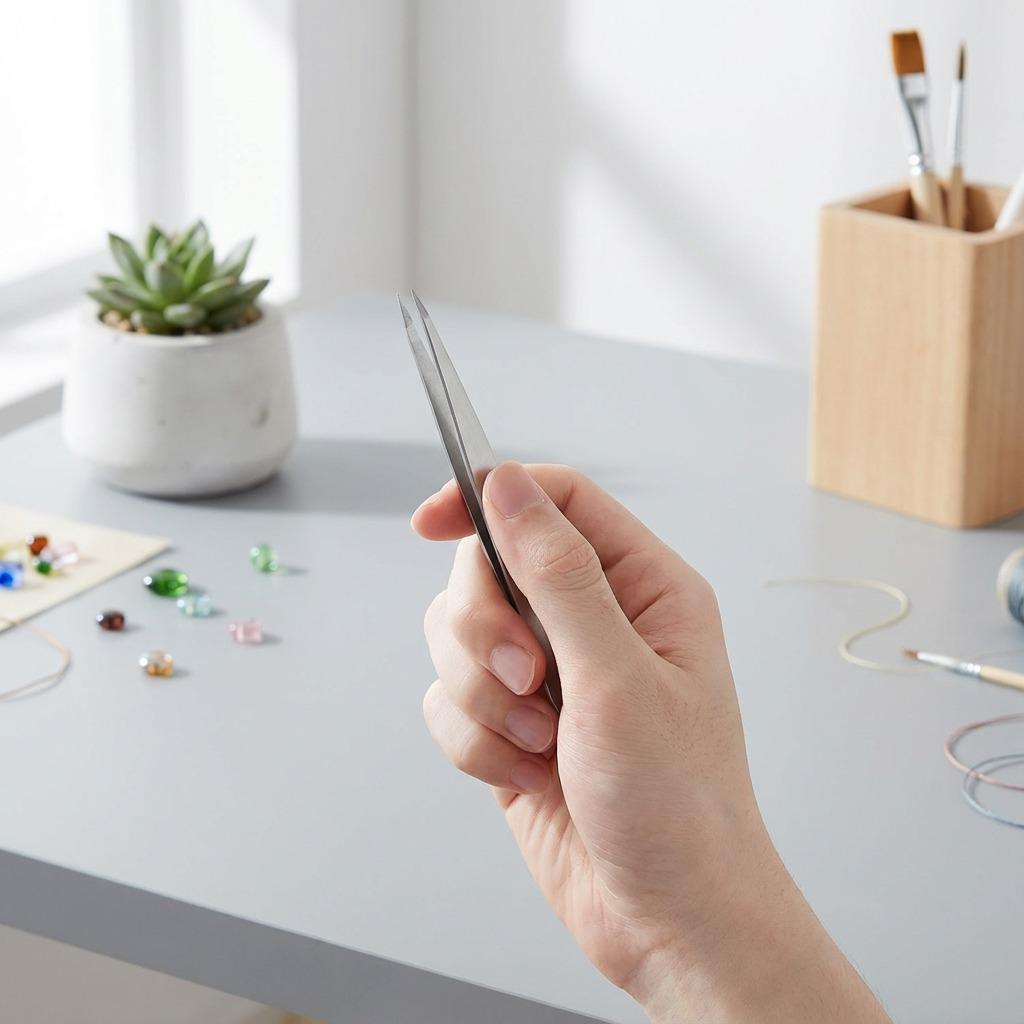
Choosing a Tweezers Exporter: Precision, Partnership and Practical Value
For beauty tool buyers, tweezers look simple until they arrive with uneven tips, weak tension, rough edges or packaging that does not match the retail channel. A dependable tweezers exporter should do more than move cartons from one country to another. The right partner helps you source tools that feel accurate in the hand, support repeat purchases and fit your brand’s quality expectations.
This guide is written for importers, beauty distributors, private-label brands, salon suppliers and ecommerce sellers comparing tweezers exporters for wholesale or OEM/ODM projects. It focuses on what matters in real purchasing decisions: tip alignment, material selection, finish, inspection, customization, packaging, communication and value over time.
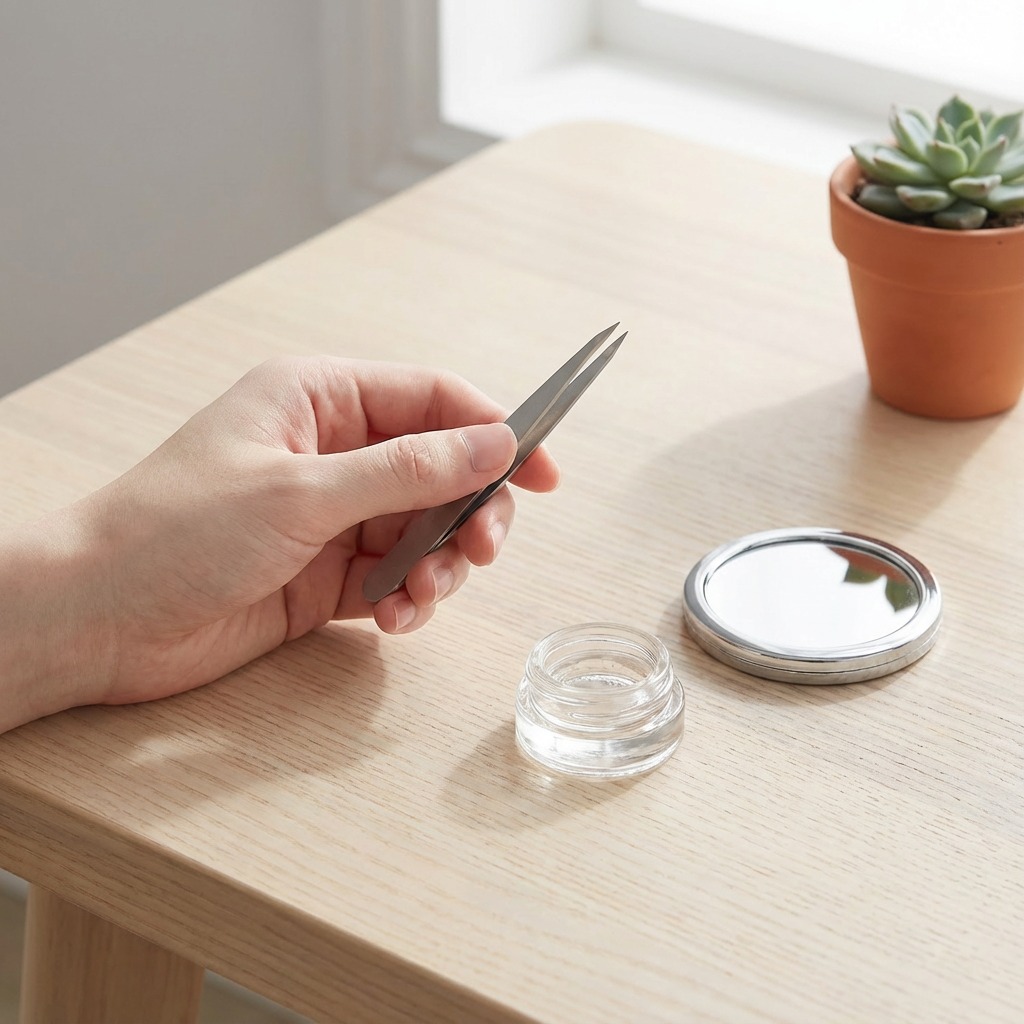
Why a Tweezers Exporter Should Be Evaluated by Precision First
The main job of a tweezer is controlled gripping. Whether the tool is used for eyebrow shaping, lash application support, facial hair removal or retail beauty kits, the tips must meet cleanly and hold fine hair without slipping. A buyer may compare price lists first, but the final consumer judges the product by how it performs in a few seconds of use.
When evaluating a tweezers exporter, look closely at the details that influence daily performance. Tip symmetry, closing tension and edge finishing are more important than broad claims about quality. If the tips are too blunt, they may not grip fine hair. If they are too sharp or poorly finished, they may feel uncomfortable or unsafe to the user. If the arms are too soft, the tweezer can bend out of alignment during normal use.
Olimor Beauty positions its tweezers supply around professional beauty tool use, with attention to ergonomic handling and stainless steel construction. For buyers, the important takeaway is to assess whether an exporter understands the functional requirements of tweezers rather than treating them as generic metal accessories.
Manufacturer-Exporter vs. Trading Exporter: What Buyers Should Compare
A tweezers manufacturer that also exports can provide a more direct route between production decisions and international delivery. This does not automatically make every manufacturer better than every trading company, but it does affect how quality problems, customization requests and repeat orders are handled.
With a manufacturer-exporter, the team responsible for export communication is closer to the production and inspection process. That can make it easier to discuss details such as tip shape, grip texture, finish, packaging layout and acceptable tolerances. A standalone exporter may still be useful for broad catalog sourcing, but buyers should understand whether that exporter controls production or depends entirely on outside factories.
| Evaluation Point | Why It Matters for Tweezers | What Buyers Can Check |
|---|---|---|
| Tip alignment | Determines whether fine hairs or small beauty items can be gripped accurately | Request close-up samples and check whether both tips meet evenly |
| Arm tension | Affects comfort, control and fatigue during repeated use | Compare samples for spring feel, stiffness and consistency |
| Surface finish | Influences appearance, hand feel and perceived retail value | Inspect for scratches, burrs, uneven coating or rough edges |
| Packaging control | Protects tips and supports shelf presentation | Confirm insert design, carton strength and barcode or label requirements |
| Repeat-order consistency | Reduces returns and protects brand reputation | Define approved samples and compare later production against them |
OEM/ODM Tweezers: When Customization Is Worth It
Standard wholesale tweezers can work well for distributors who need fast assortment building. OEM/ODM tweezers become more relevant when a brand wants a specific user experience, retail presentation or market position. Customization may involve tip style, finish, grip feel, logo placement, color direction or packaging design, depending on the project scope.
Before choosing OEM/ODM service, define the commercial reason for customization. A custom tweezer should solve a market need, not simply add complexity. For example, a brow-focused brand may prioritize slanted precision tips and a comfortable grip. A travel kit supplier may prioritize compact size and protective packaging. A salon channel may focus on durability, cleaning convenience and consistent professional feel.
The supplied Olimor content references options such as tapered tips and anti-slip coatings as examples of feature directions that can be considered for tailored tweezers. Buyers should translate those ideas into a clear specification sheet before sampling. A good brief reduces misunderstanding and makes supplier comparison more objective.
- Target user: retail consumer, salon professional, brow technician, lash artist or gift set buyer.
- Primary task: eyebrow shaping, fine hair removal, lash support, splinter-style precision work or kit inclusion.
- Tip preference: slanted, pointed, tapered or other shape suitable for the intended use.
- Finish expectation: matte, polished, coated or textured, with attention to grip and appearance.
- Branding needs: logo position, packaging artwork, labels, instructions and retail compliance information.
- Inspection standard: approved sample, visual criteria, functional grip test and packaging check.
How to Judge Wholesale Tweezers Beyond the Lowest Price
Searching for the cheapest wholesale tweezers is understandable, especially when margins are tight. However, rock-bottom pricing can be expensive if the goods create returns, complaints or inconsistent repeat orders. A tweezer that bends easily, loses alignment or feels rough can damage the reputation of the retailer that sells it.
Value-driven sourcing compares the total result, not only the unit price. Consider whether the tool is durable enough for its target channel, whether packaging prevents damage in transit and whether inspection catches obvious defects before shipment. A slightly better-built tweezer may reduce replacement costs and support better customer reviews.
The original product information mentions a 95mm precision tweezer as part of Olimor Beauty’s wholesale offering. For many beauty buyers, a compact precision tweezer size can be useful in brow kits, retail beauty displays and travel-friendly assortments. The key is to confirm that size, feel and packaging match your selling channel before placing a larger order.
Practical Sample Review Checklist for Importers
Samples should be tested like future retail products, not just photographed for approval. Build a repeatable review process so your purchasing, quality and sales teams judge the same details. This is especially important if you are comparing several exporters at the same time.
- Check first impression: inspect color, finish, logo position and packaging cleanliness under normal light.
- Test tip meeting: close the tweezer slowly and confirm that the tips align without crossing or leaving gaps.
- Grip fine material: test on fine hair-like fibers or similar small items to evaluate accuracy and holding power.
- Assess hand comfort: use the tool repeatedly to feel whether tension is too stiff, too loose or inconsistent.
- Inspect edges: run a careful visual check for burrs, sharp unwanted edges or rough finishing near the tip and arms.
- Review packaging protection: confirm that the tips are protected and that retail packaging will survive normal handling.
- Record approval notes: keep photos, sample labels and written criteria for later production comparison.
Packaging, Documentation and Export Communication
Export success depends on more than the tweezer itself. Packaging must protect the precision tips, present the product clearly and fit the buyer’s distribution method. Ecommerce sellers may need packaging that resists individual parcel handling, while retail distributors may focus on hang holes, barcode placement, shelf appearance and carton organization.
Communication is another major selection point. A professional tweezers exporter should be able to discuss product options clearly, confirm specifications in writing and help buyers avoid vague assumptions. For OEM/ODM orders, version control matters: artwork files, approved samples, packaging dimensions and carton marks should be tracked carefully.
Buyers building a broader assortment can review Olimor’s beauty tool products to understand available product directions, or browse product collections when planning kits and coordinated retail ranges. If you already have a specification sheet or private-label concept, you can send an inquiry with your target quantity, market and packaging needs.
Building a Long-Term Tweezers Sourcing Partnership
The best exporter relationship is not based on a single transaction. Tweezers are often repeat-order products, and consistency becomes more valuable as your brand grows. Once a sample is approved, establish clear reference standards for future batches. Keep one approved sample with your team and make sure the exporter understands which details cannot change without confirmation.
For distributors and brand owners, it is also useful to plan product tiers. You may need an entry-level wholesale tweezer for promotional sets, a stronger retail version for beauty stores and a more specialized precision option for professional channels. A sourcing partner that understands these differences can help you avoid using one product for every market segment.
Olimor Beauty’s role as a tweezers exporter is most relevant to buyers who care about precision, customization discussion and practical wholesale value. Instead of choosing only by the lowest quote, compare exporters by the reliability of the tool, the clarity of communication and the ability to support your product plan over multiple orders. To discuss a sourcing project, packaging direction or OEM/ODM tweezer requirement, contact Olimor with the details your team has already defined.
Tag: