

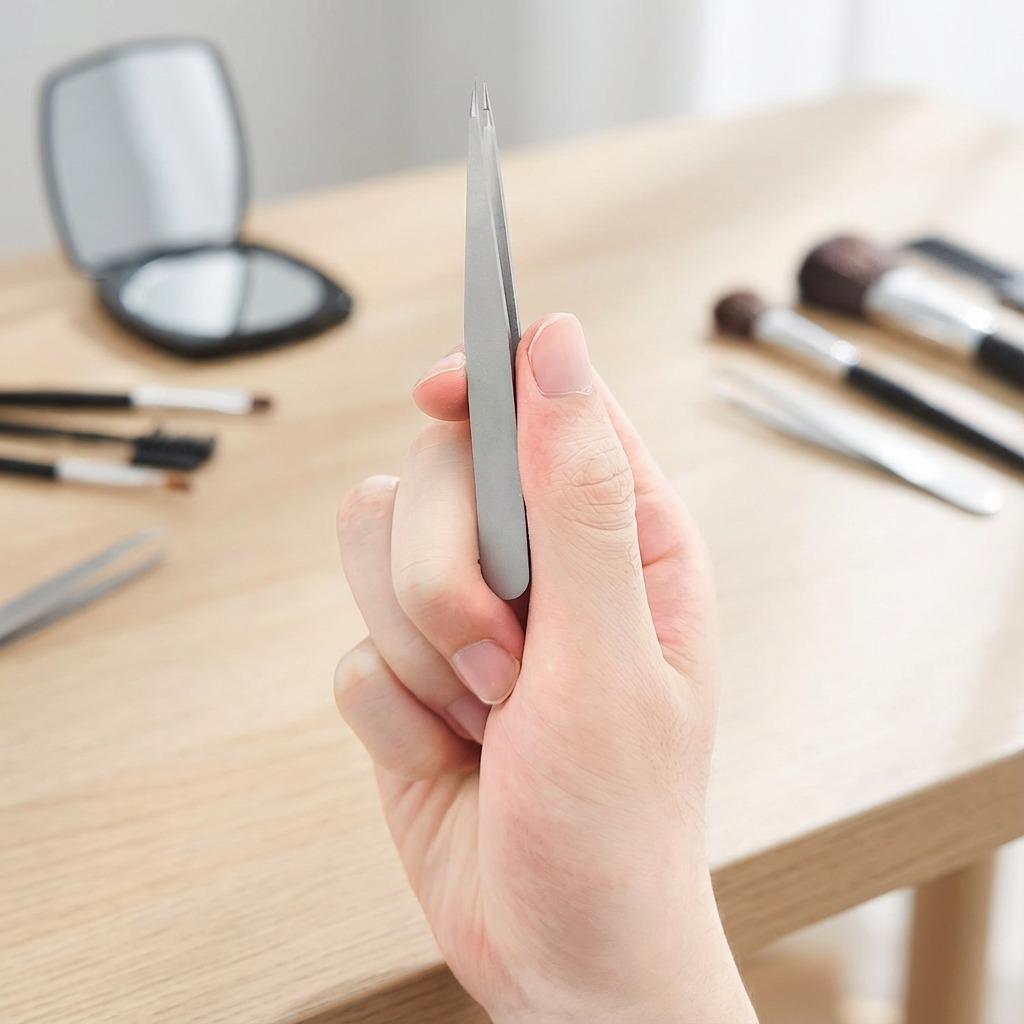
Tweezers Exporter Guide for Beauty Tool Buyers
Choosing a tweezers exporter is not only a price comparison. For beauty retailers, salon suppliers, private label brands and distributors, tweezers are small tools with very visible quality differences. A slightly uneven tip, rough edge, weak tension or inconsistent finish can lead to customer complaints even when the product looks acceptable in a catalog photo. A capable exporter helps buyers manage those details across product selection, inspection, packaging and international shipment.
Olimor Beauty works with beauty tools for professional and retail use, and tweezers remain one of the most practical products for eyebrow shaping, lash work, facial hair removal, nail art handling and small precision tasks. Whether you are comparing OEM/ODM tweezers, sourcing wholesale tweezers for a product line, or looking for an export partner that can coordinate quality checks before dispatch, the key is to evaluate the whole supply process rather than only the unit cost.
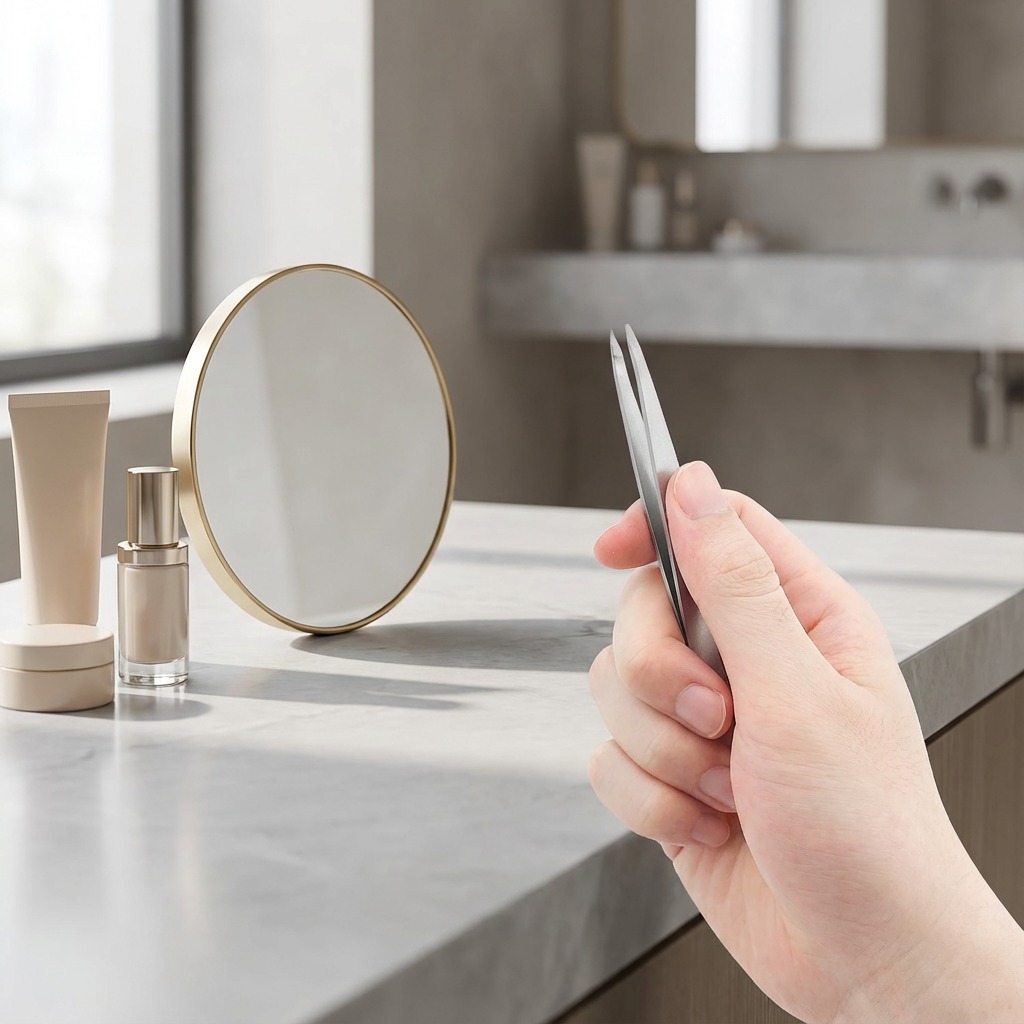
What a Tweezers Exporter Actually Does
A tweezers manufacturer is usually focused on making the tool: forming the body, shaping the tips, polishing, finishing and packing according to production requirements. A tweezers exporter may also be connected to manufacturing, but the exporter role is broader. It involves matching buyers with suitable product options, coordinating quality expectations, preparing export documentation, arranging packaging requirements and supporting international delivery.
This difference matters for buyers who do not want to manage every production and logistics detail separately. An exporter can help compare available tweezer styles, review whether a design is appropriate for salon or retail use, and align packaging with the target sales channel. For example, a beauty retailer may care about shelf-ready packaging and consistent appearance across batches, while a salon distributor may place more emphasis on practical handling, tip grip and durability during repeated use.
Exporters are also useful when buyers need a mix of items. If tweezers are part of a broader beauty tools order, sourcing through a partner familiar with related categories can simplify purchasing. Buyers can review additional beauty tool products or browse product collections to build a more coherent assortment instead of sourcing every item from a separate channel.
Key Quality Checks for Wholesale Tweezers
Wholesale tweezers should be judged by repeatable quality, not by one perfect sample. A sample may look good, but the real test is whether bulk products maintain the same tip alignment, tension and finish. Before confirming an order, buyers should define the quality points that matter most for their market.
- Tip alignment: The two tips should meet evenly without a visible gap when gently closed. Misalignment reduces gripping accuracy and can pull hair unevenly.
- Tip finish: Edges should feel clean and controlled, not jagged or overly sharp against the skin. The best finish depends on the intended use, such as eyebrow shaping or fine object handling.
- Grip tension: Tweezers should close smoothly without requiring excessive pressure. Too much tension can fatigue the hand; too little can reduce control.
- Surface consistency: Polishing, coating or color finish should be even across the visible surfaces, especially for retail products.
- Rust resistance and care: Stainless steel is commonly used for beauty tweezers, but buyers should still consider storage, cleaning and packaging conditions that reduce moisture exposure.
- Packaging protection: Tips should be protected during transport so they do not bend, chip or scratch before reaching the customer.
These checks are especially important for low-cost wholesale tweezers. The cheapest option is not always the best value if a high percentage of products require replacement or cannot be sold at full retail price. A stronger sourcing approach is to compare total landed value: product cost, packaging, inspection expectations, freight handling and the likely complaint rate after sale.
OEM/ODM Tweezers: Decisions to Make Before Production
OEM/ODM tweezers can help brands create a product that fits a specific audience, but customization should start with practical decisions. Buyers often focus first on color or logo placement, yet the working performance of the tweezer is more important for repeat sales. A private label beauty brand should define the use case before finalizing appearance.
For eyebrow grooming, buyers may prefer a slanted tip because it gives a balance of visibility and gripping control. For fine detail tasks, a pointed or precision-style tip may be more suitable, though it may require clearer user guidance and protective packaging. For general retail, a classic shape with comfortable tension may perform better than an extremely specialized design.
When planning OEM/ODM tweezers, prepare the following information:
- Target customer: Professional salon, retail consumer, gift set buyer, lash technician or general beauty user.
- Tip type and function: Slanted, pointed, flat or mixed set, depending on the task.
- Finish preference: Polished, matte, colored or coated appearance, if available for the selected style.
- Branding needs: Logo position, packaging artwork, labeling and language requirements.
- Packaging format: Individual pouch, carded retail pack, box, sleeve or set packaging.
- Inspection priorities: Tip alignment, surface appearance, packaging accuracy and carton condition.
Clear requirements reduce avoidable revisions. If the project includes packaging artwork, buyers should also consider barcode placement, warning text, local labeling rules and how the product will hang or display in stores. To discuss a tailored order, buyers can send an inquiry with target market, quantity range, preferred style and packaging goals.
Exporter vs. Direct Factory Sourcing
Direct factory sourcing can work well for buyers with established inspection systems, strong technical knowledge and logistics resources. However, not every buyer wants to coordinate product development, packaging, export documents and shipment follow-up independently. A tweezers exporter can be valuable when the buyer needs coordination and quality communication across the order cycle.
The best choice depends on the buyer's internal resources. A large importer with its own quality team may want direct technical control. A growing beauty brand may prefer an exporter that can help translate market requirements into product and packaging instructions. A distributor purchasing multiple beauty tools may value consolidated communication more than negotiating every detail separately with different production contacts.
| Buying route | Best suited for | Main advantage | Common risk to manage |
|---|---|---|---|
| Exporter sourcing | Retailers, distributors and private label buyers needing coordination | Product selection, quality communication and export support in one channel | Requirements must be stated clearly to avoid unsuitable product choices |
| Direct manufacturer sourcing | Buyers with technical teams and established QC processes | Closer contact with production decisions | More buyer responsibility for inspection, logistics and documentation |
| Local spot purchasing | Small urgent replenishment or market testing | Fast access to available stock | Limited control over consistency, packaging and repeat supply |
For many beauty tool buyers, the practical answer is not simply exporter or manufacturer. It is whether the supplier can deliver repeatable tweezers that match the sales channel, price position and user expectations.
How to Evaluate Price Without Sacrificing Precision
Searches for the cheapest wholesale tweezers are common, but price should be evaluated alongside the product's role. A budget tweezer for a promotional kit does not need the same finish as a premium retail item, but it still needs safe handling, aligned tips and reliable packaging. If a product cannot grip properly, even a low unit cost becomes expensive through returns, markdowns or poor reviews.
Buyers can compare offers more fairly by requesting the same product assumptions from each supplier. Use a consistent checklist: material description as offered, tweezer length and tip type if available, finish, packaging format, logo requirements, carton packing, inspection expectations and delivery terms. This prevents a low quote from appearing attractive simply because it excludes key work such as customized packaging or tip protection.
It is also useful to order samples that represent the intended sales tier. A salon tool, a retail gift set tweezer and an economical multipack may require different levels of finish. Instead of forcing one product to serve every channel, buyers often achieve better results by selecting distinct options for different price points.
Care, Storage and After-Sale Guidance for Tweezers
Even well-made tweezers perform better when users receive simple care guidance. Retailers and brand owners can reduce complaints by adding concise instructions to packaging or product pages. The guidance does not need to be complicated: keep tips protected, clean after use, avoid dropping the tool on hard surfaces and store in a dry place.
For professional users, sanitation practices should follow the salon's local hygiene requirements. Tweezers used around the brow and eye area should be handled carefully and stored in a way that protects both cleanliness and tip shape. If the tweezer includes a pointed or very fine tip, a protective cap or case is especially useful because the working edge can be damaged during transport or storage.
For retailers, after-sale content can also explain how to use the tool properly. Customers should grasp hair close to the root and pull in the direction of growth when grooming eyebrows. This improves the user experience and helps the product perform as intended.
Why Work With Olimor Beauty for Tweezers Export
Olimor Beauty focuses on beauty tools for buyers who need practical sourcing support, product consistency and export communication. For tweezers, the important value lies in aligning product choice with the buyer's market: economical wholesale supply, retail-ready beauty tools, salon-oriented options or OEM/ODM projects with customized branding.
A strong tweezers order begins with clear use cases and ends with tools that arrive protected, presentable and suitable for sale. Olimor Beauty can help buyers compare product directions, prepare customization discussions and review the sourcing details that affect quality perception. If you are planning a tweezers program for retail, salon distribution or private label beauty tools, contact Olimor with your target market and product expectations.
The right tweezers exporter should make precision easier to manage at scale. By focusing on tip alignment, finish, packaging, inspection and export coordination, buyers can build a tweezer line that is affordable without feeling careless, practical without looking generic, and consistent enough for repeat orders.
Tag: