

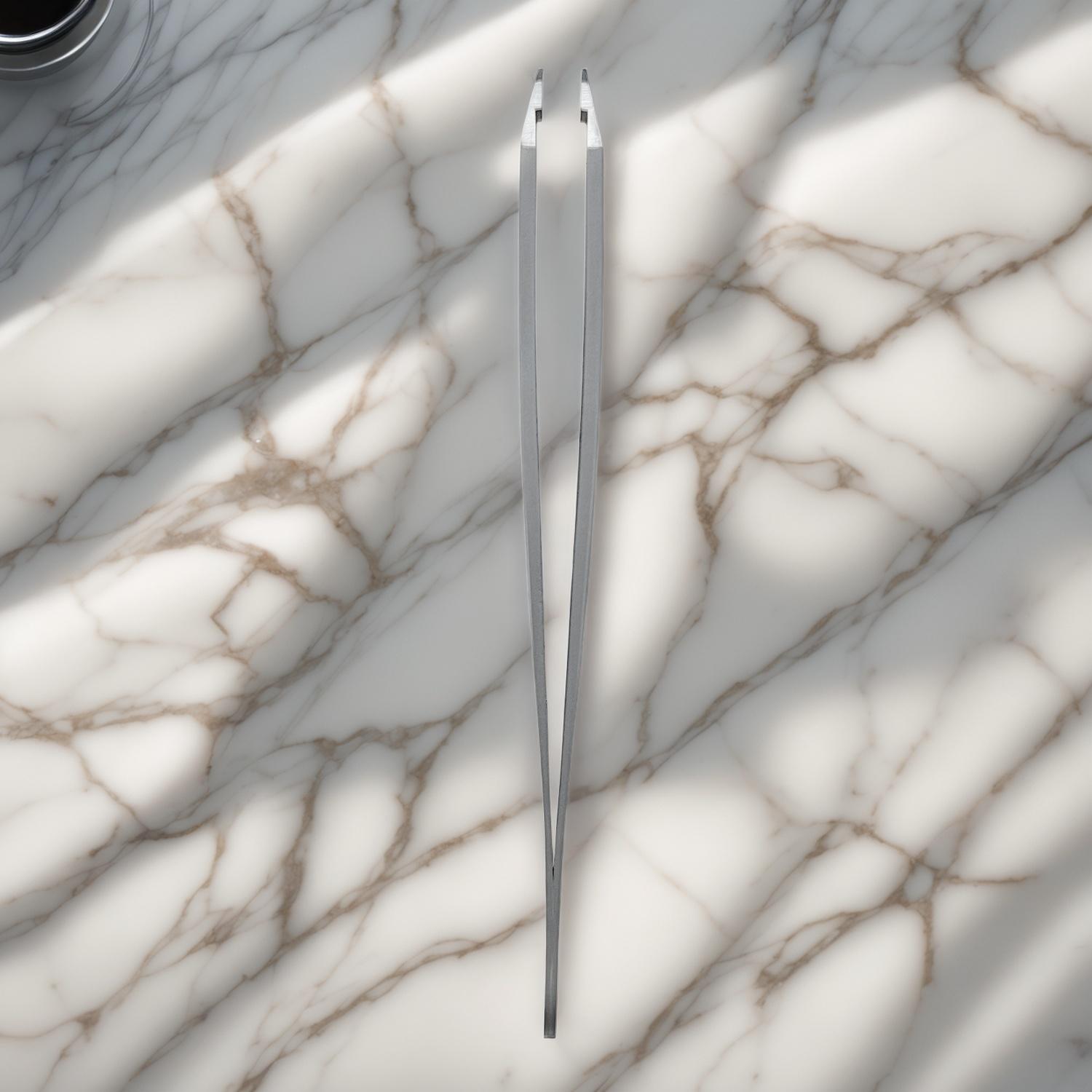
Tweezers Export From China: What Resellers and Distributors Should Check Before Buying
Tweezers export from China remains an important part of the global beauty tools market, and the category is broader than many buyers first expect. A good tweezer is not only a small grooming accessory; it is a precision tool used by beauty professionals, everyday consumers and, in some cases, culinary teams for delicate plating work. For resellers and distributors, the opportunity is clear: compact products, repeat purchase potential, and room to build assortments by use case, tip shape and packaging style.
At the same time, bulk buying should not be based on price alone. The difference between a tweezer that earns repeat orders and one that creates complaints often comes down to alignment, tip finishing, material consistency, surface treatment and packaging protection. Olimor Beauty works in the beauty-tool category with stainless steel tweezers designed for precision, comfort and durability. This guide explains how to evaluate tweezers export from China in a practical way, especially if you are building a retail range, supplying salons, or comparing options for distribution.

Why China Remains a Strong Source for Bulk Tweezers
China has become a major sourcing base for beauty and personal care tools because it combines manufacturing experience, component supply, packaging options and export logistics. For a small tool such as tweezers, these advantages matter. Buyers often need consistent products across repeat orders, the ability to choose different styles, and packaging that fits retail, e-commerce or wholesale channels.
For resellers, the main attraction is the ability to build a focused product line without carrying bulky inventory. Tweezers are lightweight, easy to ship and suitable for several sales channels, from online marketplaces to salons, cosmetic stores and personal care gift sets. For distributors, the category can support wider accounts because the same basic tool can serve different customer groups: brow shaping, lash application support, general grooming and detailed food presentation.
The best sourcing decisions start with the end customer. A beauty salon may value grip comfort and precise hair removal. An online consumer may compare product photos, reviews and packaging. A culinary buyer may focus on control, hygiene and fine handling. Before reviewing bulk tweezers price, define the purpose of the product and the buying expectations of your market.
Product Features That Matter More Than a Low Unit Price
Bulk pricing is important, but it should be evaluated together with performance. A tweezer can look simple in photos while still requiring careful manufacturing. Small differences in the tips can affect whether the tool grips fine hair cleanly or slips during use. A poorly finished edge can feel uncomfortable, while weak tension can make the tool tiring or inaccurate.
When comparing stainless steel tweezers for export, focus on these practical criteria:
- Tip alignment: The two tips should meet evenly. Misalignment reduces gripping accuracy and creates a lower-quality user experience.
- Tip type: Slanted tips are common for brow shaping, pointed tips support precision work, and flat or broader tips may fit general grooming or handling tasks.
- Material and corrosion resistance: Stainless steel is widely used because it is durable and more resistant to corrosion than many basic metals. Buyers should still check finishing quality and care instructions.
- Tension and hand feel: The tweezer should open and close smoothly, with enough resistance for control but not so much that extended use becomes uncomfortable.
- Surface finish: A clean, even finish improves appearance and can influence perceived value in retail packaging.
- Packaging protection: Tip covers, sleeves or secure packaging help prevent damage during shipping and handling.
Olimor Beauty focuses on stainless steel tweezers with precise tips and ergonomic handling, making them suitable for beauty users and other detail-oriented applications. If you are comparing products, view the tweezer as both a tool and a retail item: it must perform well and arrive looking ready to sell.
Choosing Tweezer Types for Beauty, Retail and Culinary Use
A strong assortment usually includes more than one tweezer style. Instead of ordering a large quantity of a single generic product, resellers can match tip shapes and product positioning to the channels they serve. The table below offers a useful starting point for assortment planning.
| Tweezer focus | Common use | What buyers should check |
|---|---|---|
| Slanted tip | Eyebrow grooming and everyday hair removal | Even tip contact, comfortable grip and clean pulling control |
| Pointed tip | Fine detail work and precision handling | Sharpness, safe packaging and tip protection during shipping |
| Flat or broad tip | General grooming, handling small items or selected culinary tasks | Grip surface, smooth edges and ease of cleaning |
| Beauty retail set | Personal care kits or gift-style presentation | Consistent finish, packaging quality and clear use instructions |
For beauty retailers, slanted tweezers often serve as the core item because they are familiar to consumers. Professional buyers may prefer a combination of slanted and pointed options so users can handle both routine grooming and fine detail work. For distributors, it can be helpful to separate products by customer segment: consumer grooming, salon supply and specialty handling.
If you are building a broader sourcing plan, you can review related beauty tool products to understand how tweezers may fit alongside other grooming tools. A coordinated range can make your offer more attractive to retailers that prefer to buy from fewer suppliers.
How to Evaluate Bulk Tweezers Price Without Sacrificing Quality
Bulk tweezers price is usually affected by several variables, not only the metal part itself. Buyers comparing quotations should make sure they are comparing the same scope. A lower unit price may exclude packaging, surface finishing, inspection requirements or export-ready cartons. A higher unit price may include a better retail presentation or more careful finishing.
Useful pricing factors to clarify include product style, stainless steel construction, finish, packaging format, labeling needs, carton requirements and order quantity. Shipping method and destination can also change the landed cost. For e-commerce sellers, damage prevention may be worth paying for because bent tips or scratched surfaces can lead to returns. For distributors, consistency across cartons and repeat shipments is often more important than a small difference in initial cost.
A practical way to compare options is to calculate the value of the finished selling unit, not just the factory item. Consider whether the tweezer is ready for your channel. Does it need a barcode label, display card, pouch or protective cap? Will your customer accept plain bulk packaging, or do they expect retail-ready presentation? Is the tool intended for budget, mid-range or professional positioning? These questions help prevent surprises after production.
Quality Checks Before Confirming an Export Order
Quality control for tweezers should be simple, visible and repeatable. Because the product is small, buyers can review many pieces quickly, but they need to know what to look for. Olimor Beauty emphasizes quality in the production and export process, from material selection through final packaging. For buyers, a clear inspection checklist helps align expectations before goods leave the factory.
- Check tip contact: Close the tweezer and confirm the tips meet evenly without visible gaps.
- Test grip performance: Use a fine fiber or similar material to see whether the tips hold without slipping.
- Review tension: Open and close the tool several times to confirm smooth movement and comfortable resistance.
- Inspect edges and finish: Look for burrs, rough edges, discoloration or uneven coating if a finish is applied.
- Confirm packaging: Make sure tips are protected and the packaging matches the agreed selling format.
- Review carton packing: Check that inner and outer cartons protect the products during international transit.
These steps are useful whether you are buying a small trial quantity or planning a distributor-level order. They also create a shared quality language between purchasing teams, inspectors and the supplier.
Questions Resellers and Distributors Should Prepare
Before sending an inquiry, prepare a concise buying brief. This makes it easier to receive a relevant recommendation and helps avoid mismatched samples. Include the intended market, preferred tweezer type, packaging expectation, approximate order quantity, target channel and any labeling requirements. If you already sell similar products, explain what you want to improve: sharper tips, better packaging, stronger tension, or a different retail price position.
Good sourcing questions include: Which tweezer styles are suitable for brow grooming? What packaging options are available for retail or wholesale? How are the tips protected during shipment? What quality checks are used before packing? Can the product be supplied for beauty and selected culinary handling use? What information is needed to prepare a bulk quotation?
If your business is comparing suppliers or planning a new product line, you can send an inquiry with your requirements. For broader cooperation questions, contact Olimor and describe your channel, expected use case and packaging needs.
Building a More Reliable Tweezer Sourcing Strategy
Tweezers export from China offers clear opportunities for resellers and distributors, but the strongest results come from disciplined product selection. Start with the user, choose the right tip type, compare total selling-unit cost, and inspect the details that affect daily performance. Stainless steel construction, precise tips, comfortable tension and protective packaging all contribute to a product that customers are more likely to trust.
For resellers, a focused tweezer range can strengthen a grooming tools category without requiring large storage space. For distributors, consistent quality and practical packaging can make the product easier to place with salons, retail chains, beauty stores and online sellers. By treating tweezers as precision tools rather than low-cost accessories, buyers can make better sourcing decisions and build a more dependable product offer.
Tag: