

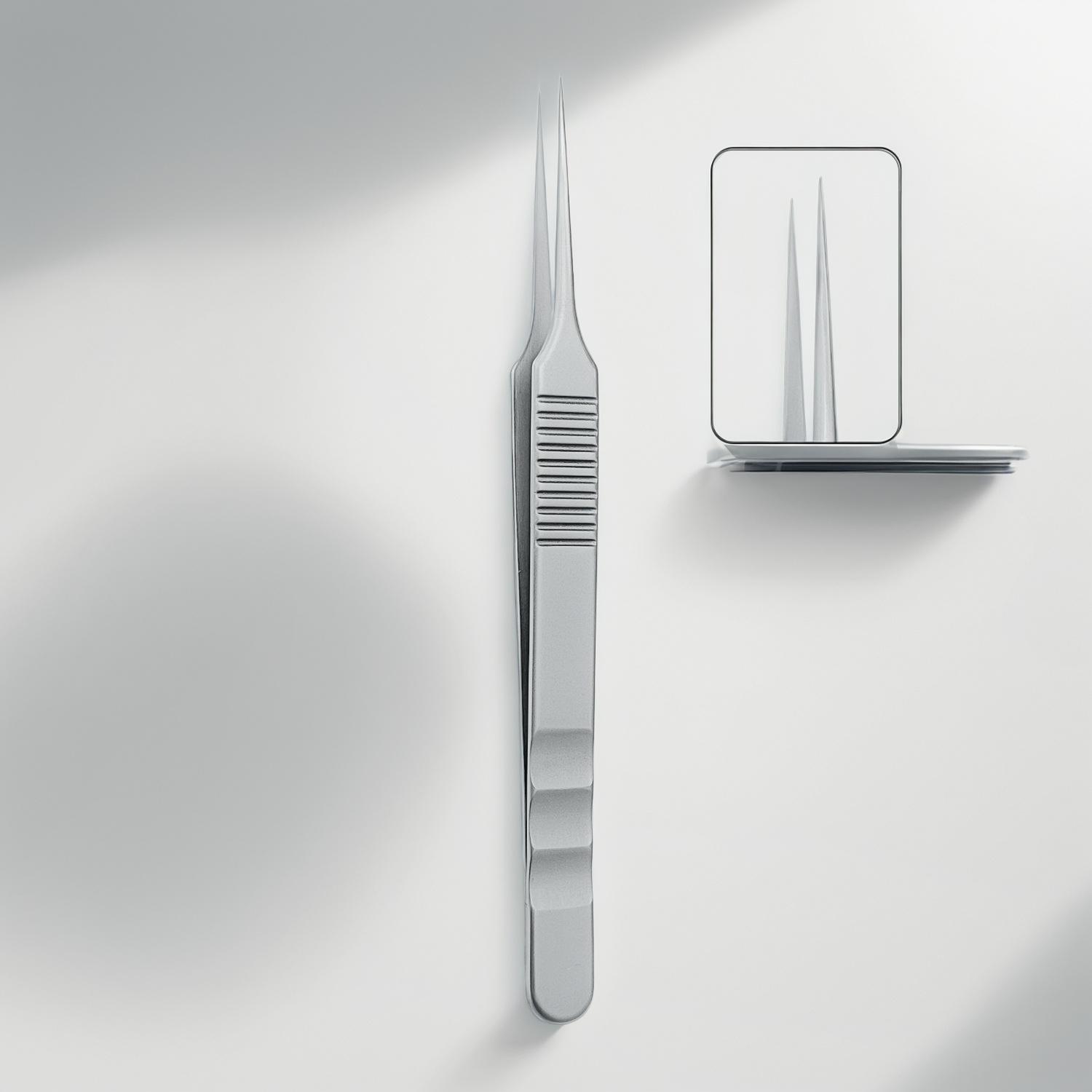
Tweezers China Manufacturer: A Bulk Buyer’s Guide to Precision and Supply Quality
Choosing a tweezers China manufacturer is not just a price comparison. For beauty brands, salon suppliers, grooming retailers, and distributors, tweezers are small tools with a high quality burden: the tips must meet cleanly, the tension must feel controlled, the surface should be comfortable in the hand, and the tool must remain presentable through packaging, shipping, display, and daily use. A weak batch can create returns quickly because customers notice pulling, slipping, sharp burrs, uneven tips, or poor grip almost immediately.
Olimor Beauty supports buyers looking for wholesale tweezers, bulk supply, and flexible sourcing discussions for beauty-tool programs. Whether you are reviewing a new supplier, expanding a grooming category, or comparing tweezers alongside other beauty tool products, the best sourcing decision starts with clear criteria. This guide explains what to evaluate before placing a bulk order, how to judge precision, what quality checks matter, and how to prepare product requirements so your supplier can quote and produce accurately.
What Bulk Buyers Should Define Before Requesting Tweezers
Before comparing factories, define the role the tweezers will play in your assortment. A retail eyebrow tweezer, a salon-use tool, and a value-pack grooming accessory may all look similar in a catalog, but the buyer expectations can differ. Tip shape, coating, hand feel, packaging, and presentation should match the selling channel.
Start with use case. Slant-tip tweezers are common for eyebrow shaping because they can grip individual hairs while giving the user a visible angle. Point-tip tweezers may be selected for more detailed grooming tasks, but they require careful tip protection and user warnings. Flat or straight tips can suit broader gripping needs. If your project needs one universal item, the safest route is usually a comfortable, well-aligned design with a practical tip shape and packaging that protects the tweezer tips.
Next, decide whether your buying priority is retail appearance, professional performance, gift-set compatibility, or simple bulk distribution. These priorities affect finishing and packing. For example, a premium retail product may require stricter cosmetic inspection, consistent color finish, a protective sleeve, and box-ready labeling. A professional refill order may prioritize feel, durability, and efficient bulk packaging. If you are building a broader category, review Olimor’s product collections to think about how tweezers can fit with manicure tools, grooming tools, or accessory kits.
Precision Criteria: Alignment, Grip, Tension, and Tip Safety
The most important question for any tweezers manufacturer is whether the tool can grip reliably. Precision is not only about the material name or a polished surface. It comes from the relationship between the two arms, the geometry of the tips, the spring tension, and the finishing work completed after forming and polishing.
When you review samples, inspect the tweezers in normal light and under magnification if possible. The tips should meet evenly without visible twisting. When closed gently, the contact area should be consistent; if one corner touches first, the user may struggle to pick up fine hairs. Tension should not be so loose that the tool feels weak, and not so stiff that frequent use becomes tiring. Edges should feel clean, not rough, and the tip should not have burrs that could scratch skin or damage packaging.
- Tip contact: Check whether the tips meet evenly from the front and side views.
- Grip test: Use fine fibers or sample hair to see whether the tool slips or cuts instead of gripping.
- Tension feel: Open and close the tweezers repeatedly to confirm comfort and consistency.
- Surface finish: Look for scratches, pitting, uneven coating, stains, or discoloration.
- Edge condition: Confirm the edges are clean and safe for handling.
- Packaging protection: Ensure tips are protected from bending or rubbing during transit.
The original product positioning for Olimor Beauty includes precision tweezers crafted from surgical-grade stainless steel, including a named Pinnacle Precision Tweezers reference. For buyers, the practical takeaway is to verify that the material, forming, polishing, and final inspection all support the intended level of use. Material alone does not guarantee performance; the finished alignment and tension determine the user experience.
Material and Finish Questions That Affect Product Perception
Stainless steel is widely used for beauty tweezers because it can support strength, corrosion resistance, and a clean appearance when properly processed. However, buyers should avoid relying on a material description without reviewing the finished product. A tweezer can be made from an appropriate material and still fail if the tips are poorly finished or the surface is inconsistent.
Finish also affects both handling and brand perception. A matte finish may reduce visible fingerprints and create a more controlled grip. A polished finish can look clean and classic but may show handling marks more easily. Color coatings or decorative finishes require additional attention to uniformity, edge coverage, and abrasion risk. If the tweezers will be packed in a tight tray or sleeve, make sure the finish will not rub visibly before the consumer opens the package.
For private-label or wholesale programs, prepare a finish reference rather than relying only on words such as “premium” or “high quality.” Photos, physical samples, or approved color standards reduce misunderstanding. If a logo is required, check placement, size, readability, and whether the logo process suits the surface. A small tweezer does not offer much branding space, so legibility matters more than decoration.
How to Compare a Tweezers Bulk Supplier
A capable tweezers bulk supplier should help you move from a general idea to a producible specification. The supplier’s value is not only in making the tool; it is also in helping buyers avoid unclear requirements that cause inconsistent samples, delayed approvals, or unexpected packaging limitations.
Use a structured comparison when reviewing potential suppliers. This is especially useful when several quotes look similar but the samples differ in feel or finish.
| Evaluation Area | What to Check | Why It Matters |
|---|---|---|
| Sample consistency | Compare several pieces, not just one perfect sample | Bulk orders require repeatable alignment and finish |
| Tip precision | Review contact, symmetry, and gripping ability | This is the main performance factor for end users |
| Tension | Test hand comfort over repeated use | Too stiff or too loose can lead to complaints |
| Cosmetic finish | Inspect scratches, marks, coating, and logo clarity | Retail buyers judge quality before first use |
| Packaging fit | Confirm tip protection, barcode area, and display needs | Poor packaging can damage tips or weaken presentation |
| Quality controls | Clarify incoming, in-process, and final inspection points | Inspection reduces variation across bulk shipments |
If you need low MOQ tweezers to test a market, the key is to keep the first version practical. Limit unnecessary custom changes until you confirm sales response and customer feedback. Once the product position is proven, you can refine finish, packaging, and assortment structure.
Packaging Decisions for Wholesale Tweezers
Packaging deserves attention because tweezers are precision tools with delicate contact points. Even a well-made pair can arrive misaligned if the tips are unprotected or if bulk cartons allow movement. For retail products, packaging also communicates hygiene, care, and value. For salon or distributor orders, packaging may be simpler, but it should still protect the tool from abrasion and bending.
Common options include protective tip sleeves, individual pouches, backing cards, blister packs, paper boxes, or set packaging. The best choice depends on sales channel and freight conditions. If your brand sells online, packaging should survive parcel handling and still look acceptable when opened. If the product is displayed in stores, hanging holes, barcode placement, and anti-scratch surfaces may be important. If the tweezers are part of a kit, test how they sit next to other metal tools so the finish does not rub during transport.
Buyers should also decide what product information belongs on the package. Basic use guidance, care instructions, material statements when confirmed, distributor information, and safety warnings may all be relevant depending on the market. Keep claims realistic and verifiable. Overstated promises can create compliance and customer-service problems later.
Quality Control Points From Raw Material to Final Packing
For tweezers, quality control should not wait until the final carton is closed. Alignment and appearance can be affected during forming, heat treatment where applicable, polishing, coating, logo application, and packing. A stronger process checks the product at multiple points so defects are not discovered too late.
Useful inspection points include raw material review, first-piece confirmation, in-process tip checks, surface inspection after polishing or coating, logo inspection, packaging fit review, and final random inspection before shipment. Buyers do not need to micromanage every production step, but they should agree on what “acceptable” means. A written approved sample is one of the most effective tools for preventing disputes because it becomes the reference for alignment, finish, tension, and packaging.
When evaluating samples from Olimor Beauty or preparing your own sourcing brief, include photos, target channel, expected packaging style, labeling requirements, and any known market restrictions. If you are ready to discuss a wholesale program, you can send an inquiry with your requirements or contact Olimor for project communication.
Care Guidance That Helps Reduce Customer Complaints
Even durable tweezers need basic care. Including clear care instructions can reduce avoidable returns and help customers use the product correctly. The guidance should be simple: keep tips clean and dry, avoid dropping the tool, protect the tips when stored, and wipe the surface after use. If the tweezers are sold for eyebrow grooming, users should be reminded to grip hair close to the root and pull in the direction of growth for better control.
For retailers and distributors, after-sales satisfaction often depends on small details. A protective cap can help prevent tip damage in a makeup bag. Clear instructions can prevent misuse. A simple quality check before shipping to your own customers can catch pieces damaged during internal handling. These details are inexpensive compared with the cost of negative reviews or returns.
Building a Strong Tweezers Sourcing Brief
A clear sourcing brief helps a tweezers China manufacturer respond with relevant options instead of generic quotations. Include the intended buyer, tip style, finish preference, packaging concept, logo needs, estimated order quantity, target market, and any required documentation or labeling. If you are not sure which specification is best, describe the use case first. A practical supplier can then help narrow the options.
The goal is to source tweezers that feel precise, look consistent, ship safely, and match your sales channel. By focusing on alignment, tension, finish, packaging, and inspection, buyers can move beyond surface-level comparisons and build a more reliable wholesale product. Olimor Beauty works with beauty-tool buyers who need practical sourcing communication, bulk supply discussions, and product-focused decision support for tweezers and related grooming tools.
Tag: